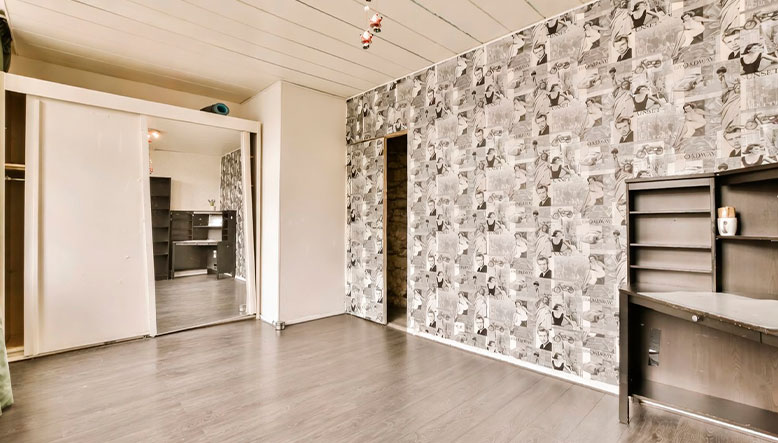
Creating a secret room in your home can add a touch of mystery and practicality to your space. These hidden rooms can serve as personal retreats, discreet storage areas, or even private entertainment spaces.
In this article, we’ll explore some ideas and considerations for building a secret room in your home.

Choosing the perfect location
When considering creating a secret room in your home, the first—and most important—step is to choose the best location.
The space you choose should be discreet and not easily noticeable to passersby. Areas such as a large closet, a rarely used section of the attic, or a corner of the basement can offer the perfect combination of seclusion and practicality for your secret room.
Choosing a location that isn’t frequently visited, but that is feasible to build on and integrate, is key to the success of this unique venture.
Keep in mind the accessibility and customization potential of the area, making sure it aligns with your vision for the secret room.
Also, consider any existing structures or features that could provide natural cover for the entrance to the secret room.
This meticulous selection process lays the groundwork for a well-designed, seamlessly integrated secret room that serves its purpose without compromising the overall aesthetic of your home.
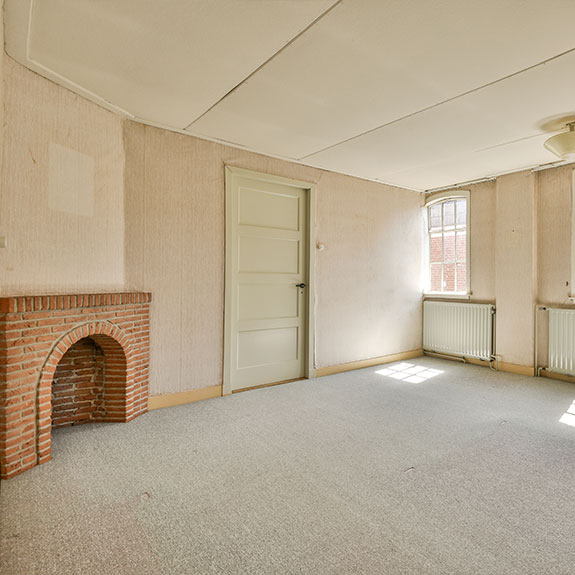
Design and Planning for a Specific Purpose
Once the appropriate location has been identified, the next step involves meticulous planning of the design and intended purpose of the secret room.
Clearly define the role it will play in your home. Whether it’s going to be a hidden home office, a game room, a personal retreat, or a covert storage space, outlining its primary purpose is essential to the design process.
The design and layout should be in harmony with the intended use, while complementing the existing style of your home.
During this phase, it is essential to pay close attention to practical details such as proper ventilation, adequate insulation, and efficient use of space.
Incorporating elements of privacy into the design, such as concealed lighting and movable partitions, can enhance the room’s sense of seclusion and contribute to its functionality and visual appeal.
Hide the Post
Ensuring that the entrance remains hidden is a key aspect of creating a secret room.
Various methods can be used to conceal the entry point, add an element of surprise, and enhance the mystery of the hidden space.
Incorporating an entryway that blends seamlessly into its surroundings not only enhances the room’s sense of seclusion but also adds an element of novelty and intrigue to your home.
Strategically concealing the entrance with clever design elements, such as a retractable staircase or a hidden panel, can further enhance the mystique of the secret room.
These features not only enhance the safety and privacy of the space, but also create a sense of wonder and fun for those who discover the secret passage.
Ways to hide the entrance
To effectively conceal the entrance to your secret room, you can use several ingenious techniques, each of which offers a unique approach to maintaining the mystery and secrecy of the hidden space.
Mobile shelving
A classic and age-old method for concealing the entrance to a secret room is to install a sliding bookshelf.
This practical and versatile solution allows the entryway to blend seamlessly into the room as a functional element, creating an air of elegance and sophistication.
Not only does it serve as a clever disguise for the float, but it also adds an element of intrigue and surprise for those who come across it.
False wall
Building a false wall to conceal the entrance to the secret room is a sophisticated and visually striking way to achieve the desired level of secrecy and discretion.
This method, often accompanied by meticulous details and craftsmanship, creates the illusion of a continuous, uninterrupted wall, concealing the true entrance and adding an air of intrigue and mystery to the hidden room.
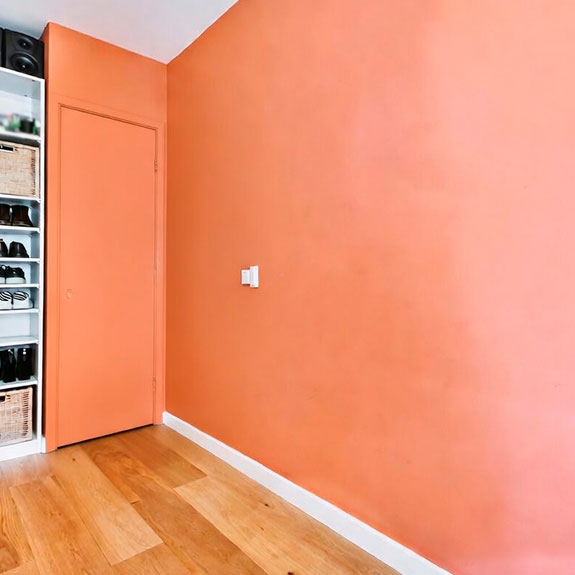
Concealed doors
Integrating the entry door into the existing design—whether as a panel that blends into the wall or as part of the cabinetry—creates a seamless transition from a modest space to the hidden area, thereby enhancing its secretive nature.
This method combines functionality and aesthetics, resulting in a discreet yet highly functional entryway that complements the room’s overall design.
Technical considerations
Creating a secret room involves not only visual and functional aspects, but also a number of technical considerations that are crucial for its construction and integration into your home.
The structural integrity of the wall, sound and thermal insulation, and the overall safety of the room are essential aspects that must be carefully addressed during the planning and construction phases.
A thorough assessment of the technical requirements, combined with the architectural layout of your home, ensures that the secret room is not only hidden and functional, but also safe and structurally sound.
Working with professionals in the fields of construction, architecture, and interior design can be crucial to ensuring that the technical aspects are handled with expertise, resulting in a secret room that fits seamlessly into your home’s overall design and infrastructure.
Budget and materials
The financial investment and choice of materials for building a secret room are key factors that require careful consideration and strategic planning.
The cost of the project can vary significantly depending on its scale, complexity, and the quality of the materials used.
Establishing a comprehensive and realistic budget that aligns with the project’s planned scope ensures that the construction process remains financially viable and is carried out effectively.
Materials such as high-quality wood, acoustic panels, concealed lighting fixtures, and advanced opening mechanisms are essential components for creating a well-constructed and meticulously designed secret room.
Sourcing these materials from reputable suppliers and manufacturers—while also considering durability and long-term maintenance—contributes to the overall quality and functionality of your home’s hidden spaces.
Increase the value of your property
Adding a secret room to your home not only brings an element of surprise and practicality to your living space, but it also has the potential to increase your property’s value and exclusivity.
The careful planning, thoughtful design, and skillful execution involved in creating a secret room can significantly enhance your home’s overall appeal and desirability, both for your personal enjoyment and for its potential future market value.
With meticulous attention to detail and a strategic approach to integrating the secret room into your home’s existing structure and design, you can create a unique, personalized space that perfectly complements your lifestyle and adds intrinsic value to your property far beyond its utilitarian purpose.
Summary of Key Considerations
When considering the creation of a secret room in your home, there are many aspects that require careful and strategic thought.
From the initial selection of the hidden location and the conception of its design and purpose to the intricate concealment methods and the exhaustive technical and financial planning, every step is essential to the creation of a well-designed secret room that is seamlessly integrated into its surroundings.
By carefully considering and addressing the visual, functional, technical, and financial aspects, you can transform your vision of a hidden room into a tangible and rewarding addition to your home that offers a blend of mystery, practicality, and personalized charm, perfectly aligned with your unique preferences and lifestyle.
Conclusion
In conclusion, creating a secret room in your home can add an element of mystery and practicality to your space.
It requires careful planning and consideration of factors such as location, purpose, and methods for concealing the entrance.
Taking these factors into account and budgeting for materials and labor can result in a unique, custom addition to your home that may also increase its value.
Choose a suitable space, plan the layout, and let your imagination and creativity guide you in creating the perfect hidden room in your home.
Where is the best place to build a secret room in your house?
The best places are underutilized areas such as basements, attics, large closets, or spaces behind walls. The key is that it should be discreet, accessible, and easy to integrate without altering the main structure of the home.
How can you hide the entrance to a secret room?
There are several options:
Rolling shelves
Doors concealed within walls or cabinets
False walls
These solutions allow you to integrate the entrance so that it is not visible at first glance.
What could a secret room be used for?
A secret room can be used as a storage area, an office, a recreation room, a private retreat, or a safe space. How you use it will depend on your needs and the available space.
What technical aspects should be taken into account?
It is essential to consider:
Ventilation and insulation
Structural safety
Electrical systems
Accessibility
Working with professionals ensures that the room is safe and functional.
How much does it cost to build a secret room?
The price varies depending on the size, materials, and complexity of the hidden system. It can range from an affordable solution with concealed doors to more advanced projects featuring automatic mechanisms and premium finishes.