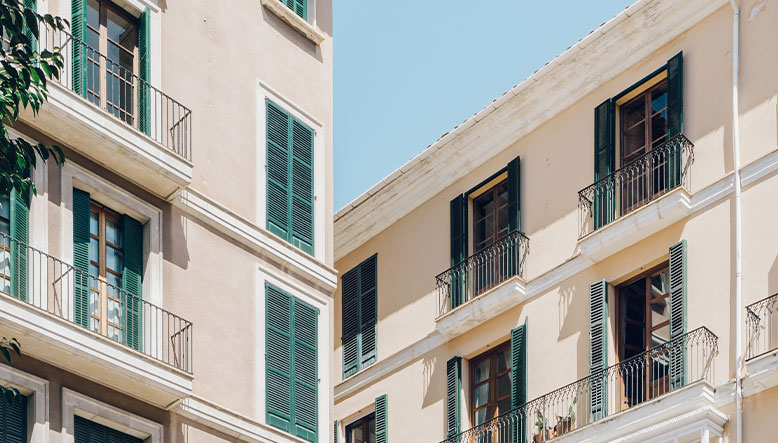
Examine how various factors—such as high-quality materials, energy efficiency, optimized space, technological advancements, and curb appeal—can significantly increase a home’s value.
By understanding and investing in these factors, homeowners can get a significant return on their home.

High-quality materials and finishes
When it comes to increasing a home’s value, the quality of the materials and finishes used in its construction and renovation plays a crucial role.
Carefully selected, high-quality materials not only enhance a home’s aesthetic appeal but also contribute to its durability and overall market value. Carefully selected, high-quality materials not only enhance a home’s aesthetic appeal but also contribute to its durability and overall market value.
For example, a kitchen equipped with high-end, energy-efficient appliances, as well as durable and visually appealing countertops and cabinets, can be a major selling point for potential buyers.
Similarly, the use of high-quality materials in the design and construction of bathrooms—such as stylish and functional fixtures—can have a significant impact on a home’s value and its appeal in the real estate market.
Whether it’s the luxurious finish of hardwood floors, the timeless elegance of granite countertops, or the durability of high-quality roofing materials, every detail in the quality and finish of a property’s features can make a significant difference in its perceived value and appeal.
In addition, the overall attention to detail in the interior and exterior finishes—such as well-installed trim, precision carpentry, and the use of high-quality paint—contributes to the impression of a well-maintained and desirable property.
From the elegance of well-crafted cabinets to the timeless appeal of carefully selected lighting fixtures, every element of a home’s interior and exterior finishes can collectively create an impression of luxury, comfort, and quality—all of which are essential for increasing a home’s value and attracting potential buyers.
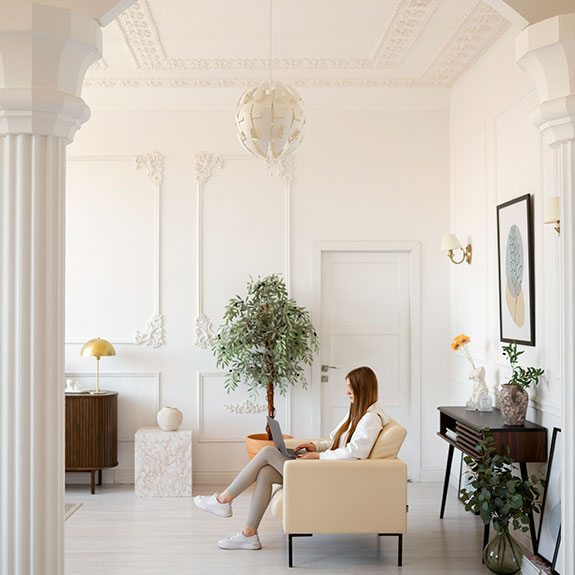
Improvements in energy efficiency
In today’s real estate market, energy-efficiency upgrades have become a key factor in increasing a home’s value.
Homes equipped with energy-efficient features—such as well-insulated walls and attics, high-performance windows, and advanced heating, ventilation, and air conditioning (HVAC) systems—are not only more attractive to buyers because of their lower long-term energy costs, but they also tend to retain a higher market value.
Energy-efficiency improvements, such as installing ENERGY STAR-certified appliances, programmable thermostats, and energy-efficient lighting, not only reduce a home’s environmental impact but also contribute to a more sustainable and cost-effective living environment—all of which are highly valued by environmentally conscious and eco-friendly buyers.
Improving a home’s energy efficiency can also have a direct and positive impact on its market value.
Homes that have been professionally assessed and certified for energy efficiency using standard rating systems such as the HERS Index or RESNET standards can provide potential buyers with a quantifiable and reliable measure of the home’s energy performance, thereby setting these properties apart in a competitive real estate market and justifying a potentially higher selling price.
In addition, the implementation of renewable energy solutions—such as rooftop solar panels and residential wind turbines—not only helps reduce a home’s carbon footprint but also positions these environmentally conscious and forward-thinking energy solutions as attractive, modern features, further enhancing the overall value and appeal of a residential property.
Integration of sustainable technologies
The integration of sustainable technologies into a home not only reflects a commitment to an environmentally friendly lifestyle and leads to potential energy and cost savings, but also serves as a modern and attractive feature that can significantly increase the value of a residential property.
Installing low-flow, high-efficiency plumbing fixtures and incorporating water-efficient landscaping not only reduces a home’s overall water consumption but also helps conserve this valuable resource, making these sustainable features highly appealing to environmentally conscious homebuyers.
In addition, The inclusion of advanced home automation and energy management systems—such as smart meters, programmable irrigation controllers, and home energy storage solutions—not only enables smarter and more efficient management of a home’s energy and water resources but also sets a modern, technologically informed standard in the residential real estate market, representing a significant source of added value for homes equipped with these sustainable technologies.

Optimization of space and layout
Optimizing space and layout in a home is essential not only for improving the functionality and flow of living areas, but also for enhancing its overall appeal and market value.
Homes that have been intelligently designed to maximize the use of space, create seamless transitions between indoor and outdoor areas, and offer flexible and versatile room layouts tend to leave a strong and lasting impression on potential buyers, as these custom-designed, well-planned living spaces cater to a wide range of lifestyle needs and preferences.
In addition, the inclusion of additional, well-designed spaces—such as dedicated work areas, ample storage solutions, and purpose-built entertainment areas—further enhances the marketability and value of a residential property, as these features not only provide a practical and organized living environment but also meet the evolving demands and expectations of modern homeowners, making the property more attractive and desirable in the competitive real estate market.
Creating open spaces
The strategic creation of open, spacious, and well-designed living spaces within a residential home is a key element of design and renovation that not only enhances the home’s aesthetic appeal and overall functionality but also contributes to its market value and appeal.
Removing unnecessary interior walls and adopting open-concept designs—which combine and integrate various living areas, such as the kitchen, dining room, and living room, into a cohesive and fluid space—can significantly enhance a home’s sense of spaciousness and brightness, making it more visually appealing and emotionally appealing to potential buyers.
Furthermore, careful consideration and maximization of natural light through the strategic placement and design of windows, skylights, and other architectural elements not only create a bright and airy living environment but also contribute to a sense of luxury and comfort, adding significant value to the home.
By fostering a sense of unobstructed flow, visual continuity, and spaciousness within a home, creating open spaces and maximizing natural light can lead to a substantial increase in its market value and appeal, making it a compelling proposition in the competitive real estate market.
Improvements to outdoor areas
Improving outdoor spaces—whether it’s a sprawling landscaped garden, a meticulously maintained backyard oasis, or a stylish and functional outdoor area—is a key factor in increasing a home’s value.
Well-designed and carefully maintained outdoor spaces not only expand a home’s functional living area but also provide a serene and inviting retreat for relaxation and entertainment, making them a highly desirable feature among potential buyers.
In addition, the inclusion of outdoor amenities—such as outdoor kitchens, fire pits, and comfortable, stylish, well-maintained seating areas—adds a touch of luxury and comfort to the home’s outdoor space, boosting its market value and appeal.
Furthermore, the strategic and sustainable use of outdoor lighting, the selection of visually appealing and low-maintenance landscaping, and the meticulous upkeep and enhancement of these outdoor areas not only leave a lasting and positive impression on potential buyers but also add significant value to residential properties, making them highly sought-after in the real estate market.
Security systems
The integration of advanced and reliable security systems into a residential home not only provides peace of mind and a greater sense of security for the occupants, but also represents a compelling value proposition in the real estate market.
The presence of modern, well-maintained security systems—such as smart surveillance cameras, alarm systems, and secure access devices—is a highly desirable and reassuring feature for potential buyers, as it underscores a commitment to the safety and well-being of residents.
In addition, The implementation of home security automation and smart home integration—which enables remote monitoring, management, and control of security features and surveillance systems—not only enhances the overall appeal and modernity of a residential property but also adds a layer of convenience, functionality, and peace of mind, making it a compelling and value-enhancing proposition for discerning buyers in the competitive real estate market.
Smart home technology
The integration of smart home technology into a residential property not only provides residents with a comfortable and hassle-free living experience, but also positions the property at the forefront of the modern, innovative features that are in high demand in the real estate market.
The installation of home automation systems—such as smart lighting, advanced security and surveillance technologies, energy-efficient smart thermostats, and integrated home management and entertainment systems—not only enhances the overall functionality and comfort of living spaces but also adds a touch of modern sophistication and appeal that resonates with tech-savvy, forward-thinking homebuyers.
Furthermore, the potential for energy and cost savings offered by smart home technology—such as the scheduling and automation of heating and cooling systems and the remote control of lighting and appliances—makes these features highly attractive and adds value to a residential property, making them a compelling and sought-after feature in the competitive real estate market.
Attractiveness and Maintenance
Enhancing a property’s curb appeal and regularly maintaining its exterior and landscaping are essential factors not only for creating a positive and lasting first impression on potential buyers, but also for increasing its overall value and appeal in the real estate market.
Proper maintenance and the visual appeal of the exterior—from the fresh, inviting appearance of the front facade to the meticulous upkeep of the landscaping and outdoor spaces—contribute to a strong and attractive presentation of the home, thereby capturing the attention and interest of potential buyers.
In addition, consistent and thorough maintenance of exterior elements—such as regular care and upkeep of the roof, timely and professional maintenance of the home’s exterior materials and finishes, and diligent attention to the health and appearance of the landscaping and exterior features, not only extend the home’s lifespan and overall appeal but also contribute to a positive perception of its value and marketability, making it a compelling and attractive proposition for discerning buyers in the competitive real estate market.
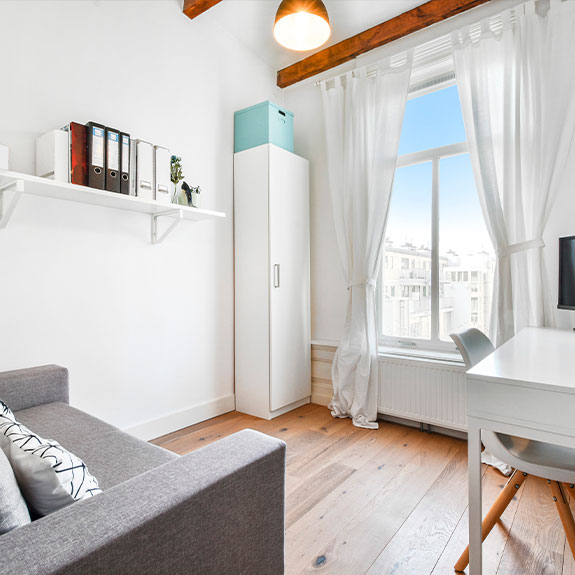
Conclusion
In conclusion, there are several factors that can contribute to an increase in a home’s value.
High-quality materials and finishes, improvements in energy efficiency, the incorporation of sustainable technologies, optimal use of space and layout, and enhancements to outdoor areas are just a few examples of features that can make a home more appealing to potential buyers.
Factors such as security systems, smart home technology, and a home’s curb appeal can also play a significant role in determining a home’s value.
Therefore, investing in these areas can have a significant impact on a property’s value in the real estate market.
What factors have the greatest impact on a home’s value?
The key factors that most increase a home’s value are high-quality materials, energy efficiency, a well-designed floor plan, well-maintained outdoor areas, and smart technology. These elements make a home more attractive and functional.
How does energy efficiency affect a home’s value?
Energy efficiency increases a home’s value by reducing energy consumption and long-term costs. Features such as insulated windows, solar panels, and energy-efficient HVAC systems make a home more sustainable and attractive to buyers.
Does the layout of a home affect its value?
Yes, good floor planning is essential. Open, functional, and well-designed spaces create a greater sense of spaciousness and comfort, which increases buyer interest and market value.
Do exterior improvements also increase a home’s value?
Yes, well-designed outdoor spaces such as gardens, patios, or recreational areas can significantly increase a home’s value. These spaces expand the home’s functionality and enhance its overall appeal.
Does home automation really increase a home’s value?
Yes. Smart technology—such as automated lighting, security systems, and smart thermostats—offers convenience, efficiency, and modernity, all of which are highly valued in today’s real estate market.