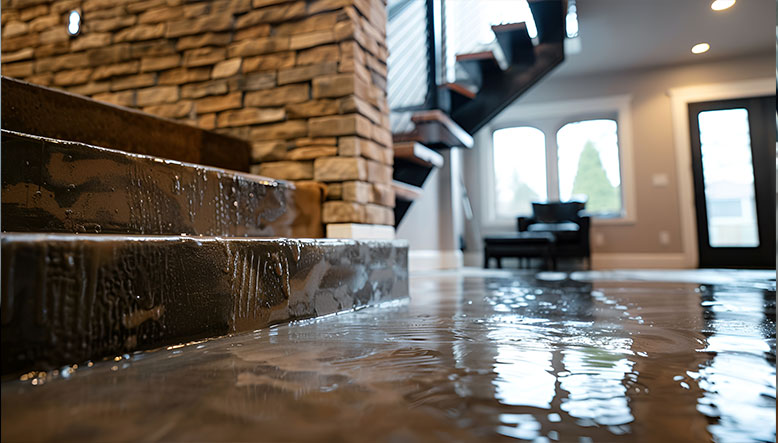
How to clean and disinfect spaces affected by flooding Flooding can cause significant damage to homes and indoor spaces, so it is essential to clean and disinfect properly to ensure the safety and health of occupants.
In this article, we will discuss the recommended steps for effectively cleaning and disinfecting spaces after a flood.
From initial assessment and safety precautions to disinfection and mold growth prevention, we will cover everything you need to know to ensure thorough and safe cleaning after a flood.

Initial assessment and safety precautions
Al enfrentarse a las secuelas de una inundación, es crucial dar prioridad a la seguridad del área afectada antes de comenzar el proceso de limpieza y desinfección.
Begin by assessing the structural integrity of the building to identify any potential damage that could compromise safety.
If there are structural problems, seek professional help before re-entering the building.
Take photographs of the damage and affected items, as this documentation may be valuable for insurance and claims purposes.
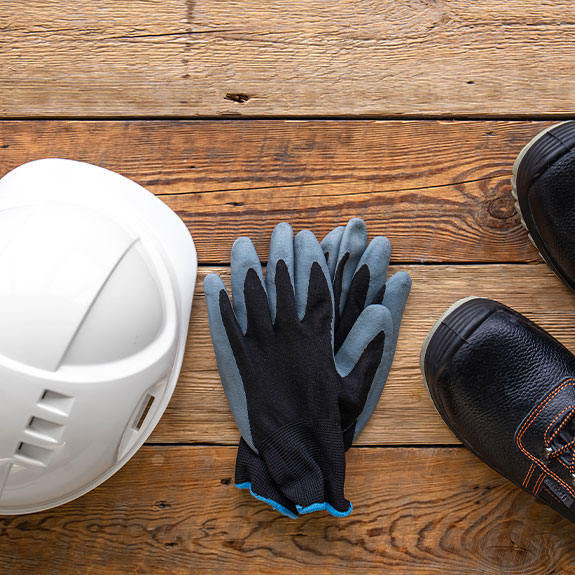
Wear appropriate personal protective equipment, including rubber gloves, waterproof boots, safety goggles, and a mask, to protect yourself from direct contact with contaminated water and mitigate the risk of health hazards.
This protective equipment is essential to prevent exposure to potentially harmful substances and pathogens during the cleaning process.
Compliance with safety guidelines and the use of recommended protective measures are essential to reduce the likelihood of injury or illness.
Disposal of water and contaminated materials
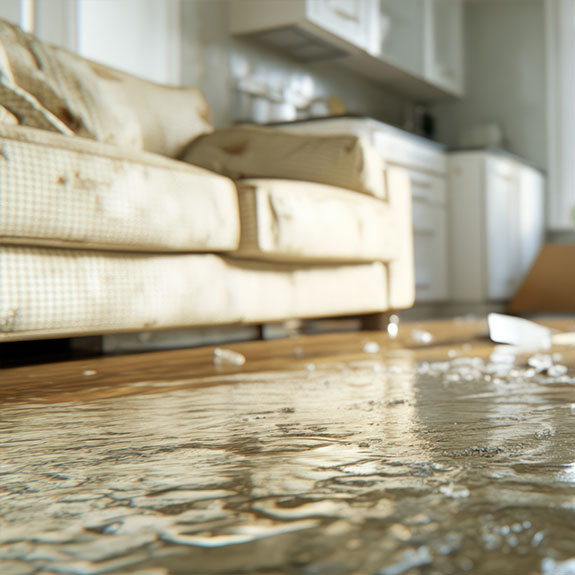
Once the safety of the affected structure has been ensured, the next critical step is to remove standing water and mud.
Use water pumps and wet/dry vacuums to speed up water removal, and manually remove accumulated debris.
Discard any materials that have been affected and cannot be thoroughly cleaned and dried, such as carpets, mattresses, and upholstered furniture, as they can serve as breeding grounds for mold and bacteria.
Be sure to dispose of these materials in accordance with official guidelines to prevent environmental contamination.
It is essential to be thorough in removing water and debris to set the stage for subsequent cleaning and drying processes, as persistent moisture and debris can spread contaminants and impede restoration efforts.
Drying and ventilation
Quick and complete drying of the affected areas is essential to inhibit the growth of mold and mildew.
Implement strategies to ventilate the space by opening windows and doors to promote air circulation.
Use fans and dehumidifiers to speed up the drying process, especially in enclosed or confined spaces.
Avoid using internal combustion devices, such as gasoline generators, as they pose a risk of carbon monoxide buildup, a colorless, odorless gas that can be life-threatening in enclosed areas.
Facilitate continuous air circulation and create a dry environment using appropriate equipment and natural ventilation methods.
By thoroughly addressing the drying and ventilation stages, you can significantly increase the effectiveness of subsequent cleaning and disinfection efforts, while contributing to the overall restoration of the affected spaces.
Cleaning and disinfection
Surfaces that have been in contact with floodwater must be thoroughly cleaned and disinfected to remove any remaining contaminants and reduce the risk of health problems.
Use a mixture of hot water and detergent to thoroughly wash walls, floors, and durable furniture, making sure to remove mud, debris, and residue.
After cleaning, apply a disinfectant solution, such as a diluted bleach mixture, to effectively eradicate any persistent pathogens.
It is imperative to follow approved disinfection methods and consult reliable guidelines to ensure the correct preparation and application of the disinfectant solution.
By implementing a thorough and systematic cleaning and disinfection regime, you can play a decisive role in restoring safety and hygiene to the affected areas.
Management of food and personal belongings
After a flood, any food that has been exposed to contaminated water should be discarded immediately.
Protect personal belongings by carefully removing and cleaning or disinfecting salvageable items.
For non-perishable food items, inspect the packaging for signs of damage or contamination, and follow established food safety guidelines to determine whether the items are suitable for recovery.
Take a meticulous approach to managing personal items, considering the potential health implications of items that have been in contact with contaminated water.
By adhering to prudent practices in the handling of food and personal effects, you can proactively contribute to mitigating health risks and promoting a safe and hygienic environment.
Prevention of mold and mildew
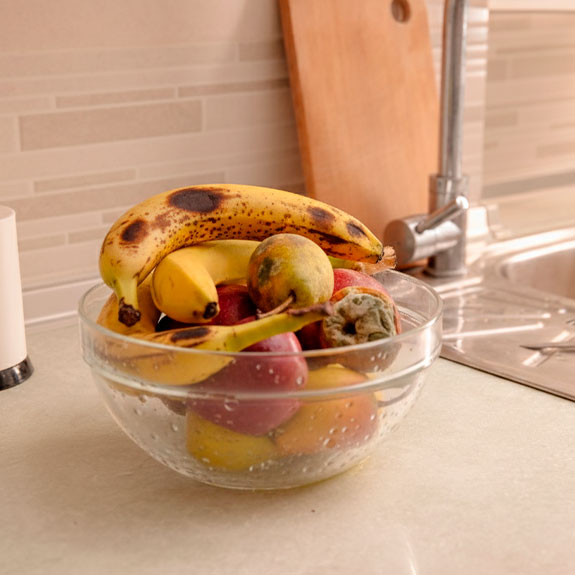
Combating mold and mildew growth is a critical part of flood recovery.
Ensure that all affected areas dry quickly and thoroughly, and implement proactive measures to prevent moisture buildup.
In addition to natural ventilation, consider using professional-grade dehumidification equipment to help control humidity.
Maintain vigilance regarding moisture control and conduct regular inspections to identify and address any early signs of mold or mildew.
By instilling proactive and preventive practices, you can significantly mitigate the possibility of mold-related problems and contribute to establishing a healthy and safe environment.
Additional considerations
Throughout the entire cleaning and restoration process, be diligent in the segregation and proper management of waste and organic debris.
This mindful approach not only contributes to the overall cleanliness and organization of the space, but also minimizes the possibility of health and environmental problems.
Prioritize the implementation of safe and responsible waste management practices to maintain the integrity and safety of the environment.
Furthermore, when using commonly used spaces and infrastructure, such as restrooms and common areas, prioritize improving hygiene and sanitation measures to further enhance the overall safety and well-being of occupants.
Documentation of damages and professional consultation
Thorough documentation of the damage suffered and the affected condition of the property is essential to facilitate the claims process and comprehensively assess restoration needs.
Familiarize yourself with your insurance provider’s guidelines and requirements to ensure thorough documentation of damages and associated expenses.
At the same time, consider seeking the expertise of professional restoration and repair services, especially in cases of extensive damage or contamination.
Having certified professionals on hand can provide invaluable support in tackling the many challenges of flood recovery and ensuring effective mitigation of potential health and safety risks.
Use of personal protective equipment
Strengthen recovery efforts by incorporating the systematic use of personal protective equipment (PPE) to safeguard those involved in restoration activities.
Equip workers and volunteers with appropriate PPE, including, but not limited to, gloves, masks, goggles, and protective clothing, to ensure their safety and well-being during cleaning and repair processes.
Be aware of the importance of PPE to protect yourself from potential hazards, such as exposure to mold, contaminants, and airborne particles.
By maintaining a strong commitment to PPE usage, you can enhance safety and overall health outcomes for recovery efforts while fostering a culture of safety and precautionary measures.
Initial assessment and safety precautions
In the aftermath of a flood, initial assessment and safety precautions are essential to establish a safe and conducive environment for subsequent cleanup and restoration activities.
Prioritize damage documentation and professional involvement to strengthen overall safety and the effectiveness of the recovery process.
By promoting a comprehensive and conscious approach to safety, you can lay the foundation for a successful and resilient recovery.
Disposal of contaminated water and materials
Uphold the principles of thoroughness and meticulousness in the disposal of contaminated water and materials, and instill a culture of safety and responsibility in the disposal of irreparable items.
By taking a proactive and systematic approach, you can effectively contribute to creating a safe and revitalized living and working space.
Drying and ventilation
Facilitate rapid and thorough drying and ventilation of affected areas, prioritizing the cultivation of an environment conducive to subsequent cleaning and restoration activities.
Enhance the drying process through the strategic integration of technological aids and the optimization of natural ventilation methods to promote rapid moisture removal and inhibit mold and mildew growth.
Conclusion
In conclusion, cleaning and disinfecting flooded spaces is crucial to ensuring the safety and health of occupants.
By following the appropriate steps and safety precautions, such as initial assessment, removal of contaminated materials, drying, and disinfection, the risk of mold and bacteria growth can be minimized.
It is also important to handle food and personal belongings properly, document damage, and consult professionals when necessary. Wearing the appropriate protective equipment is also essential during the cleanup process.
By taking these steps, you can restore a safe and healthy environment after a flood.
How to clean a house after a flood?
First, you must assess structural safety and use protective equipment. Then remove standing water, remove contaminated materials, dry surfaces completely, and apply appropriate disinfection with authorized products.
What products are used to disinfect after a flood?
It is recommended to clean with hot water and detergent, and then apply a disinfectant solution such as diluted bleach (following safe proportions). It is essential to follow the manufacturer’s instructions.
How can you prevent mold after flooding?
The key is rapid drying. Use fans, dehumidifiers, and natural ventilation. All surfaces must be completely dry within the first 24–48 hours to minimize the risk of mold growth.
What items should be discarded after a flood?
Carpets, mattresses, upholstered furniture, and food that has been in contact with contaminated water should be discarded. These materials absorb moisture and can become breeding grounds for bacteria and fungi.
Is it necessary to wear protective equipment during cleaning?
Yes. It is essential to wear waterproof gloves, boots, a mask, and protective goggles. Floodwater may contain bacteria, chemicals, and hazardous waste that can affect your health.