
Are you experiencing water leaks in your home during the rainy season? Learn how to detect and repair them before they cause major damage to your structure and negatively affect your health.
Follow these simple steps to identify the source of the leak and repair it, as well as to prevent future leaks.

Signs and causes
Detecting water leaks in roofs and walls can be crucial, especially during the rainy season, as they can cause significant damage to the structure and also affect the health of the inhabitants.
One of the most obvious signs of water infiltration is the presence of dark or yellowish stains on ceilings and walls.
This discoloration usually indicates the presence of moisture and can be a clear sign of a leak. In addition to this, peeling or bubbling paint on surfaces, as well as the presence of mold in specific areas, are also warning signs.
In addition, a persistent musty smell, especially after rain, could indicate the presence of hidden water in the walls or ceilings.
It is essential to thoroughly inspect these areas, paying particular attention to the joints between walls and ceilings, as well as around windows, doors, and areas where pipes are located.
These initial steps are crucial for the timely detection and resolution of water infiltration problems.
There are several common causes of water leaks, and it is important to be aware of them in order to effectively address the problem.
One of the main causes is the deterioration of the waterproofing layer on flat roofs, balconies, and exterior walls, which can allow rainwater to seep inside.
In addition, cracks and fissures in walls and ceilings, which may be caused by structural settling or material wear, facilitate water ingress. Faulty installations, such as broken or poorly sealed pipes, especially in bathrooms and kitchens, can also be a major source of leaks.
In addition, poorly designed structures, such as roofs or terraces with incorrect slopes, can cause water to accumulate and increase the risk of leaks.
Understanding these common causes is essential to taking the appropriate steps to prevent and repair water leaks, ultimately safeguarding the integrity of the home.
Repair cracks and fissures
Once the source of the water leak has been identified, it is essential to carry out the necessary repairs to prevent further damage.
Addressing cracks and fissures in walls and ceilings is a crucial step in solving the problem. Using appropriate sealants to fill these cracks and crevices can effectively mitigate water infiltration.
In cases of significant structural cracks, it is advisable to consult a professional to ensure that appropriate measures are taken to address the underlying issues and prevent future leaks.
By quickly and effectively repairing these structural imperfections, the building’s vulnerability to water infiltration can be significantly reduced, preserving the overall integrity of the structure.
Waterproof
Applying a waterproofing treatment to the affected areas is a vital step in preventing future water leaks.
This process involves the use of specialized products designed to create a waterproof barrier on exterior walls and roofs.
It is crucial to select these products based on the specific type of surface and prevailing weather conditions to ensure their effectiveness. Applying a suitable waterproofing membrane can effectively seal surfaces and provide long-lasting protection against water infiltration.
By implementing this preventive measure, the risk of future water leaks can be significantly reduced and the longevity of building materials increased, ultimately contributing to a more durable and resilient structure.
Check the plumbing installation
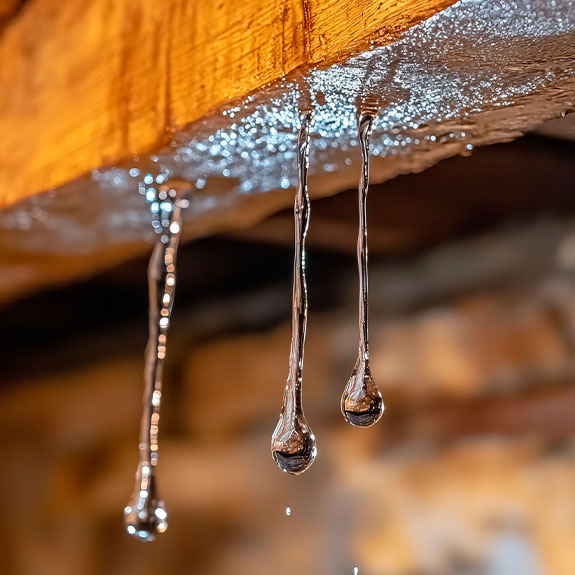
Inspecting and, if necessary, repairing the building’s plumbing fixtures is essential to mitigate the risk of water leaks.
Ensuring that all pipes and connections are in good condition and free of cracks or improper seals is crucial to preventing water from leaking inside.
Special attention should be paid to areas prone to moisture, such as bathrooms and kitchens, where the likelihood of plumbing-related leaks is higher.
By addressing any plumbing-related issues without delay, the possibility of water infiltration can be effectively minimized, contributing to the overall watertightness of the building.
Improve drainage
Addressing and improving the drainage system in and around the property is a proactive measure to mitigate the risk of water leaks.
Ensuring that gutters, downspouts, and other drainage components are clear and in good working order promotes efficient and directed water flow away from the building.
By preventing water from accumulating around the foundation and promoting proper drainage on the property, the risk of water seeping into the walls and causing leaks is significantly reduced.
In addition, maintaining the exterior landscape and properly grading the land can further contribute to effective and controlled water drainage, thereby minimizing the possibility of water-related damage to the building.
Prevention
Implementing preventive measures to protect property from future water leaks is a crucial aspect of maintaining building integrity.
Regular inspections and maintenance of the roof, walls, and drainage systems should be carried out to identify and address any potential issues before they become major problems.
By conducting regular inspections of these areas, owners can proactively detect and address early signs of water infiltration, thereby mitigating the risk of extensive damage and associated repair costs.
In addition, ensuring proper sealing of joints and openings, especially around windows, doors, and other critical areas, with high-quality, durable materials helps create a robust and watertight building envelope that is resistant to the damaging effects of water infiltration.
Regular inspections
Performing regular and thorough inspections of the roof, walls, and drainage systems is essential to protect the property from potential water leaks.
These inspections should be carried out at least twice a year and, if possible, with special attention to areas susceptible to water infiltration, such as attics, basements, and exterior walls.
By thoroughly examining these areas for any signs of moisture, discoloration, or structural damage, homeowners can quickly identify and address any emerging issues, preventing water-related problems from worsening and preserving the integrity of the property.
In addition, conducting specific inspections after periods of heavy rain or adverse weather conditions can be particularly beneficial in detecting and preventing water leaks, thereby maintaining a proactive and vigilant approach to property maintenance.
Maintenance of gutters and downspouts
Ensuring proper maintenance and functioning of gutters and downspouts is essential to prevent water from accumulating around the foundation of the property and thus mitigate the risk of water infiltration.
Regular cleaning and unclogging of these drainage components to remove any debris or blockages is crucial to promoting efficient, unobstructed water flow.
In addition, inspecting and, if necessary, repairing any damage or misalignment in gutters and downspouts helps maintain their ability to effectively divert water away from the building.
By keeping these elements in optimal condition, homeowners can significantly reduce the likelihood of water-related problems, such as basement flooding or structural damage, thereby preserving the overall integrity of the property.
Sealing joints and seams
Ensuring proper sealing of joints and connections between different building materials is a critical measure to prevent water infiltration.
By using high-quality sealants and adhesives, homeowners can mitigate the possibility of water seeping through these joints, especially around windows, doors, and transitions between different building elements.
This proactive approach helps improve the overall watertightness of the building envelope and reduce the risk of water-related damage.
In addition, by maintaining and periodically reapplying sealants to these vulnerable areas, homeowners can establish a durable and resistant barrier against water infiltration, thereby preserving the integrity and longevity of the property.
Signs of leaks in roofs and walls
Several signs can indicate the presence of water leaks in roofs and walls, and knowing how to recognize them is crucial for timely intervention.
Dark or yellowish stains, especially those with a clear water outline, can be a clear indicator of a leak.
In addition, the presence of bubbling or peeling paint, as well as mold growth, are visible signs of water infiltration. Furthermore, the appearance of persistent damp odors, especially after rain, may suggest the presence of hidden water in walls or ceilings.
Detecting and treating these signs promptly can prevent water-related problems from escalating and mitigate their impact on the structural integrity and interior environment of the property.
Main causes of leaks
Water leaks in roofs and walls can be caused by several common factors, and identifying these root causes is essential for effective resolution.
One of the main causes is the deterioration of the waterproofing layer on roofs, balconies, and exterior walls, which can cause rainwater to seep inside.
In addition, cracks, fissures, and poorly installed or maintained plumbing fixtures can also be major culprits in the occurrence of water leaks.
In addition, structural factors, such as inadequate roof design or insufficient drainage, can contribute to the development of water infiltration problems.
By understanding and addressing these common causes, homeowners can implement specific measures to prevent and mitigate water damage to their properties.
Repair cracks and fissures
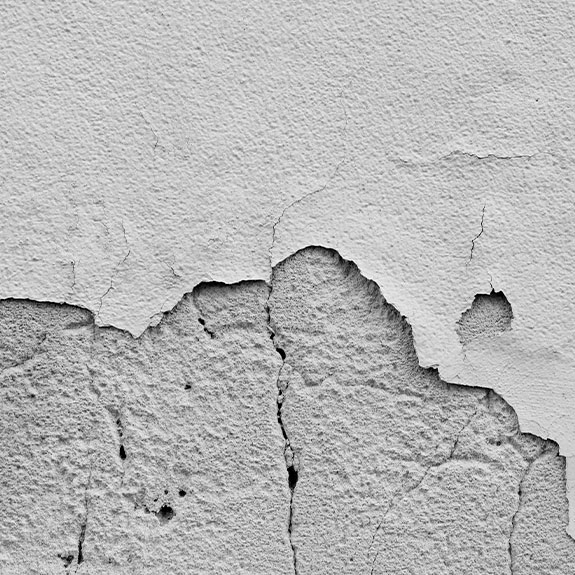
Addressing and repairing cracks and fissures in walls and ceilings is a vital step in mitigating the risk of water infiltration.
By using appropriate sealants and materials, homeowners can effectively fill these imperfections and prevent water from entering.
In cases of significant structural cracks, it is advisable to seek professional expertise to ensure that comprehensive and specific measures are taken to address the underlying causes and prevent future leaks.
This proactive approach to repairing cracks and fissures is essential for maintaining the integrity and watertightness of the building, ultimately preserving its structural and aesthetic qualities and preventing the escalation of water-related problems.
Conclusion
In conclusion, detecting and repairing leaks in roofs and walls during the rainy season is essential for maintaining the integrity of a home and the health of its inhabitants.
By identifying the common signs and causes of leaks and performing proper maintenance and repairs, it is possible to prevent future problems and maintain a safe and comfortable living environment.
Regular inspections and proper maintenance are key to preventing and addressing leaks in a timely manner.
How can I tell if I have rainwater leaks in my home?
The most common signs are dark or yellow stains, blistered paint, a persistent musty odor, and mold growth. These tend to intensify after heavy rainfall.
What are the main causes of leaks in roofs and walls?
The most common causes are deteriorated waterproofing, cracks and fissures, plumbing failures, incorrect roof slopes, and clogged drainage systems.
How are cracks that cause leaks repaired?
Small cracks can be sealed with waterproof fillers or sealants. For structural cracks, it is advisable to consult a professional to avoid further damage and recurring leaks.
Is waterproofing necessary to prevent rain leaks?
Yes. Waterproofing roofs and facades is key to preventing leaks. Applying suitable waterproof membranes protects the home and extends the useful life of the materials.
What maintenance helps prevent water leaks?
Performing regular inspections, cleaning gutters and downspouts, sealing joints, and checking plumbing fixtures significantly reduces the risk of leaks and moisture damage.