Welcome to our article on how to brighten up a dark home without making structural changes. Many homeowners struggle with rooms that feel gloomy and lack natural light, but don’t worry—there are simple solutions to brighten up your space without breaking the bank.
In this article, we’ll share expert tips on how to maximize natural light, play with colors and reflectors, and use the right artificial lighting to transform your home into a bright and cozy sanctuary. Say goodbye to dark, dreary interiors and get ready to let the light in.

Making the most of natural light
Transforming a dark house into a bright and cozy space is a goal shared by many homeowners.
One of the key elements to achieving this transformation is making the most of available natural light. By maximizing the amount of natural light that enters your home, you can effectively brighten your living spaces and create a more lively and spacious atmosphere.
This can be achieved through various strategic approaches and careful considerations. First and foremost, it is essential to keep windows free of obstructions, such as bulky furniture or heavy curtains.
Allowing sunlight to stream in unobstructed will go a long way toward minimizing shadows and flooding the room with a warm, invigorating glow.
In addition, choosing lightweight, translucent window coverings, such as curtains or blinds, can allow light to flow freely while still providing a degree of privacy.
Another practical yet effective tip is to place mirrors strategically near windows. These reflective surfaces can beautifully capture and diffuse incoming light, casting it throughout the room and enhancing the space’s natural brightness.
In addition to the above, the placement of mirrors plays a significant role in enhancing the effect of natural light.
For example, placing mirrors on walls that face windows or are located opposite them can effectively amplify and distribute incoming light throughout the room.
This not only results in a more evenly lit space, but also contributes to a greater sense of openness and spaciousness, thereby counteracting the prevailing darkness.
Finally, when it comes to brightening up a dark home, the strategic use of reflective furniture and decor in light colors can make a world of difference.
By carefully selecting furniture and decorative elements in shades that complement and enhance natural light—such as those in the white color palette, soft pastels, or light beiges—you can further accentuate the flow of light and create a more airy and open atmosphere.
Use light colors
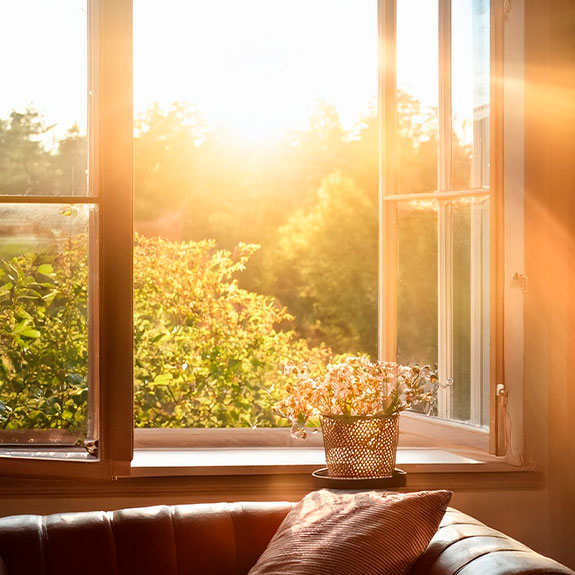
In addition to measures designed to maximize natural light, the use of light colors in a home’s decor and overall atmosphere can have a significant impact on the perceived brightness and spaciousness of different areas.
One of the most effective ways to achieve this is to decorate the walls and ceilings with shades from the spectrum of whites, soft beiges, and pale pastels.
These reflective colors help bounce available light throughout the room, creating a sense of openness and spaciousness.
In addition to the walls, incorporating light-colored and reflective furniture and accessories further enhances the overall lightness and openness of the space, effectively eliminating any lingering shadows or visual heaviness.
In addition, strategically combining different materials and finishes can enhance the sense of lightness and brightness in a room.
For example, choosing furniture with shiny or metallic accents can significantly enhance the reflective quality of a space, effectively working in harmony with natural light to create a bright, contemporary, and stylish atmosphere.
By adopting a more minimalist approach to interior design and favoring light, airy colors and reflective surfaces, you can successfully infuse your home with a sense of vitality and openness, thereby redefining the very essence of the space.
Incorporation of artificial lighting
Although natural light plays a key role in a home’s overall brightness, incorporating adequate artificial lighting is equally crucial, especially in areas where natural light may be limited.
When considering artificial lighting for a space, the choice of light sources is of the utmost importance. Opting for LED bulbs that emit a bright white light, very similar to natural light, can effectively mitigate the impact of low light levels and contribute to a more invigorating and radiant environment.
In addition, the strategic placement of various lighting fixtures—such as floor lamps, wall sconces, and recessed lights—ensures well-distributed and comprehensive lighting coverage, effectively eliminating shadows and creating a bright, welcoming atmosphere.
The design and functionality of the chosen elements also play an important role in the overall lighting experience of a home.
For example, incorporating adjustable or directional lighting options can provide the flexibility to customize the lighting environment according to the specific needs and preferences of the occupants.
Whether the goal is to highlight specific architectural features, create a warm and intimate atmosphere, or simply ensure a well-lit space that lends itself to a variety of activities, the versatility offered by well-designed and strategically placed fixtures is invaluable for enhancing the overall quality of a home’s lighting.
In the quest for a well-lit and visually appealing living space, the seamless integration of artificial lighting with existing natural light sources is a fundamental aspect that deserves careful consideration and thoughtful execution.
Include reflective elements
Incorporating reflective elements into a home’s decor is a powerful way to make the most of and amplify available light, creating a space that feels bright and visually spacious.
Mirrors, as the ultimate reflective elements, have the potential to profoundly transform the spatial and lighting dynamics of a room. By strategically placing mirrors in areas where they can capture and reflect incoming light, it is possible to effectively diffuse light throughout the space, leading to a noticeable improvement in the overall brightness and sense of spaciousness of the environment.
In addition, the incorporation of other reflective materials—such as glass, polished metals, and high-gloss finishes—further enhances the space’s ability to reflect light, creating a play of reflections and optical effects that imbues the room with a seductive and sophisticated aura.
Another crucial aspect of using reflective materials involves their careful placement and positioning.
For example, placing mirrors in front of windows or near light sources makes the most of the available light, resulting in a more evenly lit and spacious atmosphere.
In addition, the strategic juxtaposition of reflective surfaces and natural light sources ensures a harmonious blend of artificial and natural lighting, fostering a balanced and welcoming atmosphere.
By seamlessly incorporating reflective elements into your home décor, you can create a space that not only sparkles in both natural and artificial light but also exudes an air of contemporary elegance and visual intrigue.
Keep things clean and tidy
Among the various strategies and design choices aimed at bringing light and vitality to a dark home, the seemingly simple yet profoundly effective practice of maintaining cleanliness and order deserves special emphasis.
The buildup of dust, dirt, and obstructions on windows, light fixtures, and surfaces can significantly reduce the amount of light entering and spreading throughout a home, ultimately undermining the bright and airy atmosphere you’re aiming for.
By ensuring a regular and thorough cleaning routine, homeowners can effectively preserve and maximize the natural light in their living spaces, thereby fostering an environment that is constantly bathed in light and vitality.
In addition, organizing and decluttering spaces not only enhances the visual appeal but also serves a practical purpose by ensuring that light flows freely and unobstructed throughout the house.
By keeping surfaces free of clutter and ensuring that light sources are unobstructed, the inherent brightness and openness of living spaces are emphasized and preserved.
In essence, a commitment to cleanliness and order fosters a state of readiness and openness to light, thereby laying the very foundation for a bright, welcoming, and well-lit home.
Curtain option with blinds
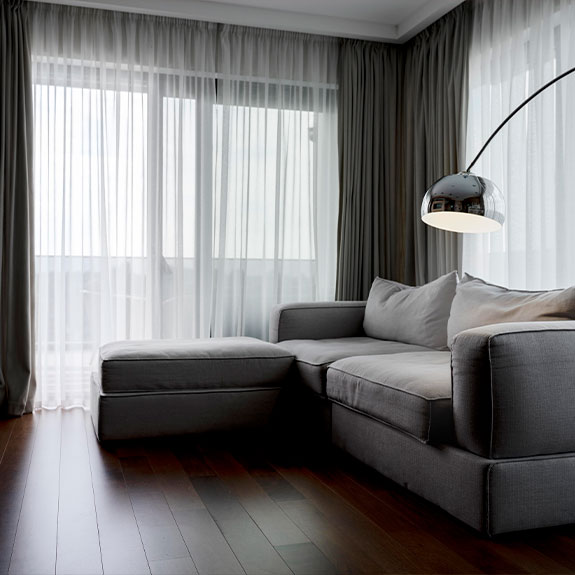
Choosing window treatments that complement and maximize the amount of natural light entering a home is a practical and effective way to enhance the brightness and overall aesthetic of living spaces.
In this regard, combining curtains that serve the dual purpose of diffusing light and providing privacy, along with the strategic use of HD roller shades for windows, can offer a versatile and effective solution for regulating the amount of natural light entering a room.
The seamless integration of curtains and blinds not only allows for precise control of light levels and privacy, but also lends a contemporary and visually appealing aesthetic to the window treatments, aligning with the overall goal of creating a well-lit and stylish home.
By choosing sheer or light-filtering curtains in coordinating shades that blend with the home’s overall color scheme, you can maintain natural light without sacrificing a degree of privacy and visual comfort.
The strategic placement and functional versatility offered by the combination of curtains and blinds give occupants the flexibility they need to adjust light levels and the atmosphere to their preferences and to changes throughout the day, thereby creating a dynamic and sophisticated lighting control system within the home.
This thoughtful and functional approach to window design not only enhances the entry and diffusion of natural light but also instills a sense of contemporary elegance and visual sophistication, thereby redefining the very essence of living spaces.
Installation of mirrors
The strategic placement and careful consideration of mirrors in a home’s spatial design can serve as a powerful antidote to the challenges posed by darkness and limited natural light.
By choosing mirrors of various sizes and placements, homeowners can effectively harness and amplify the impact of available light, creating a space filled with brightness and visual appeal.
For example, placing larger mirrors or those with reflective or metallic frames in front of light sources or windows can significantly amplify the reflection and diffusion of light, thereby counteracting dimness and creating a more balanced and radiant environment.
In addition, strategically placing mirrors in different rooms and at various angles helps to strategically optimize the reach and impact of natural and artificial light, thereby creating a bright and harmonious atmosphere throughout the house.
The interplay of light and shadow within these carefully designed spaces not only enhances the visual appeal of the rooms but also creates a sense of spaciousness and contemporary elegance, resulting in a transformative and inspiring living experience.
Ultimately, the seamless integration of mirrors as strategic elements in home décor serves as a compelling testament to insightful and ingenious approaches to amplifying light and vitality within living spaces, paving the way for a radiant and impeccably lit home.
Furniture paint
When it comes to infusing a dark home with a sense of light and vibrancy, the strategic and thoughtful use of paint on furniture and decorative elements proves to be a powerful tool in the arsenal of home decor and design.
Choosing furniture and decorative elements in shades that complement palettes of whites, soft pastels, and light neutrals can significantly contribute to the overall sense of brightness and spaciousness being created in the home.
Whether through the careful selection of accent pieces or a thorough overhaul of larger furniture items, the deliberate and thoughtful choice of colors and finishes has the potential to redefine the very character and visual impact of living spaces.
By opting for paints and finishes with a subtle sheen, homeowners can further enhance the way their furniture catches the light, thereby amplifying the play of light and shadow within the room.
This not only infuses the space with a sense of contemporary sophistication and refinement, but also supports the overall goal of transforming the home into a haven of light and visual appeal.
Furthermore, the strategic juxtaposition of light-colored furniture with contrasting elements and textures creates an immersive visual harmony and a dynamic interplay of light and shadow, filling living spaces with a captivating eclectic blend while embodying the very essence of a well-lit and impeccably decorated home.
Two or more light sources
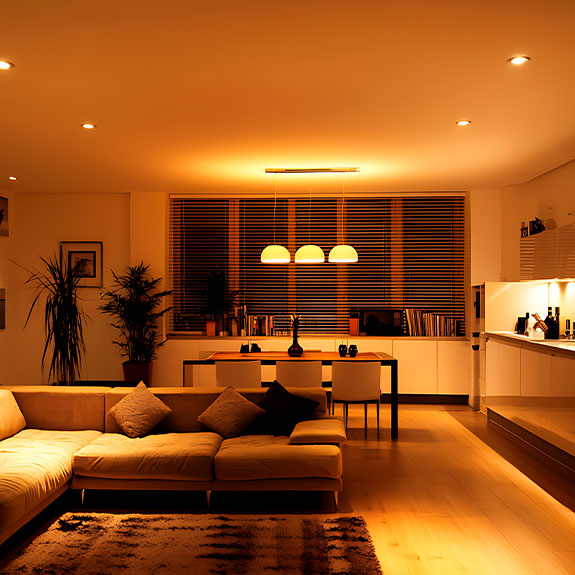
One of the defining features of a well-lit and atmospherically rich living space lies in the comprehensive and nuanced use of multiple light sources.
By adopting a multifaceted approach to lighting that encompasses a diverse range of fixtures and techniques, homeowners can orchestrate a symphonic interplay of light effects, creating an atmosphere brimming with dynamism, depth, and visual intrigue.
The strategic combination of ambient, task, and accent lighting within a spatial design serves not only to meet the functional and practical lighting needs of the home, but also to shape and enhance the overall mood and character of living spaces, thereby providing a seamless and holistic lighting experience.
Whether through the strategic placement of pendant lights and chandeliers as focal points for general lighting, or the integration of wall sconces and strategically placed track lighting systems to provide accent and task lighting, the deliberate and thoughtful curation of various light sources has a transformative and far-reaching impact on the overall atmosphere and visual appeal of the home.
Furthermore, the conscious decision to incorporate smart lighting solutions and customizable control systems further reinforces the expansive and versatile nature of modern lighting design, providing homeowners with the means to adapt and orchestrate their lighting experience in line with their preferences and the evolving needs of the space, thereby establishing a new paradigm of contemporary, cohesive, and well-curated lighting within the home.
Conclusion
In conclusion, increasing natural light and incorporating reflective elements, such as mirrors and shiny surfaces, can significantly brighten up a dark home without the need for structural changes.
In addition, using light colors in your decor and proper artificial lighting can also play a crucial role in creating a more welcoming and spacious atmosphere. Keeping your space clean and organized is also essential for making the most of the natural light that enters your home.
By following these simple strategies, anyone can transform their home into a brighter, more inviting space without the hassle and expense of a renovation.
How can I brighten up a dark house without doing any renovations?
You can brighten up a room by making the most of natural light, using light colors on walls and furniture, placing mirrors, and adding well-distributed artificial lighting.
What colors help make a home feel brighter?
Light colors such as white, beige, or pastel shades reflect light better and make rooms appear more spacious, bright, and inviting.
Where should I place mirrors to make the room brighter?
Ideally, place mirrors in front of windows or near light sources. This way, they reflect natural light and distribute it throughout the room, making it feel more spacious.
What type of artificial lighting is best for dark homes?
White or neutral-white LED bulbs are the best choice. In addition, combining multiple light sources (ceiling lights, lamps, wall sconces) helps prevent shadows and improves overall lighting.
Do tidiness and cleanliness affect how bright a home feels?
Yes. Keeping windows clean and spaces uncluttered allows light to flow more freely, preventing shadows and enhancing the feeling of brightness throughout the house.