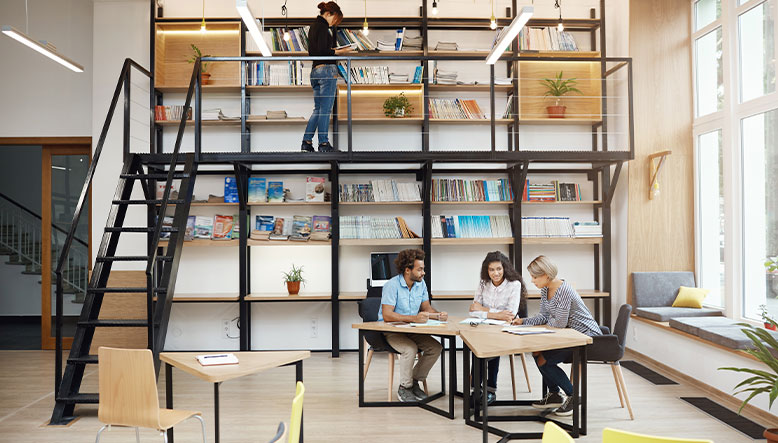
Turning your home into a versatile and functional space is a smart way to maximize its potential, especially in smaller spaces.
If you identify your needs, carefully plan the layout, choose versatile furniture, and use smart storage solutions, you’ll be able to adapt your home to meet the changing demands of your lifestyle.
In this article, we’ll introduce you to the concept of multipurpose spaces and offer tips on how to incorporate them into your home to create a more efficient and adaptable living environment.
Needs Assessment and Planning
Converting your home into multi-purpose spaces is an effective way to make the most of every corner, especially in smaller homes.
This trend allows a single space to serve multiple purposes, adapting to the changing needs of its occupants.
The first step in this process is to analyze how you use each space and what activities you want to incorporate into a single environment.
For example, if you work from home, you might consider combining your living room with a home office area. This approach will help you set priorities and choose the right furniture and layout.
For example, if you work from home, you might consider combining your living room with a home office area. This approach will help you set priorities and choose the right furniture and layout.
This might mean figuring out exactly how much workspace you need for your work, as well as taking your leisure and entertainment needs into account.
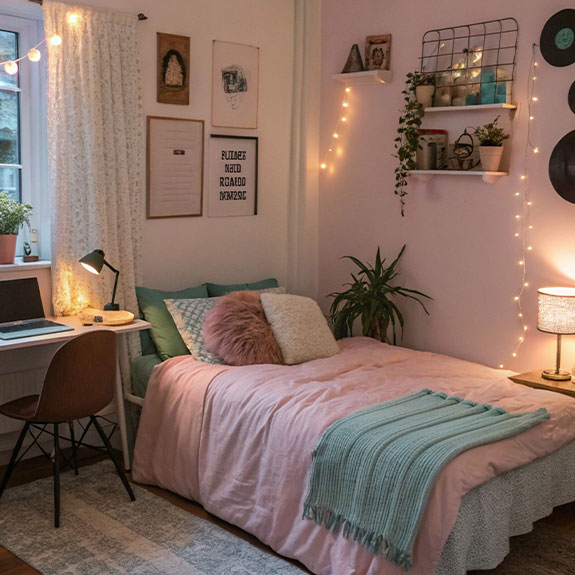
Once you’ve identified these requirements, you can start envisioning how a single space—such as the living room—can be transformed to serve as a home office, a dining area, and a cozy retreat, all without sacrificing comfort or style.
Furthermore, when planning the design of multipurpose spaces, it is important to consider traffic flow and accessibility in the area.
Ensuring that the space is easy to navigate and that essential elements are conveniently located will help facilitate a seamless integration of the various functions.
In addition, taking into account the potential need for privacy—especially when designating a space for work or study—is essential for maintaining a harmonious and productive living environment.
Once you have a clear understanding of your needs and priorities, you can move on to the next crucial step in creating versatile living spaces: selecting the right furniture and layout to bring your vision to life.
The concept of multifunctional living spaces refers not only to the practical use of space, but also to a lifestyle that values adaptability and efficiency.
If you carefully consider and plan how to integrate multiple functions into a single space, you can create an environment that seamlessly transitions between work, leisure, and entertainment, ensuring that every square foot of your home is used to its fullest potential.
A selection of versatile furniture
Choosing versatile furniture is key to creating multifunctional spaces in your home.
When choosing furniture for a multipurpose space, it is essential to select pieces that serve multiple purposes and can easily adapt to different functions.
This might include items such as a sofa bed that serves as a relaxation area during the day and transforms into a cozy bed at night, or a folding dining table that can be extended for family meals and stored compactly when not in use.
In addition to multifunctional furniture, modular furniture plays an important role in creating versatile spaces.
Modular sofas, for example, offer the flexibility to be rearranged to suit different activities, providing a comfortable seating area for relaxing and a practical layout for entertaining guests or hosting family gatherings.
By incorporating multifunctional and modular furniture, you can make the most of your space and easily rearrange it to suit your needs.
In addition, when choosing furniture for multipurpose spaces, it is important to consider the overall style and aesthetic.
Choosing contemporary, visually light furniture can help give the space an open and airy feel, while also complementing your home’s overall design theme.
This careful balance between functionality and style is key to creating a cohesive and welcoming atmosphere in a space that serves multiple purposes.
In essence, the deliberate choice of versatile, space-saving furniture is a cornerstone of designing multifunctional living spaces.
Not only does it make it easier to integrate various functions into a single area, but it also enhances the overall comfort and visual appeal of the space.
By carefully selecting and arranging the right pieces of furniture, you can enhance the versatility and functionality of your living spaces, ultimately creating a harmonious and functional environment that meets your everyday needs.
Defining spaces without sacrificing openness
When creating multipurpose spaces, it is important to visually define the different areas within a single space to maintain order and functionality.
Even if spaces serve multiple purposes, defining them visually can help create a sense of structure and organization.
You can achieve this by strategically using rugs, open shelving, or different lighting to define distinct zones within the same space, eliminating the need for physical partitions while maintaining an open and spacious atmosphere.
In addition, using furniture arrangements to create natural divisions within a space can effectively define different areas without the need for walls.
For example, placing a console table or a corner bookshelf can serve as a subtle divider between the living room and the dining room. This approach not only preserves the openness of the space but also enhances the overall visual interest and functionality of the area.
In addition, incorporating changes in ceiling height, if possible, can further define the different zones within a versatile space.
This architectural detail can serve as a visual cue to distinguish between different areas, providing separation without compromising the sense of interconnectedness and spaciousness of the overall environment.
By applying these visual zoning techniques, you can create a well-defined, organized, and versatile space that effortlessly adapts to a variety of activities and functions.
To prevent a multifunctional space from feeling cluttered, it is essential to incorporate effective storage solutions that make use of vertical and hidden areas.
Vertical storage solutions, such as tall cabinets, shelves, and wall-mounted organizers, allow you to maximize the use of vertical space and keep the floor area clear of clutter.
This not only helps keep the space tidy and organized, but also makes it feel airy and open.
In addition, incorporating hidden storage solutions—such as ottomans with hidden compartments, sofa beds with built-in drawers, or coffee tables with internal storage—can effectively hide clutter and keep the space clean and spacious.
These smart and functional storage solutions play a crucial role in maintaining the visual appeal and practicality of a multipurpose space, ensuring that everyday items and belongings are neatly stored away when not in use.
By making use of vertical and hidden storage, you can create a versatile and organized living space, free from visual distractions and clutter.
This not only enhances the overall aesthetics and functionality of the area, but also fosters a sense of calm and order, allowing the space to easily accommodate various activities and functions without feeling overwhelmed or cluttered.
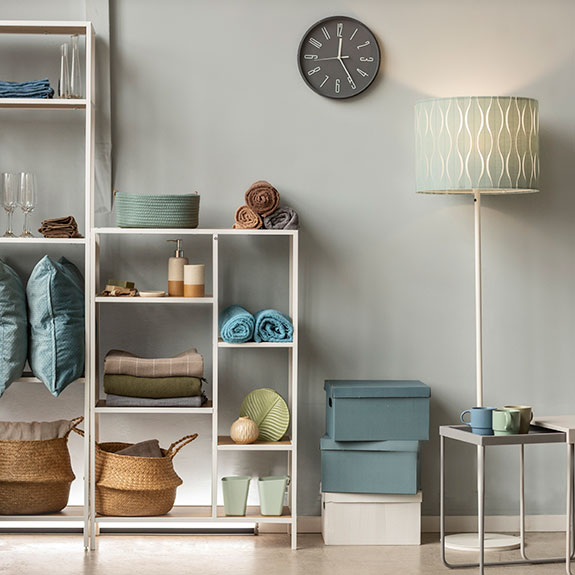
Strategic use of lighting and colors
The strategic use of lighting and a cohesive color palette can significantly influence the perception and definition of multipurpose spaces.
Proper lighting can not only create different atmospheres within the same space, but also help define specific areas and functions.
For example, using ambient lighting in a relaxation area and task lighting in a work or study area can help distinguish these functions within the same space, while also adding visual interest and depth to the overall design.
In addition, using a consistent and harmonious color palette can contribute to a cohesive and visually appealing aesthetic in a multipurpose setting.
When selecting colors, consider using different shades of the same hue to create subtle distinctions between different areas without losing a sense of unity.
This approach not only adds depth and character to the space, but also facilitates a seamless transition between the various functions and activities that take place in the area.
In addition, to enhance the space’s adaptability and functionality, consider incorporating adjustable or movable lighting fixtures, such as floor or table lamps, that can be easily repositioned to suit different activities.
This flexible approach to lighting design ensures that the lighting can be customized to meet the specific needs and preferences of the occupants, further enhancing the versatility and livability of the multifunctional space.
Spaces that fit your lifestyle
Creating adaptable and versatile spaces that seamlessly integrate into your lifestyle is a key aspect of designing a home that meets your needs and preferences.
The deliberate planning and thoughtful implementation of multipurpose spaces not only optimize the use of space but also provide the flexibility and adaptability needed to accommodate the dynamic nature of daily activities.
If you embrace the concept of multifunctional living spaces, you can transform your home into a versatile and comfortable environment that harmoniously adapts to the various needs and functions of your lifestyle.
From creating a multifunctional room that effortlessly transitions from a workspace to a dining area or a cozy nook, to incorporating smart storage solutions and versatile furniture to maximize functionality, designing adaptable and multifunctional spaces allows you to make the most of every square foot of your home.
This approach not only enhances the practicality and efficiency of your living space, but also adds a touch of personalization and creativity that reflects your unique style and preferences.
Turn your living room into an office, dining room, and relaxation area all in one
Embracing the concept of a multifunctional living room that seamlessly combines office, dining, and relaxation areas is a powerful way to make the most of your living space.
By strategically planning the layout, choosing versatile furniture, and incorporating smart storage and design solutions, you can effortlessly transform your living room into a dynamic and adaptable space that meets your diverse needs and accommodates various activities.
By using zoning techniques—such as visual dividers and furniture arrangements—along with the thoughtful integration of functional and adaptable furniture, you can create a flexible and harmonious living space that serves as a productive home office, a cozy dining area, and a relaxing nook, all within the confines of a single room.
This approach not only optimizes the use of space but also adds a sense of cohesion and visual appeal to the overall design, ensuring that your multipurpose living room is an elegant, practical, and comfortable space that enhances your daily living experience.
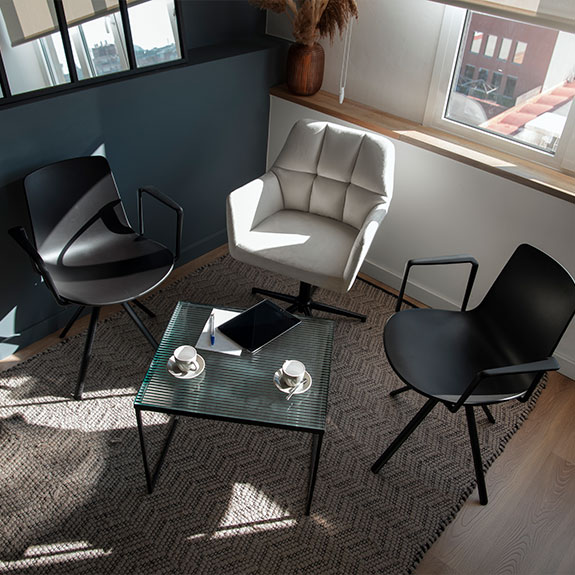
Reduce Clutter with Storage Solutions
Implementing smart storage solutions is a key strategy for reducing clutter and maintaining an organized and functional environment.
By incorporating furniture with built-in storage, using vertical and hidden storage solutions, and making the most of the available space for storing items, you can effectively minimize clutter and keep your living space looking clean and tidy.
From investing in versatile furniture that serves dual purposes to incorporating storage elements into the overall design of the space, the deliberate and strategic use of storage solutions not only helps reduce the visual and physical impact of clutter but also contributes to creating a serene and open atmosphere in the space.
This, in turn, allows the space to effortlessly accommodate a variety of activities and functions without feeling cluttered or disorganized.
Maximize your space: do more with less
The principle of maximizing your space by doing more with less is at the heart of creating adaptable and versatile living environments.
By embracing the concept of multipurpose spaces and thoughtfully incorporating versatile design solutions, you can optimize the use of your available space and create an environment that accommodates a wide range of activities and functions without compromising on comfort, style, or visual appeal.
From the strategic selection of versatile and modular furniture to the integration of smart storage and design solutions, and the careful planning of layout and zoning techniques, every element of your space is meticulously chosen to ensure it serves multiple purposes and contributes to a cohesive and adaptable living environment.
This approach not only allows you to make the most of the available space, but also offers you a thoughtful, customized design solution that reflects your unique lifestyle and preferences.
Conclusion
In conclusion, converting your home into multi-purpose spaces is a practical and effective way to make the most of limited living space.
By identifying your needs, choosing versatile furniture, and strategically using lighting and color, you can transform your home into a versatile and adaptable space.
With proper planning and organization, you can seamlessly integrate different activities and functions within the same space, creating a comfortable and functional living experience.
Incorporating multipurpose spaces into your home not only maximizes your space but also adds flexibility and comfort to your daily life.
What are multifunctional spaces in a home?
Multifunctional spaces are areas designed to serve multiple purposes within the same environment, such as a living room that also functions as an office or dining room. They allow you to make the most of your space and adapt to different daily needs.
What kind of furniture is best suited for multifunctional spaces?
The best furniture is versatile and modular, such as sofa beds, folding tables, fold-down beds, or furniture with built-in storage. These pieces make it easy to change the function of a space without sacrificing comfort.
How can you divide spaces without doing any construction work?
You can define different areas using rugs, open shelving, lighting, or furniture placement. These solutions allow you to separate spaces without having to build walls or sacrifice open floor space.
How can you keep a multifunctional space tidy?
The key is to use vertical and hidden storage, such as tall shelves, furniture with built-in compartments, or drawers. This helps prevent clutter and keeps the space clean and organized.
What colors and lighting work best in multifunctional spaces?
Neutral, cohesive colors are recommended to create a sense of unity in the space, combined with different types of lighting (ambient, task, and decorative) to define areas and create distinct atmospheres.