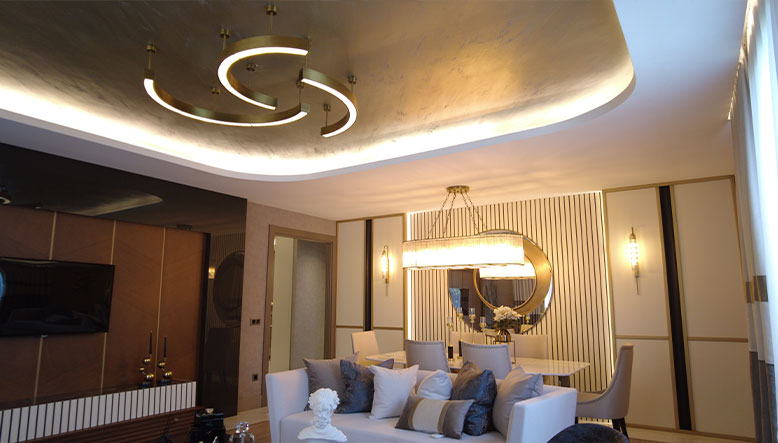
LED lighting has revolutionized interior design, offering a perfect combination of style, energy efficiency, and versatility. With its ability to adapt to different environments and needs, LED lighting is an essential tool for transforming any space in the home.
Not only does it offer a more sustainable and cost-effective way to light a room, but its sleek and compact designs make it easy to integrate into any decorative style. In this article, we will explore the many advantages of LED lighting and how it can transform your living spaces with style and efficiency.

Energy Efficiency Revolution
In recent years, the integration of LED lighting has revolutionized the way we illuminate our living and working spaces, offering a perfect blend of style, energy efficiency, and versatility. The use of LED technology in interior design has become increasingly popular due to its ability to adapt to various functional and ambient needs, making it an essential tool for transforming any home or commercial space.
One of the most significant advantages of LED lighting is its exceptional energy efficiency, consuming up to 80% less energy than traditional incandescent bulbs. This remarkable efficiency not only leads to significant energy cost savings, but also reduces the overall carbon footprint, making it an environmentally friendly choice for conscious consumers.
The durability of LED lights is evident in their impressive lifespan, which often exceeds 25,000 hours. This extended lifespan not only reduces the frequency of replacement, contributing to a more sustainable approach to lighting, but also offers long-term cost savings to homeowners and businesses. The combined benefits of extended lifespan and energy efficiency make LED lighting an attractive option for those seeking to reduce maintenance and environmental impact while enjoying long-lasting, high-quality lighting in their spaces.
Beyond their energy-saving and sustainability features, LED lights have become a key component in the development of smart lighting systems. The seamless integration of LED technology with smart home devices and lighting control systems has further enhanced their appeal. Through wired and wireless systems, they provide users with a high level of convenience, control, and customization.
These smart systems not only enable remote access and scheduling of lighting activities, but also allow for the adjustment of brightness levels and color temperatures, enabling users to customize their lighting experiences to suit various activities and moods, ultimately improving the overall functionality and adaptability of LED lighting in various environments.
Versatile and elegant designs
LED lighting has redefined the scope of design possibilities, offering a versatile and elegant solution for enhancing interior spaces. Available in a wide range of color temperatures, from warm white to cool white, as well as vibrant colors, LED lights can effortlessly create different atmospheres, from cozy and inviting to cool and stimulating.
This flexibility makes them an ideal choice for a variety of settings, including residential, commercial, and architectural spaces. The compact, space-saving form factor of LED luminaires, such as recessed lights, strips, and panels, allows for seamless integration into various design elements, such as furniture, cabinets, and decorative features, while maintaining an elegant and discreet profile.
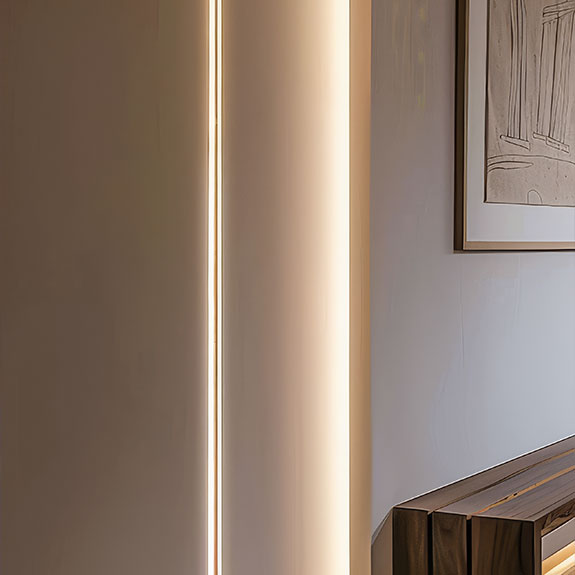
In addition, the focused lighting options offered by LEDs, such as dimmable spotlights and accent lights, allow specific areas or decorative elements to be highlighted with precision, adding a touch of drama and visual interest to the overall design. Used to illuminate artwork, textured wall coverings, or architectural details, LED lighting enhances the aesthetic appeal of any space, creating a compelling visual narrative and a play of light and shadow that adds depth and character to interiors.
Plan lighting in layers
When integrating LED lighting into interior spaces, it is essential to consider the concept of layered lighting, which involves strategically combining different types of lighting to achieve a balanced and versatile lighting scheme.
Layered lighting encompasses three main components: ambient lighting, task lighting, and accent (decorative) lighting, each of which serves a different purpose to enhance the functionality and visual appeal of a space.
By carefully selecting and positioning LED luminaires to meet these lighting objectives, designers and owners can effectively transform their spaces, tailoring lighting to facilitate various activities and evoke a desired mood or atmosphere.
Task lighting, ambient lighting, and decorative lighting
Task lighting, such as LED strips under kitchen cabinets or desk lamps in the study, is designed to provide focused lighting for specific tasks, ensuring optimal visibility and comfort for activities such as reading, cooking, or working.
Ambient lighting, which includes overhead fixtures and recessed spotlights, provides general illumination throughout the area, promoting a sense of spaciousness and balance. Complementing this, decorative lighting, which includes LED wall sconces and illuminated display cases, serves to accent and highlight certain elements, adding a level of visual interest and sophistication to the overall interior design.
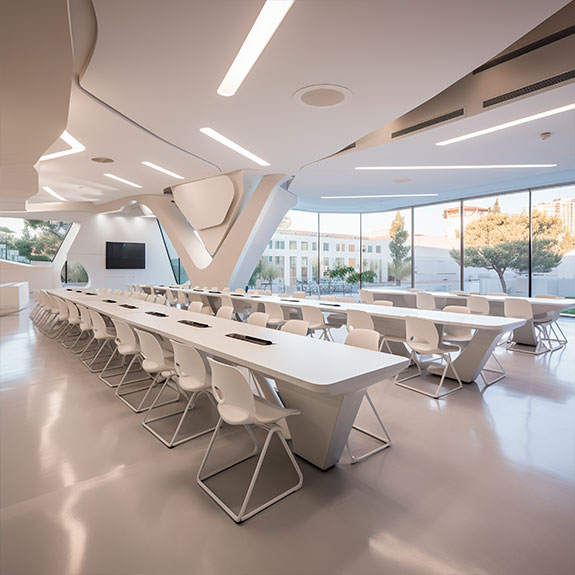
By carefully orchestrating these layers of lighting, people can enhance the functionality and ambiance of a room, balancing the intensity and level of light to meet different needs throughout the day.
For example, in the dining room, homeowners can create a warm and inviting atmosphere for meals by using dimmable pendant lights, while also incorporating accent lighting to highlight decorative elements within the space, such as an eye-catching chandelier or an ornamental gallery wall.
Create welcoming or stimulating environments
One of the most powerful applications of LED lighting lies in its ability to manipulate the atmosphere and mood of a space. Taking advantage of the wide range of color temperatures, from soft and cozy warm whites to stimulating and crisp cool whites, as well as vibrant hues, LEDs offer unprecedented control over the visual and emotional impact of interior lighting.
This adaptability allows people to customize lighting to suit specific activities, times of day, or personal preferences, enabling them to create a wide variety of moods within the same space.
For example, in a residential bedroom, the soft glow of warm white LED light can foster a calming and relaxing environment conducive to restful sleep, while introducing cooler white tones in the morning can help energize and awaken the senses.
Del mismo modo, en una oficina doméstica o en un estudio creativo, el uso de una iluminación LED brillante de espectro diurno puede estimular la concentración y la productividad, proporcionando el entorno ideal para la concentración y la inspiración. Esta capacidad de modular el ambiente permite a las personas optimizar su entorno para distintas funciones, ya sea organizar reuniones, dedicarse al ocio o trabajar y estudiar.
Smart lighting for personalized spaces
The intersection of LED technology and intelligent lighting control has given rise to innovative solutions that offer unparalleled opportunities for customization in interior lighting design.
Smart LED systems, integrated with mobile apps and voice-activated devices, provide users with precise control over their lighting environment, allowing them to easily and conveniently adjust the intensity, color, and scheduling of their lights.
This level of control and flexibility is not only in line with the contemporary trend toward personalized and adaptive living, but also optimizes energy efficiency and indoor lighting functionality, adapting to individual preferences and daily routines.
In addition, the harmonious fusion of LED lighting and smart technology facilitates the creation of scalable, scene-specific lighting settings, allowing users to set predefined moods and lighting scenes with a simple command or automation.
Whether it’s dimming and warming the lights for an intimate movie night or illuminating the space with vibrant colors for a lively social gathering, smart LED lighting allows people to effortlessly transition from one lighting scenario to another, enriching their overall living experience and offering seamless integration of light, design, and lifestyle.
Adjust the intensity and color
Advanced LED systems equipped with dimmable white and full spectrum capabilities allow users to precisely control the intensity and color of their lighting to suit various requirements and preferences.
By adjusting the color temperature of light, people can influence the mood and perception of a space, harnessing the expressive power of light to enhance the visual appeal and functionality of their interiors.
In addition, the ability to adjust light intensity allows users to tailor the environment to their specific needs, whether it’s creating an energizing workspace, a cozy reading nook, or a romantic setting for dinner, highlighting the potential of LED lighting to adapt and transform in harmony with the dynamics of everyday life.

In addition, the seamless integration of LED lighting with circadian rhythm-based controls helps optimize indoor lighting to match natural day and night cycles.
By replicating the varying intensities and color temperatures of natural light throughout the day, these adaptive systems help improve circadian health, productivity, and overall well-being, reflecting the growing recognition of the vital role of lighting in shaping human environments and experiences.
Improving functionality and sustainability
In addition to their aesthetic and environmental contributions, LED lighting solutions offer significant improvements in the functionality and sustainability of interior spaces.
From a practical standpoint, the focused and efficient lighting provided by LED luminaires facilitates the smooth execution of tasks and activities, promoting an optimal and comfortable environment for work, leisure, and daily routines.
In commercial and industrial settings, the precise and powerful lighting capabilities of LEDs are essential for ensuring safety, productivity, and operational efficiency, and play a role in creating well-lit and functional workspaces.
At the same time, the sustainable impact of LED lighting is underscored by its substantial reduction in energy consumption and environmental footprint. The use of LEDs in conjunction with intelligent control systems, such as occupancy sensors and daylight harvesting functions, amplifies their energy-saving potential, maximizing efficiency and minimizing waste of resources.
This, in turn, translates into tangible benefits for the overall sustainability and resilience of indoor environments, aligning with the principles of conservation, responsible resource management, and environmentally friendly design.
Reflecting personal style
Incorporating LED lighting into interior design not only offers technical and functional advantages, but also provides an opportunity to reflect and articulate personal style and taste. The wide range of LED luminaire designs, ranging from minimalist and contemporary to bold and artistic, allows people to select and customize their lighting options in line with their unique aesthetic vision and functional preferences.
Whether choosing sculptural pendant lamps as decorative pieces or integrating subtle recessed lighting to create a modern, seamless ambiance, LED lighting provides the means to enhance and personalize the visual narrative of a space, echoing the personality and discerning sensibility of its occupants.
Furthermore, the creative integration of LED technology with architectural and interior elements, such as backlit walls, illuminated ceilings, and illuminated display niches, serves to elevate the design language of a space, infusing it with a sense of sophistication, innovation, and modernity.
By harnessing the expressive and transformative capabilities of LED lighting, people have the opportunity to infuse their interiors with a distinctive and memorable ambiance that speaks to their personal style and aspirations, making a compelling statement about their lifestyle, design preferences, and perceptive commitment to the spaces they inhabit.
Conclusion
In conclusion, the use of LED lighting has revolutionized interior design, offering a perfect combination of style, energy efficiency, and versatility. Its ability to adapt to different environments and needs makes it an essential tool for transforming any space in the home.
With its wide range of options, LED lighting not only enhances the aesthetics of a room, but also improves its functionality and sustainability, reflecting the personal style and preferences of the owner.
Mediante técnicas de iluminación por capas e inteligentes, es posible crear ambientes personalizados y con estilo, al tiempo que se ahorra energía y se reduce el impacto medioambiental. La iluminación LED tiene realmente el poder de transformar los espacios en refugios eficientes, modernos y personalizados.
Why is LED lighting ideal for interior decoration?
Because it combines energy efficiency, durability, and versatile designs that adapt to any decorative style.
What advantages does LED lighting offer over traditional light bulbs?
It consumes up to 80% less energy, has a service life of over 25,000 hours, and reduces its environmental footprint.
How can LED lighting be used to create different atmospheres?
By adjusting the color temperature and light intensity, you can create cozy, stimulating, or personalized environments.
What is layered LED lighting?
It is the combination of ambient, task, and decorative lighting to achieve a balance between functionality and aesthetics.
Can LED lighting be integrated with smart systems?
Yes, it is compatible with mobile apps and voice assistants, allowing you to control brightness, color, and scheduling remotely.