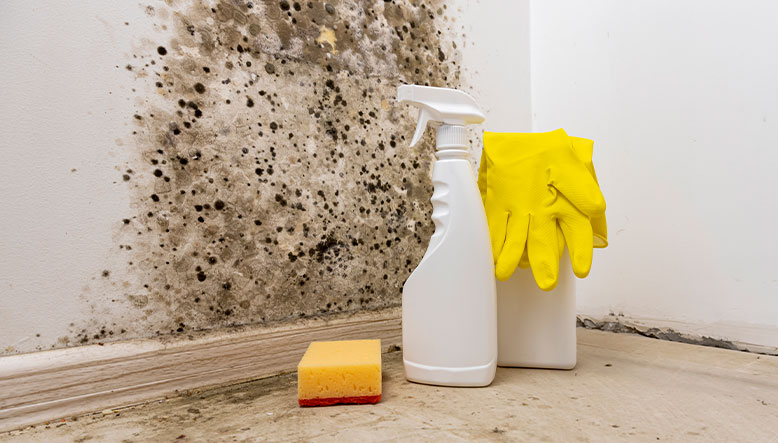
If not addressed promptly, heavy and prolonged rainfall can create the perfect conditions for mold growth in the home, posing a threat to health and property.
To effectively prevent and combat mold after weeks of heavy rain, it is important to take practical and timely measures.
Some of these include quickly and thoroughly drying the affected areas, improving ventilation and humidity control, removing contaminated materials, and regularly cleaning surfaces with a diluted bleach solution.
By applying these solutions, you will not only be able to eliminate existing mold, but also prevent it from reappearing, ensuring a healthy and safe indoor environment.

Improve ventilation and control humidity
When dealing with the threat of mold after weeks of heavy rain, it is crucial to address the issue of ventilation and humidity control in the home.
One of the key steps in this regard is to improve overall ventilation in living areas. This can be achieved by strategically opening windows and doors when the weather permits, and by using extractors and ventilation systems to increase air circulation.
In addition, using a dehumidifier can be essential for reducing humidity levels in indoor environments, creating a less favorable environment for mold growth.
Along with these measures, it is essential to maintain indoor humidity levels below 50% to effectively inhibit mold growth and ensure a healthier living environment.
Another fundamental aspect in the fight against mold is the rapid and complete drying of any area or material that has been exposed to water.
This involves quickly drying carpets, furniture, and other possessions that may have absorbed moisture, as well as treating any dampness in walls and floors.
Esto implica secar rápidamente alfombras, muebles y otras pertenencias que puedan haber absorbido humedad, así como tratar cualquier humedad en paredes y suelos.
By proactively managing ventilation and humidity levels in the home, and quickly addressing any water-related issues, it is possible to significantly reduce the likelihood of mold growth and its associated complications.
Disposal of contaminated materials
After a period of prolonged heavy rainfall, it is essential to assess the condition of various materials inside the home and take decisive action to remove those that have been extensively affected by water and constitute potential breeding grounds for mold.
This involves removing porous materials such as carpets, drywall, and insulation that have been wet for an extended period and cannot be effectively cleaned and dried.
By quickly and effectively removing these contaminated materials, it is possible to mitigate the risk of persistent mold problems and safeguard the overall integrity of living areas.
These preventive measures are crucial to stop mold from taking root and aggravating existing moisture problems in the home.
After sustained heavy rainfall, the rapid and strategic removal of any material that has been compromised by water and is prone to retaining moisture is a crucial step in preventing mold growth.
This includes the timely removal and disposal of items such as carpets, upholstery, and any other porous materials that have been affected by water infiltration or flooding.
If this problem is addressed quickly and thorough drying and remediation processes are implemented, it is possible to prevent mold growth and preserve the long-term structural and aesthetic condition of the home.
In addition, the adoption of moisture- and mold-resistant materials in areas prone to water exposure, such as basements and bathrooms, can serve as a proactive approach to strengthening the home against the potential impact of excessive moisture and the associated risk of mold growth.
Cleaning surfaces affected by mold
When mold is discovered on hard surfaces in the home, it is essential to act immediately and specifically to eliminate the infestation and prevent it from reappearing.
Using a household bleach solution, specifically one cup of bleach mixed with one gallon of water, can effectively eradicate mold from hard surfaces.
It is crucial to be careful and avoid using bleach and ammonia at the same time, as combining these substances can produce dangerous fumes.
Thoroughly scrubbing the affected areas with the bleach solution, followed by a thorough drying process, can substantially reduce the presence of mold and inhibit its reappearance.
By diligently tackling mold infestations in a systematic and thorough manner, it is possible to maintain a healthy and hygienic indoor environment and avoid the potentially adverse consequences of prolonged exposure to mold.
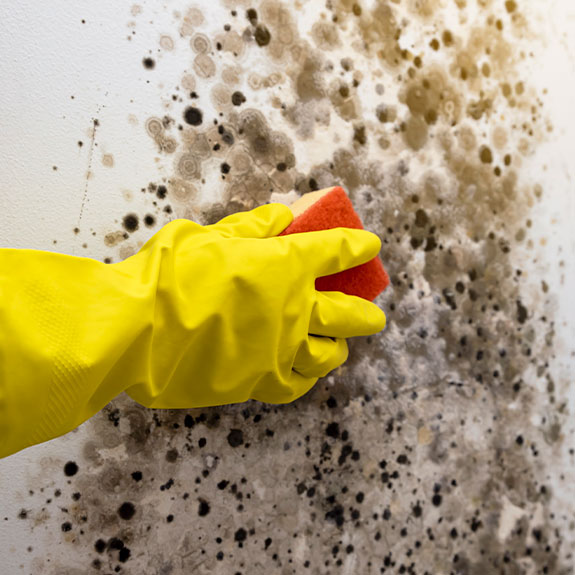
When mold is detected on non-porous surfaces, prompt and methodical cleaning is essential to prevent its spread and safeguard the integrity of the affected areas.
This can be achieved by using a water solution and a suitable mold remover, or by using a detergent specifically formulated to eradicate mold.
Scrubbing the affected surfaces with mold remover and ensuring that the areas are completely dry afterward can effectively prevent mold from spreading and contribute to a safer and more hygienic living environment.
In the event of mold infestation in porous materials, such as carpets or upholstery, it is often necessary to have them professionally cleaned or, in some cases, completely replaced in order to thoroughly resolve the mold problem and prevent its recurrence.
By maintaining a vigilant and proactive approach to cleaning and treating surfaces affected by mold, it is possible to maintain a healthy, mold-free indoor environment.
Continuous prevention
Prevention is key in the battle against mold, especially after prolonged heavy rains.
Constantly monitoring and regulating indoor humidity levels, promptly addressing any water leaks or seepage, and maintaining a well-ventilated environment are essential measures for preventing mold growth.
The strategic use of exhaust fans, regular inspection and repair of potential water entry points, and the application of proper insulation and vapor barriers can further strengthen a home’s defenses against mold growth.
In addition, the careful selection and use of building materials and household products that are inherently mold-resistant can serve as a proactive and sustained approach to safeguarding the home from moisture-related vulnerabilities and the attendant dangers of mold growth.
Effective ventilation, prompt rectification of any water damage, and proactive management of indoor humidity levels are crucial components of a comprehensive strategy to prevent mold growth, especially after sustained heavy rainfall.
In addition to these efforts, implementing routine inspections and maintenance procedures, such as monitoring the functionality of ventilation systems and regularly cleaning and maintaining areas that are potentially prone to mold, can contribute to the ongoing preservation of a healthy, mold-free living environment.
On the other hand, knowing the signs of potential mold problems and responding quickly to any indications of this type can further strengthen the home’s resistance to mold-related complications and enhance the overall well-being and safety of indoor spaces.
Quick and proper drying of affected areas
Quick and thorough drying of any area or material that has been compromised by water is essential in the battle against mold growth, especially after heavy rain.
This involves quickly and effectively addressing any water damage, drying out affected structures, and promptly managing humidity levels in the indoor environment.
In the event of leaks or flooding, the rapid use of industrial-grade drying equipment, the strategic placement of fans and dehumidifiers, and improved overall ventilation can facilitate the expeditious drying of affected areas.
By initiating rapid and thorough drying processes, it is possible to substantially reduce the potential for mold growth and contribute to the restoration of a healthy and safe indoor environment.
After significant exposure to water, rapid and thorough drying of the affected areas and materials is essential to prevent the onset and worsening of mold problems.
This process includes the meticulous drying of carpets, furniture, and other objects that have been in contact with water, as well as the thorough drying of structural elements of the home that may have suffered water damage.
The strategic deployment of high-speed air equipment, the application of specific drying techniques, and meticulous control of humidity levels can facilitate rapid and thorough drying of affected areas.
By promptly addressing water-related concerns and initiating rapid and effective drying processes, it is possible to significantly mitigate the likelihood of mold growth and preserve the overall integrity and safety of the indoor environment.
When prolonged and heavy rainfall occurs, quickly and thoroughly drying any area or material exposed to water is a crucial step in combating the potential ramifications of mold growth.
The rapid deployment of industrial dehumidifiers, thorough drying of carpets and furniture, and meticulous management of humidity levels in the indoor environment help to quickly mitigate the risks of mold.
By promptly addressing water-related issues and initiating thorough and rapid drying processes, it is possible to foster a resilient and healthy indoor atmosphere, thereby mitigating the potential impact of mold and its associated complications on the overall well-being and safety of residents.
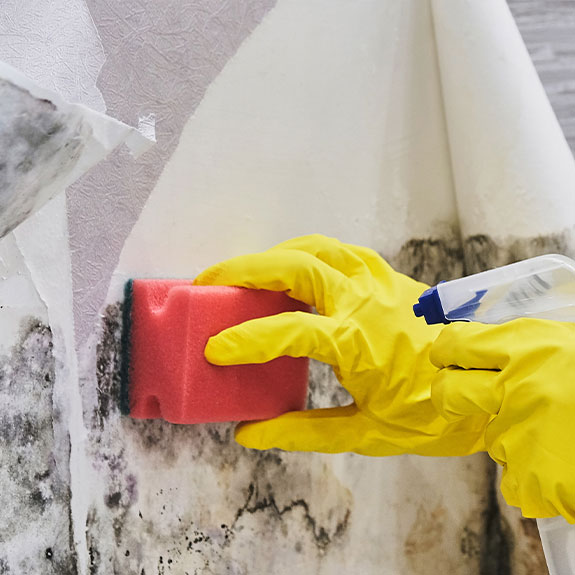
Use of fans, dehumidifiers, and mold cleaning with diluted bleach
The strategic use of fans, dehumidifiers, and diluted bleach solutions plays a key role in the comprehensive management and eradication of mold threats after extensive and prolonged rainfall.
The strategic deployment of fans and ventilation systems can significantly improve overall air circulation in living areas, facilitating the rapid removal of excess moisture and inhibiting mold growth.
At the same time, the specific use of dehumidifiers can effectively mitigate ambient humidity levels, creating an environment less conducive to the development and continued growth of mold.
In the event of mold infestation on hard surfaces, the specific application of a bleach and water solution can serve as an effective means of eradicating mold and preventing its reappearance, thus contributing to the establishment of a healthier and more hygienic indoor environment.
The timely and strategic use of fans and dehumidifiers, together with the specific application of anti-mold solutions, represents a multifaceted and effective approach to controlling and eradicating mold threats within the home.
This multifaceted strategy encompasses proactive management of environmental humidity levels, rapid and thorough drying of potentially affected areas, and systematic and targeted cleaning of surfaces affected by mold.
By applying a comprehensive and synergistic approach to mold management, it is possible to significantly reduce the potential for mold growth and cultivate a safer, healthier, and more comfortable indoor environment for the people who live in the building.
Removal of wet plasterboard and insulation
In the event of water damage and the resulting mold growth, the rapid and thorough removal of damp plasterboard and insulation is a crucial step in curbing the extent of the mold problem and mitigating its potential repercussions.
The strategic removal and disposal of these materials, especially in cases of substantial exposure to water or prolonged damp conditions, is essential to prevent the reappearance and spread of mold in the affected areas.
By systematically removing these water-damaged materials in a timely and thorough manner, it is possible to prevent further moisture retention and inhibit the potential for additional mold growth, thereby preserving the overall integrity and well-being of living areas.
The rapid removal and replacement of wet drywall and insulation is a fundamental aspect of comprehensive mold management following water-related incidents.
This process involves the systematic removal of these water-damaged materials, followed by the application of thorough drying and remediation procedures to prevent mold regrowth and safeguard the integrity of the affected areas.
By expediting the removal of these contaminated materials and establishing comprehensive drying and repair measures, it is possible to significantly mitigate the potential for persistent mold problems and create a safer, healthier, and more resilient living environment for the occupants of the home.
Drying of carpets, furniture, and clothing in 24-48 hours
Quick and thorough drying of carpets, furniture, and clothing within 24-48 hours is essential to prevent the possible appearance and development of mold problems after prolonged and intense rainfall.
This rapid and thorough drying process is essential to mitigate the impact of any exposure to water and prevent the possibility of moisture-related complications, including mold growth.
By speeding up the drying and restoration of these elements, it is possible to remove any remaining moisture and reduce the likelihood of subsequent mold growth, thereby promoting a healthier and more sustainable indoor environment for residents.
When experiencing prolonged and heavy rainfall, timely and thorough drying of carpets, furniture, and clothing within 24-48 hours is a critical proactive measure to address and prevent potential mold-related problems.
The rapid removal of moisture from these elements is essential to prevent mold growth and preserve the overall integrity and hygiene of living areas.
By proactively engaging in timely drying processes and thorough restoration of these materials, it is possible to significantly reduce the potential for mold-related problems to persist and cultivate a more resilient and healthier indoor atmosphere for the occupants of the home.
Conclusion
In conclusion, the key to preventing and combating mold after weeks of heavy rain is through practical solutions.
These include properly drying the affected areas, improving ventilation and controlling humidity, removing contaminated materials, and regularly cleaning surfaces with a diluted bleach solution.
It is also important to repair any leaks and constantly maintain a moisture-free environment to prevent future mold growth.
By following these practices, you can effectively combat mold and maintain a healthy and safe living space.
Why does mold appear after prolonged heavy rains?
Prolonged rainfall increases indoor humidity and can cause leaks or condensation. When humidity exceeds 50-60% and does not dry out within 24-48 hours, ideal conditions are created for mold to grow on walls, ceilings, furniture, and textiles.
How to remove mold from walls and hard surfaces?
For non-porous surfaces, you can use a diluted bleach solution (1 cup per 4 liters of water). Scrub the affected area, rinse if necessary, and dry thoroughly. It is important not to mix bleach with ammonia and to ventilate the area well during the process.
How long do I have to dry wet carpets and furniture?
Ideally, they should be dried within 24 to 48 hours. Use fans, dehumidifiers, and open windows if the weather permits. If they are not dried properly within that time, the risk of mold growth increases considerably.
Is it necessary to remove wet drywall or insulation?
Yes, if they have remained damp for several days. Porous materials such as plasterboard, insulation, or carpeting retain moisture and can become permanent sources of mold. In such cases, it is safest to remove and replace them.
How can mold be prevented from reappearing after flooding or heavy rain?
To prevent mold from returning:
Keep indoor humidity below 50%.
Use dehumidifiers and ventilation systems.
Repair leaks and drips immediately.
Clean and check gutters and exterior drains.
Perform regular inspections in areas prone to moisture.