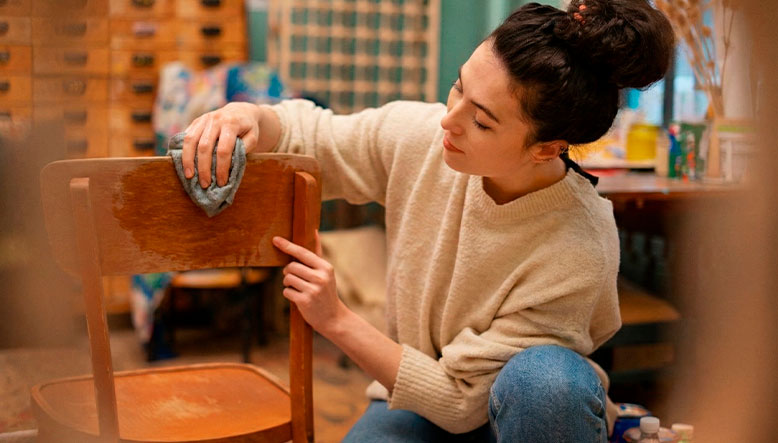
Preventing moisture in closets and furniture introduces simple solutions to common problems such as mold and moisture damage in closets and furniture.
With proper ventilation, dehumidifiers, and regular maintenance, it is possible to protect the structure of these items and the objects they store.
By implementing these methods, you can effectively control the problem of humidity, promoting a healthier and more functional living space.

Improve ventilation
Improving ventilation is a crucial strategy for preventing and eliminating moisture in closets and furniture. One of the main culprits of excess moisture in enclosed spaces is the lack of adequate air circulation.
It is essential to ensure that air can flow freely to maintain a dry and cool environment.
To achieve this, leaving the closet doors open for a few minutes each day or installing small ventilation grilles can make a significant difference.
In addition, keeping the windows in rooms open can help reduce overall humidity, contributing to a more favorable indoor atmosphere.
Ensuring adequate ventilation in closets and furniture not only prevents moisture buildup, but also inhibits the growth of mold and unpleasant odors.
This simple but effective measure can go a long way toward preserving the quality and longevity of your clothing and other stored items.
By prioritizing good ventilation, you are taking a proactive step toward maintaining a clean and healthy living space, free from the harmful effects of excess moisture.
Use of dehumidifiers and moisture absorbers
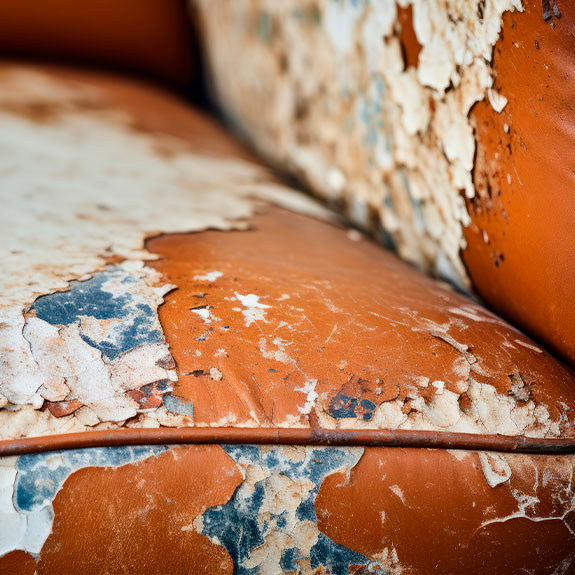
The use of dehumidifiers and moisture absorbers is a very effective approach to combating excess moisture in closets and furniture.
Dehumidifiers are specialized devices designed to reduce the moisture content in the air.
There are several types of dehumidifiers, including electric models and non-electric options that use absorbent materials, such as hygroscopic crystals, to attract moisture and facilitate the condensation process.
These devices can be especially valuable in small enclosed spaces such as closets, cupboards, or laundry rooms, where humidity levels tend to rise.
In addition to dehumidifiers, integrating moisture-absorbing substances into your storage areas can significantly contribute to maintaining a balanced humidity level.
Products such as silica, activated carbon, and even simple solutions such as baking soda act as natural moisture absorbers.
Strategically placed in closets and furniture, these absorbents minimize excess moisture, inhibit mold growth, and neutralize unpleasant odors.
By taking advantage of the moisture-absorbing properties of these materials, you can effectively combat the damaging impact of high humidity on your clothing and belongings.
Air drying clothes
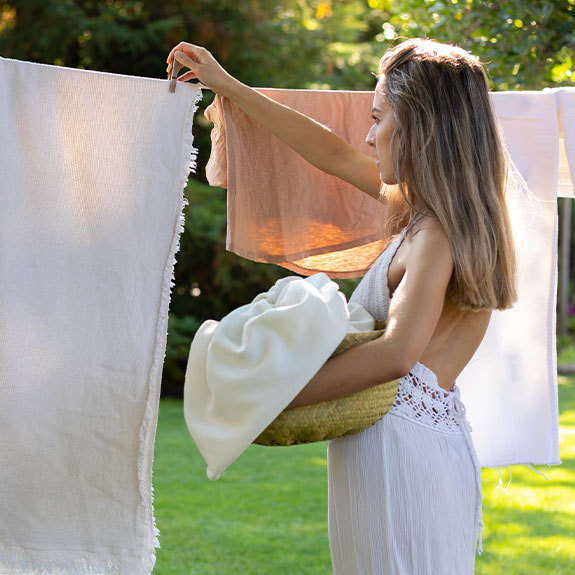
Choosing to dry clothes outdoors is an excellent way to minimize indoor humidity levels and prevent associated problems.
Using natural air and sunlight to dry your laundry not only saves energy, but also significantly reduces the humidity that can build up indoors, especially in enclosed areas such as closets.
When possible, hang clothes in well-ventilated outdoor areas to speed up the drying process and facilitate moisture release.
This simple yet effective method is a sustainable way to control indoor humidity and maintain a cool, dry environment for your clothes and other stored items.
By allowing your clothes to dry naturally, you are actively helping to prevent excessive humidity indoors, which can cause a number of problems such as musty odors, mold growth, and fabric deterioration.
Adopting the practice of air drying your clothes is a practical and eco-friendly solution that not only promotes a healthier indoor environment, but also improves the overall quality and longevity of your clothes and belongings.
Making this conscious decision in your laundry routine is a proactive step toward maintaining optimal indoor humidity levels and preserving the condition of your clothes and other items.
Avoid excessive heating
Limiting the use of excessive heating in indoor spaces is essential to prevent rising humidity levels and associated complications.
Overheating can cause moisture to condense on colder surfaces, creating an environment conducive to mold growth.
To mitigate this, it is important to regulate temperature and heating settings, especially in areas where humidity control is crucial, such as closets and storage rooms.
By maintaining a moderate and balanced temperature, you can effectively minimize the risk of condensation and its harmful effects on stored items and the indoor environment in general.
Being mindful of heating practices in your home, and making a concerted effort to avoid excessive heat, is a simple but powerful way to control indoor humidity.
This conscientious approach not only helps preserve the structural integrity and condition of your stored furniture and belongings, but also contributes to creating a more comfortable and healthy living space.
By prioritizing temperature regulation and avoiding unnecessary heating, you are taking proactive steps to prevent the adverse effects of high humidity and maintain an optimal indoor environment.
Home remedies
Exploring natural and home remedies can offer valuable solutions for effectively managing moisture in closets and furniture.
For example, using substances such as chalk, which has moisture-absorbing properties, can be a simple and inexpensive way to combat excess moisture.
Placing chalk in small cloth bags and strategically distributing them throughout storage areas can help absorb and retain moisture, ultimately contributing to a drier and fresher environment.
Another natural remedy is the use of baking soda, a versatile substance known for its odor-neutralizing and moisture-absorbing properties.
By placing open containers of baking soda in cabinets and furniture, you can effectively mitigate unpleasant odors and minimize the impact of excess moisture.
These eco-friendly, non-toxic home remedies offer practical and sustainable ways to promote a healthy, moisture-free environment in your living spaces.
Regular maintenance and cleaning
Consistent maintenance and regular cleaning play a key role in preventing and solving problems related to moisture in cabinets and furniture.
Taking a proactive approach by regularly inspecting and cleaning the inside of closets, as well as stored clothing and items, can help identify and resolve potential sources of moisture buildup.
Using a mixture of white vinegar and water to clean surfaces and neutralize odors is an effective and natural method for inhibiting the growth of mold and bacteria.
In addition, ensuring that clothes and other items are completely dry before storing them is essential to prevent moisture buildup.
By prioritizing thorough drying and incorporating regular cleaning routines, you can proactively maintain a dry and hygienic environment inside your closets and storage spaces.
By prioritizing thorough drying and incorporating regular cleaning routines, you can proactively maintain a dry and hygienic environment inside your closets and storage spaces.

Avoid factors that increase humidity
Being aware of everyday practices that can inadvertently contribute to higher humidity levels is crucial to effectively managing the moisture content in your home.
For example, the habit of drying clothes indoors, especially in enclosed spaces, can significantly increase indoor humidity.
Whenever possible, choose to dry your clothes outside to minimize the impact of laundry moisture on the indoor environment.
In addition, minimizing overwatering of indoor plants and ensuring proper drainage can help reduce overall humidity levels in your living spaces.
If you are aware of these factors and make informed decisions, you can actively contribute to maintaining optimal humidity levels and preventing the adverse effects of excess moisture on your furniture, clothing, and the indoor environment in general.
Installation of ventilation grilles
Integrating ventilation grilles or air vents into cabinets and furniture is a strategic measure that facilitates air circulation and helps control humidity.
These strategically placed grilles help create a more open and well-ventilated environment in storage areas, reducing the chances of moisture buildup and associated problems.
By incorporating ventilation grilles, you proactively increase airflow and promote a drier, fresher environment in your closets and cabinets, ultimately contributing to the preservation of your stored belongings and overall indoor air quality.
Choosing to install ventilation grilles in strategic locations in your closets and furniture is a proactive step toward maintaining proper air circulation and humidity management.
This simple but effective modification can have a significant impact on preventing moisture buildup and creating a more conducive environment for preserving your clothes, accessories, and other stored items.
By integrating the installation of ventilation grilles, you are actively investing in the long-term protection and maintenance of your cabinets and furniture, promoting a more hygienic and pleasant living space.
Use of silica gel and sodium bicarbonate
Adding silica gel and baking soda as moisture absorbers in your closets and furniture is a smart and effective way to combat excess moisture.
Silica gel, with its desiccant properties, absorbs and retains moisture, thus contributing to a more balanced humidity level in storage areas.
Similarly, baking soda, a versatile and natural substance, can be used to neutralize odors and absorb excess moisture, promoting a fresher and drier environment for your stored items.
By strategically placing silica gel packets and open containers of baking soda in your closets and furniture, you can take advantage of these materials’ moisture-absorbing properties, effectively minimizing the impact of high humidity.
These affordable and easily accessible solutions offer practical and sustainable ways to control indoor humidity levels, helping to preserve your clothing, furniture, and overall indoor air quality.
Adopting the use of silica gel and sodium bicarbonate is a proactive step toward creating a more hygienic and comfortable living environment, free from the harmful effects of excess moisture.
Cleaning with white vinegar
Using white vinegar as a cleaning solution for your cabinets and furniture is a natural and effective method for neutralizing odors, inhibiting mold growth, and mitigating the impact of excess moisture.
The acetic acid present in white vinegar acts as a powerful antimicrobial agent, helping to eliminate odor-causing bacteria and preventing mold growth on surfaces and stored objects.
Using a mixture of white vinegar and water to clean the interior surfaces of your cabinets and furniture will create a hygienic, moisture-free environment, safeguarding the quality and integrity of your stored belongings.
This simple and environmentally friendly cleaning practice not only helps combat the adverse effects of excess moisture, but also contributes to creating a more pleasant and aromatic indoor atmosphere.
Incorporating white vinegar into your regular cleaning routine is a proactive and natural approach to maintaining a hygienic, moisture-free environment in your closets and furniture.
Conclusion
Hundreds of thousands of households struggle with excessive moisture in their closets and furniture, which can cause damage and unpleasant odors.
However, by applying simple solutions, such as improving ventilation, using dehumidifiers and home remedies, and taking everyday practices into account, this problem can be easily avoided and resolved.
Regular maintenance and cleaning also play a key role in preventing moisture buildup.
By taking these steps, you can keep your closets and furniture dry and mold-free, protecting both the structure and the items stored inside.
How can you prevent mold caused by humidity in closed cabinets?
The best way is to improve daily ventilation by leaving doors open for a few minutes and using absorbents such as silica gel or baking soda to reduce accumulated moisture.
Which dehumidifier is best for closets and furniture?
Compact dehumidifiers or models with hygroscopic glass work very well in small spaces, as they absorb moisture without the need for electricity.
What home remedies can be used to absorb moisture in furniture?
Some effective natural solutions include chalk in cloth bags, baking soda in open containers, and activated charcoal, which also eliminates odors.
Is it bad to store damp clothes in the closet?
Yes. Storing clothes without drying them completely is one of the main causes of dampness and mold. It is always a good idea to make sure they are completely dry before storing them.
How to clean a closet that smells musty?
A mixture of white vinegar and water is ideal for cleaning interior surfaces, eliminating bacteria, and preventing mold growth, leaving a fresher environment.