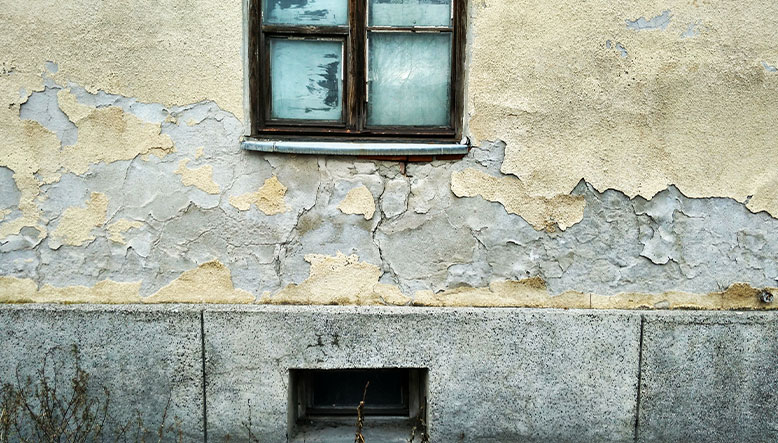
To maintain the structural integrity and appearance of a building, it is crucial to protect the lower parts of its façade from moisture.
It can be caused by various factors, and it is essential to identify the specific source in order to apply the appropriate solution.
From applying waterproofing treatments to regular maintenance and solving underground moisture issues, there are several measures that can be taken to protect the lower areas of a building’s façade from moisture. In this article, we will discuss these measures in detail.

Identify the source of moisture
Identifying the source of moisture on a building’s façade is a vital first step in formulating an effective strategy for its protection.
The most common sources of moisture ingress are rain infiltration, internal condensation, or rising damp from the ground.
Each of these sources presents unique challenges and solutions, so it is essential to pinpoint the source of the problem accurately.
For example, if the damp problem is due to rising damp, it will require different treatment methods than damp caused by outside rain or indoor condensation.
Recognising these specific sources is the basis on which all subsequent protective measures are built.
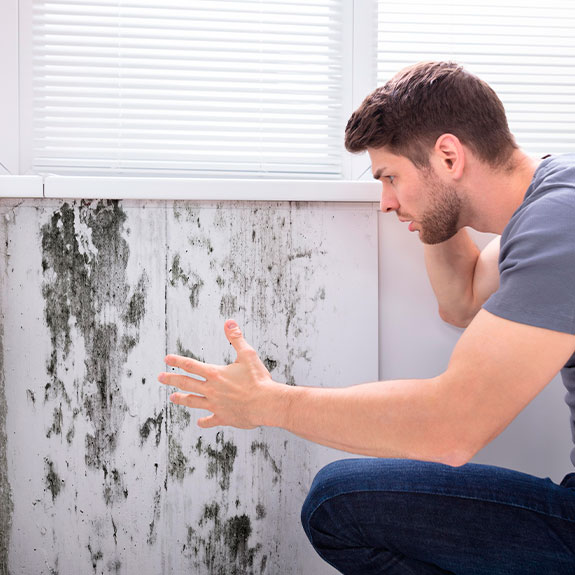
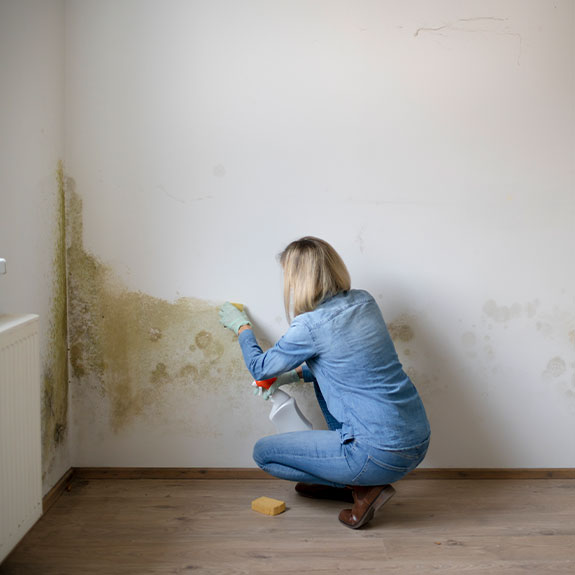
In many cases, the visibility of mould or water stains on interior walls may indicate ongoing damp problems.
Furthermore, in the case of exterior façades, the presence of peeling paint or disintegrated mortar may be a sign of excess moisture.
Although these visual indicators can guide homeowners towards the source of the problem, further investigation may be necessary, and in some cases professional assistance, to thoroughly identify the source of the problem and the best course of action.
Effectively addressing the source of dampness requires a multifaceted approach, taking into account the characteristics of specific building materials, the local climate, and the construction techniques employed.
A thorough understanding of these factors is essential in order to navigate the intricate ways in which damp can affect a building and, ultimately, to enable the implementation of specific and effective preventive and corrective measures.
Apply waterproofing treatments
Applying waterproofing treatments to a building’s façade is a proactive and essential step in protecting it from moisture-related damage.
When properly selected and applied, these treatments create a protective barrier that repels water and prevents it from penetrating masonry or other building materials.
The effectiveness of these treatments is based on their ability to prevent and stop moisture ingress, thereby slowing down the onset and progression of potential damage and deterioration of the structure.
When selecting waterproofing treatments, it is essential that the choice is suited to the specific type of façade material.
For example, a brick façade would have different treatment requirements than a stucco or concrete façade.
Furthermore, the effectiveness of treatments may depend on the formulation of the underlying materials, necessitating a well-informed and strategic approach to the product selection process.
Furthermore, these treatments must be applied accurately and in accordance with industry standards to ensure their optimal long-term performance.
Furthermore, the decision to apply a particular type of waterproofing treatment, such as a penetrating sealant or a water repellent for masonry, should be based on a thorough understanding of the advantages and limitations of each option.
This level of discernment is essential for optimising the durability and resistance of the chosen treatment, thus laying a firm foundation for the sustained protection of the building’s façade against inductive moisture and the problems it can cause.
Seal cracks and joints
Sealing cracks and joints in a building’s façade is essential for limiting moisture ingress and reinforcing the overall waterproofing of the structure.
These cracks and joints, often overlooked, can serve as conduits for water to penetrate and compromise the integrity of building materials.
By meticulously applying sealants to these vulnerable areas, owners can establish a formidable line of defence against moisture intrusion, thereby mitigating the harmful effects of water on the façade and internal structure.
The strategic and careful selection of sealants, tailored to the specific material and nature of the façade, is a key principle in creating a robust and durable seal against moisture penetration.
For example, acrylic or polyurethane sealants are often recommended for their ability to accommodate the natural thermal expansion and contraction of building materials, an essential attribute for maintaining the longevity and effectiveness of sealants.
In addition, reinforcing cracks and joints with suitable materials, such as fibreglass or rubber rods, together with the application of sealants, can serve to strengthen the resistance of protective barriers against the relentless force of moisture penetration.
It should be noted that the sealing process should not only be a corrective response to the appearance of cracks and joints, but a proactive and regular part of the overall maintenance regime for the building’s façade.
By systematically and repeatedly sealing these potential entry points, owners can prevent moisture-related damage from escalating and preserve the structural and aesthetic integrity of the building over a long period of time.
Install protective architectural details
The installation of protective architectural details, such as overhangs, canopies, or sloped elements, on a building’s façade is a strategic, design-oriented approach to improving its resistance to moisture ingress.
These architectural elements, which act as structural and functional parapets against the erosive forces of precipitation, can substantially reduce the façade’s susceptibility to the harmful effects of water.
By diverting and mitigating exposure to rain, these elements are essential for protecting the building from the ever-present and damaging dangers of moisture infiltration.
Furthermore, the effectiveness of these protective details is magnified when considered alongside a shrewd and holistic understanding of the environmental context and exposure of the building.
For example, in regions characterised by frequent and intense rainfall, the incorporation of robust and extensive protective architectural details takes on even greater importance as a bulwark against excessive and incessant rainfall.
Furthermore, the seamless integration of these elements into the overall design and structure of the façade is essential to optimise their functional and aesthetic contribution to strengthening the building against moisture-related problems.
By adopting a paradigm that intertwines architectural inventiveness with a proactive stance on moisture mitigation, owners can generate not only structurally and functionally sound protective measures, but also harmonious and viscerally compelling architectural expressions that increase the building’s resistance to the vicissitudes of precipitation and reinforce its enduring functionality and appearance.
Maintain gutters and downpipes
Meticulous and thorough maintenance of gutters and downpipes is an essential part of the overall campaign to insulate a building from the harmful effects of moisture ingress.
These components, which serve as conduits for effectively draining rainwater from the façade, are essential for mitigating the structure’s exposure to the corrosive and binding effects of sustained moisture accumulation.
By rigorously maintaining the operational integrity and functionality of these systems, owners can sustain a perennial and highly effective conduit for the dissipation of precipitation, thereby safeguarding the building from the insidious and relentless invasion of excessive moisture.
Regular and systematic inspection, cleaning, and maintenance of gutters and downpipes are essential to preserve their unfailing operational fluidity and strengthen their capacity as a bulwark against the harmful intrusions of rainwater.
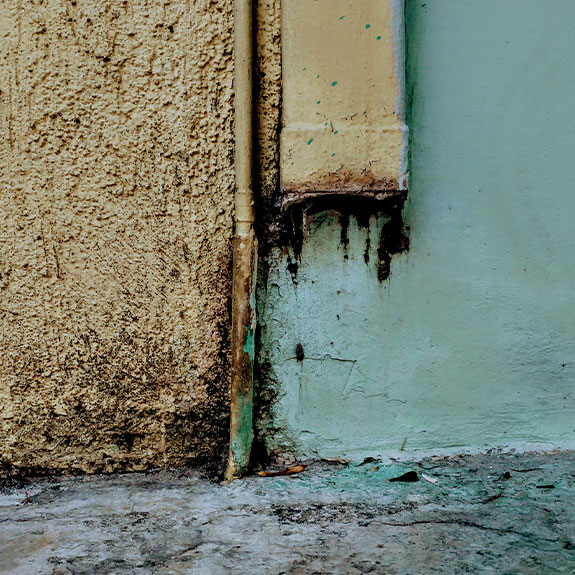
The removal of waste, organic debris and other obstructions from these conduits is a fundamental task, as their accumulation can cause blockages and overflow, thus compromising the structural and functional effectiveness of the moisture management system.
Furthermore, rectifying any anomalies or structural damage, such as misalignments or corrosion, is essential to maintaining the unwavering strength and operability of gutters and downpipes, thus perpetuating their instrumental role in strengthening the building against moisture intrusion.
Furthermore, the astute and insightful placement of downpipes, in harmony with the topography and hydraulic dynamics of the surrounding terrain, underscores their potential to optimally and efficiently channel collected rainwater, thereby minimising the latent risks of moisture accumulation and related structural damage.
By cultivating a symbiotic and synergistic relationship with these infrastructure elements, owners can engender a robust, durable, and uncompromisingly effective defence against the ancillary and binding hazards of precipitation, ensuring the inviolability and integrity of the building against moisture-induced detrimental effects.
Clean regularly
The search for a regular and diligent cleaning regime for the building’s façade is key to the overall effort to preserve its solid and aesthetically appealing appearance.
By removing accumulations of debris, organic waste, and atmospheric pollutants from the façade surface, owners can redeem and prevent the accumulation of substances that harbour and perpetuate moisture, thereby mitigating the harmful effects of sustained and ingrained pollutants on the structural and visual integrity of the building.
Furthermore, when applying this cleaning regime, the use of pressure washing or specialised cleaning agents, adapted to the distinctive material composition of the façade, is essential to achieve thorough and consistent cleaning, restoring the immaculate brightness and resistance of the façade against atmospheric and weather-related abrasions.
Routinely purging the façade of impurities and residual obstructions is not only a preventive measure against the consolidation of moisture retention, but also a proactive and uplifting act of stewardship that serves to strengthen the building’s enduring structure and appeal.
The sustained and vigorous perpetuation of the pristine hygiene and aesthetics of the façade is essential to perpetuate its invulnerable barrier against the harmful intrusions of moisture and the microbial and corrosive effluents it can confer.
Furthermore, the shift in this cleaning regime towards conscious and meticulous scrutiny of any emerging or persistent signs of moisture-related anomalies, such as efflorescence or discolouration, reinforces the overall fortification of the façade against the harmful effects of sustained and incessant moisture accumulation.
By establishing a regular and thorough cleaning routine, owners can create a gleaming and resilient façade, brimming with the vigour and immaculateness of a newly minted slate, which acts as a bulwark against the insidious undulations of moisture, thus ensuring the perpetual and skilful preservation of the building’s structural and visual panache.
Inspect for signs of damp
At the heart of a comprehensive moisture management strategy for a building’s façade lies the vigilant and discerning inspection of any incipient or manifest signs of moisture.
Symptoms such as discolouration, efflorescence or the appearance of mould and mildew inside the building are signs and indications of underlying problems related to damp.
Furthermore, in the case of the exterior façade, the detection of disruptive effluvia or permeative ramifications of compromised areas, such as peeling or blistered paint, may indicate the need for corrective interventions and remedial measures to prevent the exacerbation and consolidation of moisture-induced problems.
With a skilful and systematic approach, characterised by greater knowledge of these visual or perceptual markers, owners can prevent the insidious proliferation of moisture-related transgressions, thus preventing them from becoming ingrained and harmonising within the structural and aesthetic framework of the building.
The creation of a meticulous and recurring checklist for examining these signs, covering both the interior and exterior of the building, serves as an instrumental and precautionary measure in the general contingency of safeguarding the building against the inhibitions and afflictions of condensation and moisture retention.
Furthermore, the proactive implementation of corrective measures following the discovery of these signs of damp, based on the use of professional equipment and solutions where necessary, allows for the rapid and effective repair of any harmful accumulation or intrusion, thus orchestrating a seminal and unwavering preservation of the sanctity and charm of the building.
By imbuing the everyday and the prescriptive with a consistent and keen diligence towards the inspection and rectification of these signs of damp, owners can place their faith in the unwavering and enduring sustainability of their façade through the perpetual demolition and frustration of latent and manifest incursions of damp.
Implementing solutions for underground moisture
When the creaking and gnawing of underground moisture creeps into the sacred precincts of a building’s foundations, calling in corrective and remedial measures is imperative.
Rectifying underground damp requires a range of corrective measures, such as the possible excavation of the affected premises, the installation of waterproof barriers and the use of damp removal systems, such as sump pumps and drainage channels.
These strategies converge and synergise to provide a decisive, lasting and effective clarification and remedy for the afflictions of underground moisture, erecting an impermeable and paraxial barrier against the latent and damaging intrusions of underground moisture.
Furthermore, the rectification of underground moisture is inextricably linked to a receptive and skilful harmonisation with the fundamental and infrastructural dynamics of the building, making it necessary to carefully and thoughtfully align rectification measures with the geological and hydraulic conditions of the environment.
The use of specialised and professionally proven measures when dealing with the rectification of underground moisture underlies the company’s guarantee of its consistent and seamless integration into the foundation substrate, promoting decisive protection and rectification and strengthening the building against the omnipresent and harmful percolation of underground moisture.
By establishing a symbiotic and synergistic relationship with these corrective measures, owners can provide the venerable foundations of their building with lasting and unbreakable protection against the dangers and tendency of underground moisture anomalies.
In summary, rectifying underground moisture is not merely a corrective and reactive response to a current or past affliction, but rather a foundational investment strategy that contributes to the fortification and perpetuity of the building’s foundations against a perennial and virulent plague, thus ensuring the inviolable integrity, longevity, and agile performance of the building’s foundational structures.
Combine preventive and corrective measures
The amalgamation and coordination of preventive and corrective measures are central to the orchestration of a holistic and effective strategy for insulating a building’s façade against the multiple and persistent dangers of moisture infiltration.
By harmonising the preventive measures of waterproofing treatments, regular sealing of cracks and joints, and the maintenance of exterior architectural details with rectification and remedial companies to alleviate and remedy the incursion of underground and internal moisture, owners can create a resolute and comprehensive defence against overt and latent moisture intrusions, reinforcing the overall and perennial waterproofing of the building’s foundations and exterior enclosures.
This coordinated and integrative approach to the juxtaposition and convergence of preventive and corrective measures generates not only a fragmentary fortification directed against specific types of moisture intrusion, but also a holistic and comprehensive shield against the multifaceted and daunting predicaments of moisture infiltration.
By converging the old and the restorative with the preventive and forward-looking, owners can address the structural, foundational, and aesthetic predicaments of the building with a comprehensive and integrative approach that is consistent with the multifaceted and insidious dynamics of moisture infiltration, ensuring the building’s enduring splendour, integrity, and impermeability in the face of moisture hazards and incursions.
How can you tell if the dampness is coming from the ground or from rain?
Rising damp usually appears at the bottom of walls with continuous stains and saltpetre, while rain infiltration tends to concentrate in exposed areas and exterior joints. If in doubt, it is advisable to check for cracks, gutters and the condition of the ground next to the building.
Which waterproofing treatment is best for a façade?
It depends on the material. In general, breathable water repellents are widely used because they repel water without ‘trapping’ moisture inside the wall. To make the right choice, you need to consider whether the façade is made of brick, mortar, concrete or single-layer.
Why is it important to seal cracks and joints to prevent dampness?
Because cracks and joints act as direct entry points for water. Sealing them with suitable materials (e.g. elastic sealants resistant to outdoor conditions) reduces leaks, prevents cladding from coming loose and extends the service life of the façade.
How do gutters and downpipes affect foundation moisture?
If they are blocked or poorly positioned, water falls near the base of the building and accumulates next to the foundations, leading to leaks and persistent damp. Keeping them clean and directing water away from the house is one of the most effective measures.
What solutions are there for dampness in foundations or basements?
The most common include perimeter drains, waterproof barriers, exterior sealing, and in specific cases, drainage systems such as gutters or bilge pumps. The correct solution depends on the source of the water and the type of terrain.