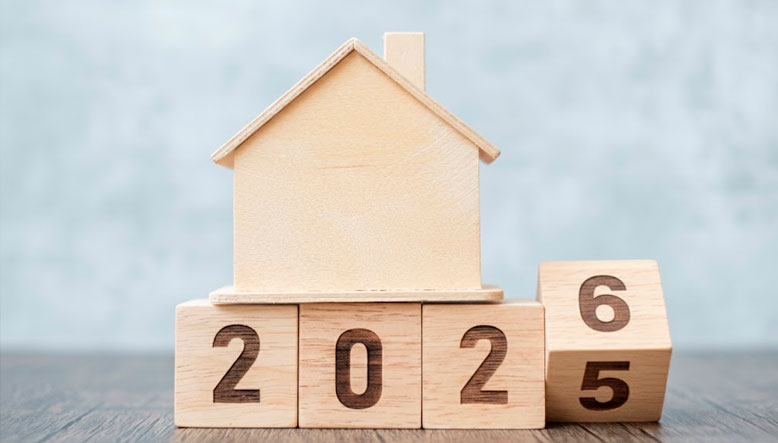
In 2026, renovating your home presents an excellent opportunity to improve its functionality, energy efficiency, and aesthetic appeal.
From incorporating contemporary design trends to taking advantage of tax incentives, there are several key goals you can consider to transform your home in the new year.
Let’s explore some of the possible ways you can revitalize and improve your living space in 2026.

Improving Energy Efficiency
When it comes to improving your home’s energy efficiency in 2026, there are several key considerations to keep in mind.
One of the main priorities for homeowners should be the implementation of energy-efficient heating and cooling systems. This could involve installing sustainable alternatives such as air source heat pumps, which have the potential to significantly reduce energy consumption.
Furthermore, the incorporation of solar panels for self-consumption not only reduces electricity bills, but also contributes to environmental sustainability.
Adopting smart home technology for energy management, including automated control of lighting, heating, ventilation, and air conditioning systems, and blinds, can further optimize energy use and create a more efficient and environmentally friendly living space.
In addition, it is essential to pay attention to the insulation of the home, as it plays a crucial role in maintaining a comfortable indoor environment while minimizing the need for excessive heating and cooling.
Improving the insulation of walls, attics, and basements, as well as improving the sealing of doors and windows, can have a substantial impact on the overall energy efficiency of a home.
By addressing these key areas, property owners can significantly reduce their energy consumption and carbon footprint, while enjoying a more sustainable and cost-effective environment.
Update finishes and materials
Updating the finishes and materials in your home can have a transformative impact on both its aesthetic appeal and its overall value.
In particular, the use of durable, high-quality materials such as natural stone, hardwood, and eco-friendly alternatives can enhance the visual and tactile qualities of different spaces in the home.
In the kitchen, the introduction of contemporary finishes such as quartz countertops, sleek cabinets, and designer faucets can create a modern and luxurious culinary environment.
Similarly, in the bathroom, the use of elegant tiles, premium fixtures, and spa-inspired elements can create a serene and visually striking retreat within the home.
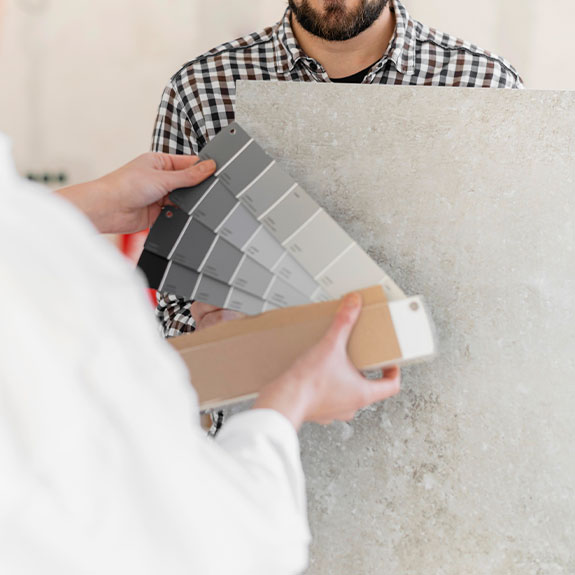
In addition to interior spaces, outdoor areas also benefit from the strategic use of finishes and materials, contributing to a welcoming and functional outdoor living experience through well-designed patios, terraces, and gardens.
The choice of low-maintenance, environmentally friendly materials not only enhances the visual appeal of the exterior, but also promotes a sustainable approach to outdoor living.
By carefully updating the finishes and materials throughout the home, you can achieve a cohesive and harmonious living environment that reflects a distinctive style and a commitment to quality and longevity.
Adopt contemporary design trends
Contemporary design trends in 2026 emphasize the integration of modern, functional, and aesthetically pleasing elements within the home.
The use of open-concept living spaces that prioritize natural light and seamless connections to the outdoors remains a defining feature of contemporary design.
By adopting a minimalist approach to furniture and decor, homeowners can create spaces that exude a sense of elegance, simplicity, and tranquility.
Accessories and fittings in neutral color palettes, combined with the use of organic and sustainable materials, can further enhance the overall visual and tactile impact of living areas, fostering a contemporary and harmonious atmosphere throughout the home.
In the field of interior design, the fusion of indoor and outdoor spaces through the use of large, spacious windows and sliding glass doors has become increasingly popular.
This design strategy not only improves the connection with the natural environment, but also allows for flexible and versatile use of the available living space.
Furthermore, the incorporation of smart home technology and energy-efficient appliances not only aligns with contemporary design principles, but also contributes to a more sustainable and comfortable lifestyle for homeowners in 2026.
Take advantage of tax incentives
Considering the extended tax incentives and deductions for energy-efficient home improvements in 2026 represents a significant opportunity for homeowners to improve the sustainability and efficiency of their properties while reaping substantial financial benefits.
Government initiatives aimed at promoting energy-efficient renovations offer the possibility of deductions of up to 60% of eligible expenses incurred in the installation of renewable energy systems, the purchase of energy-efficient appliances, and the implementation of home insulation and air conditioning measures.
By taking advantage of these tax incentives, homeowners can not only reduce the financial burden associated with their renovation projects, but also contribute to the broader goal of promoting sustainable and energy-efficient living environments.
It is essential that homeowners are aware of the specific eligibility criteria and documentation requirements associated with tax incentives for energy-efficient home renovations.
By ensuring compliance with regulations and keeping the necessary records of expenses, owners can effectively navigate the process of claiming available tax benefits and optimize the economic viability of their renovation initiatives.
Through strategic financial planning and informed decision-making, the use of tax incentives can serve as a valuable catalyst to drive the implementation of energy-efficient improvements and enhance the long-term financial and environmental performance of residential properties.
Plan ahead and set a clear budget
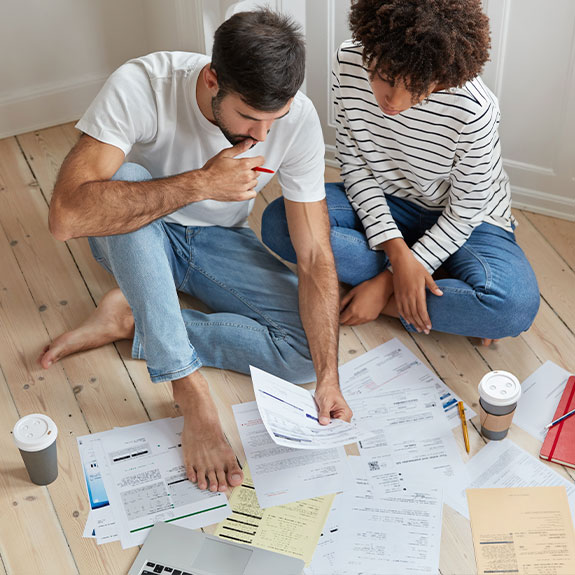
Before undertaking any substantial home renovation project in 2026, meticulous planning and the establishment of a detailed budget are essential to ensure the successful execution and completion of the endeavor.
Conducting a thorough assessment of the current condition of the home, identifying specific areas in need of improvement or modernization, and articulating clear objectives and design goals are crucial steps in the planning process.
Involving professional experts, whether by hiring architects, designers, or contractors, can provide invaluable guidance and support in formulating a realistic and strategic plan for your planned renovations, taking into account factors such as structural integrity, building codes, and optimal design solutions.
Preparing a detailed and well-defined budget that outlines the anticipated costs for materials, labor, permits, and contingencies is essential for effectively managing the financial aspects of the renovation project.
By allocating a portion of the budget to unforeseen expenses and potential sources of delays, owners can proactively mitigate the impact of unexpected challenges and maintain overall financial viability.
In addition, open and transparent communication with all project stakeholders, coupled with a systematic approach to monitoring and managing expenses, can contribute to a streamlined and satisfactory renovation process, ultimately resulting in a revitalized living space that aligns with the owners’ goals and aspirations.
Maximize space with smart solutions
Optimizing the functional and spatial dynamics of your home through the strategic implementation of smart and innovative solutions can significantly improve its usability, comfort, and appeal.
The thoughtful integration of multipurpose furniture, built-in storage solutions, and smart organization systems can effectively maximize space efficiency and create a fluid, uncluttered living environment.
In particular, the use of custom cabinets, modular shelving, and hidden storage compartments can minimize visual and physical clutter while improving the overall organization and visual consistency of different areas of the home.
In addition, incorporating flexible and adaptable design elements, such as movable partitions, expandable dining furniture, and convertible workspaces, can further increase the functional versatility of living areas, allowing for customized layouts that can be adapted to the different needs and activities of residents.
By adopting these space-maximizing solutions, homeowners can establish an environment that is not only visually spacious and inviting, but also intrinsically functional and conducive to a dynamic and fulfilling lifestyle.
In addition, the integration of smart home technology, including lighting controls, occupancy sensors, and energy-efficient appliances, can further optimize the use of space and resources, promoting a more sustainable and comfortable living experience.
Enhance comfort with smart home technology
The integration of smart home technology in 2026 offers the opportunity to raise the level of comfort, convenience, and energy efficiency within residential spaces.
The use of smart climate control systems, such as programmable thermostats, zone heating and cooling, and air quality control devices, can improve indoor environmental quality and create a personalized and comfortable living experience for homeowners.
By seamlessly integrating these technological solutions with the existing infrastructure in the home, residents can gain greater control over heating, ventilation, and air conditioning (HVAC) systems, optimizing energy consumption and maintaining consistent, personalized comfort levels throughout the living space.
In addition, the application of smart lighting solutions, such as automated lighting controls, dimmable LED luminaires, and mood-enhancing lighting designs, can contribute to the creation of adaptable and welcoming atmospheres within the home.
By harnessing the power of lighting to complement residents’ daily activities and preferences, smart lighting technology not only enhances the visual and functional appeal of living spaces, but also promotes energy efficiency and sustainability through the targeted and optimized use of artificial lighting.
The seamless integration of smart home technology not only enriches the overall quality of life and comfort within the home, but also aligns with the principles of modern living, convenience, and environmental responsibility.
Create outdoor living areas
The cultivation of well-designed and functional outdoor living areas presents an opportunity to expand living space and enhance the overall quality of the residential environment.
Whether through the creation of inviting patios, comfortable and stylish outdoor seating, or the incorporation of outdoor kitchens and dining areas, the creation of outdoor living spaces promotes a seamless connection with nature and a greater appreciation of the surrounding environment.
The strategic integration of natural elements, such as landscaping, water features, and ambient lighting, can create a tranquil and inviting outdoor retreat that complements and enriches the indoor living experience.
In addition, the incorporation of sustainable, weather-resistant materials in the construction and furnishing of outdoor living areas ensures the longevity and durability of these spaces, while minimizing the need for extensive maintenance.
By adopting ecologically responsible and functional design principles, homeowners can establish outdoor living areas that not only reflect their personal style and lifestyle preferences, but also contribute to a more sustainable and harmonious relationship with the natural environment.
The creation of well-appointed and inviting outdoor living spaces not only expands the overall functional and recreational area of the home, but also underscores the intrinsic value of outdoor living and the enjoyment of nature as integral components of a vibrant and balanced residential lifestyle.
Making your home more sustainable
Improving the sustainability and environmental performance of your home by 2026 through the adoption of eco-friendly materials, energy-efficient technologies, and responsible consumption practices represents a crucial and transformative effort.
By prioritizing the use of renewable and recycled materials in the construction and furnishing of their homes, homeowners can minimize the ecological footprint of their residential spaces and contribute to the conservation of natural resources.
The integration of sustainable building materials, such as reclaimed wood, bamboo flooring, and non-toxic, biodegradable finishes, not only enhances the aesthetic and functional characteristics of the home, but also aligns with a responsible and environmentally conscious approach to construction and design.
In addition, the use of renewable energy systems, such as solar panels, wind turbines, and geothermal heat pumps, together with energy-efficient appliances and smart home technologies, can substantially reduce dependence on non-renewable energy sources and contribute to the generation of clean, sustainable energy for the home.
Adopting energy conservation, water efficiency, and waste reduction practices, along with active participation in recycling and sustainability initiatives, further amplifies the impact of individual and collective efforts toward promoting a more sustainable and regenerative residential lifestyle.
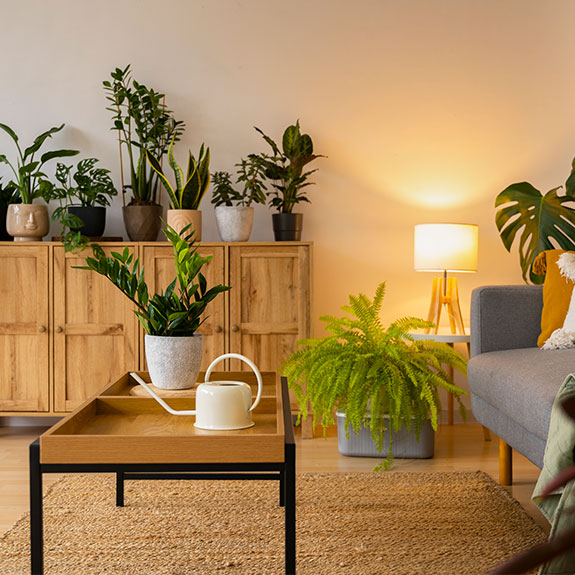
Improve energy efficiency
Improving your home’s energy efficiency is an ongoing and dynamic process that involves a series of strategic and proactive measures aimed at optimizing energy consumption, reducing environmental impact, and promoting long-term sustainability.
In 2026, the emphasis on adopting advanced, environmentally friendly technologies, materials, and design solutions continues to drive the pursuit of greater energy efficiency in homes.
By addressing aspects such as insulation, ventilation, heating and cooling systems, the integration of renewable energies, and home automation, homeowners can make tangible and lasting improvements to the overall energy performance and environmental management of their living spaces.
Through a holistic and comprehensive approach to energy efficiency, people can cultivate homes that are not only more comfortable, cost-effective, and resilient, but also emblematic of a responsible and forward-thinking commitment to a sustainable and regenerative future.
Update finishes and materials
The strategic and thoughtful selection of finishes and materials for the home plays a fundamental role in shaping its visual, functional, and environmental attributes.
In 2026, the update to finishes and materials encompasses a range of diverse and innovative options that prioritize sustainability, durability, and aesthetic appeal.
From the use of recycled and renewable materials to the integration of low-VOC and non-toxic finishes, homeowners have access to a wide range of environmentally responsible, high-performance solutions that enhance the appeal and livability of residential spaces.
By staying up to date with the latest advances in sustainable and customizable finishes and materials, people can imbue their homes with a lasting and timeless quality that reflects a harmonious blend of design, functionality, and environmental awareness, while fostering a living environment that is deeply attuned to the values of comfort, sustainability, and individual expression.
Adopt contemporary design trends
The contemporary design landscape in 2026 is characterized by an interesting interaction between modernity, functionality, and environmental awareness.
The thoughtful integration of contemporary design trends within the home serves not only to enhance its visual appeal and spatial dynamics, but also to align with the broader principles of sustainability and eco-friendly living.
By adopting design principles that champion simplicity, natural integration, and the merging of indoor and outdoor spaces, homeowners can establish a residential environment that is not only aesthetically appealing and comfortable, but also reflects a conscious and inclusive approach to contemporary living.
As design trends continue to evolve and flourish, embracing contemporary design principles offers homeowners the opportunity to express their personal narrative and aspirations, while contributing to the creation of a more sustainable, livable, and future-ready built environment.
Conclusion
In 2026, renovating your home will be an opportunity to improve its functionality, energy efficiency, and aesthetics. Consider upgrading to sustainable energy systems, modern finishes and designs, and take advantage of tax incentives.
Careful planning and budgeting can ensure the success of the project, and the application of smart solutions and technologies can improve the livability and sustainability of your home.
Don’t forget to also consider outdoor living spaces and the incorporation of sustainable materials for a total transformation of your home.
What renovations are a priority for refurbishing a home in 2026?
The most recommended are those that improve energy efficiency and comfort: insulating windows and walls, updating heating/cooling systems, integrating home automation, and optimizing spaces with storage solutions and versatile furniture.
How can I improve my home’s energy efficiency without a complete renovation?
You can start with high-impact actions: sealing doors and windows, improving insulation in key areas (attic, walls), installing a smart thermostat, switching to LED lighting, and using energy-efficient appliances.
Which smart home technologies are worth investing in during a renovation?
The most useful are those that reduce consumption and improve comfort: programmable thermostats, lighting control, presence sensors, automated blinds, and zone-based HVAC control systems.
What finishes and materials are trending for home renovations in 2026?
Durable and sustainable materials are emphasized: wood, natural stone, resistant surfaces such as quartz in the kitchen, and low-maintenance finishes on the exterior. The aim is to achieve a contemporary aesthetic with neutral tones and plenty of natural light.
How to plan a renovation in 2026 to avoid cost overruns?
Set goals for each stage, request several quotes, and create a detailed budget with a contingency fund. Also, coordinate permits, deadlines, and purchases (materials/furniture) to avoid delays and extra costs.