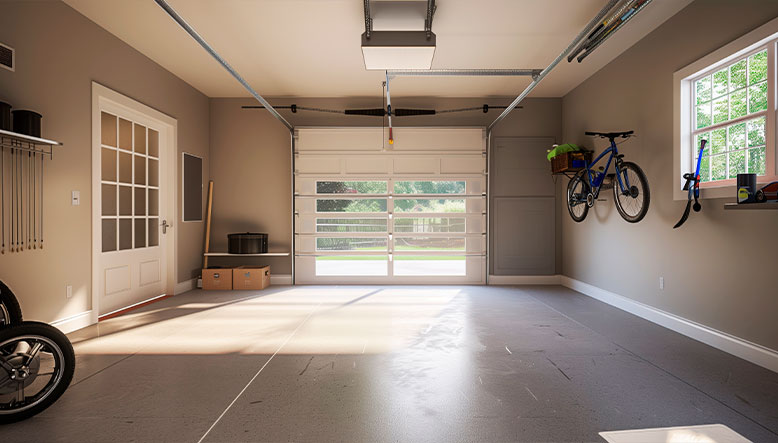
Protecting your garage from moisture and cold is crucial to maintaining a functional and safe space, as well as preserving your stored vehicles and belongings.
In this article, we will discuss the key steps you need to take to prevent and protect your garage from moisture and cold.

Inspection and repair of leaks
When it comes to protecting your garage from moisture and cold, one of the most important steps is to thoroughly inspect and repair any potential leaks or cracks.
This involves thoroughly inspecting the garage for cracks in the walls, ceiling, or floor. These imperfections create ideal conditions for water and cold air to enter.
Using suitable sealants, it is essential to repair any leaks detected, ensuring that surfaces are clean and dry before applying sealing products.
By doing this, you establish a fundamental barrier against the intrusion of unwanted elements into your garage, thereby promoting a safer and more controlled environment within the space.
In addition to this, it is vital to carry out a thorough assessment of the structural integrity of the garage. This includes examining the foundations for any weak or worrying areas.
Taking proactive steps to strengthen the overall structure, such as addressing identified vulnerabilities, further reinforces protection against moisture and cold and ultimately contributes to the durability and resilience of the garage.
By remaining vigilant and proactive in inspecting and repairing potential entry points, you significantly mitigate the risks of water infiltration and the adverse effects of external temperature fluctuations.
In addition, paying attention to the condition of the garage door and its seals is essential. Ensure that the seals are intact and capable of creating a tight seal, as this is a critical point of defense against the outside environment.
Any signs of wear or damage to the door seals should be addressed and rectified promptly, as a secure and well-maintained seal is essential for protecting the interior of the garage from moisture and cold air.
By being thorough in your inspection and taking immediate corrective action when necessary, you establish a solid foundation for the ongoing protection and preservation of your garage space.
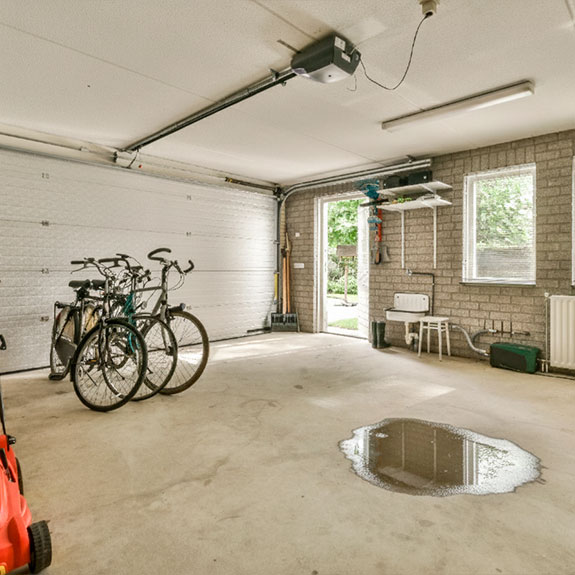
Improved ventilation
Improving ventilation inside your garage is essential for protecting the space from excess moisture and the associated risks of mold and mildew.
Proper ventilation facilitates air circulation, effectively reducing condensation and mitigating the likelihood of moisture-related problems.
An effective approach is to install ventilation grilles or extractors in strategic locations to promote fresh air flow, thereby creating a more balanced and controlled environment inside the garage.
In addition, when conditions are more favorable, the garage door and windows can be opened to further improve natural ventilation, contributing to overall air quality and minimizing the accumulation of humid air.
For garages with limited passive ventilation, consider installing a mechanical ventilation system to substantially improve air circulation and remove excess moisture.
Exhaust fans, especially those designed to run continuously, can be powerful allies in expelling humid air and maintaining a drier, healthier atmosphere inside the garage.
In conjunction with this, the incorporation of ventilation ducts and the strategic placement of air intakes can optimize the efficiency of the ventilation system, ensuring a more consistent and complete air exchange throughout the space.
By prioritizing ventilation system improvements, you create a less hospitable environment for mold and other moisture-related concerns, ultimately fostering a safer and more comfortable garage environment.
In addition, regular maintenance of the ventilation system, including cleaning and inspection of vents and ducts, is essential to maintain its effectiveness in promoting balanced and healthy airflow.
This proactive approach not only ensures the continued functionality of the system, but also contributes to the overall air quality inside the garage.
By making ventilation a focal point of your moisture control efforts, you establish a crucial line of defense against the dangers of excessive moisture, paving the way for a safer, well-maintained garage space.
Use of dehumidifiers
The implementation of dehumidifiers in the garage is a highly effective strategy for managing and reducing humidity levels, particularly in climates or seasons prone to high humidity.
By selectively incorporating desiccant or refrigerant dehumidifiers, you can target and extract excess moisture from the air, thereby reducing the overall humidity within the garage.
When considering installing a dehumidifier, it is essential to choose a model that is appropriately sized for the dimensions of your garage, as this directly influences its ability to efficiently mitigate humidity levels.
When selecting a suitable dehumidifier, strategic placement in the garage is crucial to maximize its impact.
Placing the unit in an area with optimal airflow and away from potential obstructions ensures that it can effectively extract and process humid air from the entire area.
In addition, regular maintenance, such as emptying the collection tank or ensuring a continuous drainage option, is vital to maintaining the dehumidifier’s performance and preventing any unexpected malfunctions.
Over time, the constant operation of the dehumidifier contributes to a noticeable reduction in humidity, thereby decreasing the likelihood of mold growth, structural damage, and unpleasant odors in the garage environment.
In addition, it is recommended to supplement the use of dehumidifiers with humidity control devices, which allow for real-time assessment and adjustment of humidity levels in the garage.
This data-driven approach allows you to fine-tune the operation of the dehumidifier and other humidity control measures, ensuring more accurate and effective management of garage humidity.
By integrating the strategic use of dehumidifiers with continuous monitoring, a proactive and comprehensive approach is established to maintain optimal humidity levels, thereby reinforcing the garage against the harmful effects of excess moisture.
Thermal insulation
The application of thermal insulation in the garage is essential to reinforce its resistance to the penetrating effects of low temperatures.
By strategically insulating the walls, ceiling, and, to a certain extent, the floor, a protective barrier is created that mitigates heat transfer from the interior to the exterior and vice versa.
This not only helps maintain a more stable and comfortable temperature inside the garage, but also helps reduce the energy requirements associated with heating the space during colder periods.
Considering insulation materials with high thermal resistance, such as insulation blankets or rigid foam panels, can significantly improve the overall insulation properties of the garage.
In addition, paying close attention to the insulation of the garage door, as it represents a significant source of heat exchange, further optimizes the effectiveness of insulation measures.
By harmonizing the insulation of the door with that of the rest of the garage, a cohesive and comprehensive thermal protection is established that promotes a more energy-efficient and climate-controlled environment within the space.
In addition, garage ceiling insulation is particularly important, as it acts as a fundamental barrier against heat loss and helps maintain a constant internal temperature.
When insulating the roof, the use of moisture-resistant materials also serves as an added advantage, as it helps to minimize the risk of moisture-related problems, especially in areas prone to condensation.
By strategically integrating thermal insulation throughout the garage, you not only strengthen its defense against the cold, but also pave the way for improved energy efficiency and overall climate control, elevating the resilience and comfort of the garage environment.
Soil maintenance
Ensuring proper maintenance of the garage floor is essential to preserving its structural integrity and mitigating the potential impacts of humidity and temperature.
An effective approach to achieving this is to apply a protective coating or sealant that forms a resistant barrier against moisture absorption and facilitates cleaning and maintenance of the floor surface.
Select products specifically designed for concrete or garage floors, as they offer tailored protection and are resistant to the effects of oils, chemicals, and abrasions, ensuring the long-term durability and functionality of the floor.
In addition, regular cleaning and maintenance of the garage floor, including the removal of any debris or spills, is essential to maintaining its condition and preventing degradation of the protective coating.
The implementation of a routine maintenance program that includes thorough cleaning and periodic reapplication of protective primer is crucial to maintaining the protective properties and overall appearance of the floor.
In addition, during extreme weather or conditions that are conducive to moisture, placing absorbent mats or covers at the garage entrance can help minimize the introduction of excessive moisture and dirt into the floor, further reducing maintenance and extending the life of the floor.
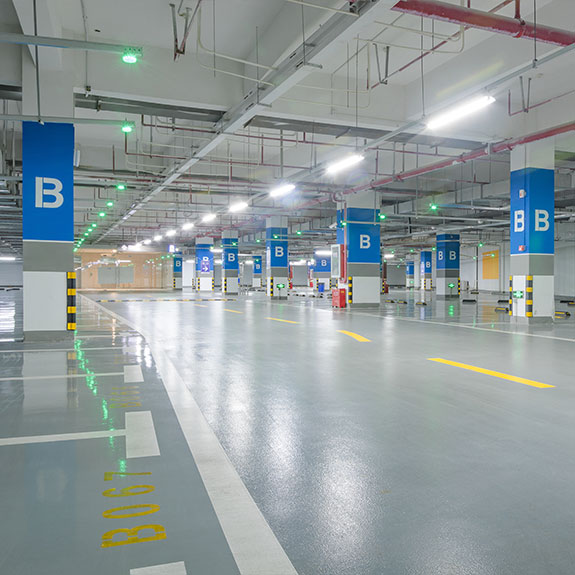
In conjunction with this, timely repair of any cracks or damage that may occur in the garage floor is essential to prevent related problems from worsening.
By promptly addressing and rectifying these problems, you protect the floor against potential structural compromise and the development of moisture-related complications.
By implementing a proactive and comprehensive maintenance approach, you not only preserve the condition and longevity of the garage floor, but also contribute to a more hygienic and aesthetically pleasing environment within the space.
Application of protective coatings
Applying protective coatings or sealants to the various surfaces of the garage is a prudent and effective measure to strengthen its defenses against moisture and temperature fluctuations.
By uniformly treating the walls, ceiling, and, where applicable, the floor with specially formulated coatings, a barrier is established that repels water infiltration and minimizes the risk of condensation and related problems.
Select coatings designed for use in garage environments, as they are engineered to withstand the specific challenges posed by vehicle-related activities, chemical spills, and exposure to moisture, ensuring a durable and resilient protective layer.
Preparing surfaces by thoroughly cleaning them and, if necessary, priming them before applying the protective coating is essential for optimal adhesion and effectiveness.
Also, when applying the coating, focus on creating uniform and complete coverage to minimize the possibility of weak spots or areas of compromised protection.
By establishing a consistent and thorough application process, the protective qualities of the coatings are maximized, thereby reinforcing the overall strength and longevity of the surfaces within the garage.
In addition, considering the installation of impact-resistant or non-slip coatings in high-activity areas, such as vehicle parking areas or workstations, can further enhance the protective capabilities and safety of the garage.
These specialized protections are designed to withstand the rigors of vehicle movement and provide secure support, significantly reducing the risks of slips, falls, or surface damage.
By incorporating specific protective measures that address specific vulnerabilities, a more comprehensive and tailored defense system is established, ultimately strengthening the garage against a myriad of potential challenges.
Proper storage of objects
Ensuring proper and strategic storage of items inside the garage is essential for mitigating the impact of humidity and creating a more organized and functional space.
Start by classifying and assessing the sensitivity of stored items with regard to exposure to humidity and temperature variations.
Items that are particularly susceptible to these types of influences, including wooden furniture, electronic equipment, and sensitive materials, should be stored in designated areas that are less prone to direct exposure to moisture or fluctuations.
Using stackable, durable, and airtight storage containers is highly advantageous, as it minimizes the potential for damage or degradation of stored items in the event of incidental moisture contact or condensation.
In addition, strategically placing containers on elevated surfaces, such as shelving units, improves their protection against any possible moisture accumulation on the floor and thus preserves the condition of the stored items.
This approach not only safeguards the integrity of stored items, but also facilitates access and organization, contributing to a more streamlined and efficient garage environment.
In addition, maintaining an adequate inventory and labeling stored items helps to locate and retrieve them quickly when needed, minimizing disruptions caused by searching for specific items.
This organizational system, together with the use of transparent containers, allows for clear visibility and identification of contents, further improving the efficiency and convenience of the storage system.
By harmonizing storage practices with a focus on humidity and temperature considerations, a more protective and organized environment is fostered for items within the garage, reducing the potential for damage and promoting a more streamlined and practical space.
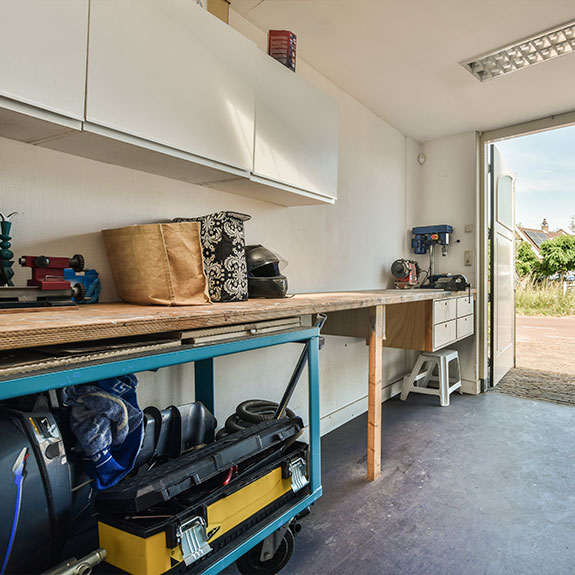
Constant monitoring of humidity and temperature
The implementation of a system for continuous monitoring of temperature and humidity levels within the garage is essential for proactively identifying and addressing any deviations or disturbances that could compromise the controlled environment.
Integrating a digital thermometer and hygrometer provides real-time data on temperature and humidity, enabling a quick and effective response to any fluctuations or imbalances.
This data-driven approach allows you to adjust and correct humidity control measures and ventilation strategies, ensuring that the garage always operates within the desired parameters.
In addition, setting up alerts or automatic notifications for any predefined threshold allows for rapid intervention in the event of abnormal temperature or humidity levels, preventing prolonged periods of compromised conditions.
By remaining proactive and responsive to monitoring data, a more controlled and adapted environment is established within the garage, minimizing the risks of problems related to humidity and the impacts of outside temperature.
In addition, maintaining a record of tracking data allows for the identification of any recurring or seasonal trends, informing the implementation of specific and preventive measures to address such patterns.
In addition, regular calibration and maintenance of tracking devices are essential to maintain their accuracy and reliability, ensuring that the data collected reflects the true state of the garage environment.
By integrating continuous monitoring of temperature and humidity levels with a responsive and adaptive management approach, a dynamic and proactive system is established for the sustained control and optimization of the garage’s climate conditions, thus safeguarding it from the potential adversities of humidity and cold.
Implement measures to prevent moisture
By implementing a comprehensive set of measures, from meticulous inspection and repair of leaks to strategic ventilation improvements and continuous monitoring, you lay a formidable foundation for safeguarding your garage against the harmful effects of moisture and cold.
The coordinated integration of these measures culminates in the establishment of a strengthened and controlled environment that not only protects the structural and functional elements of the garage, but also improves its safety, comfort, and durability.
Throughout the application process, the guidance and expertise of professionals in the fields of construction, ventilation, and climate control can prove invaluable, offering effective solutions tailored to specific challenges and facilitating the creation of a well-protected and optimally conditioned garage space.
Emphasizing the importance of each protective and preventive action creates a culture of proactive maintenance and care, fostering a sensitive and adaptable approach to addressing potential vulnerabilities and preserving the integrity of the garage environment.
Furthermore, promoting awareness and diligence in monitoring and managing humidity and temperature levels in the garage not only mitigates the immediate risks of moisture-related damage, but also contributes to the long-term preservation and extension of the life and quality of stored items and the overall structure of the garage.
With a firm commitment to continuous improvement and adaptation of protective measures, you establish a resilient, climate-responsive garage environment that maintains the safety, functionality, and durability intrinsic to a well-kept and optimally maintained garage space.
Conclusion
In general, protecting your garage from moisture and cold is crucial to maintaining a functional and safe space, as well as preserving the integrity of your vehicles and stored items.
By conducting thorough inspections, improving ventilation, using dehumidifiers, insulating and storing items properly, and monitoring humidity and temperature levels, you can create a more comfortable and safer environment for your garage.
By implementing these measures, you can effectively prevent the harmful effects of humidity and low temperatures and maintain a well-conditioned garage.
How can I tell if my garage has moisture problems?
The most common signs are dark spots on walls or ceilings, a musty smell, bubbling paint, condensation on cold surfaces, and the presence of mold. Ideally, you should measure humidity with a hygrometer: if relative humidity is frequently high, there is a risk.
What should I check first to prevent water leaks in the garage?
Start by checking for cracks and fissures in walls, floors, and ceilings, paying special attention to the garage door and its seals. If there are gaps or damaged weatherstripping, water and cold air can easily enter. Seal with appropriate products on clean, dry surfaces.
Is it better to ventilate the garage or use a dehumidifier?
The most effective approach is to combine both:
–Ventilation reduces condensation and renews the air.
-A dehumidifier constantly lowers the humidity level, especially in very humid periods or closed garages.
If natural ventilation is limited, an extractor fan can make all the difference.
How to insulate a garage to keep out the cold
To improve comfort and reduce heat loss, insulate the ceiling and walls (these are the most critical areas) and reinforce the insulation around the door, which is usually the weakest point. Using materials with good thermal resistance helps maintain a more stable temperature.
What to do with the garage floor to protect it from moisture
It is advisable to apply a sealant or protective coating specifically designed for garage floors (concrete). This creates a barrier against moisture absorption, facilitates cleaning, and reduces damage from oils, chemicals, and wear and tear. Repair cracks as soon as possible to prevent the problem from getting worse.