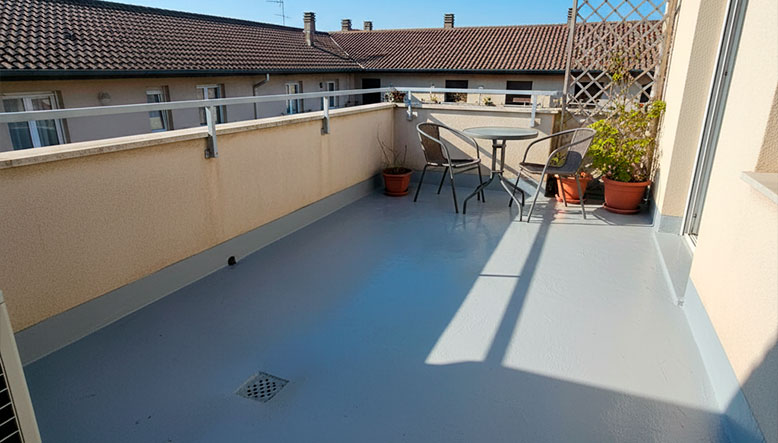
Waterproofing a terrace is essential to prevent leaks and structural damage. However, many common mistakes can compromise its effectiveness.
In this article, we will analyze the most common mistakes made when waterproofing terraces and how to avoid them, ensuring long-lasting and effective protection for your property.

Inadequate surface preparation
When it comes to waterproofing a terrace, one of the most critical factors is preparing the surface before applying the waterproofing product.
Applying a waterproofing agent to a surface contaminated with dirt, grease, or moisture can significantly hinder the adhesion and penetration of the product.
This can cause premature failure of the waterproofing system. To avoid this common mistake, it is essential to thoroughly clean the terrace, take the time to repair any cracks or holes, and ensure that the surface is completely dry and free of any impurities.
Proper surface preparation lays the foundation for a satisfactory and durable waterproofing application.
Another aspect of inadequate surface preparation is neglecting to address any existing cracks or fissures. If these imperfections are not repaired before applying the waterproofing material, water can seep through these vulnerabilities and compromise the integrity of the terrace.
Therefore, dedicating time and resources to addressing and repairing any cracks or fissures is a crucial step in the surface preparation process.
In addition, failing to ensure that the surface is clean and dry can also be a significant oversight. A surface that is exposed to moisture or has dirt and dust on it can interfere with the waterproofing agent’s ability to adhere, leading to problems in the future.
By taking the necessary precautions to ensure a clean and dry surface, the risk of problems related to inadequate surface preparation is minimized.
In addition, the choice of application tools and techniques can also influence surface preparation. Using the right tools, such as high-quality brushes or rollers, and applying the correct application method are essential to achieving a smooth, even surface, which contributes to the overall success of the waterproofing process.
Choosing the wrong materials
One of the most common and critical mistakes in waterproofing terraces is selecting unsuitable materials.
Not all waterproofing products are suitable for all types of surfaces or all weather conditions. Choosing low-quality materials or products that are not specifically designed for the terrace in question can result in ineffective protection.
It is essential to choose certified materials that are suitable for the local climate, while also following the product manufacturer’s recommendations. Seeking professional advice, when necessary, can ensure that the materials selected are the most appropriate for the specific terrace and conducive to providing optimal waterproofing performance.
Furthermore, overlooking the importance of selecting the right type of waterproofing material, whether it be a liquid application system, sheet membrane, or other systems, can have detrimental effects on the long-term durability and effectiveness of the terrace.
Each type of waterproofing system has its own specifications and suitability for different surfaces, so it is essential to choose the right materials for the specific terrace in order to achieve the desired level of protection and performance.
Improper application of waterproofing product
The application of the waterproofing product plays a key role in the overall effectiveness of the system. Common mistakes related to poor application include inadequate coverage, applying an insufficient number of coats, and failing to allow the recommended drying times between each application.
Failure to follow the manufacturer’s guidelines and instructions may compromise the integrity of the waterproofing and lead to poor results. It is essential to meticulously follow the prescribed application process, which often involves applying at least two cross-layers of the waterproofing product.
In addition, it is crucial to allow each coat to dry completely before proceeding to the next one to ensure optimal product performance and longevity.

In addition, using the wrong application tools, such as inappropriate brushes or rollers, can also contribute to poor application and uneven coverage.
Using the right tools and equipment is vital to achieving a uniform, professional finish, ultimately improving the overall effectiveness of the waterproofing system.
By prioritizing and executing a precise and meticulous application process, the risk of encountering problems related to poor application can be significantly reduced.
It is also important to consider the impact of weather conditions on the application process. High humidity, very low temperatures, or rain can negatively affect the drying and curing of the waterproofing product, causing potential performance issues.
Therefore, it is recommended to schedule the application during periods of favorable weather and moderate temperatures to ensure optimal results.
Forgetting to protect critical areas
Areas prone to vulnerabilities, such as joints, penetrations, and transitions with walls, require special attention during the waterproofing process. Failure to adequately reinforce and protect these critical areas can result in potential weak points where water infiltration can occur.
It is essential to use suitable sealing products and, in some cases, incorporate reinforcement measures, such as mesh membranes, to ensure comprehensive protection of these susceptible areas.
By paying close attention to these critical points and taking proactive measures to reinforce them, the overall effectiveness of terrace waterproofing can be significantly improved, minimizing the risk of future problems and leaks.
Omit waterproofing tests
After applying the waterproofing system, testing it to verify its effectiveness is a fundamental practice that is often overlooked. Conducting waterproofing tests and inspections can help identify and fix any deficiencies or problem areas before they become more serious issues.
These proactive measures provide an opportunity to rectify any problems and ensure that the terrace is fully protected against water infiltration.
By establishing a routine of waterproofing testing, homeowners can rest assured that their deck has been thoroughly evaluated and is performing as intended, providing an initial and crucial layer of defense against water-related damage.
Skip preventive maintenance
The importance of post-application maintenance in prolonging the life and effectiveness of the waterproofing system cannot be underestimated.
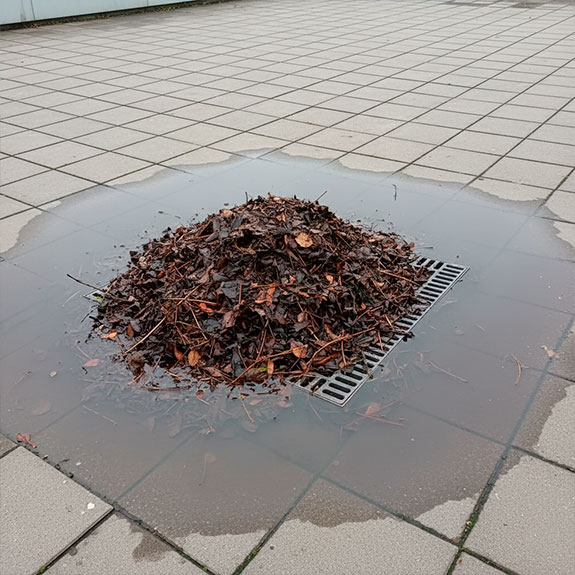
Once a terrace has been waterproofed, it is essential to carry out regular inspections and maintenance to address any potential problems, such as the accumulation of debris in drainage areas, and to quickly rectify any cracks or damage that arise.
By incorporating a proactive approach to preventive maintenance, property owners can significantly extend the life of their waterproofing and minimize the likelihood of more extensive and costly damage in the future.
Do not repair cracks and imperfections.
Before applying the waterproofing product, it is essential to devote the necessary time and resources to repairing any cracks, fissures, or imperfections on the surface of the terrace.
If these problems are not addressed, water infiltration may occur through the compromised areas, causing widespread damage and reducing the overall effectiveness of the waterproofing system.
By quickly and effectively repairing cracks and imperfections, homeowners can ensure that the deck surface is ready to receive the waterproofing product in a way that maximizes its performance and longevity, ultimately safeguarding the structural integrity of the deck.
Apply a single coat of waterproofing
Applying only one coat of waterproofing, especially in cases where multiple coats are recommended, can be a common mistake that undermines the overall effectiveness of the system.
A single coat may not provide sufficient coverage and protection, leaving the deck vulnerable to water infiltration and potential damage. It is essential to follow the manufacturer’s specifications, which typically recommend applying multiple coats to establish a durable and resistant waterproofing barrier.
By ensuring that the terrace receives the necessary number of layers, owners can optimize the level of protection and longevity of the waterproofing system, thereby preserving the structural integrity of the terrace.
Using low-quality waterproofing products
One of the most damaging mistakes in the process of waterproofing terraces is the use of low-quality or inferior products.
These inferior materials may lack the essential properties and performance characteristics necessary to provide effective and durable protection against water infiltration.
Consequently, the use of low-quality waterproofing products can lead to premature failure, requiring costly rework and repairs. It is essential to prioritize the use of high-quality, certified, and reputable waterproofing materials specifically designed to deliver optimal performance and durability.
By investing in top-quality products and using them, owners can ensure that their terrace is well protected and that the waterproofing system has the necessary strength and effectiveness to withstand the passage of time and environmental conditions.
Conclusion
In conclusion, it is important to avoid common mistakes when waterproofing a terrace to ensure its effectiveness and durability.
These errors include inadequate surface preparation, choosing the wrong materials, and poor application of the waterproofing product, among others.
By following the appropriate steps and taking preventive measures such as regular maintenance, potential problems can be addressed and avoided, resulting in a properly waterproofed terrace.
What are the most common mistakes when waterproofing a terrace?
The most common mistakes are poor surface preparation, choosing unsuitable materials, applying the product incorrectly, and failing to reinforce critical areas.
Why is it important to clean and repair the surface before waterproofing?
Because dirt, moisture, or cracks prevent the waterproofing agent from adhering properly and reduce its effectiveness, leading to future leaks.
What materials are recommended for waterproofing a terrace?
Certified products suitable for the climate must be used, such as liquid membranes, waterproof sheets, or specific systems recommended by the manufacturer.
How many layers of waterproofing should be applied?
Most manufacturers recommend applying at least two cross coats to ensure a strong and durable barrier.
Is maintenance necessary after waterproofing a terrace?
Yes. Regular inspections, drain cleaning, and repairing small cracks extend the system’s useful life and prevent leaks.