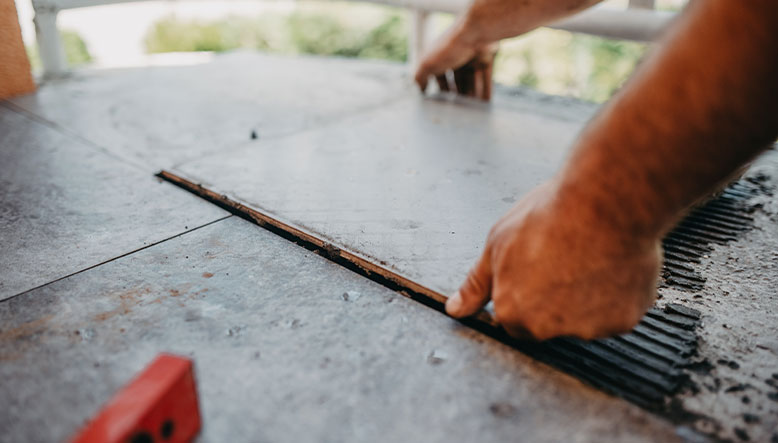
Installing outdoor flooring in wet areas can be a difficult task, as it requires special attention to ensure its durability and functionality. Unfortunately, many homeowners make common mistakes that can compromise the performance of their flooring.
In this article, we will discuss the most common mistakes to avoid when installing outdoor flooring in wet areas.

Poor preparation of the base
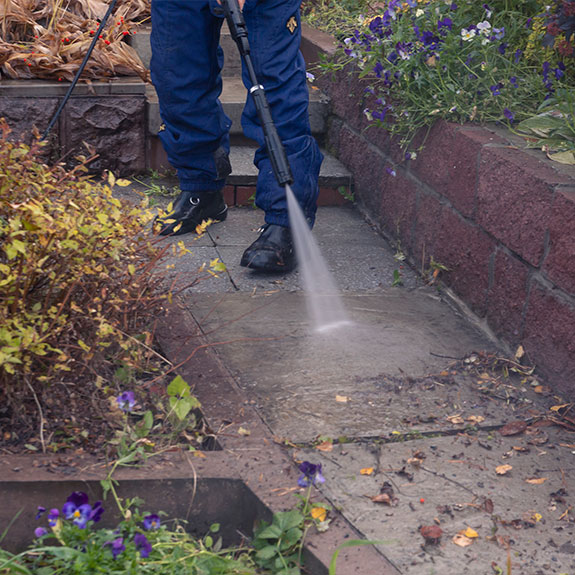
Proper preparation of the base is crucial when installing outdoor flooring, especially in wet areas. One of the most common mistakes is inadequate preparation of the base, which can lead to a host of problems.
A poorly prepared base can lead to uneven surfaces, premature detachment, and moisture and drainage problems. It is essential to address these issues to ensure a successful and long-lasting installation.
One of the key aspects to consider is the cleanliness, dryness, and levelness of the base. This means that the surface must be free of debris, dust, or contaminants and completely dry to avoid moisture-related problems.
In addition, the base must be level and free of significant irregularities to avoid problems with the covering material. Properly addressing these factors sets the stage for a professional and durable installation that will stand the test of time.
A clean, level, and dry base is essential.
It is essential for the correct installation of outdoor flooring in areas prone to moisture that the base is clean, level, and dry.
This involves thorough cleaning to remove dirt, dust, or debris that could compromise the adhesion of the flooring material. In addition, using a suitable leveling compound to correct any unevenness and allowing the base to dry completely before proceeding with installation are critical steps.
Taking the time to carefully prepare the foundation can significantly reduce the risk of problems such as buckling, moisture infiltration, and premature wear.
A well-prepared foundation also contributes to the overall quality and performance of the soil, offering homeowners peace of mind that their investment in their outdoor space is protected and long-lasting.
This fundamental step cannot be overlooked, as it is the foundation upon which a successful and long-lasting installation is built.
Use of inappropriate materials
Another common problem when installing outdoor flooring in damp areas is the use of unsuitable materials.
Not all materials are suitable for outdoor use, and choosing the wrong ones can lead to a number of problems, especially in areas with high humidity.
For example, natural wood can expand, contract, or warp when exposed to moisture, making it unsuitable for areas such as bathrooms, kitchens, or outdoor spaces.
It is essential to choose materials specifically designed for outdoor use and capable of withstanding the effects of moisture, such as ceramic tiles with non-slip properties or vinyl flooring with waterproof characteristics.
By making informed choices about materials that are inherently resistant to the challenges posed by humid environments, you can significantly mitigate the risk of premature deterioration and the need for frequent replacements, ensuring the long-term functionality and appeal of your outdoor space.
Choose waterproof and moisture-resistant materials.
When it comes to outdoor flooring in wet areas, the choice of materials is paramount. Opting for waterproof and moisture-resistant options, such as high-quality ceramic tiles with non-slip features or durable vinyl flooring, can make a substantial difference in the longevity and performance of the installation.
These materials are designed to withstand harsh outdoor environments and resist the adverse effects of moisture, offering a practical and sustainable solution for areas prone to high humidity and exposure to water.
By prioritizing materials specifically designed for the challenges of wet environments, homeowners can confidently invest in outdoor flooring that not only meets their aesthetic preferences but also offers long-lasting performance and requires minimal maintenance.
This strategic approach to material selection is the cornerstone of successful outdoor flooring installation in wet areas.
Ignoring expansion joints
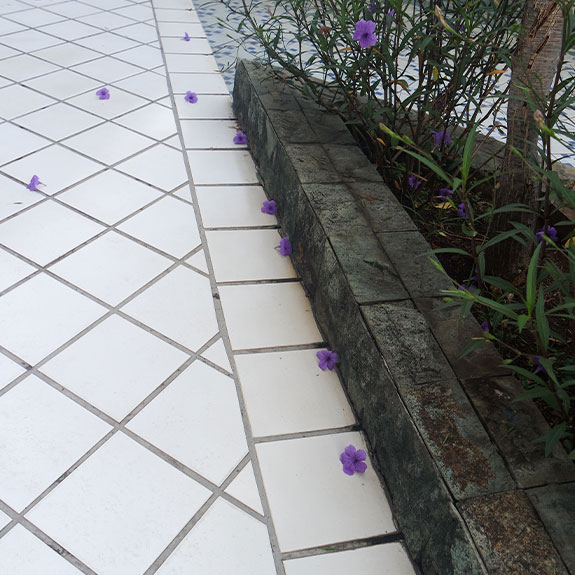
Overlooking the importance of expansion joints is a common mistake made when installing outdoor flooring in environments with temperature and humidity variations.
The natural expansion and contraction of flooring materials, especially in response to changes in temperature and humidity, requires the inclusion of expansion joints to prevent structural damage and preserve the integrity of the installation.
Failure to incorporate adequate expansion joints significantly increases the risk of problems such as buckling, cracking, and separation between pavement sections.
This can compromise the visual appeal and durability of the floor, causing premature wear and tear and the need for costly repairs.
Essentially, recognizing and accommodating the inherent movement of paving materials through the strategic placement of expansion joints is essential for professional and durable installation in outdoor environments.
Leave room for expansion and contraction
Leaving adequate space for the expansion and contraction of flooring materials is essential, especially in outdoor areas where environmental factors can have a significant influence.
Leaving a minimum of 8-10 mm of space between the floor and fixed structures, such as walls, columns, or door frames, effectively mitigates the harmful effects of material expansion.
This deliberate allocation of space for movement is a proactive measure to prevent problems that could arise due to restricted pavement movement, ultimately ensuring a durable and visually appealing installation.
Being aware of and constantly respecting the space required for expansion and contraction during the installation process is a hallmark of professional craftsmanship.
It reflects a deep understanding of material behavior and a commitment to delivering high-quality, durable results, even in the face of environmental fluctuations and the challenges posed by outdoor installations.
Inadequate sealing of joints
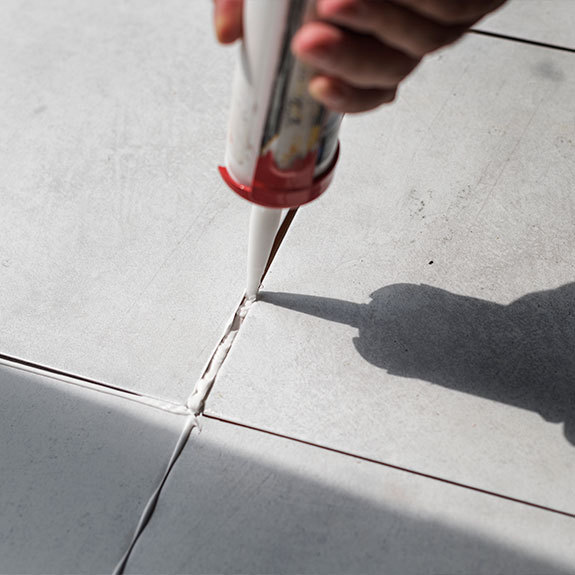
Ensuring that joints are properly sealed, especially in areas exposed to moisture, is an essential part of the outdoor flooring installation process.
Improper sealing of joints can create vulnerabilities that allow water to seep into the underlying structure, which can lead to problems such as water damage, mold growth, and compromised structural integrity.
In damp areas such as bathrooms, kitchens, and outdoors, the precision and effectiveness of joint sealing are essential to prevent water-related problems and maintain a hygienic and resistant environment.
Using appropriate sealing methods and materials, such as cold or hot welding techniques, adapted to the specific requirements of the installed flooring, is essential to achieve watertight and impermeable joints.
By taking extreme care and diligence in sealing joints, the long-term durability and resistance of outdoor flooring to moisture-related problems is significantly improved, reducing the likelihood of costly repairs and maintenance in the future.
Do not acclimatize the material
Failure to acclimatize flooring material to the environmental conditions of the intended installation site is a common oversight that can have detrimental effects on the performance and longevity of outdoor flooring.
Materials such as vinyl and SPC (Stone Plastic Composite) are particularly susceptible to changes in temperature and humidity, and proper acclimatization is essential to avoid problems such as warping, buckling, and excessive expansion or contraction after installation.
Before installation, it is essential to acclimatize the flooring material to the ambient temperature and humidity by storing it in the installation area for an appropriate period of time.
This simple but essential step not only ensures the dimensional stability of the material, but also contributes to the overall quality and longevity of the outdoor flooring by reducing the likelihood of post-installation problems and maintaining its visual and functional integrity over time.
Allow time for vinyl and SPC to settle
Providing a specific acclimatization period for vinyl and SPC flooring materials is a fundamental practice that is crucial to ensuring optimal performance and durability of the installation.
By facilitating the gradual adjustment of these materials to the specific temperature and humidity levels of their intended environment, the risk of adverse reactions and dimensional changes after installation is significantly minimized.
This proactive approach sets the stage for professional and durable outdoor flooring installation, free from the limitations and challenges posed by inadequate acclimatization.
Ignoring the manufacturer’s instructions
One of the most critical and yet most overlooked aspects of installing outdoor flooring in wet areas is following the manufacturer’s instructions.
Each type of flooring material comes with specific instructions regarding installation, environmental requirements, and recommended use of adhesives and other accessories.
Ignoring or underestimating these instructions may result in a compromised installation and a series of problems, such as decreased performance, aesthetic deficiencies, and reduced floor life.
By carefully following the manufacturer’s instructions, including those related to installation direction, the incorporation of expansion joints, and the application of adhesives, owners and installers can ensure that outdoor flooring is positioned for success.
Respecting and complying with the manufacturer’s recommendations is a sign of professionalism and a proactive strategy to ensure a durable, reliable, and visually appealing result that meets the specific requirements and characteristics of the chosen flooring materials.
Follow the instructions for correct adhesion and pattern.
Each set of manufacturer instructions is a well-researched and crucial resource that outlines best practices for achieving a flawless and durable outdoor flooring installation.
From detailed guidance on installation direction to precise specifications for adhesive use and recommended design, following these instructions is essential to ensure a professional and long-lasting result.
By following the manufacturer’s guidelines to the letter, owners can be confident that their outdoor flooring installation is reinforced by best practices and prepared to deliver the desired performance, visual appeal, and longevity in the face of environmental challenges and the demands of everyday use.
Conclusion
Properly installing flooring in outdoor areas with high humidity can be challenging, but avoiding common mistakes can ensure a durable and functional result.
From preparing the base to selecting the right materials and following the manufacturer’s instructions, attention to detail is key.
With these tips in mind, you can successfully install flooring in wet areas and enjoy a beautiful and durable outdoor space.
What is the most common mistake when installing outdoor flooring in wet areas?
The most common mistake is not preparing the base properly, which causes unevenness, leaks, and premature detachment.
What materials are recommended for damp outdoor areas?
The best options are non-slip ceramic tiles and waterproof vinyl flooring, designed to resist moisture.
Why are expansion joints important in outdoor areas?
They allow the material to expand and contract without damage. Without them, cracks, buckling, and separation may occur.
What happens if the flooring is not acclimated before installation?
It may warp, expand, or contract once installed. Vinyl and SPC require a period of acclimatization beforehand.
Is it really necessary to follow the manufacturer’s instructions?
Yes. Each material has specific requirements for installation, adhesives, orientation, and joints. Ignoring these requirements reduces the durability of the floor.