Repainting the exterior of your home is not only a great way to improve its appearance, but it also helps protect it from the elements.
This article will provide you with tips and steps to follow to achieve a long-lasting and satisfying paint job. By following these steps and maintaining your paint regularly, you can avoid costly mistakes and keep your home looking fresh and well-maintained.

Preparation
Preparing the exterior of your home for painting is a crucial step that lays the foundation for a satisfactory and long-lasting finish. It involves meticulous attention to detail and a thorough understanding of the surface to be painted.
Begin the process by thoroughly inspecting the exterior walls for any signs of damage, such as cracks, peeling paint, or areas with mold. It is essential to address these issues before applying new paint to ensure a smooth and even finish.
Once you have identified and addressed any problem areas, pressure wash the surfaces to remove dirt, grime, and any loose or chipped paint. This will create a clean, smooth canvas for the new paint, ensuring better adhesion and a more professional-looking result.
In addition, proper preparation of surfaces to be painted goes beyond simple cleaning and repair. It is crucial to ensure that all surfaces are completely dry and free of moisture before applying paint.
This is especially important in areas prone to high humidity or exposure to water, as any existing moisture can cause problems such as blistering, peeling, or mold growth.
By taking the time to properly prepare surfaces, you will not only improve the adhesion and longevity of the new paint, but you will also help prevent common paint problems in the future.
Before diving into the painting process, be sure to protect surrounding areas such as windows, doors, and landscaping with drop cloths or tape to prevent any accidental splatters or damage.
In addition, this is a good time to check the condition of existing caulks and sealants, as they play a vital role in protecting the exterior of your home from water intrusion and damage. Replacing or repairing deteriorated areas will contribute to the overall integrity and durability of the paint job, making it a crucial part of the preparation phase.
Paint selection
Selecting the right paint for the exterior of your home is a critical decision that affects not only visual appeal, but also the durability and protection of surfaces. When choosing exterior paint, opt for high-quality products designed specifically for outdoor use, as they are formulated to withstand the elements and provide long-lasting results.
Acrylic or latex-based paints are often recommended for their excellent adhesion, resistance to fading, and ability to expand and contract with temperature changes. Also, consider the paint finish, with options ranging from matte to satin or semi-gloss, to achieve the desired look and level of shine for the exterior of your home.
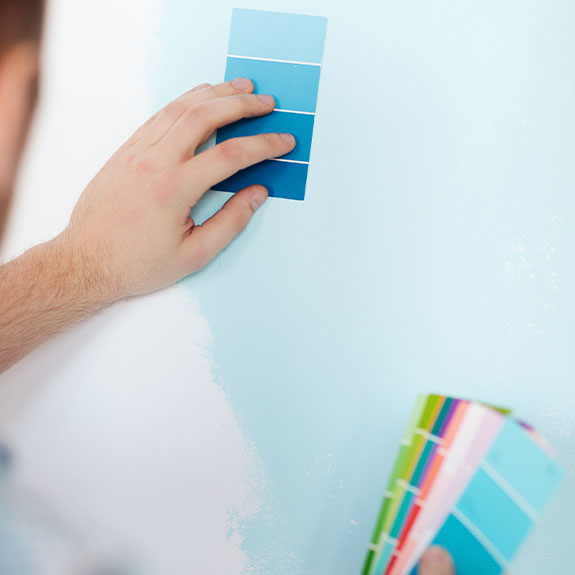
In addition, choosing the right color for the exterior of your home is a decision that should be made carefully. Although personal preferences play an important role, it is essential to consider the architectural style of the house, the surrounding landscape, and any urban planning or historical guidelines that may influence the choice of color.
Light colors are especially effective at reflecting heat and can help keep the interior of your home cooler in warm climates, while dark shades may be better suited to creating a bold, contemporary look. Ultimately, the paint selection process should result in a cohesive, harmonious look that enhances the overall aesthetic of your home while providing the necessary protection from the elements.
Print the surface
Applying a high-quality primer before painting the exterior of your home is an essential step that should not be overlooked. The primer acts as a base coat, creating a uniform and smooth surface for the final coat of paint and improving its adhesion.
This is especially important when painting bare or previously unpainted surfaces, as well as when working with new or repaired areas. By using a primer that is suitable for the specific surface, such as wood, metal, or stucco, you can achieve better coverage and a more uniform finish, ultimately extending the longevity of the paint job.
In addition, primer is essential for sealing porous surfaces and preventing stains or tannins from bleeding through, which could otherwise spoil the appearance of the final coat. In areas with significant damage, such as large patches of worn or deteriorated paint, applying primer can also help minimize the visibility of these imperfections, resulting in a more professional and flawless finish.
When choosing a primer, opt for a product that is compatible with the selected topcoat and specifically formulated for exterior use to ensure optimal performance and longevity.
Ideal weather conditions
When planning to paint the exterior of your home, it is crucial to take into account the prevailing weather conditions to ensure a satisfactory and long-lasting result.
Ideally, painting should be done during a period of mild, dry weather, with temperatures consistently between 10°C and 29°C (50°F and 85°F) and humidity levels below 70%. Painting in excessively hot or humid conditions can cause problems such as rapid drying, which can leave visible brush or roller marks, and reduced paint adhesion and gloss.
On the other hand, painting in cold or humid conditions can prolong the drying and curing process, increasing the risk of dust or debris settling on the wet paint and compromising the final finish.
In addition, it is important to take into account possible weather conditions, such as rain or strong winds, and allow sufficient time for the paint to dry and harden before exposing it to these conditions.
If you are painting in spring or fall, be aware of the possibility of temperature fluctuations, especially at night, and take precautions to protect freshly painted surfaces from any adverse effects. By taking the time to carefully assess and plan for weather conditions, you can minimize the risk of painting-related problems and ensure that your new paint adheres properly and provides the desired protection for your home’s exterior.
Use quality tools and thin layers
When it comes to painting the exterior of your home, the importance of using high-quality tools and applying thin, even coats of paint cannot be overstated. Invest in durable, outdoor-grade brushes, rollers, or sprayers, as they can significantly impact the application and final result.
High-quality tools allow for greater control and more even application, reducing the likelihood of unsightly streaks, roller marks, or brush strokes. In addition, using the right tools for the specific surface, such as specialized brushes for textured or detailed areas, can help you achieve a professional, uniform finish.
Applying thin coats of paint, rather than attempting to cover the surface in a single thick application, is essential for achieving optimal adhesion and a smooth, even finish. Thin layers dry more evenly and are less prone to problems such as dripping or sagging.
It is advisable to apply several thin coats to achieve the desired coverage, color depth, and protection, especially when working with darker or more pigmented colors. Although this requires additional effort and time, the result is a more refined and durable paint job that is less prone to the problems often associated with thick or uneven applications.
Allow each coat to dry.
One of the key aspects of ensuring a flawless and durable exterior paint job is to allow each coat to dry completely before applying the next one.
Proper drying time is essential for paint adhesion and integrity, and varies depending on factors such as paint type, environmental conditions, and the specific surface being painted.
It is important to consult the manufacturer’s guidelines and recommendations to determine the optimal drying and recoating times for the products being used.
Rushing the application of successive coats can cause problems such as poor adhesion, wrinkling, or a dull appearance, ultimately compromising the quality and longevity of the paint job.
Also, keep in mind external factors that can influence the drying process, such as high humidity, inadequate ventilation, or the presence of dust and debris.
In situations where environmental conditions are not ideal, consider taking steps to improve airflow, reduce humidity, or protect freshly painted surfaces from unwanted contaminants. Patience is key when it comes to allowing each coat to dry properly, as this is crucial to achieving a professional and long-lasting finish on the exterior of your home.
Regular inspections and maintenance
Once your exterior painting project is complete, the importance of ongoing maintenance and regular inspections cannot be overstated. Regularly inspect the exterior of your home for any signs of damage, such as peeling paint, cracks, or areas where moisture has seeped in.
Conduct a thorough inspection, paying special attention to areas most vulnerable to the elements, such as the roofline, window frames, and doors. If you identify and fix problems early, you will prevent them from getting worse and causing more serious damage, saving time and resources in the long run.
In addition, establish a regular maintenance schedule that includes cleaning painted surfaces to remove dirt and other contaminants. Furthermore, establish a regular maintenance schedule that includes periodic cleaning of painted surfaces to remove dirt, grime, and other contaminants that can affect the appearance and longevity of the paint.
Depending on specific conditions and exposure, thorough cleaning may be necessary annually or biennially to maintain the integrity and cleanliness of surfaces. In addition, consider applying a new coat of paint from time to time, depending on wear and exposure, to renew the protective and aesthetic qualities of the exterior and ensure that your home remains well maintained and visually appealing.
Repair of damaged areas
If there are damaged or compromised areas on the exterior of your home, it is crucial to address them promptly and effectively to maintain the overall integrity and appearance of the painted surfaces.
Start by carefully scraping, sanding, and priming the affected areas before repainting them with matching or complementary colors to ensure a seamless, professional-looking repair.
If the damaged areas are large or show considerable wear, it may be necessary to repaint the entire affected section to achieve a uniform and cohesive appearance.
If you identify and repair damage quickly, you will preserve the quality and longevity of the exterior paint, and your home will look its best for years to come.
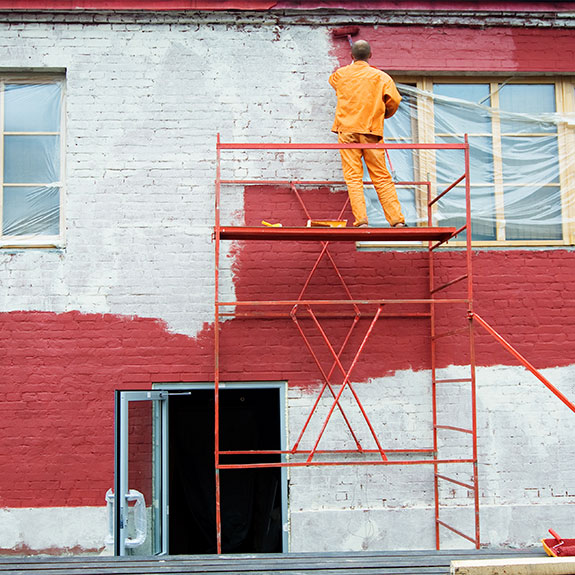
In addition, for minor repairs or touch-ups, it is beneficial to have a small amount of the original paint and the necessary tools to apply it on hand, so that quick and convenient repairs can be made when necessary.
This proactive approach allows you to quickly fix any minor problems before they become more serious, contributing to the overall maintenance and care of your home’s exterior.
Whether it’s a minor touch-up or a more extensive repair, keeping an eye on the condition of painted surfaces and taking proactive steps to maintain and restore them is key to preserving the charm and protection of your home.
Keep or repeat
Over time, external factors such as weather, sunlight, and the natural aging of materials can affect the condition and appearance of your home’s painted surfaces. Therefore, it is important to establish a maintenance plan that includes regular inspections, cleaning, and periodic repainting to maintain the protective and visual qualities of the exterior.
By maintaining a consistent maintenance schedule and monitoring any signs of wear or damage, you can extend the life of the paint and overall protection of your home’s exterior, minimizing the need for extensive and frequent repainting.
When it is time to repeat the painting process, consider the annual maintenance cycle in your region, specific environmental conditions, and the manufacturer’s recommendations regarding the longevity of the existing paint.
By keeping these factors in mind and staying on top of the condition of your home’s exterior, you can schedule repainting according to maintenance needs and ensure that your home continues to benefit from a well-maintained and visually appealing exterior.
Conclusion
In conclusion, by following a series of careful steps and selecting the right materials, you can successfully repaint the exterior of your home without making any mistakes. Regular maintenance and attention to detail will ensure a durable and beautiful finish. Keep these tips in mind for a hassle-free painting experience.
What is the best type of exterior paint?
Acrylic or latex-based paints are ideal, as they are weather-resistant, offer great adhesion, and retain their color for longer.
Why is it important to apply primer before painting?
Primer improves adhesion, seals porous surfaces, and prevents stains, ensuring a uniform and more durable finish.
What are the ideal weather conditions for painting exteriors?
It is recommended to paint at temperatures between 10°C and 29°C and humidity below 70% to avoid drying and adhesion problems.
How often should an exterior facade be repainted?
It depends on the quality of the paint and exposure to the weather, but on average, every 5 to 10 years is recommended with good maintenance.
What tools are recommended for painting the exterior of a house?
High-quality brushes, rollers, and sprayers enable uniform application, better coverage, and a professional finish.