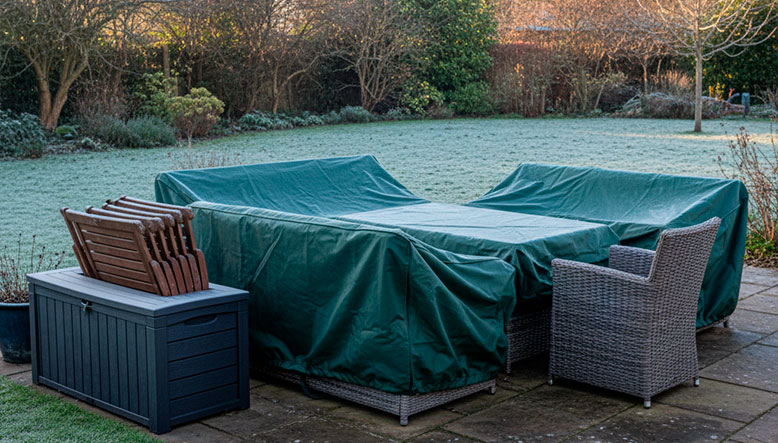
During the winter months, it is important to protect outdoor furniture to extend its life and maintain its appearance. In this article, we will discuss several strategies for protecting your outdoor furniture during the colder seasons.
These tips will ensure that your furniture stays in excellent condition, ready to be enjoyed for many seasons to come.

Thorough cleaning and drying
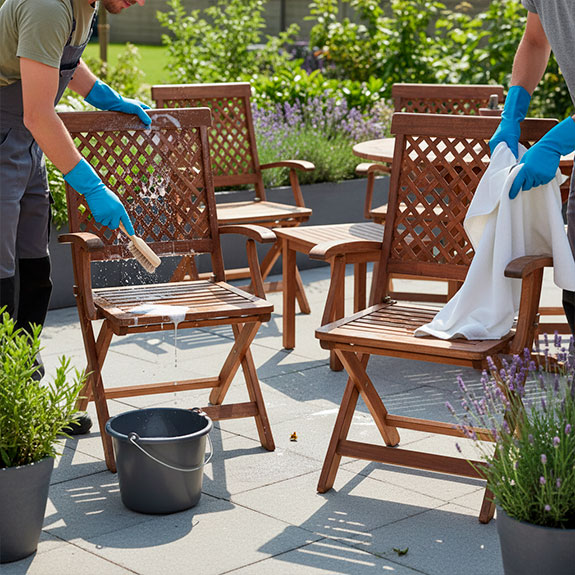
One of the most important steps in protecting your outdoor furniture during winter is to clean and dry it thoroughly. Before the cold season arrives, it is essential to clean all outdoor furniture and remove dirt, leaves, and any other debris that has accumulated.
Use a mixture of soap and water to gently scrub the surfaces, taking care not to use abrasive materials that could cause damage. Once the furniture is clean, make sure it is completely dry.
Moisture left on furniture can lead to mold growth, which can cause irreversible damage if left untreated. After cleaning, store furniture in a well-ventilated area to ensure it is completely dry before taking further protective measures.
In addition to cleaning and drying, it is important to consider using protective products that are suitable for the specific materials used in your outdoor furniture. For wooden furniture, consider applying a protective coat of oil or a specific wood sealant.
This helps replenish the wood’s natural oils and creates a protective barrier against harsh winter elements. For metal furniture, thorough cleaning followed by the application of rust-resistant paint or a protective coating is essential to prevent corrosion.
When it comes to plastic furniture, make sure it is stored in a place that is not subject to extreme temperature fluctuations, and consider using a protective cover to shield it from the cold.
In addition, it is important to allow furniture to dry completely in the open air after cleaning, as any remaining moisture can cause mold to grow. This is especially crucial in the case of wooden furniture, as excess moisture can be absorbed by the wood and cause it to warp or crack.
By taking the time to properly clean and dry your outdoor furniture, you will be laying a solid foundation for its protection during the winter months. Investing in high-quality, durable furniture covers is another key aspect of your protection strategy, and these should be chosen based on the specific materials of your furniture for best results.
Storage in a dry and ventilated place
Another essential aspect of protecting outdoor furniture during the winter is to ensure that it is stored in a dry, well-ventilated place. Whenever possible, it is best to store furniture in an enclosed, dry space, such as a shed or storage room.
This helps protect furniture from inclement weather, such as humidity and extreme cold. In cases where it is not possible to store them indoors, it is essential to use high-quality, weather-resistant furniture covers. These covers should be designed to allow air circulation while protecting furniture from rain, snow, and frost.
This dual approach of physical storage and protective covers can significantly extend the life of outdoor furniture and ensure that it remains in good condition for the next outdoor season.
Before storing furniture, consider raising it off the ground, especially if it is placed directly on a hard surface. Using pallets or lifting platforms can help prevent moisture absorption from the floor, which is especially important for wooden furniture.
In addition, if the furniture has adjustable components, such as legs or reclining sections, be sure to place them in the highest position to avoid contact with potentially wet surfaces.
In the absence of dedicated storage space, covering furniture with well-fitting breathable covers can be an effective alternative to protect it from harsh winter weather, while allowing adequate ventilation to prevent moisture buildup.
Specific protection according to materials
Protecting your outdoor furniture during the winter months requires a tailored approach, taking into account the specific materials used in the furniture. For wooden furniture, it is recommended to apply a protective coat of oil or a specific wood sealant before the winter season begins.
This not only nourishes the wood and helps maintain its natural shine, but also forms a protective barrier against moisture and extreme temperatures. When it comes to metal furniture, be sure to clean it thoroughly and apply a coat of rust-resistant paint or protective lubricant to prevent corrosion.
Although plastic furniture is inherently resistant to rust and rot, it can become brittle in extremely cold conditions, so it is important to store it in a protected place or cover it with suitable covers.
Wood
When it comes to protecting outdoor wooden furniture during the winter, it is essential to apply a suitable protective finish. One of the best options for this is to use teak oil or a specialized protective coating for wood.
These products are designed to penetrate the wood and form a protective layer that helps shield it from the harmful effects of moisture, extreme temperatures, and UV rays. Applying these protective finishes at the beginning of the winter season not only helps preserve the natural beauty of the wood, but also extends the life of the furniture, allowing you to enjoy it for many seasons to come.
Whether it’s a teak dining set, a eucalyptus lounge chair, or a natural wood umbrella, applying a suitable protective product is an essential step in preparing wooden outdoor furniture for winter.
Outdoor wooden furniture is particularly vulnerable to the effects of inclement weather, and without adequate protection, it can suffer problems such as warping, cracking, and discoloration.
By taking the time to apply a high-quality protective coating, you are investing in the long-term durability and visual appeal of your outdoor furniture. It is important to choose products specially formulated for wood care and to follow the manufacturer’s instructions for the application process.
In addition to protective coating, regular cleaning and maintenance, such as gently removing dust and debris, will help keep your wooden furniture in optimal condition during the winter months.
Metals
In the case of metal outdoor furniture, protection during the winter months consists of preventing rust and corrosion.
Start by giving it a thorough cleaning to remove any dirt or debris. Once clean, make sure the furniture is completely dry, then apply a thin, even coat of rust-inhibiting paint or protective lubricant to all exposed metal surfaces. This helps create a barrier that prevents moisture from coming into contact with the metal, reducing the risk of rust and deterioration.
Whether it’s a wrought iron bistro set, an aluminum lounge chair, or a steel umbrella stand, taking the time to apply a rust-resistant coating can make a significant difference in the long-term condition of your outdoor metal furniture.
One of the common culprits of outdoor metal furniture is moisture buildup, which can lead to rust and corrosion.
By implementing a proactive protection strategy that includes regular cleaning, applying rust-resistant coatings, and using breathable, weather-resistant covers, you can effectively shield your metal outdoor furniture from the potentially damaging effects of winter weather.
This not only helps maintain the visual appeal of the furniture, but also ensures that it is prepared to withstand inclement weather and can be enjoyed for many more outdoor gatherings.
Plastic
Plastic outdoor furniture is known for its durability and low maintenance, but during winter it is important to take some protective measures to prevent possible damage. Although plastic is naturally resistant to rot, when exposed to extremely cold temperatures it can become more brittle.
To protect plastic furniture during the winter, it is advisable to store it in a sheltered place, such as a shed or basement, or to use high-quality weatherproof covers to protect it from direct exposure to cold, snow, and rain.
Covering your furniture with breathable, snug-fitting covers will prevent condensation from forming and reduce the possibility of cracking, ensuring that your furniture remains in perfect condition for the next outdoor season.
Use of chests
Storage chests are not only practical for storing garden cushions and other textiles, but can also be an effective solution for protecting a wide range of outdoor items, such as small furniture, gardening tools, and decorative accessories.
These chests are usually made from durable, weather-resistant materials such as high-density polyethylene, polyethylene resin, or aluminum, making them ideal for outdoor use.
When choosing an outdoor storage chest, it is essential to consider its size, capacity, and features such as water-resistant seals and a strong, supportive construction to withstand various weather conditions.
By using storage boxes to keep a variety of outdoor items organized and protected, you can contribute to the overall maintenance and upkeep of your outdoor space, ensuring that everything is in perfect condition when the time comes to enjoy it again.

Additional considerations
In addition to specific protection strategies for different materials, there are several important considerations to keep in mind when it comes to the general care and maintenance of outdoor furniture during the winter months.
One of these is raising furniture off the floor to prevent moisture absorption and possible rot or deterioration, especially in the case of wooden furniture. Using coasters, risers, or sturdy pallets can help create a barrier between the furniture and potentially damp flooring, ensuring that it remains dry and protected.
In addition, when using protective covers for outdoor furniture, it is essential to choose covers that fit well and are securely fastened to prevent them from coming loose due to wind or other external elements.
Another crucial aspect is the regular inspection of furniture during the winter months. Taking the time to periodically check the condition of furniture, as well as the condition of protective measures such as covers and stored items, allows you to detect any problems or areas of concern early on.
This proactive approach allows for timely intervention and maintenance, helping to resolve minor issues before they become serious and ensuring that outdoor furniture remains in optimal condition throughout the winter and beyond.
By taking these additional considerations into account and regularly monitoring the condition of your outdoor furniture, you actively contribute to its longevity and the enjoyment it provides season after season.
Raise the furniture off the floor
A practical and effective way to protect outdoor furniture from potential winter damage is to raise it off the ground.
This simple but effective measure helps prevent problems such as moisture absorption, mold, and rot, especially in the case of wooden furniture. By using coasters, coasters, or specialized furniture risers, you can create a barrier that protects them from direct contact with potentially damp or cold floors.
Raising furniture also helps promote air circulation and minimize moisture buildup, contributing to its overall condition and longevity, and ensuring that it is in excellent condition when the outdoor season resumes.
Secure and snug fits for covers
When using protective covers for outdoor furniture, it is essential to ensure that they are securely and tightly fitted to provide the intended level of protection. This is especially important in winter, when strong winds, rain, and snow can affect the integrity of the covers.
If you choose covers with snaps, straps, or other fastening mechanisms, and make sure they are tightened securely, you will prevent them from coming loose and minimize the risk of water and debris accumulation.
Regularly check the condition of the covers and how well they fit so you can make any necessary adjustments, and replace worn or damaged covers to maintain maximum protection for your outdoor furniture.
Conclusion
In conclusion, there are various strategies for protecting garden furniture during the winter months, such as thorough cleaning and drying, storing it in a dry, well-ventilated place, using specific protection depending on the material, and using storage boxes.
It is also important to consider raising furniture off the floor and ensuring that covers are secure and snug. By implementing these measures, you can extend the life of your garden furniture and ensure that it remains in good condition for many seasons to come.
How to protect garden furniture during winter?
Clean and dry each piece thoroughly, use breathable covers, and store furniture in a dry, well-ventilated space to prevent moisture and deterioration.
Which covers are best for outdoor furniture in winter?
Waterproof and breathable covers, with secure, wind-resistant fastenings, are ideal for preventing condensation, mold, and weather damage.
How to protect outdoor wooden furniture in winter?
Apply oil or a specific sealant, avoid direct contact with the ground, and cover them with breathable covers to keep them dry and nourished.
What care do metal furniture need in winter?
Clean them thoroughly, dry them, and apply paint or rust inhibitor to prevent corrosion caused by moisture, rain, or snow.
Is it advisable to store garden furniture indoors during the winter?
Yes, whenever possible. A dry shed, garage, or storage room greatly extends its useful life and reduces the risk of damage from moisture or extreme cold.