Outdoor flooring is essential for ensuring safety in areas exposed to changing weather conditions. Regular maintenance of non-slip flooring is crucial for preserving its effectiveness and extending its useful life.
This article will discuss the importance of regularly cleaning and inspecting outdoor non-slip flooring to maintain its safety features.
We will also provide advice on how to properly clean and care for these surfaces to ensure their longevity.

Importance of good maintenance
Ensuring the safety of outdoor environments is a top priority, especially in areas exposed to variable weather conditions.
Non-slip outdoor flooring plays a key role in preventing slips and falls, especially when wet. Surfaces such as patios, terraces, pool areas, and outdoor stairs can become dangerous if not properly maintained.
By maintaining the effectiveness of non-slip flooring, property owners can minimize the risk of accidents and create a safe and pleasant environment.
Proper maintenance of non-slip surfaces is crucial to maintaining their functionality and long-term performance.
The accumulation of dirt, debris, and contaminants on textured surfaces can decrease their slip resistance and compromise safety. In addition, regular inspection and maintenance of these floors are essential to address any wear and tear, ensuring that they continue to provide a safe walking surface in outdoor environments.
With proper maintenance practices, homeowners can extend the life of their outdoor non-slip flooring while preserving its visual appeal.
Through regular cleaning, proactive inspection, and immediate treatment of damaged areas, the long-term effectiveness of slip-resistant surfaces can be maintained, contributing to overall safety and user satisfaction in outdoor spaces.
Regular cleaning
Regular cleaning is essential to maintain the effectiveness of outdoor non-slip flooring.
The cleaning process plays a key role in removing dirt, debris, and potentially hazardous substances from the surface, thereby maintaining its slip-resistant properties.
It is recommended to establish a routine cleaning regimen to deal with the daily accumulation of dirt and other contaminants and prevent the buildup of more persistent stains or residues.
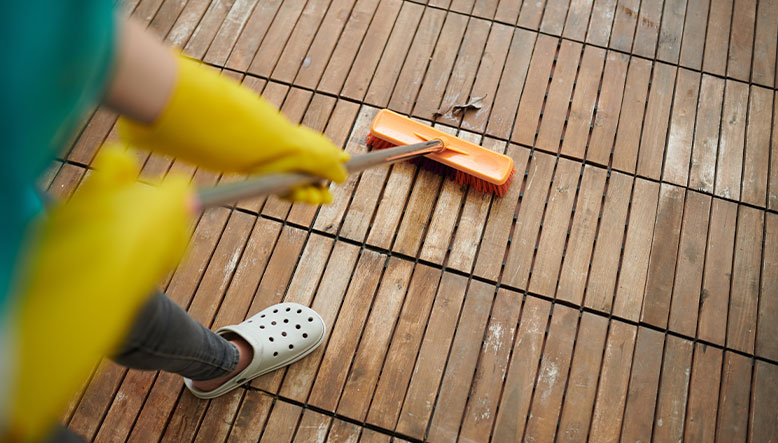
In the case of non-slip exterior surfaces, the cleaning process usually consists of sweeping or vacuuming to remove loose particles, followed by scrubbing with a solution of warm water and mild detergent.
This approach effectively removes surface dirt and helps maintain the adherent texture of the floor, which is crucial for slip resistance.
In addition, the use of a soft bristle brush or mop can avoid the risk of damaging the surface texture while ensuring a thorough cleaning process.

Remove dirt and debris
Removing dirt, grime, and other debris from outdoor non-slip flooring is a proactive measure to prevent the buildup of stubborn stains and preserve the surface’s slip resistance.
In areas with heavy foot traffic or exposed to the elements, the accumulation of contaminants is common and requires regular attention. Through consistent cleaning efforts, owners can maintain the integrity and safety of outdoor walking surfaces.
Using appropriate cleaning techniques, such as a mixture of warm water and mild detergent, is key to dislodging and removing embedded dirt and debris without compromising the surface’s slip-resistant properties.
This comprehensive approach to removing dirt and debris helps maintain the effectiveness of the gripping texture, ensuring the safety and functionality of outdoor non-slip flooring.
Suitable cleaning products
When it comes to maintaining outdoor non-slip flooring, the choice of cleaning products is a critical consideration.
Opting for pH-balanced, non-abrasive detergents is essential to avoid any potential damage to the surface while effectively removing dirt and grime.
Products specifically formulated for cleaning textured or non-slip surfaces can offer an added advantage in maintaining the effectiveness of the flooring’s non-slip properties.
In addition, avoiding harsh chemicals or abrasive cleaners is imperative, as these substances can damage the surface texture and reduce its ability to provide effective slip resistance.
By selecting and using the right cleaning products, homeowners can maintain the hygienic condition and functional integrity of their outdoor non-slip flooring.
Periodic Inspection
Regular inspection of outdoor non-slip flooring is a proactive practice that allows for early detection of any surface deterioration or loss of slip resistance.
Factors such as sun exposure, humidity, and regular wear and tear can affect the performance of the anti-slip treatment over time.
By periodically assessing the condition of surfaces, owners can address any issues in a timely manner through proper maintenance and re-treatment, as needed.
Periodic inspection involves a visual and tactile assessment of the floor surface to identify any signs of wear, damage, or reduced slip resistance.
This proactive approach allows owners to quickly take corrective measures, such as reapplying anti-slip treatments to areas showing wear, thereby preserving the effectiveness of the anti-slip properties.
Identification of deteriorated areas
During periodic inspection of outdoor slip-resistant flooring, it is important to identify and repair any areas that show signs of deterioration or compromised slip resistance.
This may include localized patches that have worn away, become discolored, or become smooth, indicating a decrease in the soil’s ability to provide effective traction in wet conditions.
By identifying and addressing these specific areas, property owners can maintain the safety and performance of outdoor walking surfaces.
Based on the results of the inspection, specific maintenance efforts can be carried out, such as reapplying anti-slip treatments or performing localized repairs, to restore optimal slip resistance and visual condition to the affected areas.
This individualized approach to maintenance, guided by the identification of deteriorated areas, is essential to maintaining the overall integrity and safety of outdoor non-slip flooring.
Specific anti-slip treatments
In cases where specific areas of outdoor non-slip flooring show signs of wear or reduced slip resistance, the application of specific anti-slip treatments can effectively restore the safety and functionality of the affected surfaces.
Specialized treatments designed for slip-resistant surfaces offer a means to address localized problems and restore the desired level of traction and safety, especially in high-traffic or exposed outdoor areas.
By choosing and applying anti-slip treatments specifically formulated for the maintenance and reconditioning of outdoor anti-slip flooring, owners can proactively protect against loss of slip resistance and ensure the continued safety and usability of outdoor walking surfaces.
This approach to specific anti-slip treatments is a versatile and practical solution to meet the specific maintenance needs of outdoor anti-slip flooring.
Follow the manufacturer’s recommendations.
Following the specific maintenance recommendations provided by the manufacturer of the non-slip outdoor flooring is essential for maintaining the effectiveness and longevity of the surface.
Manufacturers typically provide guidelines and best practices tailored to the particular type of slip-resistant treatment used in their products, covering cleaning methods, maintenance frequency, and retreatment intervals.
By following these manufacturer-recommended practices, owners can ensure that their outdoor non-slip flooring receives the proper care and maintenance necessary to maintain its safety and functionality.
Adherence to the manufacturer’s recommendations is a proactive and essential approach to maintaining the quality and performance of outdoor slip-resistant surfaces over time, helping owners create and maintain safe and attractive outdoor spaces.
Practices to Extend Service Life
To extend the life and performance of outdoor slip-resistant flooring, owners can implement a number of proactive practices that contribute to the long-lasting effectiveness of the surfaces.
In addition to regular cleaning and the application of specific maintenance treatments, taking preventive measures, such as using rugs or runners in high-traffic or passage areas, can help reduce floor wear, thereby extending its useful life.
Quickly addressing stains, spills, or any source of potential damage, and periodically re-treating according to the manufacturer’s recommendations, are valuable practices for maintaining the longevity and safety of outdoor non-slip flooring.
By integrating these forward-thinking management strategies into their maintenance routine, property owners can effectively extend the life and performance of their outdoor slip-resistant surfaces while maintaining the overall safety and aesthetics of the outdoor environment.
Importance of Non-Slip Flooring
The use of non-slip surfaces in outdoor environments is extremely important to ensure the safety and well-being of people in areas that are likely to be wet or uneven.
By providing a reliable and effective means of slip prevention, these surfaces contribute significantly to creating safe and risk-free outdoor spaces, such as private homes, commercial establishments, and public facilities.
The deployment of non-slip flooring solutions, coupled with attentive maintenance and care practices, reflects a proactive commitment to prioritizing the safety and comfort of people in outdoor environments.
In light of the inherent characteristics of outdoor environments, such as exposure to moisture, sunlight, and varying levels of foot traffic, the importance of slip-resistant surfaces is amplified, highlighting their role in mitigating the risks of slips and falls.
Whether in the context of private residences, hotel facilities, or recreational areas, the presence of non-slip, well-maintained outdoor flooring increases safety, promotes peace of mind, and contributes to the welcoming and pleasant nature of outdoor spaces.
Continuous attention to the importance of slip-resistant surfaces, along with proper maintenance and care, is essential to promoting the sustained safety and use of outdoor walking surfaces in various settings and environments.
Conclusion
In conclusion, regular maintenance is crucial to ensure the effectiveness of outdoor non-slip flooring.
Proper cleaning and inspection help keep these surfaces safe and functional, reducing the risk of slips and falls.
By following the manufacturer’s recommendations and using appropriate cleaning products, you can extend the life of your non-slip flooring.
With proper care, these floors provide a safe and pleasant environment for outdoor spaces.
How often should a non-slip outdoor floor be cleaned?
We recommend light cleaning on a weekly basis and more thorough cleaning at least once a month, especially in areas exposed to moisture, traffic, or constant dirt. The frequency may increase if leaves, mud, or organic debris accumulate.
Which products are suitable for cleaning non-slip floors?
The best products are neutral detergents, mild degreasers, and cleaners specifically designed for textured flooring.
Avoid abrasive products, strong acids, or pure bleach, as these can wear down the texture and reduce slip resistance.
How can you tell if a non-slip floor has lost its effectiveness?
The main indicators are:
-Smooth or worn areas to the touch
-Loss of roughness
-Difficulty draining water
-Occasional slips when walking on wet surfaces
These signs can be detected early with regular visual and tactile inspections.
Is it necessary to apply anti-slip treatments from time to time?
Yes. Over time, flooring loses its grip due to wear and tear, sun exposure, moisture, or embedded dirt. Regularly applying specific anti-slip treatments helps restore the original traction and extend the flooring’s useful life.
How can you extend the durability of non-slip outdoor flooring?
To extend its useful life, we recommend:
-Cleaning regularly
-Using suitable products
-Avoiding dragging heavy objects
-Protecting high-traffic areas with outdoor rugs
-Applying maintenance treatments as indicated by the manufacturer
These practices help keep your flooring in optimal condition for years to come.