Winter can be challenging for outdoor flooring, but with the right material choice, it is possible to enjoy the outdoors without worrying about ice and moisture.
In this article, we will explore some flooring options that are ideal for withstanding harsh winter conditions, such as porcelain tile, natural stone, composite, and concrete, and what characteristics make them ideal for maintaining a safe, durable, and resilient surface during the colder months.

Porcelain stoneware ceramic tiles
When it comes to outdoor flooring, especially in regions that experience harsh winter conditions, the choice of materials is crucial. Porcelain stoneware tiles have become a popular choice for outdoor spaces due to their exceptional durability, low water absorption, and resistance to extreme weather conditions.
With a moisture absorption rate of less than 0.5%, porcelain ceramic tiles are highly effective at preventing damage caused by freeze-thaw cycles. Their ability to withstand the harshest winter weather conditions makes them an ideal choice for patios, walkways, and other outdoor areas that require reliable and durable paving solutions.
One of the main advantages of porcelain ceramic tiles is their low maintenance. Unlike natural stone or other materials that may need sealing or special treatment to preserve their appearance, porcelain tiles are easy to clean and maintain.
They are available in a wide range of designs, including options that mimic the look of natural stone, making it easy to find a style that complements the aesthetic of any outdoor space. In addition to their visual appeal, porcelain ceramic tiles are also highly resistant to scratches, discoloration, and stains, ensuring that they maintain their beauty and functionality even in high-traffic areas.
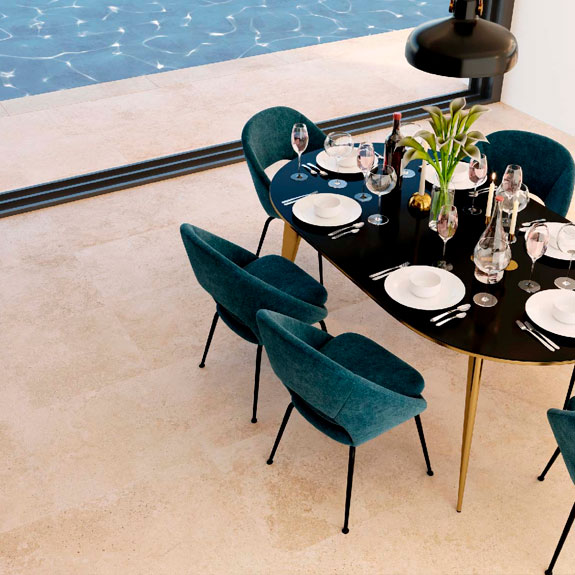
Durability of granite and slate
For outdoor areas that require both aesthetic appeal and robust performance, granite and slate are two natural stone options that stand out for their winter durability. Both materials have a dense structure and low water absorption rate, making them less susceptible to damage from freezing temperatures and ice formation. The natural beauty of granite and slate, with their unique patterns and rich colors, adds an elegant and timeless touch to outdoor spaces, whether it’s granite steps or a slate patio.
The ability of granite and slate to withstand the effects of harsh winter weather, including snow and ice, without cracking or degrading, is a testament to their long-term durability. Its natural slip resistance also increases safety in outdoor areas, especially when it freezes.
Proper maintenance, including periodic application of a suitable stone sealer, can further enhance the longevity and performance of granite and slate in outdoor environments. Whether for a residential patio or commercial landscaping project, the lasting beauty and durability of granite and slate make them the best choice for winter-resistant outdoor flooring.
Composite decking
Composite decking, often characterized by its combination of wood fibers and recyclable plastic, presents a compelling option for outdoor flooring, especially in regions with seasonal climate variations.
The composition of composite decking materials contributes to their resistance to warping, splintering, and rotting, making them well-suited for year-round outdoor use, including during the winter months. Unlike traditional wood decking, composite materials do not require periodic staining or sealing, and are less prone to mold and mildew growth, which can be advantageous in areas with high humidity levels.
One of the notable features of composite wood decking is its availability in a wide variety of colors, finishes, and textures, allowing homeowners and designers to achieve the desired aesthetic for their outdoor spaces.
The non-slip surface of composite wood decking is an essential safety feature, especially in regions where rain and snow can make outdoor surfaces slippery. In addition, its resistance to fading and staining, combined with its low maintenance requirements, makes composite decking a practical and visually appealing choice for patios, terraces, and other outdoor areas exposed to the elements.
Concrete: versatile and weather-resistant
Concrete, widely recognized for its strength and versatility, remains one of the favorite choices for outdoor flooring, and stands up well to the challenges posed by winter weather.
Whether it comes in the form of patterned slabs, stamped designs, or standard pavers, concrete provides a solid and reliable surface for outdoor areas. Its inherent ability to withstand heavy loads and resist impact makes it an ideal choice for driveways, walkways, and patios, where durability and strength are paramount.
One of the significant advantages of concrete is its adaptability to various design styles and finishes. From sleek and contemporary looks to a more rustic and natural appearance, concrete can be molded and finished to complement a wide range of architectural aesthetics.
Its low water absorption and ease of maintenance make it a practical choice for areas exposed to moisture and temperature fluctuations. When subjected to the appropriate sealing and finishing techniques, concrete can exhibit a high level of resistance to the effects of ice, cold, and direct exposure to the elements, ensuring its continued functionality and visual appeal throughout all seasons.
Frost resistance with low water absorption
When considering outdoor flooring options for winter, it is essential to prioritize materials that are frost-resistant and have low water absorption, as these attributes are key to preventing damage and maintaining the integrity of the flooring.
A material’s ability to repel moisture and resist ice formation is essential to protect it from cracking, spalling, and other forms of deterioration caused by freeze-thaw cycles. Whether through the use of advanced manufacturing processes or the approval of specific performance ratings, materials such as porcelain ceramic tiles, granite, slate, composite decking, and well-maintained concrete meet the requirements for frost-resistant outdoor flooring.
By choosing outdoor flooring materials with low water absorption and proven resistance to winter weather, homeowners and developers can ensure that their outdoor spaces remain visually appealing and functional, regardless of the seasonal challenges they may encounter. Furthermore, the longevity and low maintenance requirements of these materials make them a smart investment, offering reliable and durable performance in outdoor environments where exposure to the elements is inevitable.
Safety with Non-Slip Surfaces
In outdoor areas, especially those susceptible to wet and icy conditions, slip resistance is a vital safety feature that should not be overlooked when selecting flooring materials.
Porcelain stoneware tiles, with their textured finishes, natural stone options such as granite and slate, and composite decking are recognized for their intrinsic slip-resistant properties, which can improve the safety of outdoor spaces, including walkways, patios, and terraces.
The ability of these materials to provide reliable traction, even in wet or slippery conditions, adds an extra layer of safety for people using these outdoor areas, reducing the risk of accidents and injuries associated with slips and falls.
Compliance with safety standards and regulations regarding slip resistance, especially in commercial and public outdoor spaces, further underscores the commitment to creating safe and accessible environments for all users.
By incorporating materials with inherently slip-resistant surfaces or textures designed to optimize traction, outdoor areas can be better equipped to mitigate the hazards associated with winter weather, providing peace of mind to both owners and visitors.
This focus on safety when selecting outdoor flooring materials underscores the comprehensive approach to creating functional, welcoming, and safe outdoor spaces that can be enjoyed year-round.
Durability of high-traffic pavements with PEI ratings
When considering outdoor flooring materials that can effectively withstand the rigors of high foot traffic and varying weather conditions, PEI (Porcelain Enamel Institute) ratings serve as a valuable benchmark for evaluating the durability and performance of porcelain ceramic tiles.
The PEI rating, which ranges from 1 to 5 and designates the tile’s resistance to abrasion and suitability for different applications, is particularly relevant for outdoor areas subject to frequent foot traffic. Porcelain tiles with a PEI rating of 5 are considered suitable for intensive residential and commercial use, as they offer exceptional resistance to scratches, impacts, and discoloration, thus ensuring long-term durability and visual appeal in high-traffic outdoor spaces.
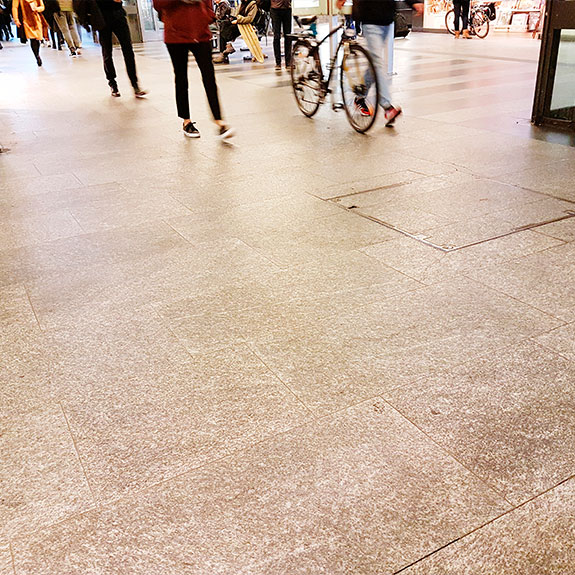
By prioritizing porcelain ceramic tiles with a high PEI rating, homeowners and designers can confidently select materials that have been tested and proven to withstand the demands of outdoor environments, including patios, walkways, and entryways.
This emphasis on durability in high-traffic areas not only extends the life of the flooring, but also minimizes the need for frequent replacement and maintenance, making it a practical and cost-effective choice for outdoor areas where foot traffic and exposure to the elements are constant. The alignment of high PEI-rated porcelain ceramic tiles with the stringent requirements of outdoor spaces underscores the importance of informed decision-making in the pursuit of durable, long-lasting, and aesthetically pleasing outdoor flooring solutions.
Extending the life of natural stone with sealants
Natural stone materials, such as granite and slate, offer a rare combination of timeless elegance and enduring strength, making them highly sought-after choices for outdoor flooring. To maximize the longevity and performance of natural stone in outdoor environments, the application of penetrating sealers is recommended as a means of fortifying the stone against moisture, stains, and the effects of extreme weather conditions, including sub-zero temperatures and ice formation. By penetrating the surface of the stone, sealers create protective barriers that inhibit liquid absorption and prevent the accumulation of harmful contaminants, thus preserving the structural integrity and visual appeal of the stone over time.
Whether used in traditional or contemporary outdoor settings, the natural aesthetics and robust performance of granite and slate align with the demands of outdoor spaces, and the judicious application of sealants contributes to the proactive maintenance of these materials. The longevity and resistance to the elements offered by sealed natural stone make it a reliable and demanding choice for patios, walkways, and outdoor living areas, where the combination of visual splendor and lasting quality is of utmost importance. By practicing the sealing and maintenance of natural stone, homeowners can maintain the intrinsic value and appeal of these materials, ensuring that their outdoor spaces remain a harmonious blend of beauty and strength for years to come.
Adapt to any architectural style with molded designs
One of the compelling attributes of the outdoor flooring options discussed, including porcelain ceramic tiles, granite, slate, composite decking, and well-crafted concrete, is their inherent versatility in adapting to a wide range of architectural styles and design preferences. Whether the goal is to complement a modern, minimalist aesthetic or accentuate the character of a traditional, rustic setting, these materials offer a wide range of design possibilities, from diverse colors and textures to molded patterns and finishes.
This adaptability not only gives outdoor spaces a sense of personalization, but also facilitates the seamless integration of the flooring with the overall design narrative of the property.
By leveraging the design flexibility and aesthetic appeal of molded outdoor paving materials, homeowners can exercise their creativity to craft outdoor environments that resonate with their individual style and taste.
Whether it’s the contemporary appeal of large-format porcelain stoneware tiles or the natural, aged elegance of slate, the rich tapestry of designs and finishes available allows homeowners and designers to realize their vision of outdoor spaces that harmonize with the overall architectural aesthetic of the property.
This unifying capacity of molded outdoor flooring materials, underscored by their strength and adaptability, makes them an invaluable asset in the quest to create outdoor spaces that are as visually captivating as they are resilient in performance.
Conclusion
In summary, choosing the right outdoor flooring for winter is crucial for withstanding freezing temperatures, ice, and moisture.
Porcelain stoneware tiles, granite, slate, composite decking, and concrete are recommended materials that offer frost resistance, non-slip surfaces, durability, and the ability to adapt to different architectural styles.
Consider its low water absorption, PEI ratings, and the use of sealants for greater longevity.