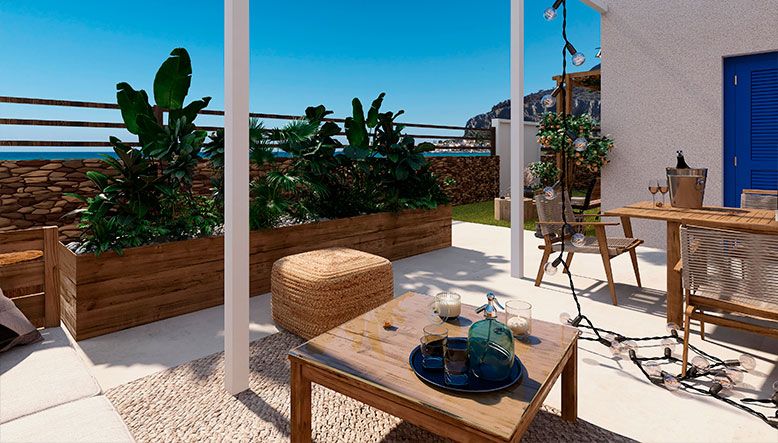
By 2026, terraces and outdoor spaces will become functional and aesthetically pleasing extensions of our homes, reflecting a deeper connection with nature and a focus on well-being.
One of the most notable trends is the creation of urban mini-oases, designed to be used to their full potential with features such as reading corners, bars, lounges, outdoor showers, and hammocks.
Even in smaller areas, the goal is to create well-being and functionality.
The color palette will be inspired by nature, with earthy tones, rich greens, terracottas, and creams dominating the scene.
Organic materials such as untreated wood, stone, linen, and rustic ceramics will enhance the authentic and natural aesthetic.
Sustainability and functionality will merge in the trend of designer edible gardens, which allow you to grow food even in the smallest spaces without compromising on style.
Effective lighting will play a crucial role in creating welcoming environments with low, soft, and directed lighting, such as beacons in flower beds, warm garlands, LED candles, rechargeable lanterns, and solar lamps integrated into the greenery.

Creation of urban mini-oases
By 2026, the trend in outdoor spaces such as patios and gardens has evolved to encompass the idea of “urban mini-oases.”
These are not just ordinary backyards or balconies, but functional and aesthetically pleasing extensions of our living spaces.
Creating a mini oasis in an urban environment, regardless of its size, is a testament to the human desire to connect with nature, seek tranquility, and make the most of the available space.
Incorporating various elements, such as green areas, water features, and cozy corners, these compact outdoor spaces are being transformed into urban paradises that exude a sense of harmony and relaxation.
Whether it’s a small terrace, a pocket garden, or a balcony oasis, the concept revolves around optimizing the potential of these spaces and infusing them with natural beauty and functionality, promoting a lifestyle that embraces the outdoors and the benefits of fresh air and nature.
In addition, the integration of outdoor kitchens, fire pits, and multifunctional furniture has become an essential tool for maximizing the use of these mini oases.
It is about creating a seamless transition between indoor and outdoor living and redefining the traditional perception of outdoor spaces.
The incorporation of vertical gardens, container plantings, and outdoor art installations not only enhances visual appeal but also demonstrates a sustainable and innovative approach to urban gardening and landscaping.
These elements come together to form a cohesive and welcoming environment that allows people to escape the hustle and bustle of urban life and enjoy moments of solitude, leisure, and communion with nature, right next to their home.
Essentially, the concept of urban mini-oases is a celebration of adaptability, creativity, and a deep respect for the environment, reflecting a shift toward a more conscious and harmonious coexistence with nature, even in the most limited spaces.
By adopting this approach, individuals can cultivate their own piece of paradise, contributing to the overall improvement of the urban landscape and their personal well-being.
Natural color palette
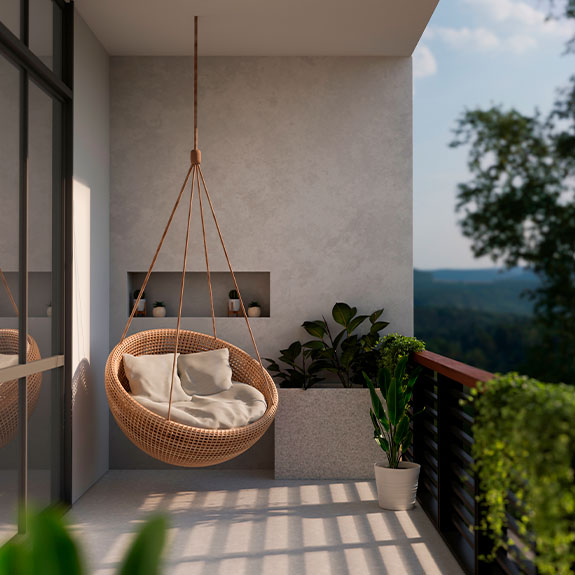
When it comes to the color palette for outdoor spaces in 2026, the prevailing trend is a celebration of natural tones. Inspired by the earthy hues and lush greenery found in nature, the colors dominating the scene include rich greens, warm creams, and a range of earthy neutrals.
These colors are not only visually soothing and timeless, but they also reflect a deep appreciation for the environment, further reinforcing the idea of creating harmonious and tranquil outdoor settings.
Whether in the choice of furniture, plant pots, or decorative accents, the use of these colors serves to blur the boundaries between indoors and outdoors, fostering a sense of unity and coherence within the overall design scheme.
In addition, the incorporation of natural materials such as untreated wood, stone, and clay in outdoor furniture and structures complements the color palette, adding an extra layer of authenticity and organic charm.
The seamless integration of these elements blurs the lines between the built environment and the natural world, creating a visual and tactile connection that is both grounding and invigorating.
In 2026, emphasis will be placed on creating outdoor spaces that exude a sense of timelessness and tranquility, inviting people to immerse themselves in the beauty of their surroundings while promoting a lifestyle that values sustainability, relaxation, and a deep connection with nature.
Organic and sustainable materials
In the realm of exterior design for 2026, the emphasis on organic and sustainable materials has become a defining feature of modern terraces and gardens.
Whether choosing furniture, flooring, or decorative elements, integrating materials that are not only environmentally friendly but also durable and low-maintenance is an absolute priority.
The use of materials such as sustainably sourced wood, natural stone, and eco-friendly composites not only minimizes environmental impact, but also ensures that outdoor spaces are built to withstand the test of time and the elements.
This aligns with the overall trend of creating outdoor environments that are not only visually stunning and welcoming, but also responsible and resilient, reflecting a deep sense of environmental stewardship and ethical design practices.
Furthermore, the incorporation of sustainable practices such as rainwater harvesting, outdoor solar lighting, and native plant species further reinforces the ecological ethos of these spaces.
By carefully selecting materials and integrating sustainable elements, outdoor spaces in 2026 will not only be showcases of beauty and style, but also models of environmental awareness and harmonious coexistence with nature.
The result is a landscape that not only delights the senses, but also serves as a testament to the positive impact of thoughtful and responsible design, showing a deep reverence for the planet and a commitment to fostering a more sustainable and environmentally friendly way of life.
Designed urban gardens
The trend of integrating edible elements into outdoor spaces has evolved into a perfect blend of functionality and aesthetics in 2026.
Urban gardens are no longer just practical sources of food, but have become a design statement in themselves.
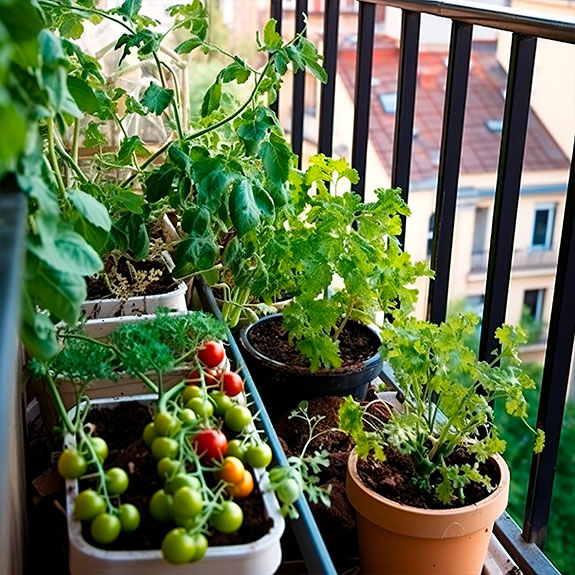
The use of sustainable and visually appealing elements, such as raised black wrought iron planters, wicker pots, and vertical gardening structures, not only allows herbs, vegetables, and fruits to be grown in limited spaces, but also infuses style and elegance into these areas.
By incorporating these elements into the overall design, edible urban gardens transcend their utilitarian purpose and become an integral part of the visual and sensory experience of outdoor living areas.
In addition, the fusion of culinary and ornamental plants, the careful selection of plant varieties, and the incorporation of artistic and functional accessories, such as custom-designed trellises and herb spirals, elevate the concept of urban gardening to a whole new level.
This not only adds a dynamic and vibrant aesthetic to outdoor spaces, but also fosters a deep appreciation for the food we consume and the natural systems that sustain us, creating a harmonious and holistic approach to outdoor living.
In 2026, the integration of edible gardens with thoughtful and deliberate design elements reflects the growing recognition of the importance of local and sustainable food production, while redefining the traditional boundaries between utilitarian spaces and landscape beauty, setting a new standard for outdoor spaces of the future.
Cozy and warm lighting
By 2026, the role of lighting in outdoor spaces has transcended its functional purpose and become an essential tool for creating captivating and welcoming atmospheres.
The prevailing trend in outdoor lighting revolves around the use of soft, warm, low-intensity luminaires, strategically placed to highlight architectural features, natural elements, and gathering areas.
Whether through the soft glow of LED candles, the enchanting sparkle of fairy lights, or the subtle illumination of recessed lighting, the goal is to create a harmonious and charming atmosphere that extends the enjoyment of outdoor spaces well into the night.
In addition, the integration of solar lights, path lights, and landscape spotlights not only offers a sustainable and energy-efficient lighting solution, but also allows for the seamless integration of lighting into the natural terrain, enhancing the charm and safety of outdoor paths, water features, and flower beds.
By adopting these innovative and environmentally friendly lighting options, outdoor spaces in 2026 are transformed into enchanting and magical retreats after sunset, inviting people to relax, socialize, and enjoy the warm and welcoming glow of their outdoor environments, all while minimizing their ecological footprint and adopting a more sustainable way to illuminate and enjoy their outdoor living areas.
Incorporation of outdoor art
As trends in outdoor décor continue to evolve, the integration of artistic elements into outdoor spaces has emerged as a prominent and influential design strategy in 2026.
Whether through sculptural installations, artistic murals, or curated art exhibitions, incorporating art into outdoor environments not only elevates the visual and cultural landscape, but also lends a sense of individuality, creativity, and personal expression to the outdoor living environment.
The juxtaposition of art against the backdrop of nature creates a dynamic and provocative dialogue, blurring the boundaries between the realms of culture and the natural world, and infusing outdoor spaces with a rich and diverse tapestry of artistic expression and inspiration.
Furthermore, the intentional selection of artwork that harmonizes with the environment, the incorporation of interactive and experiential art installations, and the integration of local and indigenous art forms further enrich the cultural and sensory experience of outdoor living, providing a platform for storytelling, cultural exchange, and the celebration of human creativity and ingenuity.
By promoting the presence of art in outdoor spaces, people not only create visually captivating and intellectually stimulating environments, but also contribute to the vitality and richness of the cultural fabric, fostering a deep and meaningful connection between people, art, and the natural world, and establishing outdoor living areas that are not only visually stunning, but also culturally resonant and profoundly transformative.
Functional and aesthetically pleasing spaces
The evolution of outdoor spaces in 2026 reflects a perfect blend of functionality and aesthetics, where the design focus is on creating spaces that are not only visually appealing, but also highly functional and versatile.
Whether selecting outdoor furniture, designing entertainment areas, or arranging the layout, the goal is to create multifunctional, adaptable environments that accommodate a wide range of activities, from quiet relaxation to outdoor dining and social gatherings.
The deliberate selection of furniture, strategic zoning of outdoor areas, and integration of purposeful and versatile design elements underscore the commitment to maximizing the utility and livability of outdoor spaces while maintaining a high-end, visually captivating aesthetic.
Furthermore, the seamless integration of indoor and outdoor living areas, careful consideration of flow and circulation, and the creation of harmonious environments from a visual, physical, and functional standpoint not only blur the distinctions between indoors and outdoors, but also establish a cohesive and interconnected lifestyle anchored in the seamless fusion of functionality and beauty.
This approach not only optimizes the use of available space and resources, but also cultivates a deeply immersive and enriching outdoor living experience that harmonizes the demands of daily life with the serenity and appeal of the natural world, fostering a lifestyle that is as functional and practical as it is visually enchanting and deeply satisfying.
Conclusion
By 2026, we can expect to see terraces and outdoor spaces transformed into functional and aesthetically pleasing extensions of our homes, reflecting a deeper connection with nature and a focus on well-being.
The trend of creating mini urban oases will continue to thrive, with compact spaces designed for maximum use and enjoyment. The color palette will be inspired by nature, with earthy tones, rich greens, terracotta, and cream.
Sustainable and natural materials, such as untreated wood, stone, linen, and rustic ceramics, will dominate the scene.
The integration of edible gardens into the design will also continue, promoting sustainability and functionality in an elegant way.
Lighting will play a key role in creating cozy atmospheres, with low, warm lighting options such as lanterns, string lights, and solar lamps becoming increasingly common.
Biophilic design, which incorporates real plants, natural materials, and warm lighting, will also continue to gain popularity, creating spaces that promote well-being and connection with the natural environment. In addition, the incorporation of outdoor art will serve as a trend for exploring space.
What will be the main trends in terraces for 2026?
Terraces in 2026 will be designed as extensions of the home, with functional and welcoming spaces. Trends such as mini urban oases, natural materials, designer urban gardens, warm lighting, and multifunctional furniture will be prominent.
What colors will be in style for terraces and gardens in 2026?
The color palette will be inspired by nature, with earth tones, intense greens, terracotta, cream, and warm neutrals predominating. These colors help to create relaxing and harmonious environments.
What materials will be used most in modern terraces?
The most commonly used materials will be natural wood, stone, rustic ceramics, linen, and sustainable materials. The trend favors durable, eco-friendly elements with a natural aesthetic.
How can you incorporate an urban garden into a small terrace?
Vertical gardens, hanging planters, or raised beds can be used to grow herbs, vegetables, or fruits. This combines functionality, sustainability, and design even in small spaces.
What type of lighting is recommended for outdoor spaces?
The trend is to use warm, soft lighting, such as string lights, garden beacons, solar lamps, LED candles, or rechargeable lanterns, to create cozy atmospheres at night.