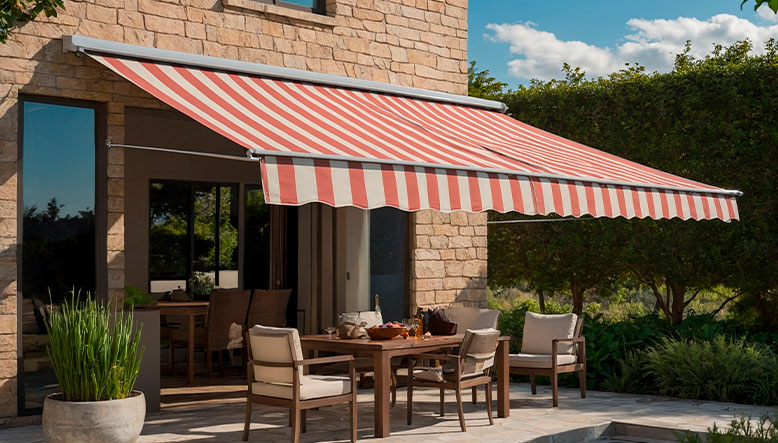
In winter, awnings can still be useful if they are properly cared for. To keep them in good condition and extend their useful life, it is essential to follow a few recommendations.
This article will discuss the use of awnings in winter and offer tips for their maintenance and protection, as well as for their proper storage and inspection.

Usage
When winter arrives, it is important to know how to properly use and maintain your awnings so that they continue to provide the desired protection and functionality.
Awnings are not only useful for providing shade and protection from the sun in the warmer months, but they can also be beneficial during the winter. They can help protect against the cold, wind, and rain, allowing for continued use and enjoyment of outdoor spaces, even in less than ideal weather conditions.
In addition, they can protect outdoor furniture and accessories from harsh winter weather, preventing damage and premature wear and tear.
To get the most out of your awnings during the winter months, it is essential to follow specific maintenance and usage recommendations to ensure that they remain in good condition and continue to perform effectively.
By following these guidelines, you can extend the life of your awnings and keep them in optimal working condition, even during seasons when they are used less frequently.
Maintenance and protection
Proper maintenance and protection of your awning should be a top priority, especially in winter, when they face a different set of challenges and weather conditions.
To begin with, it is essential to clean the awning fabric to remove any dirt, debris, or mold that may have accumulated. accumulated. This can be done by gently brushing away loose particles and using a mild soap solution and water to clean the fabric. , making sure to rinse it thoroughly and remove any residue.
In addition, it is important to allow the fabric to dry completely before folding or storing the awning to avoid moisture-related problems such as mold.
Another crucial aspect of maintaining your awning in winter is to carefully inspect and care for the support structure and hardware.
This includes reinforcing and securing supports and frames, as well as addressing any signs of wear or damage. Lubricating moving parts, such as hinges and joints, can help ensure proper functioning and prevent rust or corrosion issues.
If you are proactive in performing these maintenance tasks, you can extend the life of your awnings and ensure that they remain in good condition throughout the winter.
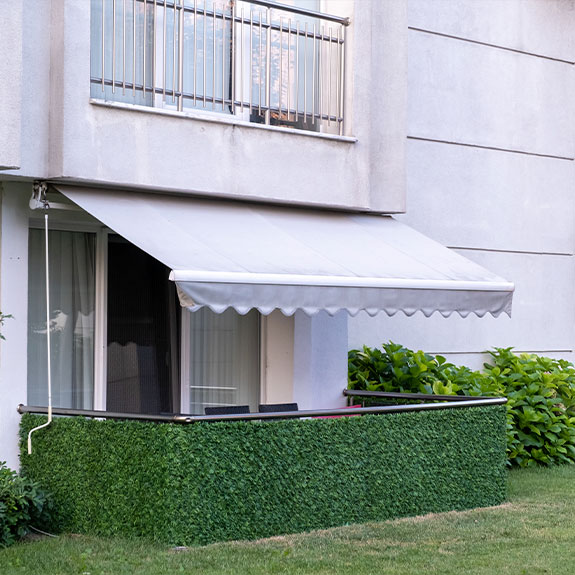
Clean the fabric
Cleaning the fabric of your awnings is a fundamental part of their maintenance, especially to prepare them for the winter months.
The accumulation of dirt, grime, and organic matter can not only affect the appearance of the awning, but can also cause deterioration of the material if left untreated. To clean the fabric, you can use a soft brush or a vacuum cleaner with a brush attachment to gently remove dirt and debris.
Next, a solution of mild soap and water can be applied to the fabric, and it is recommended to use a soft cloth or brush to help the solution penetrate the fabric. Rinsing with clean water and ensuring that the fabric is completely dry is the final step in the cleaning process, and it is important to do this before moving on to the next maintenance tasks.
By incorporating regular, thorough cleaning of the awning fabric into your maintenance routine, you can help prevent stains or damage caused by the accumulation of dirt and organic material.
This not only helps maintain the aesthetic appeal of your awnings, but also contributes to their longevity and performance, making it a vital aspect of winter preparation.
Dry before storing.
Once the cleaning process is complete, it is important to ensure that the awning fabric is completely dry before folding or storing it.
Any remaining moisture can create an environment for mold to grow, leading to unpleasant odors and possible damage to the fabric. Therefore, it is essential to take the time to air dry the fabric or gently dry it with a clean, absorbent cloth.
Once you have confirmed that the fabric is completely dry, it can be stored carefully and neatly to ensure that it is protected from possible winter damage and ready for use when needed.
Removing the fabric from the awning properly before storing it not only helps prevent moisture-related problems, but also ensures effective use of the awning the next time it is needed.
By consistently including it in your winter awning maintenance routine, you actively contribute to the overall care and preservation of this valuable addition to your outdoor spaces.
Proper storage
When winter approaches, it may be necessary to retract or even completely remove the awnings, depending on their specific design and prevailing weather conditions.
This is crucial to prevent damage or excessive stress on awnings due to snow accumulation, strong winds, or heavy rain.
Proper storage of awnings, such as retracting them to a protected, dry area, can help protect them from harsh winter elements and reduce the risk of problems arising from prolonged exposure to inclement weather.
In the case of removable or retractable awnings, such as pergola awnings, dismantling and cleaning the fabric and frame, then storing them in a designated, dry area, can be an effective approach to ensuring their longevity and performance.
If your awnings are fixed or permanent, taking the time to inspect and reinforce their structural supports, and applying protective measures such as covers or barriers, can help mitigate the impact of winter weather and maintain their functionality and condition throughout the season.
Proper storage and care of awnings during the winter is essential to preserve their structural integrity and appearance, and to facilitate smooth and effective reinstallation or retraction when weather conditions improve.
By following these practices, you can effectively protect your awnings from potential winter damage and ensure that they continue to enhance your outdoor spaces throughout all seasons.
Periodic inspection
Performing regular and thorough inspections of your awnings is an essential part of effective winter maintenance.
This involves thoroughly examining the overall condition of the awning structure, including the fabric, frame, and all support components, to proactively identify and address any issues or areas of concern.
Paying close attention to the canvas for signs of wear, tears, or water damage, as well as inspecting the frame and mechanical components for signs of corrosion, misalignment, or other forms of damage, is essential to prevent potential problems from worsening and leading to more extensive damage or costly repairs.
In addition to visual inspection, taking the time to test and evaluate operational mechanisms, such as retraction and extension functions, can help ensure that the awning is in good working order and capable of withstanding winter conditions.
By proactively conducting regular, detailed inspections, you can effectively safeguard the performance and longevity of your awnings, addressing any issues before they have a chance to affect their functionality or aesthetic appeal.
Check for wear
Paying close attention to detecting wear and tear during regular inspections of your awnings is a proactive strategy that can help mitigate the impact of the winter season on the overall condition and performance of your awnings.
This includes carefully examining the fabric for signs of fraying, fading, or damage, as well as thoroughly inspecting the frame, supports, and all moving or adjustable components for signs of corrosion, looseness, or structural compromise.
By quickly identifying and resolving any problem areas, you can prevent them from worsening and ensure that your awnings are in optimal condition, ready to provide the necessary protection and functionality when the winter season gives way to milder weather conditions.
This proactive approach to checking and resolving wear and tear is a crucial part of the overall winter maintenance regime for awnings, as it allows any problems or deficiencies to be resolved in a timely manner, thus preserving your investment in outdoor shading and protection solutions.
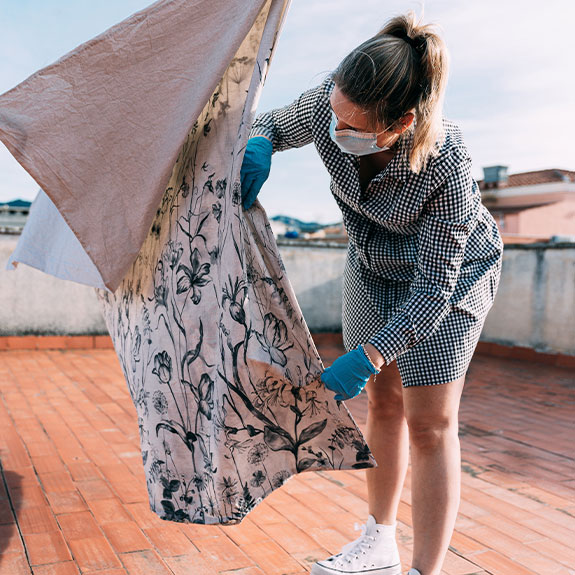
Lubricate moving parts
As part of comprehensive awning maintenance in winter, lubricating moving parts and mechanical components is a crucial task that should not be overlooked.
This includes applying a suitable lubricant to hinges, joints, and other moving parts to ensure smooth and reliable operation, especially in the face of fluctuating temperatures and the potential for condensation that are characteristic of the winter season.
By taking the time to lubricate these parts carefully and properly, you can prevent problems such as rust or stiffness and contribute to the overall longevity and functionality of your awnings, reducing the likelihood of winter-related malfunctions or breakdowns.
Incorporating lubrication of moving parts into your winter awning maintenance routine is a proactive and effective measure to maintain optimal performance, mitigate the impact of seasonal conditions on mechanical and structural components, and ensure they are ready to perform at peak capacity when needed.
Using awnings in winter
Contrary to the common perception that awnings are primarily a summer or warm-weather item, they can and should also be used during the winter months.
In fact, the proper use and deployment of awnings in winter can provide a number of advantages, such as reducing heat loss from interior spaces, creating protected and usable outdoor areas in inclement weather, and protecting outdoor furniture and accessories from the winter elements.
By strategically using your awnings to create windbreaks, shelter from rain or snow, and protect yourself from the winter sun, you can extend the functional and aesthetic value of your outdoor spaces and contribute to overall comfort and protection during the colder months.
Taking advantage of the potential of awnings all year round is a practical and proactive approach to maximizing your investment in these valuable outdoor elements and promoting the flexibility and adaptability of your outdoor spaces to different weather conditions.
Whether by installing adjustable or retractable awnings, or by strategically positioning existing awnings to achieve the desired protection and shelter, careful and responsible use of these elements in winter can significantly improve the usefulness and appeal of your outdoor areas throughout the year.
Other considerations
It is important to note that specific requirements for the maintenance and use of awnings may vary depending on factors such as their design, materials, and local climate.
Therefore, it is always advisable to consult the manufacturer’s guidelines and recommendations on the specific care and maintenance procedures relevant to your awning.
By staying informed and attentive to the individual needs of your awnings, you can tailor your winter care and usage practices to the most appropriate methods for maximizing their performance and protecting your investment in outdoor shading and shelter solutions.
In addition, for any complex maintenance or repair needs, or if you would like professional advice and assistance, contacting the original supplier or a qualified outdoor shading specialist may be a prudent and beneficial course of action.
Conclusion
In conclusion, proper care and maintenance of awnings in winter is essential to preserve their functionality, longevity, and visual appeal.
By understanding the specific steps involved in caring for awnings during the colder months and proactively addressing considerations related to cleaning, storage, inspection, and usage, you can effectively safeguard the condition and performance of your awnings, ensuring they continue to provide the desired benefits and protection throughout all seasons.
Implementing a comprehensive, customized winter maintenance routine, along with mindful use of awnings in winter, can go a long way toward extending the lifespan and enhancing the year-round value of these versatile outdoor fixtures.
Can awnings be used during the winter?
Yes, awnings can be used in winter as long as they are in good condition and used correctly. They help protect against wind, rain, and cold, allowing you to continue enjoying protected outdoor spaces.
Is it necessary to store awnings in winter?
It depends on the type of awning and the weather. In areas with heavy rain, wind, or snow, it is recommended to retract or dismantle them to prevent damage. If they are not removed, they must be properly protected and checked frequently.
How to clean an awning before winter?
Cleaning should be done with water and mild soap, using a soft brush. It is important to remove all traces of dirt and allow the fabric to dry completely before folding or storing it to prevent mold growth.
What maintenance do awnings need during the cold months?
During winter, it is advisable to:
-Check the structure and supports
-Lubricate moving parts
-Check for fabric wear
-Secure anchors and fittings
Preventive maintenance prevents breakdowns and extends the life of the awning.
How often should awnings be inspected in winter?
Ideally, you should carry out a regular inspection every few weeks, especially after windy or rainy weather. Detecting minor damage early on prevents more costly repairs in the future.