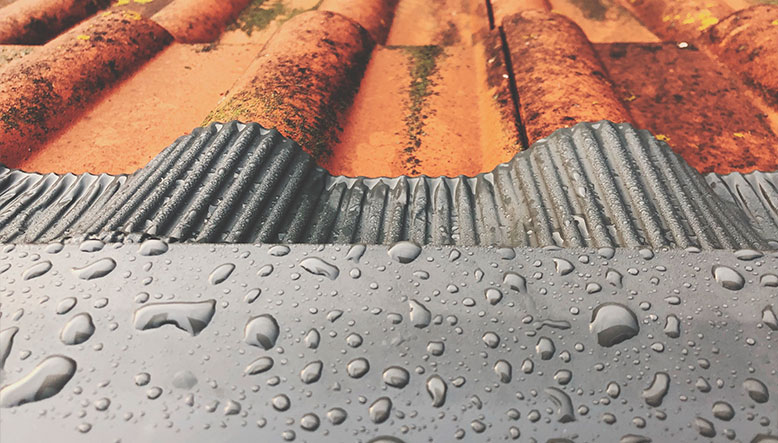
When to renew roof waterproofing refers to when you should consider renewing your roof waterproofing.
This process is essential for protecting the structure of a home from damage caused by moisture and water. The frequency of renovation depends on various factors, such as the type of material used, the climate, and regular maintenance.
In this article, we will discuss the importance of waterproofing, how often to inspect your roof, signs that it needs to be replaced, and tips for extending the life of your roof. Overall, staying on top of your roof maintenance will ensure its longevity and protect your home from potential damage.

Why waterproofing is important
Waterproofing your roof is a fundamental aspect of home maintenance, as it protects your property from potential water damage and structural problems.
The roof is one of the most crucial elements of any building, as it provides essential protection from the elements and plays an important role in the overall integrity of the property. Therefore, ensuring that your roof is properly waterproofed is vital to the safety, maintenance, and value of your home.
An effective roof waterproofing system can prevent leaks, water ingress, and damage to insulation and building materials, ensuring that your home remains safe and secure.
In addition, proper waterproofing contributes to your home’s energy efficiency by preventing heat loss and air leaks. The insulated and waterproofed roof helps maintain a stable indoor climate, reducing the load on your HVAC system and minimizing energy consumption.
This, in turn, can lead to savings on energy bills and a reduction in environmental impact. Furthermore, by preventing water damage and related problems such as mold and rot, you can avoid the need for costly repairs and renovations, ultimately saving you time and money in the long run.
How often to inspect
One of the key considerations for maintaining the effectiveness of your roof’s waterproofing is regular roof inspection. It is recommended that you conduct a thorough roof inspection at least twice a year, typically in the spring and fall.
These regular inspections allow any problems or signs of wear to be detected early, enabling prompt attention and necessary repairs. In addition, after adverse weather events such as heavy rain or strong winds, it is wise to inspect the roof to identify any potential damage.
During these inspections, it is important to look for various indicators that may suggest the need to repair or renovate the roof waterproofing.
This includes checking for areas of discoloration, water stains, or signs of moisture on ceilings and interior walls. The presence of any of these signs could indicate that the waterproofing system is compromised and should not be overlooked.
By staying proactive and vigilant with your roof inspections, you can fix any problems before they get worse, preventing more extensive damage and costly repairs.
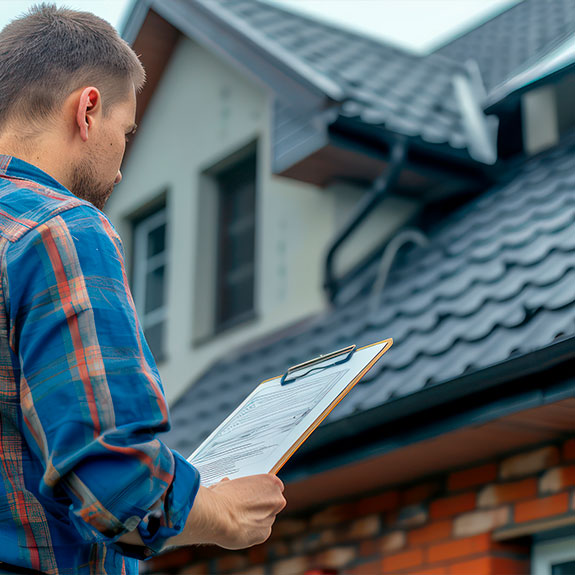
Signs that you need to renew yourself
There are several signs that may indicate that your roof’s waterproofing needs to be renewed or repaired. One of the most obvious indicators is the presence of water stains or damp patches on the interior surfaces of your home, suggesting that the waterproofing is failing and allowing water to penetrate.
In addition, the appearance of mold or mildew on interior walls or ceilings is a clear sign of moisture intrusion, further highlighting the compromised state of the roof’s waterproofing.
Another common sign that your roof waterproofing may need attention is the appearance of visible cracks, blisters, or chips on the exterior surface, which may indicate damage to the waterproofing material.
In addition, if you notice that your roof allows significant water accumulation, or if there are areas where water does not drain properly, this may be a sign of a failure in the waterproofing system. Addressing these signs promptly and renewing the waterproofing as necessary is crucial to prevent further damage and ensure the continued protection of your home.
Factors affecting durability
The durability and effectiveness of your roof waterproofing can be influenced by a number of factors, one of the most important being the quality and type of waterproofing material used. It is essential to invest in durable, high-quality materials that are suitable for the specific characteristics and requirements of your roof.
The performance and longevity of the waterproofing system are directly affected by the quality of the materials used, making this a vital consideration in the renovation process.
In addition to the quality of the material, environmental factors and specific conditions to which your roof is exposed can also affect the durability of the waterproofing. For example, if your roof is located in an area with heavy rainfall or frequent strong winds, it may experience faster deterioration of the waterproofing material, requiring more frequent renovation and maintenance.
Similarly, the presence of protruding tree branches or vegetation can contribute to premature wear of the waterproofing due to the accumulation of organic debris and the potential for increased moisture retention.
Types of materials and service life
When considering renovating your roof waterproofing, it is important to know the different types of materials available and their respective lifespans.
For example, high-quality acrylic waterproofing systems are known for their high performance and longevity, typically lasting between 7 and 10 years. On the other hand, polyurethane-based waterproofing materials can offer an extended service life of 10 to 12 years, making them a popular choice for long-term durability.
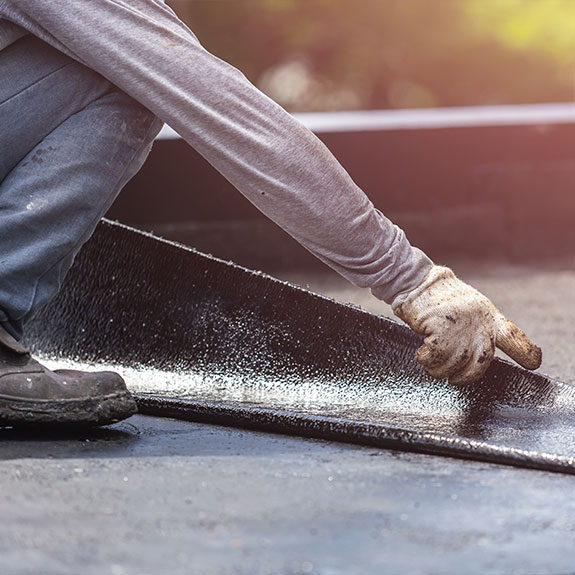
In addition, there are also prefabricated systems, such as asphalt membranes, which can provide effective waterproofing for a period of 5 to 8 years, depending on the specific product and environmental conditions.
Understanding the characteristics and expected service life of different types of materials can help you make informed decisions about waterproofing renovation and the level of protection required for your specific roofing system.
The impact of climate on renovation
Climate plays an important role in how often roof waterproofing needs to be replaced. In regions with extreme or variable weather conditions, such as heavy rainfall, intense sunlight, or temperature fluctuations, wear and tear on the waterproofing system can occur at an accelerated rate.
This highlights the importance of considering the local climate when assessing the right time to renovate and maintain your roof’s waterproofing.
For homes located in areas prone to adverse weather events, more frequent inspections and a proactive approach to maintenance and waterproofing renovation may be necessary to mitigate the impact of adverse weather conditions.
By taking local weather conditions into account and adapting your maintenance program accordingly, you can better ensure that your roof’s waterproofing remains effective and capable of providing the necessary protection for your home.
Repairs and changes that affect
It is important to note that certain repairs, renovations, or changes to your roof may affect the effectiveness of the existing waterproofing and may require the application of a new layer of waterproofing.
For example, if there have been major repairs to the roof, the installation of new structural elements, or modifications to existing elements, this could compromise the integrity of the waterproofing. In addition, if there are visible problems, such as damaged or missing tiles, this is an indication that the waterproofing may be compromised and needs to be renewed.
In cases where recent alterations have been made to the roof structure, such as the addition of skylights or the replacement of ventilation systems, it is advisable to assess the condition of the waterproofing and, if necessary, apply a new layer to ensure consistent and reliable protection.
Being aware of these potential influences and addressing them through timely assessment and, if necessary, waterproofing renewal, can help maintain the overall effectiveness and resistance of your roof against water and moisture infiltration.
Benefits of maintenance
The benefits of regular maintenance and timely renewal of your roof’s waterproofing are numerous and far-reaching. By safeguarding your home against water damage and minimizing the possibility of structural problems, proactive maintenance can significantly reduce the likelihood of costly repairs and disruptions to your daily life.
In addition, maintaining a robust and effective waterproofing system contributes to the longevity and good condition of your roof, ultimately extending its useful life and performance.
Maintaining roof waterproofing is crucial to preventing mold, rot, and air quality issues, thereby promoting a healthier indoor environment for occupants.
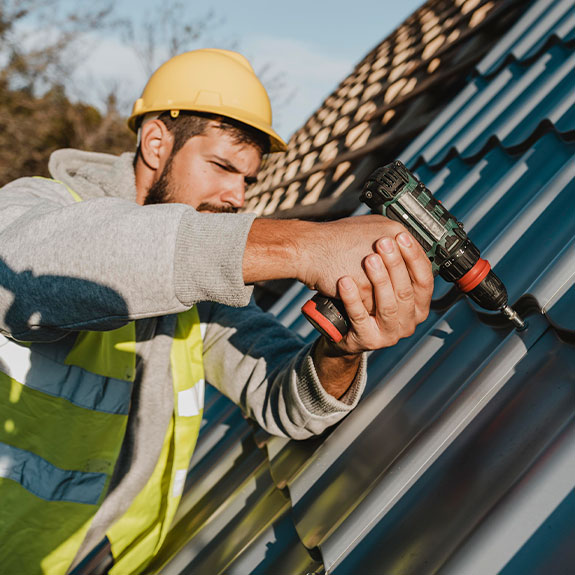
The proactive and preventive nature of regular maintenance not only serves to protect the physical structure of the roof, but also contributes to the preservation of the overall condition and healthiness of interior spaces, improving the comfort and well-being of residents.
From an economic perspective, timely renovation and consistent maintenance of roof waterproofing are essential to avoid the high costs and considerable damage that can result from neglect or delayed repairs.
By prioritizing roof maintenance, you are making a strategic investment in the sustained value, safety, and functionality of your home, while potentially reaping the rewards of long-term savings and avoiding foreseeable problems.
Extend the life of your roof
By recognizing the importance of regular inspections, proactive maintenance, and timely renewal of your roof’s waterproofing, you actively contribute to the preservation and extension of your roof’s overall lifespan.
A well-maintained and effectively waterproofed roof is not only key to the structural integrity and protection of your home, but also represents a fundamental investment in the long-term safety, comfort, and value of your property.
By paying constant attention to the maintenance and renewal of your roof’s waterproofing, you are taking proactive steps to safeguard your home against potential risks, minimize the need for future repairs, and ultimately extend the functional and protective life of your roof.
It is important to consider the maintenance and renovation of your roof’s waterproofing as an integral part of home care, as its impact affects your entire property and plays a vital role in preserving its overall condition and integrity.
Whether as part of a routine maintenance program or in response to specific damage or deterioration, timely and thorough attention to your roof’s waterproofing needs is an investment in the resilience, safety, and long-term performance of your home.
If you understand the importance of this aspect and actively participate in the necessary maintenance and renovation, you will not only be protecting your roof, but also ensuring the sustained well-being and value of your entire property.
Conclusion
In summary, the frequency with which you need to renew your roof waterproofing will depend on factors such as the type of material used, local weather conditions, and the overall condition of your roof.
It is important to inspect and maintain your roof regularly to detect any signs of deterioration and extend its useful life.
Timely renovations and proper maintenance can protect your home from moisture damage and save you from costly repairs in the long run.
How often should the roof waterproofing be renewed?
It depends on the material, climate, and maintenance, but it is usually recommended to replace it every 7 to 12 years depending on the system used.
What signs indicate that the roof waterproofing is failing?
Moisture stains, mold, cracks, blisters, areas where water accumulates, or visible leaks are clear signs.
Which waterproofing materials last the longest?
Polyurethane systems typically last 10–12 years; acrylics between 7–10 years; and asphalt membranes between 5–8 years.
How does climate influence the need to renew waterproofing?
Heavy rain, strong sun, or sudden changes in temperature accelerate wear and tear on the material and require more frequent inspections.
Is it necessary to inspect the roof even if there are no leaks?
Yes. It is recommended to inspect it twice a year, as many damages begin before visible leaks appear.