Until recently, saving money meant sacrifice. However, thanks to the intelligent use of technology, it is now possible to take care of your pocket and the environment at the same time. Let’s take a look at how efficient homes help you and some small changes you can make to boost savings.
What are efficient houses?
Also known as passive houses, efficient houses are those constructions that reduce energy consumption by 70-90%. For this, they must have an extraordinary thermal insulation and good air tightness, as well as allowing an efficient and balanced use of the surrounding energy resources and an active production of energy.
For this reason, the advantages of retrofitting your home are many. But, most notably, efficiency positively affects your bills at the end of the month.
- Care for the environment: efficient houses reduce greenhouse gas emissions and allow a proportionate use of energy resources. For this reason, this type of construction contributes to the protection of nature.
- Greater durability: the thermal and acoustic insulation of efficient houses stands out for its quality. This airtightness allows the building to have a longer service life.
- Economic savings: these constructions usually do without high consumption appliances -such as air conditioning and heating-, so that the energy expenditure of these devices is a saving for the pocket.
- Greater comfort: the homogeneity of the temperature in all the spaces of the home and the use of natural materials for construction and decoration have a positive impact on the feeling of well-being and comfort.
In addition, the benefits of efficient houses extend to the real estate market, since passive systems increase the value of the house and even favor access to public subsidies and tax exemptions.

7 keys to (re)design an efficient home
Whether you want to make small changes to your home or are planning to build an efficient home, there are a number of guidelines to keep in mind during the process.
Adapt your home to the environment
If there is one characteristic of efficient houses, it is adaptation to the environment. That is, the construction should make the most of the resources offered by nature, such as hours of natural light, heat and shade. Therefore, depending on the climate and your objectives, orient the house towards the south to obtain many more hours of sunlight or use natural and architectural elements to cast shadows and prevent the temperature from rising inside the house.
Ensures thermal and acoustic insulation
Most pre-1990 buildings have ineffective thermal insulation based on a simple air cavity. Today, on the other hand, it is possible to optimize this insulation by means of, for example, rigid mineral wool panels.
In addition, windows are also an important point of heat loss. In fact, these elements have their own energy labeling system, so check the condition of the windows and make sure of their quality. If it meets your expectations, opt for models that better insulate against noise and cold, such as windows with double glazing, air chamber and thermal break.
Make consistent use of water
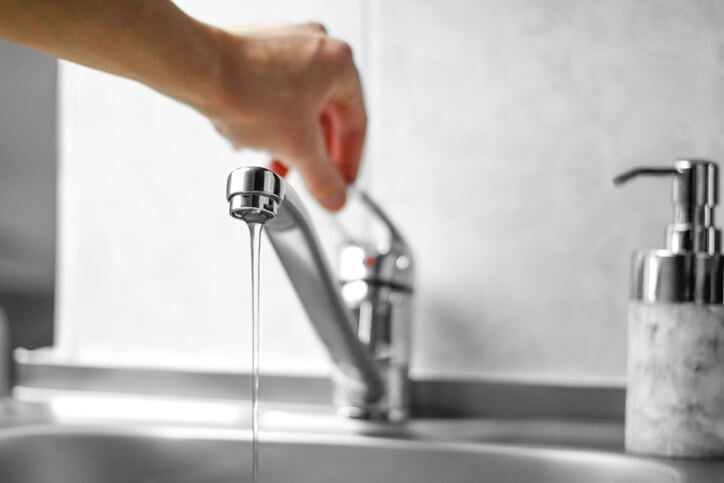
In 2020, average water consumption per person per day exceeded 133 liters. While this is a balanced figure compared to other countries, it is possible to reduce consumption even further. To achieve this, consider installing flow reducers in the shower head, dual flush cisterns and single lever faucets. You will reduce consumption without sacrificing comfort.
Opt for energy-saving light bulbs
The use of LED, energy-saving halogen and compact fluorescent bulbs can save 30 to 80% on your electricity bill. Although their operation is different from the usual and it is necessary to familiarize yourself with new concepts, there is no doubt that the change is worthwhile. In addition, the cost and quality of these bulbs has evolved over time. In fact, today they are affordable and can be adapted to any lighting.
Produce your own energy
Whether you are looking for economic independence or if traditional methods do not meet your needs, active systems to capture energy are an excellent alternative. Of all the options you can find on the market, solar panels and geothermal energy are the most widely used, and although the investment may be high, it is quickly paid off within a few months.

Reduce, reuse and recycle
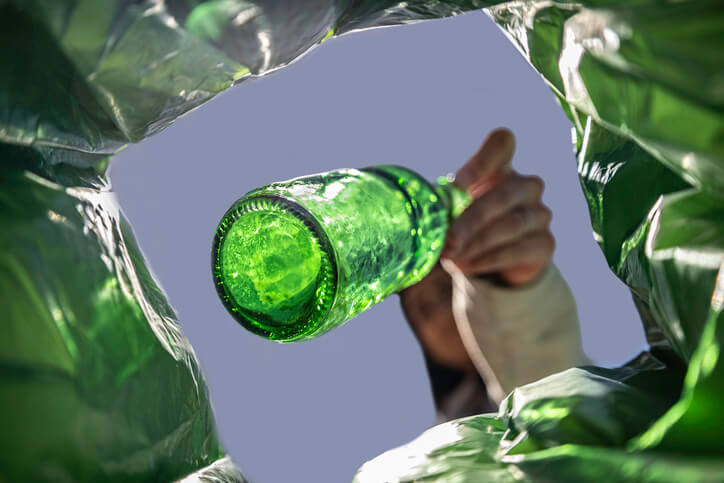
Just as the spaces and elements that make up the home are key to ensuring its efficiency, so is your lifestyle. Therefore, opt for products made from recycled and recyclable raw materials, which are repairable or, failing that, ensure a good lifespan. Also, remember to separate packaging and, whenever possible, limit the use of plastic wrapping and plastic bags.
Betting on home automation
A further step in efficient homes is the control of energy consumption through home automation, i.e., intelligent home automation. This system not only makes it possible to optimize lighting, ventilation and air conditioning, but also offers the possibility of improving home security through cameras and alarms that can be controlled from a cell phone.
While all elements of a home play an important role in energy consumption, being aware of the habits and expenses at home is the first step to adopting a more sustainable day to day. So if you want to achieve an efficient home, remember that both components and small gestures make a difference.
What exactly is an energy-efficient or passive house?
An energy-efficient house is a dwelling designed to reduce energy consumption by between 70% and 90%, thanks to excellent insulation, airtightness, strategic orientation and the use of renewable energies. Its aim is to maximise comfort with minimum expenditure.
What are the main benefits of an energy-efficient home?
The benefits include:
–Financial savings on heating and cooling.
-Greater thermal comfort in all rooms.
-Superior sound insulation.
–Reduced emissions and lower environmental impact.
-Higher property value and subsidy options.
How can you improve the energy efficiency of an old house?
You can start with key actions such as:
-Improving thermal insulation with mineral wool or ETICS.
-Replacing windows with double-glazed and RPT models.
-Replacing lighting with LED.
-Installing flow reducers and efficient taps.
-Adding solar self-consumption systems.
What role does home automation play in an efficient home?
Home automation allows you to automate lighting, air conditioning and ventilation, optimising energy consumption. It also improves security with cameras, sensors and alarms controlled from your mobile phone. Its use reduces costs and prevents unnecessary consumption.
What habits help make a home more efficient?
Some essential habits are:
-Reduce water consumption.
-Choose recycled or reusable products.
-Separate waste correctly.
-Take advantage of natural light.
-Avoid leaving appliances on standby.
Small daily gestures multiply the results of any renovation.