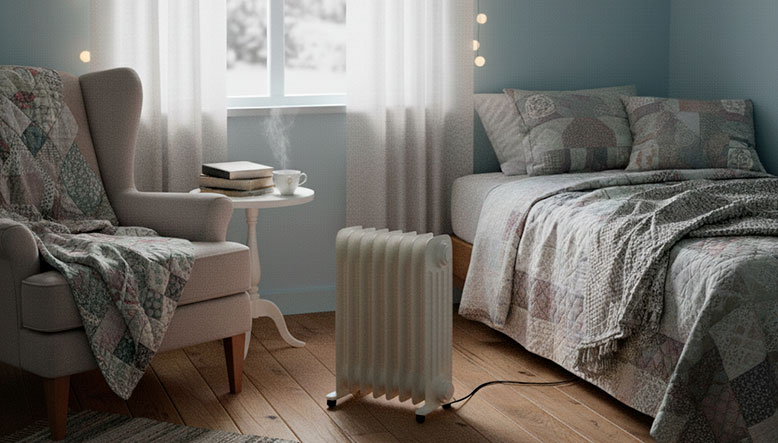
Heating systems in small homes require efficient solutions adapted to the available space. Choosing the right system not only guarantees thermal comfort, but also optimizes energy consumption and reduces costs.
In this guide, we will explore the recommended heating systems for small homes, as well as other considerations you should take into account. From electric options to biomass and heat pumps, finding the right solution for your small home can lead to significant energy and cost savings.
When it comes to heating small houses or apartments, optimizing the use of space and resources is crucial to ensuring both comfort and energy efficiency. Choosing the right heating system not only adapts to the specific needs of a compact home, but also takes into account long-term investment and operating costs.
From electric heating to heat pumps and biomass options, there are a variety of solutions tailored to the unique requirements of small homes. In this guide, we will explore the different types of heating systems suitable for small homes, along with their advantages, considerations, and best practices for use.

Recommended heating systems for small homes
1. Electric heating
Electric heating systems, including electric radiators, underfloor heating, and storage heaters, offer a convenient and cost-effective solution for small homes.
Their easy installation and maintenance make them an attractive option for urban apartments or compact spaces.
Electric radiators can be positioned to maximize heat distribution and are particularly advantageous because they can be controlled individually in each room. Underfloor heating, on the other hand, provides constant heat and is ideal for maximizing floor space.
Although electric heating is a viable option, it is essential to combine it with energy-saving practices and, if possible, integrate it with renewable energy sources to mitigate operating costs.
2. Biomass heating
Biomass heating systems, such as pellet stoves and boilers, offer an environmentally friendly and sustainable option for small homes.
With renewable materials such as wood pellets, biomass heating is not only cost-effective in the long term, but also helps to reduce your carbon footprint.
Although the initial installation may require more space for fuel storage and boiler operation, the thermal efficiency and operating costs of biomass systems make them a compelling choice for environmentally conscious homeowners.
Proper maintenance, including regular cleaning and ash removal, is essential to ensure optimal performance and a long service life for biomass heating systems.
3. Heat pumps
Heat pumps, including air source and ground source heat pumps, are a highly efficient and versatile solution for providing heating and cooling in small homes. By extracting heat from the outside air, ground, or water, these systems offer a low-energy method of maintaining comfortable indoor temperatures.
In addition to their efficient heating capabilities, heat pumps can also function as air conditioners during warmer months, providing a cost-effective, dual-purpose solution for small living spaces.
Installing a heat pump may require consideration for outdoor units and access to outdoor spaces, but the long-term energy savings and environmental benefits often outweigh the initial installation effort.
4. Underfloor heating
Underfloor heating systems, especially water-based ones, are highly valued for their even heat distribution and efficient use of space, making them an ideal choice for small homes.
By integrating heating elements into the floor, these systems provide a comfortable and consistent indoor environment, with the added benefit of maximizing wall space. Although the initial installation of radiant flooring can be a major undertaking, the long-term energy savings potential and increased comfort it offers make it a worthwhile investment for small spaces.
The combination of radiant floor heating with smart thermostatic controls can further optimize energy use and maintain the desired indoor climate with minimal effort.

5. Solar heating and cooling
Using energy from the sun, solar heating and cooling systems can contribute substantially to the energy needs of small homes, particularly for water heating and space conditioning.
Solar water heating systems, including active and passive designs, can supply a significant portion of domestic hot water needs, while solar space heating systems provide a renewable and low-cost means of space heating.
By harnessing solar energy, these systems not only reduce dependence on conventional energy sources, but also provide a sustainable, long-term solution for heating small homes.
Integrating solar heating with other energy-efficient technologies, such as heat pumps and smart home controls, further enhances its overall impact on reducing energy consumption and environmental benefits.
Additional considerations
When selecting a heating system for a small home, there are several factors that deserve careful consideration to ensure the best possible outcome.
From efficient use of space and energy to long-term operating costs and environmental impact, a thorough evaluation of these considerations is essential to making an informed decision.
1. Thermal insulation
Prioritizing adequate thermal insulation of the walls, roof, and floor of a small home is crucial to minimizing heat loss and maximizing the efficiency of the chosen heating system.
By reducing the demand on the heating system, high-quality insulation can lead to significant energy savings and greater comfort in the home.
Conducting an insulation assessment and making improvements where necessary, especially in older or poorly insulated properties, can have a profound effect on the overall performance and cost-effectiveness of your chosen heating solution.
2. Regular Maintenance
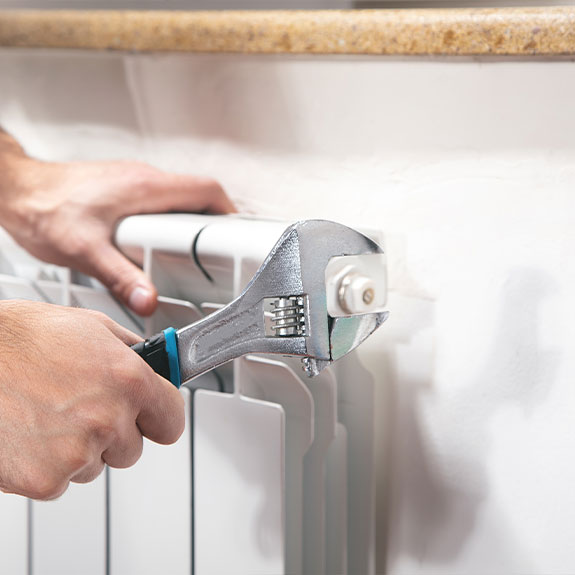
Ensuring regular maintenance of your heating system, including annual inspections, cleaning, and servicing, is essential for its optimal performance and longevity.
Whether it’s an electrical, biomass, or heat pump-based system, a proactive approach to maintenance helps identify and address potential problems before they become serious, thereby improving system performance and extending its useful life.
In small homes, where efficient use of resources is paramount, the reliability and longevity of the heating system directly influence long-term cost savings and overall sustainability.
3. Intelligent control and monitoring
The integration of smart thermostats, timers, and energy monitoring devices can revolutionize the way heating is managed in small homes, improving comfort and delivering significant energy savings.
By enabling precise control of heating schedules, temperature settings, and real-time energy consumption data, these technologies allow homeowners to use their heating systems in an informed and efficient manner.
Especially in small homes, where space and energy resources are limited, proactive management of the heating system through smart controls and monitoring is a practical and highly effective strategy for optimizing performance and reducing operating costs.
In summary, choosing a heating system for a small home has the potential to transform not only the level of comfort and well-being within the space, but also its sustainability and long-term cost-effectiveness.
Given the wide range of heating options available, from electric and biomass systems to heat pumps, underfloor heating, and solar solutions, owners of small homes can find tailored and effective solutions for their specific needs.
Through comprehensive thermal insulation assessment, proactive maintenance, and the integration of smart control technologies, the potential for a small home to achieve energy efficiency and environmental responsibility is within reach, while ensuring a warm and welcoming living environment.
Conclusion
In conclusion, choosing the right heating system for a small home is essential to ensure comfort, energy efficiency, and cost savings.
From electric options to biomass or heat pumps, there are various systems suitable for smaller spaces.
In addition, proper insulation, regular maintenance, and temperature control play an important role in maximizing the efficiency of the chosen system.
By considering individual needs, budget, and space, you can make an informed decision about the most suitable heating solution for a small home.
What is the best heating system for a small home?
Heat pumps and electric heating are usually the most efficient and compact options for small homes, ensuring comfort and low energy consumption.
Is underfloor heating recommended for small spaces?
Yes, underfloor heating distributes heat evenly and frees up wall space, making it ideal for apartments or small houses.
What are the advantages of biomass heating in small homes?
Biomass is an environmentally friendly and cost-effective option in the long term. It reduces your carbon footprint and uses renewable fuels such as pellets or wood.
How does thermal insulation affect heating efficiency?
Good insulation reduces heat loss and improves the performance of the chosen system, which translates into lower energy costs.
What role do smart thermostats play in small homes?
Smart controls allow you to precisely adjust the temperature and heating schedules, optimizing consumption and increasing comfort.