Do you want to improve your home’s energy efficiency and reduce heating costs? One way to achieve this is to detect and fix heat leaks.
In this article, we will discuss various techniques for identifying heat leaks, including the use of infrared thermal imaging cameras, blower door tests, and visual inspections. These methods not only help identify areas where heat is escaping, but also offer ways to seal gaps or cracks to increase comfort and reduce energy waste.
By implementing these strategies, you can enjoy a more thermally efficient home while saving money on utility bills.

Understanding where heat leaks occur
Detecting where heat leaks occur in your home is crucial for maintaining energy efficiency and a comfortable environment. Heat leaks can occur in various parts of a home, such as walls, ceilings, windows, doors, and floors.
These leaks allow warm air to escape and cold air to enter, increasing the amount of energy needed to maintain the desired indoor temperature. By identifying and fixing these problem areas, you will have a more thermally efficient and comfortable home, while also reducing your energy costs.
A common place for heat to escape is through poorly insulated or poorly sealed gaps, joints, and seams in the building structure. For example, the transition between walls and ceilings, as well as around light fixtures and ventilation grilles, can be susceptible to heat loss.
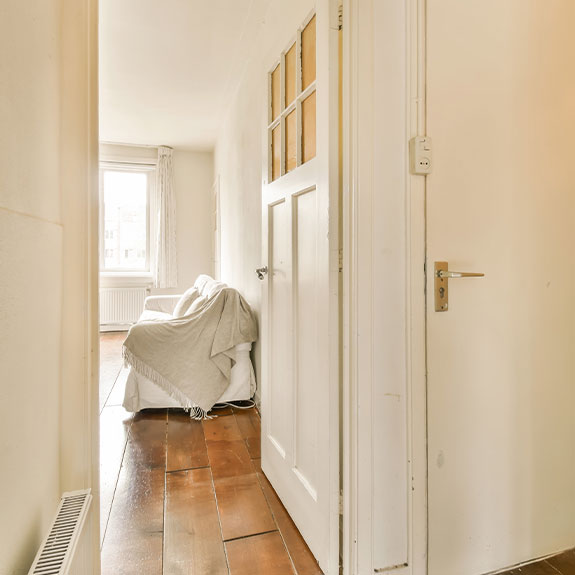
In addition, areas where different building materials meet, such as the junction between a masonry wall and a wooden floor, can be prone to heat loss. Understanding these specific areas is key to effectively detecting and rectifying sources of heat loss in your home.
In addition, gaps and cracks in the building envelope, including the attic, basement, and foundation, can also contribute significantly to heat loss. These areas are often overlooked, but they are essential to a comprehensive approach to detecting and fixing heat leaks in a home.
By being aware of potential weak points in your building envelope and being prepared to address them, you can take proactive steps to minimize the impact of heat loss on your home’s overall energy efficiency.
Infrared thermal imaging cameras
One of the most advanced and effective methods for detecting heat leaks in a home is the use of infrared thermal imaging cameras. These specialized cameras detect and visualize temperature differences on surfaces, allowing you to identify areas where heat is escaping or entering a building.
By revealing thermal patterns and flagging temperature anomalies, infrared thermal imaging cameras are a valuable tool for both homeowners and professionals in their search for heat leaks.
When using an infrared thermal imaging camera, areas of heat loss can become apparent as they appear as colder regions on the device’s display. For example, a poorly sealed window may appear as a colder spot on the thermal image, indicating the presence of heat leakage.
The non-intrusive and instantaneous nature of thermal imaging makes it an ideal solution for assessing the thermal performance of a home, thereby facilitating the effective and targeted repair of identified heat leaks.
In addition, infrared thermal cameras can be used to assess the effectiveness of insulation in various areas of the home, such as walls, attics, and floors. By easily identifying and visualizing thermal insulation deficiencies, these cameras provide valuable information about areas that require improvement, enabling homeowners to make informed decisions about insulation upgrades and heat loss mitigation measures.
Blower door tests
Another method for detecting heat leaks in a home is to use a blower door test.
This diagnostic tool consists of installing a powerful fan in the main door of a house, creating a pressure differential between the interior and exterior spaces.
By measuring the air flow through the building envelope, the test can help locate areas where air leaks occur, including those that contribute to heat loss.
During a blower door test, the fan induces a controlled air flow, allowing unwanted air infiltration and exfiltration within the home to be detected.
The resulting data and visual indicators allow specific problem areas where heat is lost or gained to be identified, providing valuable information for taking specific insulation and air sealing measures.
By conducting a blower door test, homeowners can gain a comprehensive understanding of the dynamics of air leakage within their home, enabling them to take precise and effective measures to improve its overall thermal performance.
Visual inspections for drafts
A less sophisticated but very accessible approach to detecting heat leaks in a home is to conduct thorough visual inspections for drafts.
By carefully examining common elements such as windows, doors, and ducts, homeowners can visually identify drafts and potential sources of heat loss. Using this method, it is possible to identify problems such as damaged seals, visible gaps and cracks, and poorly sealed or insulated ducts.
In addition to regular inspections of these areas, a simple but effective technique for detecting drafts is to use alternative visual indicators, such as incense or scented candles. When the smoke from these items is directed toward openings and gaps, it serves as a clear visual signal of the presence and direction of air movement, highlighting areas where heat is being lost.
Although this method is more manual and less accurate than advanced thermographic and pressure testing, it remains a practical and cost-effective approach for initial assessment and identification of obvious heat leakage locations in a home.
Sealing cracks and gaps
Once the areas where heat is escaping have been identified, the next essential step is to take measures to seal and address these gaps and cracks. Properly sealing cracks and openings in the building envelope is essential to prevent heat loss and optimize the overall energy efficiency of the home.
This can be achieved by applying weatherstripping, caulking, and insulating materials to seal openings around windows, doors, and various structural joints. In addition, filling gaps in attic, wall, and floor insulation further helps to mitigate heat loss and improve the thermal performance of the home.
On the other hand, the use of insulating foams and specialized sealants allows for thorough and lasting repair of visible and inaccessible cracks and fissures.
By employing these specific solutions, homeowners can effectively combat heat loss and achieve a more robust and uniform thermal envelope, ultimately promoting a consistent and energy-efficient indoor environment throughout the year.
Proactively sealing identified heat leaks is not only a practical and cost-effective solution, but also represents a key proactive step in strengthening the overall resilience and performance of a home’s thermal structure.
Windows and doors
By addressing potential sources of heat loss specifically associated with windows and doors, homeowners can significantly influence thermal insulation and improve the efficiency of their homes. Initiatives such as installing weatherstripping, using thermal curtains, and placing inserts in windows and doors help reduce heat loss and create a more airtight and insulated enclosure. In addition, the use of double- or triple-glazed windows and the precise sealing of their frames and edges further improve the thermal barrier provided by these critical building components.
In addition, inspection and maintenance of door and window frames, including replacement of damaged or worn weatherstripping and proactive identification of any structural deficiencies, are key to ensuring that these potential heat loss points are effectively managed and rectified.
By taking a comprehensive and proactive approach to the thermal performance of doors and windows, homeowners can create a more controlled, comfortable, and energy-efficient indoor environment while promoting long-term savings on heating and cooling costs.
Through strategic and targeted improvement of these key structural elements, the overall resistance and efficiency of a home’s thermal envelope can be significantly enhanced, contributing to sustainable energy use and a reduced ecological footprint.
Use rugs to insulate floors
When addressing and mitigating heat loss in a home, floor insulation is a vital aspect of overall thermal performance and comfort.
The strategic placement of carpets and floor coverings, especially in areas with exposed or poorly insulated floors, serves as an effective and aesthetically pleasing means of reducing heat transfer and minimizing the impact of floor-related heat loss.
By acting as a thermal barrier, carpets help retain heat and create a more stable and comfortable surface temperature, contributing to a better indoor environment.
On the other hand, the use of carpets, especially those with insulating backing, can help manage and minimize heat loss through conduction and convection, effectively reducing heat transfer between the interior and exterior spaces of a home.
This, in turn, reduces dependence on heating systems, which can lead to energy savings and a reduction in carbon footprint.
The integration of insulating carpets and floor coverings represents a practical, low-maintenance, and visually appealing approach to enhancing a home’s thermal performance and creating a more sustainable and comfortable living environment for its occupants.

Improving the comfort and energy efficiency of homes
By taking a comprehensive and proactive approach to detecting, addressing, and managing heat loss and the overall thermal performance of a home, homeowners can significantly improve both the comfort and energy efficiency of their living spaces.
The application of a combination of advanced technologies, traditional inspection methods, and strategic insulation and sealing measures allows owners to create a controlled, comfortable, and sustainable indoor environment.
The result is a home that is not only more energy efficient and cost-effective, but also more conducive to the long-term well-being and satisfaction of its occupants.
In addition, systematically improving a home’s thermal envelope, together with specifically mitigating heat loss, makes a significant contribution to reducing a home’s overall energy consumption and minimizing its environmental impact.
By understanding and actively addressing specific sources of heat loss, homeowners can make significant progress toward creating a more sustainable, resilient, and efficient living environment, while enjoying the tangible benefits of reduced energy costs and an overall higher quality of life.
Understanding where heat loss occurs
Understanding where heat loss occurs in your home is crucial to maintaining energy efficiency and a comfortable environment. Heat loss can occur in various parts of a home, such as walls, ceilings, windows, doors, and floors.
These leaks allow warm air to escape and cold air to enter, resulting in increased energy consumption to maintain the desired indoor temperature.
By identifying and addressing these problem areas, you will have a more thermally efficient and comfortable home, while also reducing your energy costs.
A common place for heat to escape is through poorly insulated or poorly sealed gaps, joints, and seams in the building structure. For example, the transition between walls and ceilings, as well as around light fixtures and ventilation grilles, can be susceptible to heat loss.
In addition, areas where different building materials meet, such as the junction between a masonry wall and a wooden floor, can be prone to heat loss. Understanding these specific areas is key to effectively detecting and rectifying sources of heat loss in your home.
In addition, gaps and cracks in the building envelope, including the attic, basement, and foundation, can also contribute significantly to heat loss.
These areas are often overlooked, but they are essential for a comprehensive approach to detecting and fixing heat leaks in a home. By being aware of potential weak points in your building envelope and being prepared to address them, you can take proactive steps to minimize the impact of heat leaks on your home’s overall energy efficiency.
Use of infrared thermal imaging cameras
One of the most advanced and effective methods for detecting heat leaks in a home is the use of infrared thermal imaging cameras. These specialized cameras detect and visualize temperature differences on surfaces, allowing you to identify areas where heat is escaping or entering a building.
By revealing thermal patterns and flagging temperature anomalies, infrared thermal imaging cameras are a valuable tool for both homeowners and professionals in their search for heat leaks.
When using an infrared thermal imaging camera, areas of heat loss can be made apparent by appearing as cooler regions on the device’s display.
For example, a poorly sealed window may appear as a colder spot on the thermal image, indicating the presence of heat leakage.
The non-intrusive and instantaneous nature of thermal imaging makes it an ideal solution for assessing a home’s thermal performance, thereby facilitating targeted and effective repair of identified heat leaks.
Performing tests on blower doors
Another method for detecting heat leaks in a house is to use a blower door test. This diagnostic tool involves installing a powerful fan in the front door of a house, creating a pressure differential between the interior and exterior spaces.
By measuring airflow through the building envelope, the test can help locate areas where air leaks occur, including those that contribute to heat loss.
During a blower door test, the fan induces a controlled air flow, allowing unwanted air infiltration and exfiltration within the home to be detected. The resulting data and visual indicators allow specific problem areas where heat is lost or gained to be identified, providing valuable information for taking specific insulation and air sealing measures.
By conducting a blower door test, homeowners can gain a comprehensive understanding of the dynamics of air leakage within their home, enabling them to take precise and effective measures to improve its overall thermal performance.
Conclusion
In conclusion, identifying heat leaks in your home is crucial for improving energy efficiency and reducing heating costs.
Techniques such as the use of infrared thermal imaging cameras, conducting blower door tests, and visual inspections can help identify areas where heat is escaping.
Taking steps to seal cracks and gaps and insulate windows, doors, and floors can greatly improve the comfort of your home and reduce heating costs. By implementing these measures, homeowners can not only save money, but also contribute to a more sustainable environment.