Improving thermal comfort at home can significantly enhance overall quality of life. By implementing simple strategies—such as improving insulation, controlling solar radiation, and optimizing the use of heating, ventilation, and air conditioning (HVAC) systems—homeowners can create a more comfortable and energy-efficient living space without the need for costly renovations.
In this article, we’ll explore some practical tips for achieving optimal thermal comfort at home.

Controls solar radiation
Controlling solar radiation is crucial to maintaining a comfortable and energy-efficient environment.
One of the most effective ways to achieve this is to strategically use outdoor shading devices, such as awnings, pergolas, and shutters, to block direct sunlight during the hottest hours of the day.
In addition, strategically placing deciduous trees and other greenery around the house can provide natural shade, helping to keep the interior cooler in hot weather.
During the colder months, allowing the sun’s natural heat to enter the house through south-facing windows can help with passive heating, reducing the overall need for artificial heating.
In addition, installing high-performance, low-emissivity window films can significantly reduce the amount of solar heat entering the home, while still allowing natural light to enter.
This not only helps maintain a comfortable indoor temperature, but also contributes to energy savings by reducing reliance on air conditioning during the warmer months.
In addition to these measures, regular maintenance and cleaning of windows, shading devices, and other relevant components are essential to ensure their continued effectiveness in controlling solar radiation and optimizing indoor comfort.
Use heating, ventilation, and air conditioning systems efficiently
The efficient use of heating, ventilation, and air conditioning (HVAC) systems plays a key role in optimizing thermal comfort while minimizing energy consumption.
This can be achieved by performing regular maintenance on the components of heating, ventilation, and air conditioning systems, including cleaning or replacing air filters, inspecting and cleaning air ducts, and scheduling professional maintenance for heating and cooling units.
In addition, using programmable thermostats to adjust indoor temperatures based on occupancy patterns and preferences can lead to significant energy savings without compromising comfort.
In addition, strategic zoning of the HVAC system—where different areas or rooms in the house are heated or cooled to different levels—allows for personalized temperature control and efficient energy use.
This is particularly beneficial for large homes or those with varying heating and cooling needs.
The use of passive cooling techniques, such as ceiling fans and strategically placed open windows, in conjunction with the heating, ventilation, and air conditioning (HVAC) system, can further improve the overall effectiveness and efficiency of climate control measures, leading to a more comfortable and sustainable living environment.
Optimize room temperatures
Adjusting the temperature in each room according to its specific use and the occupants’ preferences is a key strategy for optimizing thermal comfort and conserving energy.
For example, keeping the temperature slightly lower in bedrooms—where thermal comfort is essential for a good night’s sleep—and maintaining a constant, comfortable temperature in living and work areas can contribute to both well-being and energy savings.
In addition, the use of programmable thermostats and smart temperature control systems allows room temperatures to be automatically adjusted based on occupancy, thereby further improving energy efficiency and occupant comfort.
The strategic use of space heaters or radiators in specific areas that require supplemental heating—such as spaces that are typically occupied at certain times of the day—can help maintain a comfortable and energy-efficient indoor environment.
By customizing temperature settings to suit individual preferences and the specific needs of each room, it is possible to create a harmonious and sustainable living space that prioritizes both the well-being of its occupants and the responsible use of energy resources.
Make small changes
Making small but effective changes to daily habits and household management can significantly improve thermal comfort and reduce energy consumption.
Simple actions such as closing curtains or blinds during the day to minimize heat gain, taking advantage of natural ventilation during the coolest hours of the day, and strategically rearranging furniture to maximize passive heating and cooling can collectively make a significant difference in a home’s overall comfort and energy efficiency.
In addition, installing energy-efficient lighting and appliances, as well as adopting energy-conscious habits—such as turning off lights in unoccupied rooms and using power strips to easily unplug multiple devices—can help both save energy and create a more sustainable and comfortable living environment.
By consciously adopting these small changes and incorporating them into their daily routines, homeowners can actively contribute to creating a more efficient and pleasant indoor environment, which has a positive impact on both their quality of life and the state of the environment.
Use thermal curtains and rugs
The strategic use of thermal curtains and rugs can effectively reduce heat loss during the colder months and minimize heat gain during the warmer months, contributing to overall thermal comfort and energy efficiency.
Thermal curtains, made from insulating or multi-layered fabrics, help regulate indoor temperatures by creating a barrier between the interior and the outside environment, thereby reducing reliance on heating or cooling systems.
Similarly, using rugs—especially in areas with hard floors—adds an extra layer of insulation and helps prevent heat loss through the floor, creating a more comfortable and cozy indoor environment.
In addition to their practical benefits, thermal curtains and rugs also serve as aesthetic and design elements, enhancing the visual appeal of living spaces.
By strategically selecting and incorporating these elements into their interior design, homeowners can enhance both the thermal comfort and the overall atmosphere of their living space, fostering a more pleasant and sustainable quality of life.

Plant trees to provide shade
Planting trees in strategic locations around the home can provide significant benefits in terms of natural cooling, energy savings, and an overall improvement in the living environment.
Deciduous trees, in particular, are known for their cooling effect during the summer months, as they provide natural shade and reduce the need for air conditioning.
In addition, strategically placing trees to block direct sunlight from reaching the house—especially on the west and south sides—can help keep the interior cooler, reducing the overall cooling load and improving thermal comfort.
In addition to their practical benefits, the presence of trees and vegetation around the house enhances its aesthetic and environmental value, creating a more pleasant and sustainable living environment.
In addition, the natural shade provided by trees not only helps cool the house but also promotes water conservation by reducing evaporation and maintaining a healthier, more balanced outdoor environment.
By recognizing the many benefits of planting trees and actively participating in the creation of a green, shaded environment, homeowners can help improve their own living spaces and the broader ecological community.
Vent the humid air outside
Effective control of indoor humidity is crucial for maintaining a comfortable and healthy living environment, and a practical way to achieve this is to vent humid air outdoors.
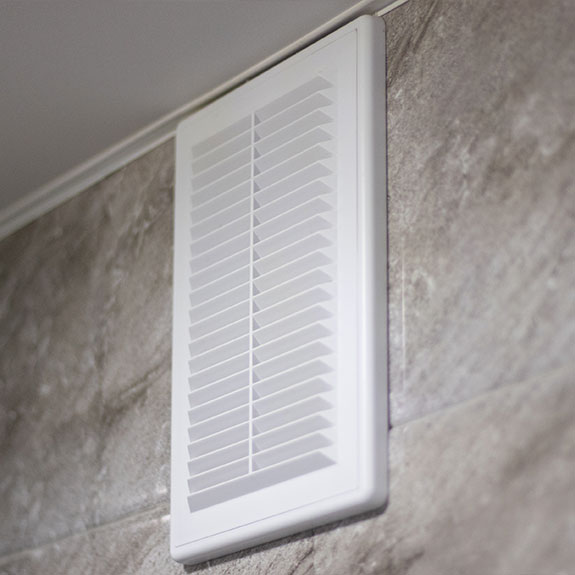
This can be achieved by using exhaust fans in areas prone to high humidity, such as kitchens and bathrooms, to remove moist air and prevent it from building up in the house.
In addition, strategically opening windows during the coolest hours of the day can help remove excess moisture and bring in fresh, mild air, thereby improving indoor air quality and thermal comfort.
In addition, investing in energy-efficient, well-sealed ventilation systems—such as whole-house ventilation or localized exhaust—helps effectively remove excess moisture and maintain a balanced indoor environment.
By ensuring a steady, controlled flow of moist air out of the space, homeowners can reduce the risk of condensation, mold growth, and other moisture-related issues, ultimately creating a more comfortable, healthy, and sustainable living environment.
This proactive approach to indoor humidity management is essential for creating a home that prioritizes both the well-being of its occupants and the efficient use of environmental resources.
Improve insulation
Improving and enhancing a home’s thermal insulation is a key step toward achieving optimal thermal comfort and energy efficiency.
Strategic analysis and reinforcement of insulation in key areas, such as attics, basements, and exterior walls, can significantly reduce heat loss during the colder months and minimize heat gain during the warmer months.
In addition, sealing gaps, cracks, and other potential sources of air leaks, as well as using high-performance insulation materials, helps create a well-insulated and thermally balanced living environment.
Installing insulation in areas that are often overlooked—such as ducts, open spaces, and behind walls—further improves the overall efficiency and effectiveness of insulation measures, leading to a more comfortable and sustainable indoor environment.
In addition, the strategic integration of insulation into window and door frames, as well as the use of insulated and airtight building materials, contributes to a cohesive and comprehensive approach to thermal comfort and energy conservation.
By recognizing the crucial role of insulation in the broader context of a sustainable and comfortable lifestyle, homeowners can actively contribute to improving their own well-being and to the responsible management of environmental resources.
Control solar radiation
Effectively managing and controlling solar radiation is a key factor in creating a comfortable, energy-efficient, and sustainable living environment.
The strategic use of various shading devices, window treatments, and landscaping elements helps optimize natural light and regulate solar heat gain, ultimately contributing to a balanced and pleasant indoor environment.
By leveraging the benefits of passive solar design and smart climate adaptation strategies, homeowners can create a home that prioritizes both the well-being of its occupants and the conservation of environmental resources.
In addition, the integration of advanced, high-performance architectural and design elements—such as overhangs, light shelves, and dynamic solar shading systems—can further improve the control and management of solar radiation, leading to a more efficient and sustainable living environment.
In addition, the careful and informed selection of building materials—such as reflective and insulating window glazing—and the strategic orientation of the home in relation to the sun play a significant role in creating a living space that is thermally comfortable and environmentally friendly.
By understanding and actively managing solar radiation, homeowners can help foster a harmonious and sustainable living environment that meets their needs for comfort and well-being while minimizing their environmental impact.
Ensure proper ventilation
Providing adequate, controlled ventilation is essential for maintaining healthy indoor air quality, regulating humidity, and generally improving thermal comfort in the home.
The strategic combination of natural and mechanical ventilation—achieved through the use of strategically placed windows, ducts, and energy-efficient ventilation systems—ensures a continuous flow of fresh air and the effective removal of stale air, thereby creating a balanced and comfortable indoor environment.
In addition, the use of energy-efficient, demand-controlled ventilation solutions—such as heat-recovery ventilators and occupancy-based ventilation—helps optimize indoor air quality and promote the efficient use of energy resources.
In addition, regular inspection and maintenance of ventilation components—such as ducts, fans, and air distribution systems—are essential to ensuring their continued effectiveness and efficiency in promoting a healthy and comfortable living environment.
In addition, the strategic placement of indoor air quality sensors and the adoption of best practices for air quality management—such as regularly replacing filters and cleaning the system—help create an indoor environment that promotes the well-being and comfort of occupants.
By prioritizing and investing in high-quality, well-designed ventilation solutions, homeowners can actively contribute to creating a living space that promotes both the health of its occupants and the sustainable use of environmental resources.
Using HVAC systems efficiently
The efficient and mindful use of heating, ventilation, and air conditioning (HVAC) systems is a key factor in achieving optimal thermal comfort and conserving energy resources.
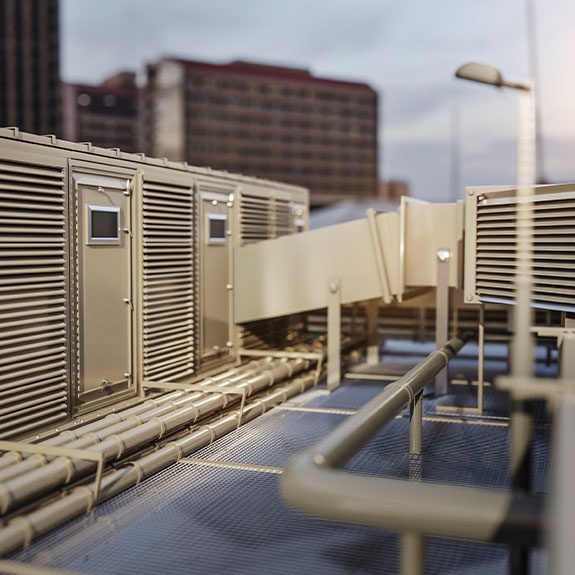
This can be achieved through regular maintenance of HVAC system components, the use of smart, programmable thermostats to regulate temperature settings, and the optimization of airflow and ductwork to ensure balanced and efficient distribution of air conditioning throughout the home.
In addition, the strategic and judicious use of HVAC system settings—such as the integration of energy-saving modes, careful management of cooling and heating loads, and prioritizing fresh air exchange—contributes to the creation of a balanced, energy-efficient, and comfortable indoor environment.
In addition, the conscious and informed use of zoning and individual room temperature control allows for personalized and efficient regulation of the indoor climate, meeting the diverse comfort needs and preferences of occupants while minimizing energy consumption.
By adopting a holistic and proactive approach to HVAC system use, building owners can actively contribute to creating a living space that prioritizes both the well-being of its occupants and the sustainable use of environmental resources, ultimately leading to a harmonious and comfortable indoor atmosphere.
Conclusion
Implementing simple, practical strategies—such as improving insulation, controlling solar heat gain, optimizing room temperatures, and using HVAC systems efficiently—can significantly improve the thermal comfort of your home.
Small changes, such as using thermal curtains and rugs, can also make a significant difference.
With these tips, you can make your home more comfortable and energy-efficient without having to undertake costly renovations.
What is thermal comfort in the home?
Thermal comfort is the feeling of well-being that results when the temperature, humidity, and ventilation in a home are just right, without feeling too cold or too hot.
How can you improve thermal comfort without renovating?
You can improve your comfort by taking simple steps such as using thermal curtains and rugs, taking advantage of natural ventilation, adjusting the thermostat, or rearranging furniture to improve air circulation.
Why is thermal insulation important?
Insulation reduces heat loss in the winter and heat gain in the summer. This helps maintain a stable temperature in the home and reduces energy consumption.
How does solar radiation affect the temperature inside the house?
Sunlight can cause your home to overheat in the summer. Controlling it with awnings, blinds, or window films helps maintain a more comfortable indoor temperature.
What is the recommended temperature for each room?
It is recommended to maintain a temperature of about 20–22 °C in living areas and 17–19 °C in bedrooms, adjusting each space according to its use to improve comfort and save energy.