Are you looking for ways to improve your home’s thermal insulation without undertaking major renovations? There are several practical and affordable solutions that can help you achieve this.
Discover some of the best ways to add extra insulation without costly renovations.

How to improve your home’s thermal insulation without doing any construction work
Improving the thermal insulation of an existing home is one of the most effective ways to reduce energy consumption, increase comfort, and save on heating and air conditioning costs.
The good news is that there is no need for construction work, knocking down walls, or changing finishes.
Today, there are quick, clean, and highly effective solutions that allow you to add extra thermal insulation with minimal intervention, even in occupied homes.
Is it possible to insulate an existing house without construction work?
Yes. In most homes built with air chambers in the walls or false ceilings, insulation can be improved using blown insulation techniques, such as rock wool, cellulose, or EPS beads.
This system consists of inserting insulating material into the existing air chamber, accessing it through small holes measuring just a few centimeters, which are then covered and remain virtually invisible.
There is no debris, no dust, and the process is usually completed in a single day.
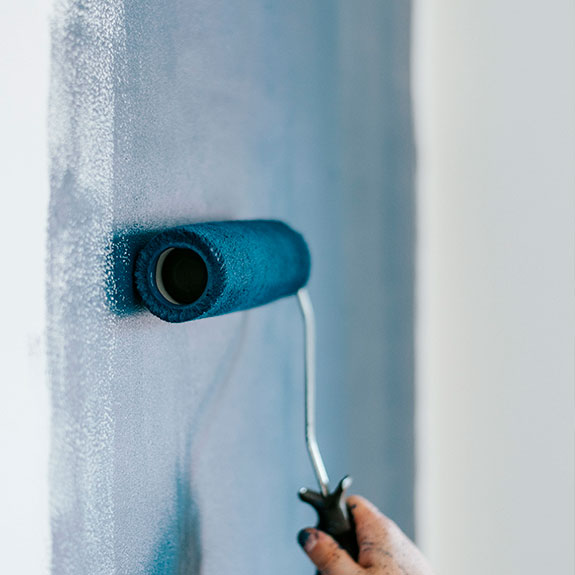
Use thermal paints to create insulating barriers.
When it comes to improving your home’s thermal insulation without having to carry out major renovations, one of the most effective methods is to apply thermal paints.
These innovative, high-tech paints, such as Fischer Total Thermal Paint, contain advanced microceramic spheres that create a powerful insulating barrier when applied to various surfaces such as brick, concrete, and metal.
By forming a protective layer, these thermal paints can significantly reduce heat loss and ultimately improve your home’s energy efficiency.
The best part is that the application process is simple and does not require any demolition or specialized labor, making it a convenient and cost-effective option for homeowners who want to improve their home’s insulation.
Furthermore, the use of thermal paints is not limited to exterior surfaces; they can also be applied to interior walls and ceilings, providing an additional layer of insulation and comfort.
These paints not only offer practical advantages in terms of energy savings, but also blend seamlessly into your home’s interior design, as they can be painted over with regular wall paint or left with their original finish.
Using thermal paints is a strategic and effective way to address insulation issues, especially in areas prone to significant heat loss, and can yield substantial long-term benefits by reducing energy consumption and creating a more environmentally friendly living space.
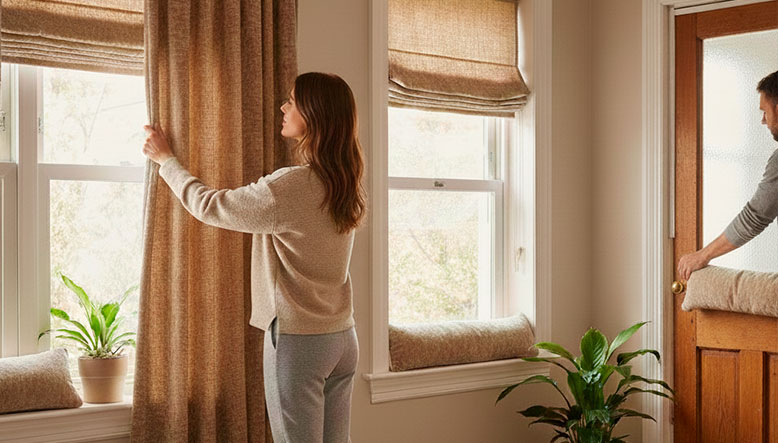
Hang curtains to keep the heat in.
Another effective yet simple strategy for improving your home’s thermal insulation is the strategic use of thermal curtains.
These specialized curtains, designed with insulating properties, play a crucial role in retaining heat during the colder months and blocking excessive heat during the warmer seasons.
The science behind its effectiveness lies in the thermal lining, which acts as a barrier against outside temperatures, thus creating a more stable and comfortable indoor environment.
By strategically placing thermal curtains on windows and doors, you can make a noticeable difference to the overall insulation of your home without the need for complex and lengthy renovations.
In addition, installing weatherstripping and draft barriers along with thermal curtains further strengthens your home’s defense against heat loss.
By sealing any gaps or cracks around windows and doors, you can prevent cold air from entering, creating a well-insulated and cozy living space.
This complementary approach not only improves the thermal efficiency of your home, but also contributes to a significant reduction in energy costs, making it a practical and economical solution for homeowners looking to optimize their home’s insulation.
Install decorative insulating panels
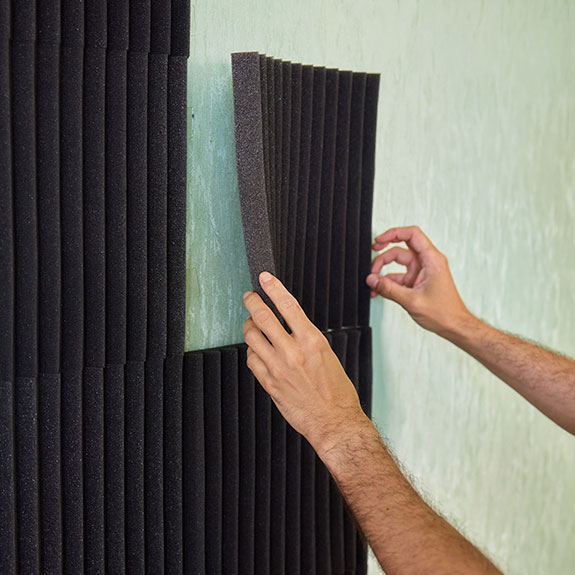
For those looking for a simple and visually appealing way to improve the thermal insulation of their home, installing decorative insulating panels is an attractive solution.
These panels, made from advanced materials such as polystyrene, cork, and textile fibers, serve a dual purpose: providing effective thermal insulation and complementing the interior aesthetics of your living spaces.
By simply attaching these panels to interior walls, you can experience a noticeable reduction in heat transfer, ultimately creating a more energy-efficient and comfortable environment in your home.
What sets decorative insulation panels apart is their versatility in both design and application. They can be customized to match your interior décor, and their lightweight nature makes installation quick and easy, often without the need for professional help.
Whether in the living room, bedroom, or hallway, these panels not only provide high-performance insulation but also add a touch of elegance and sophistication to your interior spaces, making them an attractive and practical option for homeowners who want to achieve functional and aesthetic improvements in their homes.
Spray foam insulation for cracks and gaps
Addressing the smaller, often overlooked areas of your home is a key aspect of improving its overall thermal insulation, and this is where spray foam insulation comes into play.
This advanced insulating material, known for its exceptional air sealing properties, is ideal for filling cracks, gaps, and small cavities around windows, doors, and other structural elements.
When sprayed, it expands to form a solid, airtight barrier, effectively preventing cold air from entering and warm air from escaping, thereby mitigating heat loss and creating a more thermally efficient living environment.
In addition, spray foam insulation application is a convenient and non-invasive process, making it the preferred choice for homeowners seeking a quick and effective insulation upgrade.
Its long-lasting performance and ability to adapt to uneven surfaces make it a reliable solution for addressing insulation gaps and bolstering your home’s overall thermal resistance.
By choosing spray foam insulation, you can proactively address areas of heat loss that traditional insulation methods cannot adequately address, leading to a noticeable improvement in your home’s energy efficiency and reduced heating and cooling costs.
Thick carpets for floor insulation
Although much of the focus on thermal insulation is on the walls and ceilings of a home, the importance of floor insulation should not be overlooked, especially in the context of improving the overall comfort and energy efficiency of living areas.
This is where the strategic use of thick rugs and carpets comes into play as a practical and stylish approach to improving floor insulation.
By laying soft, thick carpets, you not only create a cozy and pleasant atmosphere in your home, but you also establish an additional layer of insulation that helps minimize heat loss through the floor, especially in areas where there are exposed or unheated spaces, such as basements or crawl spaces.
In addition to their insulating benefits, thick carpets offer endless design options, allowing you to enhance the visual appeal of your interior spaces while meeting practical insulation needs.
Their moisture-wicking properties and ability to reduce dust and airborne allergens further contribute to a healthier and more comfortable indoor environment, making them a versatile and multifunctional solution for homeowners seeking a balance between style and thermal efficiency.
By adding thick rugs to your home, you can create a warm and cozy atmosphere while positively impacting your home’s energy efficiency. Ultimately, you will reap the benefits of a well-insulated and aesthetically pleasing living space.

Weatherstripping and draft barriers
When it comes to improving your home’s thermal insulation, the importance of addressing air leaks and drafts cannot be overstated, as they are common pathways for heat loss and can undermine the overall energy efficiency of your living spaces.
This is where installing weatherstripping and using draft stoppers come into play as simple but highly effective measures to reinforce your home’s defense against unwanted air infiltration.
By strategically placing weatherstripping to seal doors and windows and using plugs to block drafts, you can create a more airtight and well-insulated environment, especially during the colder months when the impact of drafts and leaks is most pronounced.
Weatherstripping, which consists of using adhesive-backed materials such as vinyl, felt, or foam, offers a reliable and versatile solution for sealing various types of air leaks, while draft stoppers, often designed as weighted flexible tubes, can be easily placed along the base of doors to prevent cold air from seeping in.
The combined effect of these complementary measures is a significant reduction in heat loss, greater indoor comfort, and a more consistent and controlled temperature throughout your home, all of which contribute to a more energy-efficient and cost-effective domestic environment.
Is it possible to improve the thermal insulation of a house without doing any construction work?
Yes, it is entirely possible. There are solutions such as blown insulation, thermal paints, weatherstripping, decorative insulation panels, and thermal curtains that improve insulation without the need for invasive renovations.
What is blown insulation and when can it be used?
Blown insulation involves introducing insulating material into the air cavity of walls through small holes. It is ideal for existing homes with an interior cavity and can be done in a few hours, without debris or disruption.
Do thermal paints really insulate against cold and heat?
Yes. Thermal paints with ceramic microspheres create a barrier that reduces heat transfer. They help retain heat in winter and keep the interior cooler in summer, improving energy efficiency.
How can you prevent drafts around doors and windows without renovating?
The most effective solution is to install adhesive weatherstripping, sealants, and windbreaks. These elements seal small gaps where heat escapes, immediately improving thermal comfort.
Which areas of the house lose the most heat and should be insulated first?
The main areas of heat loss are:
-Doors and windows
-Cracks and structural gaps
-Walls with little protection
-Floors in contact with unheated spaces
Taking action in these areas offers quick results without the need for construction work.