Keeping your home warm and cozy during the colder months is essential for both comfort and energy efficiency.
In this article, we will explore various strategies that will help you keep your home warm for longer.

Take advantage of natural light during the day
One of the simplest and most effective ways to keep your home warm during the day is to take advantage of natural light. By opening your curtains and blinds to let in sunlight, you can allow the sun’s rays to naturally warm your rooms.
This can be especially beneficial in the early morning and late afternoon, when the sun is at a lower angle. When the sun goes down, remember to close the curtains to retain the accumulated heat. This strategic use of natural light can make a noticeable difference in the temperature of your home and reduce your dependence on artificial heating.
Another valuable tip is to ensure that your thermal curtains are of good quality. Thermal curtains are designed to provide insulation, reducing heat transfer through windows. Also, consider using reflective blinds to redirect sunlight into the interior, maximizing its warming effect.
At night, opt for light-colored curtains to prevent heat from escaping, and during the day, open them up to let the sunlight do its work. By combining the use of thermal curtains with strategic placement and manipulation of natural light, you can create a cozy and pleasant atmosphere in your home while minimizing the need for additional heating.
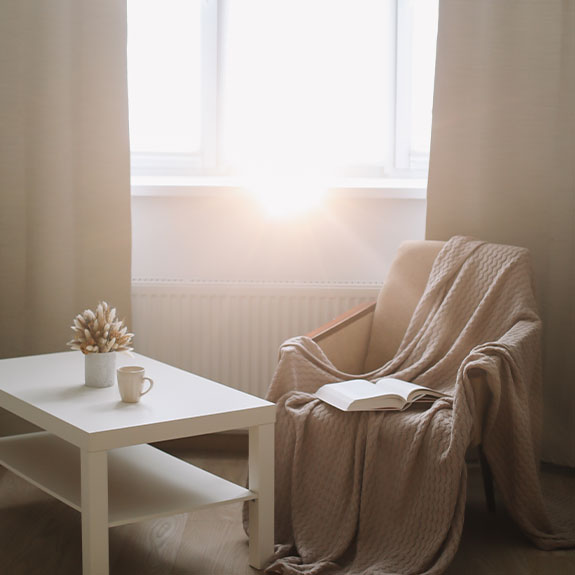
Use thermal curtains and lay down rugs.
By adding thermal curtains and rugs to your home, you can improve its insulation and minimize heat loss. Thermal curtains are specifically designed to provide an extra layer of insulation, preventing cold air from seeping in through windows and heat from escaping.
Similarly, rugs and carpets act as insulators, creating a barrier against the cold that seeps through the floor.
Placing rugs strategically in high-traffic areas and rooms where you spend the most time can help create a feeling of warmth and comfort, making your home cozier during the colder months.
In addition to thermal curtains and rugs, another practical solution is to use draft stoppers or door snakes. These simple but effective tools can be placed at the bottom of doors to prevent cold air from entering your home.
By closing off these potential sources of heat loss, you can maintain a more consistent and comfortable temperature throughout your home, creating a cozy and warm environment for you and your family.
Seal those drafts and eliminate air leaks
Ensuring that your home is well sealed and free of drafts is crucial in maintaining a constant and comfortable temperature. Take the time to inspect windows, doors, and any gaps in the walls for air leaks. By applying weatherstripping and caulk, you can effectively seal these areas and prevent cold air from seeping into your home.
Also, don’t overlook the importance of sealing any cracks around pipes, outlets, and vents.
Every little effort you make to eliminate air leaks can contribute to making your home more energy efficient and significantly reducing your heating costs.
Also, pay attention to your ventilation system and make sure that the vents and ducts are properly sealed. Over time, these areas can develop leaks, which not only compromise the efficiency of your heating system, but also cause hot air to escape.
By taking proactive steps to seal and insulate your ducts, you can improve the overall performance of your heating system and ensure that warm air is distributed effectively throughout your home, keeping every room cozy and comfortable.
Set the thermostat to a comfortable level.
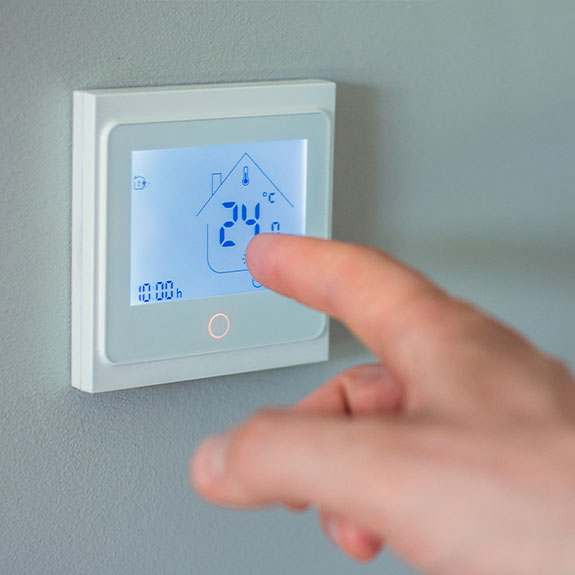
Finding the right balance when adjusting your thermostat is essential for both comfort and energy efficiency. The ideal temperature for your home during the winter months is usually between 21 and 23 degrees Celsius.
However, it is important to adjust the thermostat according to your daily routine. When you are not at home or at night, consider lowering the temperature by a few degrees. This simple adjustment can result in considerable energy savings without compromising your comfort.
In fact, for every degree you lower your thermostat, you can reduce your heating bill by between 1% and 3%. By being mindful of your thermostat settings, you can effectively manage your home heating costs while maintaining a cozy and comfortable environment.
In addition to strategic thermostat adjustment, using programmable or smart thermostats can further increase the efficiency of your home heating.
These advanced devices offer the convenience of adjusting the temperature to your specific needs and can even learn your preferences, optimizing the heating program to suit your lifestyle.
By adopting these technological solutions, you will be able to exercise greater control over your home’s heating system, which will increase comfort, improve energy efficiency, and potentially save you money on your bills.
Insulate unused rooms and conserve heat where it is needed.
To get the most out of your home’s heating system and avoid unnecessary heat loss, it is advisable to focus on insulating and containing heat within areas that are used frequently.
Close off rooms and spaces that are not regularly used and seal doors and ventilation ducts to prevent warm air from escaping. This not only concentrates heat in the areas that are used, but also minimizes the energy required to maintain the desired temperature in these specific spaces.
In addition, consider adjusting the airflow and vents in your heating system to prioritize and distribute heat more effectively to rooms that are used regularly, optimizing overall comfort and the efficiency of your home’s heating network.
In addition, the strategic placement of furniture and decorations can also influence the distribution of heat in your home.
Consider the position of your furniture in relation to the radiators and ensure that it does not obstruct the flow of warm air into the room.
By organizing the layout of your living spaces with the aim of efficiently circulating heat, you can maximize the heating effect of your heating system and create a comfortable and cozy atmosphere throughout your home.
Keep radiators clear and optimize their performance
It is essential that radiators are free from obstructions and working at maximum capacity to maintain a warm and cozy atmosphere in your home.
Take the time to inspect the areas around your radiators and make sure they are not covered by furniture, curtains, or other objects that could prevent hot air from circulating.
By keeping these areas clear, you can increase the efficiency of your heating system and ensure that heat is distributed effectively throughout the room, creating a cozy and comfortable environment for you and your family to enjoy.
Also, consider using reflectors or radiator panels to further optimize the performance of your radiators.
These simple but effective additions can help redirect heat back into the room, maximizing the warming effect and minimizing heat loss.
By implementing these practical measures and keeping your radiators clear and unobstructed, you can boost the overall performance of your heating system and ensure that every room in your home is a haven of warmth and comfort.
Embrace the comfort of cozy bedding and warmth.
When it comes to increasing the warmth and comfort of your home, the role of cozy bedding and fabrics should not be overlooked.
During the colder months, make the most of thick, insulating blankets to create a warm and comfortable haven in your bed. Opt for materials such as flannel, down, or thick cotton, known for their heat-retaining properties.
Layering bedding with different textures and weights can provide greater versatility and allow you to adapt to different temperatures, ensuring a relaxing and cozy environment for your family throughout the night.
In addition, the strategic use of blankets, weighted blankets, and cozy fabrics throughout your home can help create a warm and inviting atmosphere.
Place these items on sofas and armchairs, and keep them within reach so you can wrap up warm quickly and comfortably.
By using these cozy and tactile elements, you can infuse your home with a sense of comfort and relaxation, creating an environment that is not only visually appealing but also physically welcoming—perfect for the cold winter months.

Implement decorative changes to increase the feeling of warmth.
Opening up and enhancing the warm and welcoming atmosphere of your home can also be achieved through thoughtful changes to your décor. Consider introducing a palette of warm, rich colors, such as deep reds, burnt oranges, and earthy browns, into your interior spaces.
These colors create a visually warm and inviting atmosphere, making your home feel more comfortable and welcoming. In addition, introduce soft, plush textures using cushions, blankets, and decorative elements that not only enhance the aesthetic appeal but also provide a comforting tactile experience.
Don’t forget to use soft, ambient lighting to further accentuate the warm and welcoming atmosphere of your home. Introduce table and floor lamps with soft, diffused bulbs, and consider using dimmers to adjust the intensity of the light depending on the time of day and the desired atmosphere.
By creating areas of soft, delicate lighting, you can transform the atmosphere of your living spaces, infusing them with a warm, welcoming glow that is perfect for relaxation and comfort during the colder months.
Check and optimize your heating system for optimal performance.
As you strive to maintain a warm and welcoming environment in your home, it is crucial that you pay attention to the condition and performance of your heating system.
Regularly inspect and check your heating appliances to ensure they are working at peak efficiency and providing the necessary levels of heat. This may involve tasks such as cleaning filters, checking for problems or malfunctions, and scheduling any necessary professional maintenance.
By prioritizing the maintenance and optimization of your heating system, you will improve its efficiency, extend its lifespan, and ensure that it continues to provide a consistent and reliable source of heat for your home.
Also, consider the advantages of incorporating programmable or smart thermostats into your heating system.
These advanced devices offer the convenience of automated temperature control, allowing you to set specific heating schedules and adjust the temperature according to your needs.
By adopting these technological solutions, you can achieve greater comfort, energy efficiency, and savings, while enjoying the cozy and pleasant atmosphere of a well-heated home.
In summary, by applying a combination of practical and strategic measures, you can effectively maintain the warmth and comfort of your home during the colder months, while optimizing energy efficiency and managing heating costs.
From taking advantage of natural light and investing in thermal insulation to sealing drafts, adjusting heating settings, and adopting cozy textiles and decorations, there are numerous ways to create a welcoming environment for you and your loved ones to enjoy.
Conclusion
In conclusion, there are several effective strategies that can help you keep your home warm for longer during the winter months.
By taking advantage of natural light, thermal curtains, and proper insulation, sealing air leaks, and controlling the thermostat, you can improve the comfort and energy efficiency of your home.
In addition, making small changes to your décor and regularly checking your heating system can also help keep your home warm and cozy. By following these tips, you can enjoy a comfortable and cost-effective winter.
How can I keep my house warm in winter?
Take advantage of sunlight, use thermal curtains, seal air leaks, and check your heating system to conserve heat longer.
What is the ideal temperature for keeping your home warm and efficient?
The recommended temperature is between 21°C and 23°C. Lowering the thermostat a few degrees when you are not at home reduces energy consumption.
Why is it important to seal drafts?
Sealing doors, windows, and ducts prevents heat loss and improves the efficiency of the heating system, reducing energy costs.
What materials help keep the house warmer?
Thermal curtains, thick carpets, flannel blankets, and warm textiles act as natural insulators and better conserve temperature.
How does decoration influence the feeling of warmth?
Using warm colors, soft textures, and soft lighting creates a more welcoming atmosphere and helps make the house feel warmer.