
Winter lasts forever, and no spring skips its turn. Insulation, heating, and protection against the cold in your home.
As temperatures drop, it’s important to prepare your home for the colder months ahead. In this article, we will discuss key aspects to consider, such as insulation, efficient heating, and protection against the cold.
These measures not only ensure a warm and comfortable living environment, but also help reduce energy consumption and promote sustainability. Remember that winter may seem endless, but spring will be here soon. Let’s get ready for the coldest season!

As winter approaches, it is essential to ensure that your home is prepared to withstand the cold and unpleasant temperatures. Proper insulation, an efficient heating system, and effective protection against the cold can make a significant difference in your comfort and energy consumption during the winter months.
In this guide, we will explore the key aspects of preparing your home for winter, such as insulation, heating, and protection against the cold.
Whether you are an experienced homeowner or a new resident, these practical tips will help you create a warm and energy-efficient living environment for the coming months.
Insulation: keeping the cold at bay
One of the most critical elements in preparing your home for winter is ensuring that it is well insulated. Proper insulation helps maintain a constant indoor temperature, prevents hot air from escaping, and minimizes heat loss.
When it comes to insulation, it is essential to address key areas such as windows, walls, and floors. By taking these steps, you can significantly improve your home’s thermal efficiency and reduce the strain on your heating system.
A significant amount of heat loss in a home occurs through the windows. To combat this, consider using energy-efficient windows with double or triple glazing. These windows are designed to reduce the amount of heat escaping from your home and minimize cold air entering.
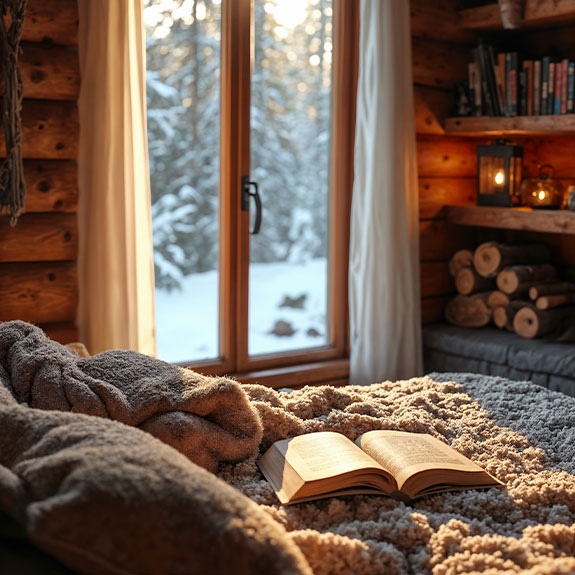
If replacing your windows is not feasible, you can also improve their insulating properties by applying weatherstripping or caulk to seal any air leaks. In addition, using thermal curtains or insulated blinds can provide an extra layer of protection against the cold, helping to keep warm air inside your home.
Insulating walls and floors is also crucial for maintaining a comfortable indoor temperature. Consider adding insulation to exterior walls, especially if they are uninsulated or poorly insulated. This can be done by injecting insulating material into the cavities of the walls or by adding insulating panels to the inside or outside of the walls.
In addition, insulating floors, especially those leading to unheated spaces such as basements, can help prevent heat loss and make your home more comfortable during the colder months.
In addition, insulating floors, especially those leading to unheated spaces such as basements, can help prevent heat loss and make your home more comfortable during the colder months.
Efficient heating: stay warm and save energy
In addition to insulation, having an efficient heating system is essential for keeping your home warm and comfortable while minimizing energy consumption.
There are several types of heating systems to choose from, such as central heating, heaters, and underfloor heating. Regardless of the type of system you have, there are several key steps you can take to ensure that it works optimally and provides the best possible efficiency.
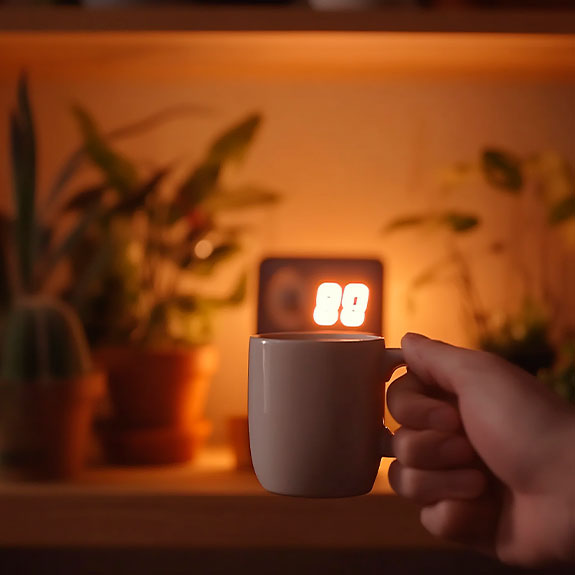
Setting the thermostat to a suitable temperature is an effective way to regulate the heating in your home. It is recommended to keep the temperature around 20°C (68°F) during the day and lower it to 16°C (61°F) at night.
This simple temperature adjustment can make a significant difference in reducing your energy consumption. It is also important not to place heat-generating appliances such as lamps or televisions near the thermostat, as they can give inaccurate temperature readings and cause the heating system to work harder than necessary.
Regular maintenance of your heating system is crucial to ensuring its efficiency and longevity. This includes tasks such as replacing or cleaning air filters, inspecting and cleaning ventilation ducts, and scheduling professional maintenance and tuning of furnaces, boilers, and heat pumps.
Fixing any heating system problems in a timely manner can prevent more serious issues in the future and ensure that it operates at maximum efficiency. If you use heaters, make sure they are kept away from flammable materials and have safety features such as tip-over and overheating protection.
Also, consider using a programmable thermostat to automatically lower the temperature when the house is empty or when everyone is asleep, further optimizing energy use.
Cold protection: keeping the cold at bay
In addition to insulation and heating, protecting your home from the cold and preventing drafts and heat loss is vital, especially in areas where the cold can be particularly harsh.
By taking proactive steps to seal leaks and improve air circulation, you can create a more comfortable environment and reduce energy waste.
An effective way to protect your home from the cold is to seal drafts and leaks. Check for gaps or cracks around windows, doors, and other areas where air can enter or escape. Applying weatherstripping or caulk can help seal these openings and prevent cold air from seeping into your home.
In addition, using door sweeps and hatch covers on basement and attic doors can further reduce cold air infiltration and warm air loss, contributing to improved energy efficiency.
For homes with a fireplace or wood stove, ensuring that the chimney is properly sealed when not in use is crucial to preventing drafts.
Consider using a chimney cap and insulated cover to block cold air and heat loss. By addressing these points, you can effectively protect your home from the cold, improving comfort and minimizing energy waste.
Additional considerations: Preparing for the winter months
In addition to insulation, heating, and protection from the cold, there are other important considerations to keep in mind when preparing your home for winter. These additional measures can help you create a safe, warm, and energy-efficient environment for you and your family.
Protecting exposed pipes is essential to prevent freezing and potential water damage during the winter months. Insulate exposed pipes in unheated areas of your home using pipe insulation or foam to reduce the risk of freezing.
Also, consider letting a small trickle of water run through the faucets connected to these pipes during extremely cold temperatures to help prevent them from freezing.
Ensuring your home is equipped with working smoke and carbon monoxide detectors is vital for maintaining safety during the winter.
Given the increased use of heating systems and the likelihood of burning fuel, it is essential to have these detectors to protect against the risks of fire and dangerous gases.
Check the batteries and operation of these devices regularly, and replace them according to the manufacturer’s recommendations to ensure they work effectively.
In homes with outdoor air conditioning units, consider covering them with a specialized cover to protect them from the elements and debris.
This can help extend the life of the unit and make it easier to maintain in the spring when it is put back into service. Also, if you have a portable generator, make sure it is in good working order and ready to use in the event of a power outage, providing an additional layer of preparedness for the winter months.
Practical tips for getting your home ready for winter
Implementing these measures not only improves the comfort and safety of your home during the cold winter months, but also contributes to energy savings and the overall efficiency of your living environment.
Taking the time to prepare your home for winter will help you create a cozy and warm space for you and your family, while minimizing the impact on your energy consumption and the environment.
Whether you choose to perform these tasks yourself or enlist the help of professionals, proper preparation and maintenance can make a huge difference in your home’s performance and your family’s comfort throughout the winter season.
From insulation and heating to protection against the cold, every aspect plays a vital role in creating a warm, efficient, and cozy environment in your home.
By following these practical tips and recommendations, you can ensure that your home is well prepared to withstand the rigors of winter, providing a safe and comfortable haven for you and your loved ones.
Conclusion
In conclusion, preparing your home for winter is essential for a warm and comfortable environment, as well as for optimizing energy consumption.
Proper insulation, efficient heating, and protection against the cold are key aspects to consider.
These measures not only improve the comfort of your home, but also contribute to a more sustainable and environmentally friendly lifestyle.
What is the first step in preparing a house for winter?
The first step is to check the insulation of windows, walls, and floors. Sealing air leaks and improving thermal insulation helps keep heat inside and reduces heating consumption.
What temperature is recommended for your home during the winter?
It is advisable to keep the house at 20°C during the day and lower it to 16°C at night. This ensures comfort and reduces energy consumption without sacrificing well-being.
How can I improve the efficiency of my heating system?
Perform annual maintenance, change the filters, check the ducts, and program the thermostat. This will optimize performance and prevent breakdowns that can be costly in winter.
How can you prevent drafts and cold air leaks?
Use weatherstripping, sealant, and door sweeps. You can also install thermal curtains or insulated blinds to reinforce protection against the cold, especially on older windows.
What additional measures help protect the house in winter?
Insulate exposed pipes, check smoke and CO detectors, cover outdoor air conditioning units, and have a generator or emergency plan in place in case of power outages.