During winter, condensation can often become a problem in our homes, causing dampness, mold, and structural damage.
However, by implementing certain solutions such as adequate ventilation, temperature control, and the use of specific tools and plants, we can prevent and reduce condensation in our homes.
In this article, we will explore some effective strategies for keeping our homes dry and comfortable during the winter months.

Proper ventilation
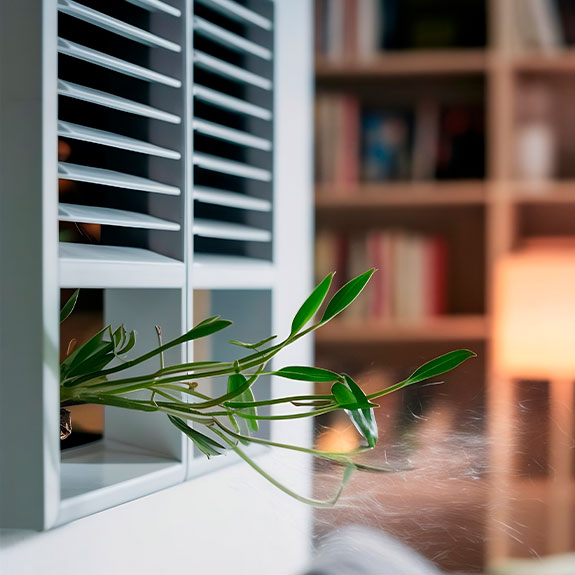
One of the key measures to prevent condensation in the home during winter is to ensure adequate ventilation.
This can be easily achieved by opening windows for short periods, such as 10 to 15 minutes, in the morning to allow fresh air to circulate and excess moisture to be expelled from the interior. It is essential to adopt this practice, even in the cold season, as it contributes significantly to maintaining a healthy indoor environment.
In addition, the use of natural ventilation methods, such as strategically opening windows and using vents to encourage cross ventilation, can also be very effective. This not only helps reduce moisture buildup, but also removes stale air, thereby improving the overall air quality inside the home.
It is important to note that in situations where it is not possible to open windows, such as in tall buildings or during extreme weather conditions, installing a mechanical ventilation system may be a suitable alternative.
A well-designed and well-maintained mechanical ventilation system can effectively control indoor air quality, regulate humidity levels, and prevent condensation, ultimately contributing to a healthier and more comfortable living environment, regardless of external weather conditions.
Maintain a moderate temperature
During the winter months, maintaining a constant, moderate temperature in the home is essential to prevent condensation from forming. It is recommended to keep the main living areas at a comfortable temperature, such as between 68 and 70°F, while bedrooms can be slightly cooler, ideally between 64 and 68°F.
By controlling and maintaining these temperatures, it is possible to significantly reduce the likelihood of condensation forming on cold surfaces such as windows and walls.
In addition, the use of temperature control devices, such as thermostats and sensors, can help to effectively maintain desired temperatures, while energy-efficient heating systems can contribute to a consistent and comfortable indoor climate, all of which is conducive to preventing condensation and its associated problems.
In addition, strategic furniture placement and ensuring unobstructed hot air circulation can help maintain a uniform and moderate temperature throughout all living spaces.
It is important to avoid placing furniture or other objects directly in front of heat sources or ventilation ducts to ensure even heat distribution and prevent the creation of cold spots, which can contribute to condensation and other related problems.
Simple adjustments to the layout of living areas can make a significant difference to overall temperature regulation and the prevention of condensation inside the home.
Control relative humidity
Another crucial aspect of preventing condensation in the home during winter is careful regulation of relative humidity levels.
It is recommended to maintain indoor relative humidity between 40% and 60%, as this level helps prevent condensation and mold growth.
Using devices such as hygrometers can help control humidity levels inside the home, providing the information needed to make the necessary adjustments.
In addition to using electronic devices, there are also practical and natural methods for regulating and controlling indoor humidity.
For example, strategically placing moisture-absorbing materials, such as salt, in various rooms can help naturally reduce excessive humidity.
In addition, promoting good air circulation by keeping interior doors open and using fans when necessary can help maintain consistent and adequate humidity levels throughout the home, which ultimately helps prevent condensation and its associated risks.
Use of dehumidifiers
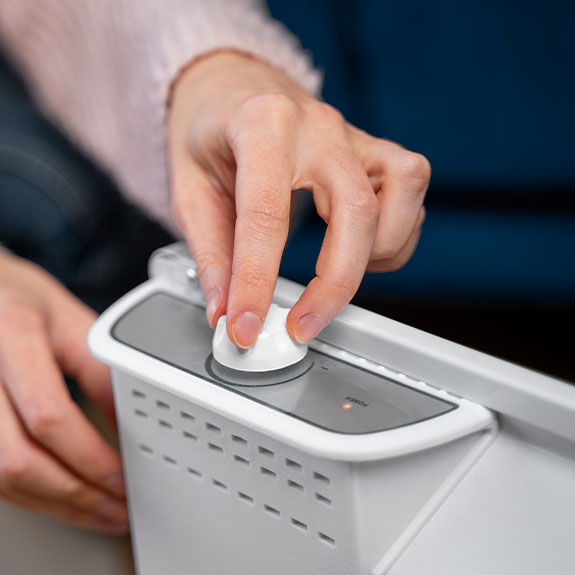
Using dehumidifiers is an effective strategy for reducing and controlling excess moisture in the home, especially in areas prone to high humidity levels, such as bathrooms and kitchens. Electric dehumidifiers are designed to extract moisture from the air, thereby reducing the overall humidity in the environment.
These devices are especially beneficial in winter, when outdoor air is more prone to increased humidity due to indoor heating.
In addition, for those seeking alternatives to electric dehumidifiers, the use of hygroscopic materials, such as silica gel, can also help to effectively absorb moisture from the air. These materials are commonly used in various household items and can be strategically placed in different rooms to help reduce humidity levels.
Whether through the use of electric dehumidifiers or the application of hygroscopic materials, effective humidity control is essential to prevent condensation and its potentially damaging effects on the structure and air quality of the home.
Improve thermal insulation
Improving the thermal insulation of your home is a key measure for preventing condensation, especially on cold surfaces such as windows and exterior walls. This can be achieved through various methods, such as installing double-glazed windows or using thermal insulation sheets, which serve to reduce heat transfer and minimize the appearance of condensation on interior surfaces.
In addition, applying insulating materials to walls and ceilings, especially in unheated areas, can help maintain a more constant and higher surface temperature, thereby reducing the likelihood of condensation forming.
In addition, for people who cannot immediately invest in upgrading insulation materials, using weatherstripping and caulking can be a cost-effective approach to improving overall insulation and reducing the possibility of condensation. By sealing gaps and cracks around windows, doors, and other areas, you can minimize the transfer of warm air to the outside, resulting in a more stable and regulated indoor temperature and less condensation.
These proactive measures to improve and reinforce the thermal insulation of your home can significantly help prevent condensation and create a more favorable and comfortable living environment, especially during the colder months.
Upgrade to double-glazed windows
Considering switching to double-glazed windows is a proactive and highly effective solution for mitigating condensation in the home.
The construction of double-glazed windows, consisting of two panes of glass with a layer of inert gas or vacuum sealed between them, serves to provide superior insulation and reduce heat transfer, thereby minimizing condensation formation on interior surfaces.
This advance not only contributes to the prevention of condensation, but also helps the overall energy efficiency of the home by reducing heat loss and maintaining a more stable and comfortable indoor temperature.
In addition to the inherent qualities of reducing condensation, installing double-glazed windows also offers other significant advantages, such as improved sound insulation and increased security.
Investing in double-glazed windows, especially in areas exposed to a high risk of condensation, represents a long-term solution that aligns with the goal of creating a healthier, more comfortable, and energy-efficient living environment.
Adopt indoor plants for humidity control
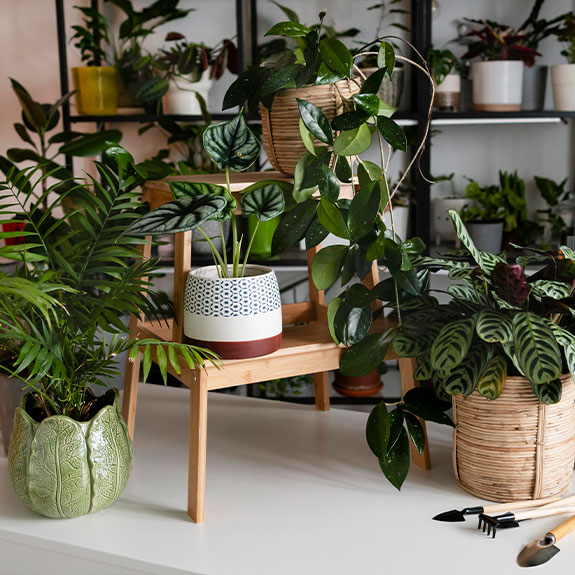
The incorporation of specific indoor plants with moisture-absorbing properties represents a natural and aesthetically pleasing approach to controlling and reducing humidity levels within the home.
Plantas como la hiedra inglesa, el lirio de la paz y el helecho de Boston son conocidas por su capacidad para absorber y regular la humedad del aire, contribuyendo así a la prevención de la condensación y a la mejora de la calidad del aire interior.
These plants not only serve functional purposes, but also add a touch of greenery and natural beauty to living spaces, promoting a more pleasant and harmonious indoor environment.
Given their unique ability to absorb excess moisture, these plants are well suited for placement in areas prone to high humidity, such as bathrooms, kitchens, and laundry rooms.
In addition to their practical benefits, the presence of these indoor plants can enhance the overall atmosphere of the home and create a more visually appealing and refreshing living space.
By taking advantage of these plants’ natural moisture-regulating qualities, people can take a proactive and environmentally friendly approach to controlling indoor humidity and preventing the adverse effects of condensation in their homes.
Avoid drying clothes indoors
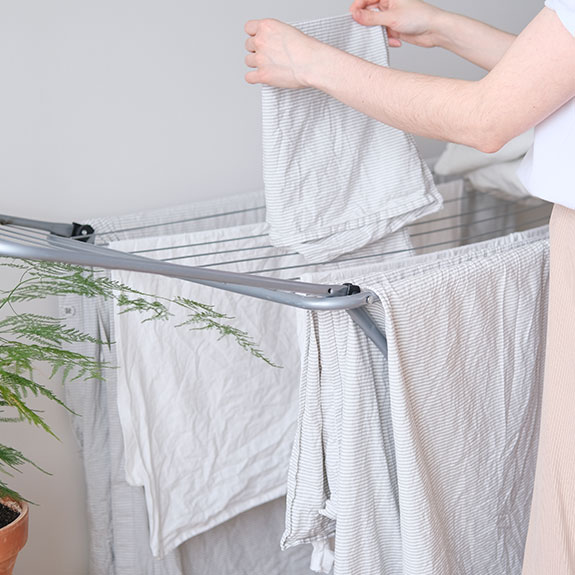
One of the most common causes of increased humidity inside the home and the resulting risk of condensation is the practice of drying clothes indoors.
The process of air drying clothes releases a significant amount of moisture into the air which, if not properly controlled, can lead to high humidity levels and the potential for condensation to occur.
In situations where it is not possible to dry clothes outdoors, using well-ventilated spaces or a dehumidification system while drying clothes can mitigate the impact of indoor drying on overall humidity levels in the home.
By promoting adequate air circulation and implementing moisture reduction strategies, indoor clothes drying can be carried out in a way that minimizes its impact on indoor humidity, thereby helping to prevent condensation and its associated problems.
In addition, the use of alternative drying methods, such as dry cleaning services or the implementation of specialized indoor drying solutions, can further contribute to reducing indoor humidity and maintaining a healthier and more comfortable living environment.
Maintenance of heating and ventilation systems
Ensuring proper maintenance and operation of heating and ventilation systems is essential to prevent excessive indoor humidity and the resulting risk of condensation.
Regular inspection and maintenance of heating systems, including cleaning and replacing filters, as well as repairing any leaks in the ductwork, are essential for maintaining optimal performance and preventing excessive moisture from being released indoors.
In addition, the proper functioning of ventilation systems, such as kitchen and bathroom exhaust fans, plays a crucial role in removing excess moisture and preventing condensation, especially in areas prone to high humidity.
Regular maintenance and cleaning routines for these ventilation systems, together with adequate extraction during cooking, bathing, and other moisture-generating activities, can help prevent condensation and maintain a healthier and more comfortable living environment.
Conclusion
The implementation of these comprehensive solutions, ranging from proactive ventilation and temperature control to the use of dehumidifiers and improved thermal insulation, can significantly contribute to the prevention and reduction of condensation in the home during winter.
By creating a well-ventilated, adequately heated, and humidity-controlled indoor environment, people can effectively mitigate the risks and challenges associated with condensation, prioritizing the maintenance of a healthy and comfortable living space.
Furthermore, consideration of natural and cost-effective solutions, such as incorporating specific indoor plants and avoiding drying clothes indoors, further underscores the importance of proactive measures to maintain optimal indoor conditions and prevent the detrimental effects of condensation on the quality of life within the home.
Ultimately, adopting these multifaceted strategies represents a proactive and conscientious approach to safeguarding the integrity of the home and the well-being of its occupants, marking a significant step toward creating a sustainable, healthy, and comfortable living environment, especially during the demanding winter season.
Why does condensation appear in the home during winter?
Condensation occurs when warm, humid indoor air comes into contact with cold surfaces, such as windows or walls. It occurs more often in winter because we keep our homes closed and heat the interior, which increases indoor humidity.
What temperature is recommended to prevent condensation?
Ideally, living areas should be kept between 20 and 21°C, and bedrooms between 18 and 19°C. These temperatures prevent surfaces from becoming too cold and help prevent moisture from condensing on them.
Does opening windows in winter really help reduce condensation?
Yes. Ventilating for
What solutions are there if the house continues to have humidity despite ventilation?
You can take additional measures such as:
–Dehumidifiers, either electric or silica gel.
–Improve insulation with weatherstripping, thermal sheets, or double glazing.
–Check heating and ventilation systems to ensure optimal performance.
These actions reduce humidity more thoroughly and consistently.
Which plants help absorb moisture in the home?
Some plants with great moisture-regulating capabilities are:
-English ivy
-Peace lily
-Boston fern
They are especially useful in bathrooms, kitchens, and laundry rooms, where humidity is usually higher.