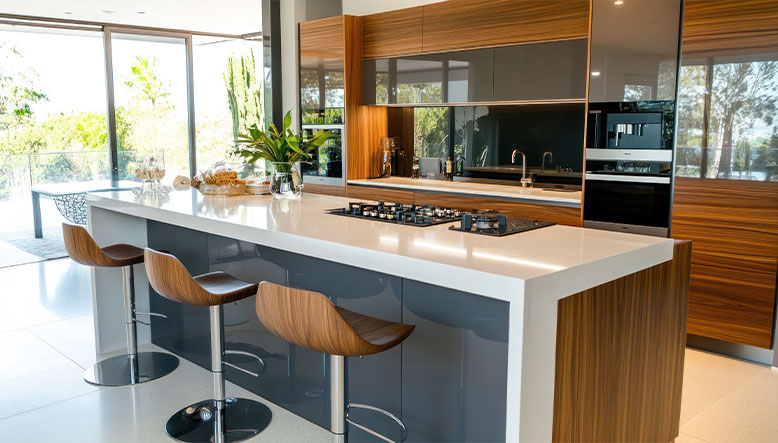
A kitchen is not just a place for cooking; it has become a central gathering place in modern homes.
A popular design concept is the open-plan kitchen, which integrates the kitchen with the living and dining areas to create an open and fluid space.
In this article, we will explore the concept of open-plan kitchens, their advantages, considerations, and how to strike a balance between functionality and design.
The concept of an open kitchen
When we talk about the concept of open-plan kitchens, we are referring to a design trend that has gained considerable popularity in recent years.
An open kitchen, also known as an “American kitchen,” is essentially a kitchen space integrated with the adjacent living and dining areas. This integration is achieved by removing physical barriers such as walls or doors, resulting in a cohesive and seamless flow between the kitchen and the rest of the home.
The aim of this design is to create a multifunctional, spacious, and visually appealing area that serves as the heart of the home.
The design of an open kitchen often includes a central island or bar area that not only serves as a practical surface for preparing food, but also acts as a social and dining space.
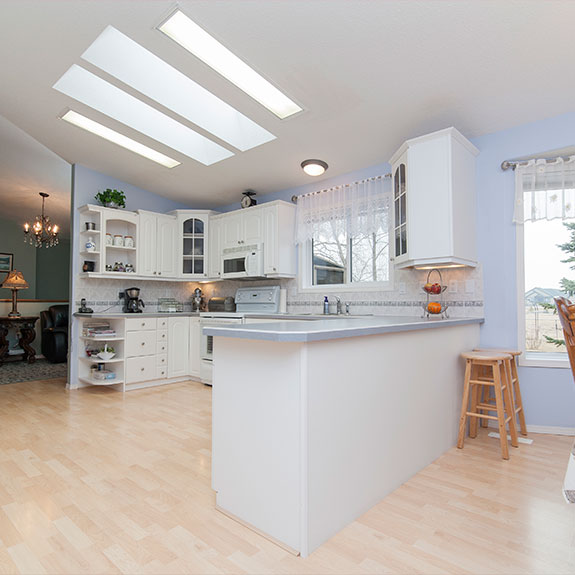
This concept is based on the idea that the traditional separation of the kitchen from the main living areas is no longer necessary and that a more integrated approach can offer numerous advantages to residents.
One of the key features of an open kitchen is the fluid transition between the cooking area and the living or dining space. It erases the boundaries between the different functions of the home, allowing for a more fluid and harmonious use of space.
This open-concept design often promotes a more social and interactive lifestyle, as the kitchen becomes a central gathering place for family and friends.
Open kitchens are especially popular in modern home designs and are highly valued for their ability to create a welcoming and spacious atmosphere. The seamless flow between the kitchen and adjoining areas is not only visually appealing, but also contributes to a sense of openness and connectivity within the home.
Integrate the kitchen with the living and dining areas
The integration of the kitchen with the living and dining areas is a fundamental aspect of the open kitchen concept. By removing physical barriers and bringing these spaces together, homeowners can enjoy the convenience of a multifunctional area where cooking, eating, and relaxing can all take place in close proximity. This integration not only maximizes the use of space, especially in smaller homes, but also fosters a more inclusive and interactive environment for the entire family.
By merging the kitchen with the living and dining areas, homeowners can create a harmonious and connected living space that is conducive to both everyday activities and special occasions.
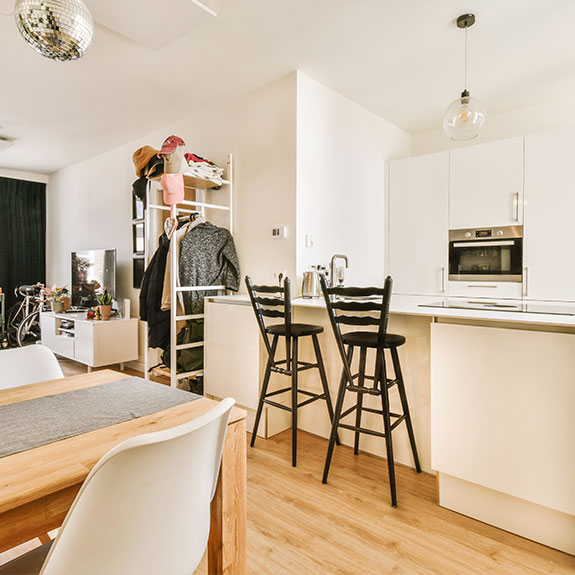
The seamless integration of these areas allows for a more practical and efficient use of the available square footage, making the most of the space without the need for formal separation.
In addition, integrating the kitchen with the living and dining areas also opens up opportunities for creative interior design and cohesive decor. It allows for a unified and consistent aesthetic across the different functional areas of the home, creating a sense of balance and cohesion in the overall design.
Benefits of an open-plan kitchen
The concept of an open kitchen, or American kitchen, offers a multitude of advantages that can be particularly beneficial for modern homeowners.
From maximizing space utilization to encouraging social interaction, open-concept kitchen design has become a popular choice for those seeking to create a functional, stylish, and welcoming home.
Maximizing space in smaller homes
One of the main advantages of the open kitchen concept is its ability to maximize the use of space, especially in smaller homes.
By removing physical barriers and creating an uninterrupted flow between the kitchen, living room, and dining room, open kitchens can make even the most compact spaces feel more spacious and open.
The absence of dividing walls and the integration of different functional areas contribute to a feeling of spaciousness and can make a small house seem much larger and more welcoming.
In addition, the open-plan kitchen design also allows for more efficient and practical use of the available square footage. By combining the kitchen with the adjacent living and dining areas, homeowners can make the most of their limited space and create a cohesive and functional living environment that meets their everyday needs.
Create a feeling of spaciousness and light
In addition to maximizing space, the open kitchen concept also contributes to a feeling of spaciousness and light within the home.
The absence of physical barriers and the seamless continuity between the kitchen and the living or dining areas allow natural light to flow freely throughout the space, creating a bright, airy, and open atmosphere. This not only makes the home more welcoming and comfortable, but also contributes to a visually appealing and contemporary aesthetic.
In addition, integrating the kitchen with the rest of the house allows for a more even distribution of light, as well as the opportunity to enjoy the benefits of the outdoor views from the kitchen area. This openness and connection to the outside environment can have a positive impact on the overall atmosphere and livability of the home.
Another important advantage of the open kitchen concept is its ability to facilitate social interaction and create a space where cooking, dining, and entertaining converge seamlessly.
The strategic placement of a center island or bar not only provides additional workspace for preparing and serving food, but also serves as a gathering place for family and guests.
This arrangement allows the person cooking in the kitchen to maintain visual and conversational contact with those in the living room or dining room, fostering a sense of togetherness and interaction. Whether preparing a meal, entertaining guests, or simply enjoying everyday activities, the open kitchen design encourages a more social and inclusive living experience.
Being able to communicate while cooking
With the kitchen integrated into the main living areas, people are not isolated while preparing meals and can easily chat with others, watch television, or participate in various activities.
This level of interaction and communication during the cooking process not only makes food preparation more enjoyable, but also allows for a more relaxed and social approach to mealtime and fun.
In addition, the open kitchen design offers the opportunity for shared experiences, as family members can participate together in cooking, baking, or food presentation activities, creating lasting memories and strengthening family bonds.
The open and inclusive nature of the kitchen space encourages a more collaborative and participatory approach to mealtimes, which can contribute to a greater sense of connection and togetherness in the home.
Turn a center island or bar into a gathering place
The presence of a central island or bar in an open kitchen not only serves as a practical work surface and additional seating area, but also becomes a hub for social activity and interaction.
Whether for casual meals, morning coffee, or social gatherings, the island or bar serves as a meeting place where family members or guests can gather and enjoy each other’s company.
This central gathering place not only adds a social and interactive dimension to the kitchen, but also provides a versatile and multipurpose space for various activities, such as homework, conversation, and entertainment.
The central island or bar becomes a connecting point and catalyst for social interaction within the home, blurring the boundaries between cooking, dining, and leisure time.
Considerations and drawbacks
Although the concept of an open kitchen offers numerous advantages, it is essential to take certain considerations and potential drawbacks into account before adopting this design approach.
By taking these factors into account, homeowners can make informed decisions and find the right balance that suits their lifestyle and preferences.
Keep the kitchen clean and organized
One of the key considerations in designing an open kitchen is the need to maintain cleanliness and organization in the kitchen area, especially when it is visible from the living and dining areas.
The absence of physical barriers means that any clutter or mess in the kitchen can be easily noticed, so it is essential to adopt effective storage and organization solutions to keep the space tidy and presentable at all times.
In addition, the exposure of the kitchen area may require a more conscious effort in terms of cleaning and hygiene, as any cooking surface, appliance, or utensil will be visible.
This increased visibility requires a proactive approach to cleaning and the adoption of habits and strategies that help keep the kitchen visually appealing and functional within the open-concept layout.
Kitchen odor management
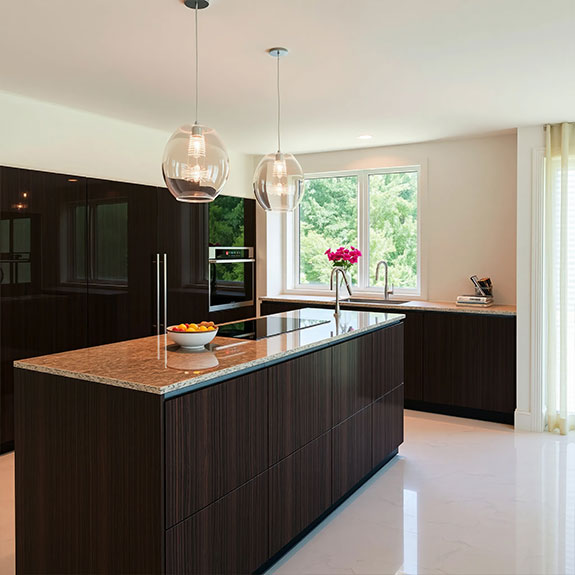
Another important consideration with an open-concept kitchen is managing cooking odors, as the absence of physical barriers allows any lingering smells to easily travel to the adjoining living and dining areas.
This issue can be addressed by strategically placing powerful ventilation systems, such as range hoods, which can effectively capture and expel kitchen odors, minimizing their impact on the overall environment of the home.
By ensuring adequate ventilation in the kitchen, homeowners can mitigate the potential inconveniences associated with odor dispersion and enjoy a more pleasant and comfortable living space.
In addition, the use of air-purifying plants and the implementation of proper cleaning and maintenance routines can further contribute to a fresh, odor-free open kitchen environment.
Finding a balance
When considering implementing an open kitchen concept, it is essential to find a balance that accommodates the advantages of a multifunctional and integrated living space, while addressing the considerations and potential challenges associated with this design approach.
Through careful consideration of personal preferences, lifestyle needs, and spatial dynamics, homeowners can tailor the open kitchen design to suit their specific requirements and create a harmonious and practical living environment that reflects their individual style and values.
In addition, the integration of the kitchen with the living and dining areas should align with the overall design and functionality of the home, ensuring a cohesive and seamless living experience.
By consciously incorporating storage solutions, lighting design, and ventilation strategies, homeowners can strike a balance between the desire for an open, social kitchen space and practical considerations of maintenance and comfort.
The open kitchen concept, with its emphasis on integration, social interaction, and efficient use of space, remains a popular design choice for modern homes. It offers a unique blend of functionality and aesthetic appeal, creating a cohesive and welcoming living environment that is conducive to both everyday activities and special occasions.
By considering the advantages and challenges of this design approach, homeowners can embrace the open kitchen concept while finding the right balance that suits them and their individual lifestyle.
Conclusion
In conclusion, an open-plan kitchen is a design concept that integrates the kitchen with the living and dining areas, creating an open and fluid space. It offers several advantages, such as maximizing space, facilitating social interaction, and promoting a sense of openness.
However, this design also has considerations and drawbacks. It is important to find a balance and take personal preferences into account before deciding whether an open-plan kitchen is the right choice for a home.