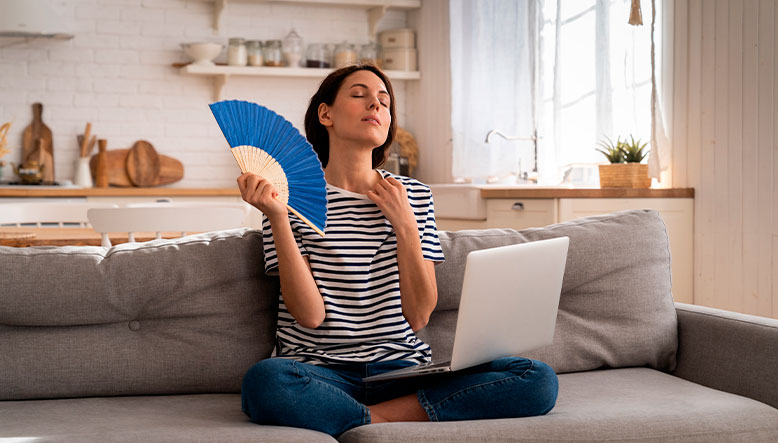
As temperatures continue to rise, it’s becoming increasingly important to find ways to keep our homes cool.
And while many people automatically turn to air conditioning, there are also natural and cost-effective strategies that can help keep your home cool without relying on air conditioning.
In this article, we’ll provide a step-by-step guide on how to cool your home without using an air conditioner.
By putting these strategies into practice, you’ll not only save money on your energy bill, but you’ll also contribute to a more sustainable and comfortable living environment.

Controls sunlight
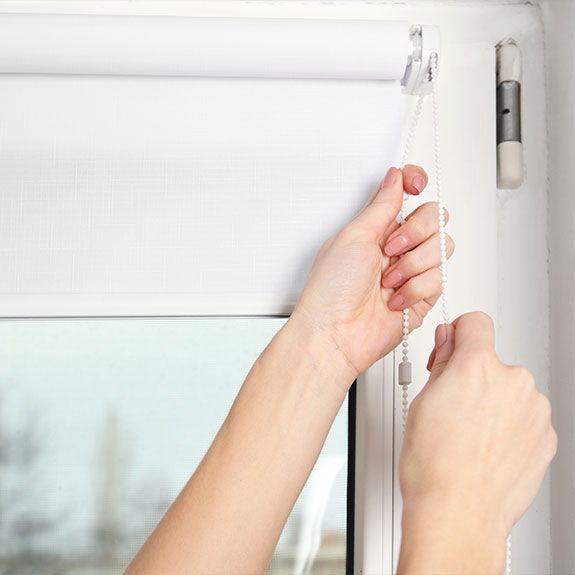
During the hottest part of the day, it’s crucial to minimize the amount of direct sunlight entering your home. Using blinds, curtains, or shades can effectively block the sun’s rays, especially on south-facing windows.
Choose lightweight, light-colored fabrics for your curtains, as these materials reflect light and heat more effectively.
Also, consider installing window film or using exterior shading devices to further reduce the amount of heat entering your home through the windows.
Early in the morning or late in the afternoon, when the sun isn’t as strong, you can also open the window shades to let in natural light and warmth, which can be pleasant and help create a cozy atmosphere indoors.
This balanced approach can make a significant difference in your home’s overall temperature and comfort level without relying on air conditioning.
Open the windows during the cooler hours
Take advantage of the cooler hours in the morning and evening to air out your home. Open windows and doors to create drafts that allow cool, fresh air to circulate and help expel the hot air that has built up inside.
It is important to close all openings during the hottest parts of the day to keep the air cool inside.
By strategically managing the ventilation in your home, you can help maintain a more comfortable indoor temperature without needing air conditioning.
Another effective way to improve ventilation is to use exhaust fans in areas such as the kitchen and bathroom, where heat and humidity often build up.
This can help remove hot, humid air and create a more comfortable indoor environment, especially during the warmer months.
If you pay attention to when and how you ventilate, you can significantly improve the overall comfort of your living space.
Use fans strategically
Fans can be powerful allies in creating a cooler indoor environment. One effective strategy is to place a bowl of ice or a frozen water bottle in front of a fan; by blowing air over the ice, the fan will create a cooling effect that can help lower the surrounding temperature.
In addition, placing a floor or table fan to draw in cooler air from the lower parts of the house can also help create a more comfortable indoor environment. This promotes air circulation and can create a pleasant, refreshing breeze throughout the house, especially during the warmer months.
Consider adjusting the direction of the fans based on the time of day; in the morning and at night, when the outside air is cooler, you can set the fans to draw in the cooler air from outside.
During the hottest parts of the day, position the fans so that they circulate the air indoors and help create a cooling effect.
By taking advantage of the power of fans and their strategic placement, you can help reduce your reliance on air conditioning and maintain a more comfortable indoor temperature.
Choose lightweight fabrics
Choose lightweight, breathable fabrics for bedding, curtains, and upholstery to help keep the heat at bay.
Natural fiber materials, such as cotton and linen, are an excellent choice because they allow for good air circulation and do not trap excessive heat, helping to create a more comfortable indoor environment.
Using light-colored fabrics can also be beneficial, as they reflect sunlight and heat more effectively. In addition to indoor fabrics, consider outdoor fabrics for areas such as patios and balconies to ensure a consistently cool and inviting outdoor space.
Wash and clean these textiles regularly to ensure they stay fresh and odor-free. This not only helps create a more comfortable living environment, but also contributes to a general sense of well-being and relaxation in your home.
By choosing textiles wisely, you can effectively regulate the temperature and atmosphere in your living spaces without the need for air conditioning.
Humidifies the air
Adding moisture to the air can help combat the dry, hot conditions often associated with warm weather.
A simple and effective way to do this is to place containers filled with water in strategic areas of the house, such as on windowsills or near well-ventilated areas.
The natural evaporation of water can help cool and humidify the air, creating a more comfortable indoor environment.
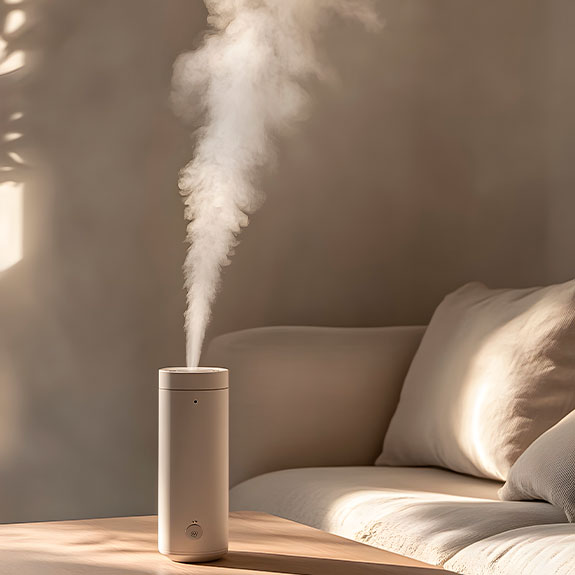
Another option is to use a cool-mist humidifier, which can also provide a similar effect by adding essential moisture to the air while creating a refreshing and invigorating atmosphere.
In the evening or early in the morning, when the outside air is cooler and more humid, consider placing a wet cloth or damp towel on your skin or hanging them in front of an open window to let the natural cooling effect of evaporating water help lower the indoor temperature.
This simple, low-cost approach can make a noticeable difference in the overall comfort of your home, especially during the warmer months.
Use plants to provide shade
Incorporating indoor and outdoor plants into your living spaces not only adds a touch of natural beauty, but also helps create a more pleasant and comfortable environment.
Placing potted plants near windows can provide natural shade and help cool the incoming air, lowering the overall temperature inside the house.
Consider adding houseplants known for their refreshing and air-purifying properties, such as aloe vera, snake plant, or peace lily, to improve your indoor environment and help create a more refreshing living space.
For outdoor spaces, strategically placing climbing plants or using natural screens can help create shaded areas and reduce heat buildup around the exterior of your home.
This natural approach to shading and cooling can be a cost-effective and sustainable way to maintain a comfortable and inviting living space without the need for mechanical cooling systems.
Unplug your electronic devices
It might surprise you, but many appliances and electronic devices generate heat, even when they aren’t actively in use.
To mitigate this, get into the habit of unplugging or turning off appliances that aren’t needed, especially during the hottest part of the day. This simple practice can help minimize excess heat generation in your home and create a cooler, more comfortable indoor environment.
Consider making a conscious effort to reduce your use of energy-intensive appliances during peak heat hours, such as ovens, dryers, and certain kitchen appliances. Opt for lighter meals, such as salads and no-cook dishes, and consider air-drying your laundry whenever possible.
If you pay attention to your energy use and make adjustments to minimize heat-generating activities, you can play an important role in keeping your living space cooler and more comfortable without the need for air conditioning.
Paint and insulate
When it comes to creating a cool and comfortable indoor environment, the color and insulating properties of your home’s surfaces play a crucial role.
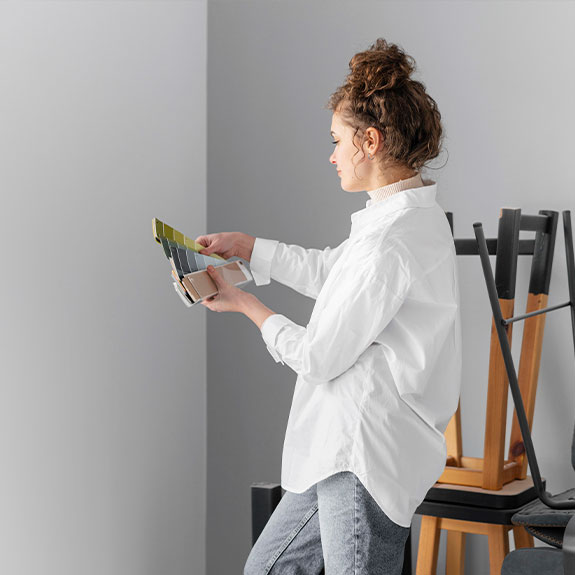
If possible, consider painting the exterior walls of your house with light-colored reflective paint.
This can help minimize the absorption of heat from the sun and contribute to a cooler indoor environment. Also, pay attention to your home’s insulation, making sure it is well-maintained and capable of minimizing heat transfer from the outside.
Assess areas prone to air leaks, such as windows, doors, and ducts, and take the necessary steps to seal and insulate them effectively.
This can prevent hot air from entering and help maintain a more stable and comfortable indoor temperature.
By investing in maintaining and improving your home’s insulation, you can create a more energy-efficient and comfortable living space, while reducing your reliance on mechanical cooling systems.
Keep your home cool without air conditioning
By putting these practical and cost-effective strategies into practice, you can successfully cool and refresh your home without the need for air conditioning.
From optimizing natural ventilation and harnessing the power of fans to making informed choices about fabrics and taking advantage of the natural benefits of plants, there are many ways to create a comfortable and temperate living environment.
Adopting these approaches not only helps make your home more pleasant and welcoming, but also aligns with energy-saving practices and sustainable living, promoting a healthier and more environmentally friendly lifestyle.
Empower yourself with the knowledge and tools you need to beat the heat without relying on air conditioning.
Whether through the strategic use of natural elements, the thoughtful arrangement of furniture, or mindful management of your home’s surroundings, there are plenty of opportunities to create a fresh, invigorating, and comfortable living space.
By combining these techniques, you can enjoy a pleasant and refreshing home environment all summer long, without the need for mechanical cooling.
Conclusion
In general, it is possible to keep a home cool without air conditioning.
By following these strategies step by step—such as controlling sunlight, ensuring proper ventilation, and using natural methods like plants—you can achieve a comfortable indoor temperature without the need for artificial cooling.
This is not only more environmentally friendly, but it also leads to savings on energy costs.
Remember to pay attention to small details as well, such as using light-colored fabrics and unplugging unnecessary electronic devices, to help keep your home even cooler.
How can you effectively cool a house without air conditioning?
You can cool your home without air conditioning by combining several strategies: blocking sunlight with curtains, ventilating during cooler hours, using fans strategically, and reducing heat sources such as appliances.
What is the best time to air out the house in the summer?
The best times to air out a room are first thing in the morning and at night, when the outside temperature is lower. During the day, it’s best to keep windows and blinds closed to keep the air cool.
Do fans really cool a room?
Fans don’t actually cool the air, but they do improve the perceived temperature by circulating it. If you place ice or cold water in front of them, you can enhance their cooling effect.
What colors help keep the house cooler?
Light colors, whether on walls or in textiles, reflect sunlight and reduce heat absorption. This helps keep indoor temperatures lower.
Do plants help cool a house?
Yes, plants help lower the temperature through shade and evaporation. Placing them near windows or outdoors can reduce the amount of heat entering the home.