
Do you often notice an uncomfortable, echoing sound in empty rooms? This effect may be due to sound waves bouncing off hard surfaces and can negatively affect the acoustics of the space.
Fortunately, there are several solutions for reducing or eliminating echo in these environments. Let’s explore some effective strategies for preventing echo in empty rooms.

Understanding why echoes occur
Echo in rooms is a familiar phenomenon, especially in empty spaces or those with little furniture. It occurs when sound waves bounce off hard, flat surfaces such as walls, ceilings, and floors.
The continuous reflection of sound waves without any materials to absorb them can create an unsettling auditory effect, causing discomfort and affecting the overall acoustic quality of the room.
One of the main causes of echo in a room is the presence of rigid, reflective surfaces. When sound waves encounter these surfaces, they are reflected rather than absorbed, causing the sound to linger and form an echo.
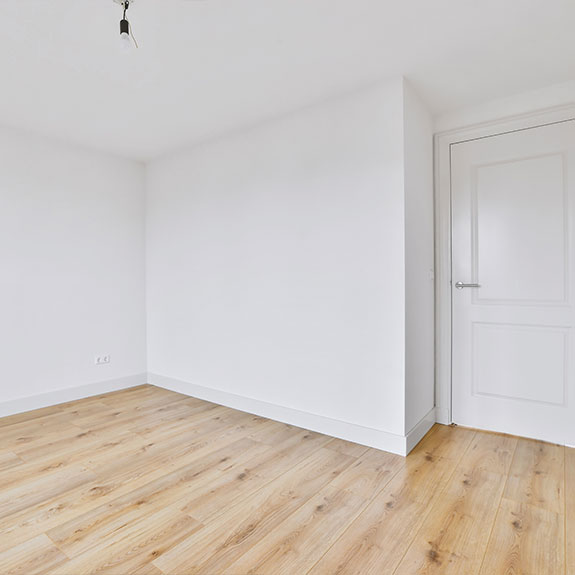
This can be particularly noticeable in empty or minimally decorated rooms, where there are few elements to disrupt the continuity of sound waves. Understanding the fundamental reasons why echo occurs is crucial to identifying effective strategies that mitigate its impact and create a more acoustically balanced environment.
In addition, the size and shape of a room can significantly influence the severity of echo. For example, long, narrow rooms may experience more pronounced echo effects due to the longer travel time of sound waves before they dissipate.
High ceilings can exacerbate the echo phenomenon, as sound waves have a greater distance to travel before reaching the floor. By recognizing these contributing factors, specific areas of a room can be addressed and a more tailored approach to improving acoustic conditions can be developed.
Use sound-absorbing materials
One of the most effective ways to combat echo in empty rooms is to introduce sound-absorbing materials into the space. These materials are designed to dampen and absorb the reflective properties of hard surfaces, thereby minimizing reverberation and the persistence of sound waves.
By strategically placing and incorporating these materials into the room, it is possible to create a more controlled and harmonious acoustic environment, ultimately reducing or eliminating the impact of echo.
When it comes to sound-absorbing materials, rugs and carpets are among the top contenders for their ability to mitigate echo in rooms. By covering hard floor surfaces with rugs or carpets, sound waves are easily absorbed, reducing reverberation and creating a more acoustically balanced space.
Choosing carpets with a thick, heavy pile, or opting for area rugs, can further enhance the sound-absorbing qualities and contribute to a significant reduction in echo.
Rugs and carpets
In addition to rugs and carpets, heavy curtains also play a key role in absorbing sound waves and reducing echo in empty rooms. The dense fabric of heavy curtains is adept at absorbing sound, especially reflections from windows and other reflective surfaces.
Covering windows with this type of curtain also minimizes the impact of outside noise, creating a quieter and more acoustically controlled environment. In addition, combining heavy curtains with a lining fabric further enhances their sound absorption capabilities, making them a formidable ally in the fight against echo in empty rooms.
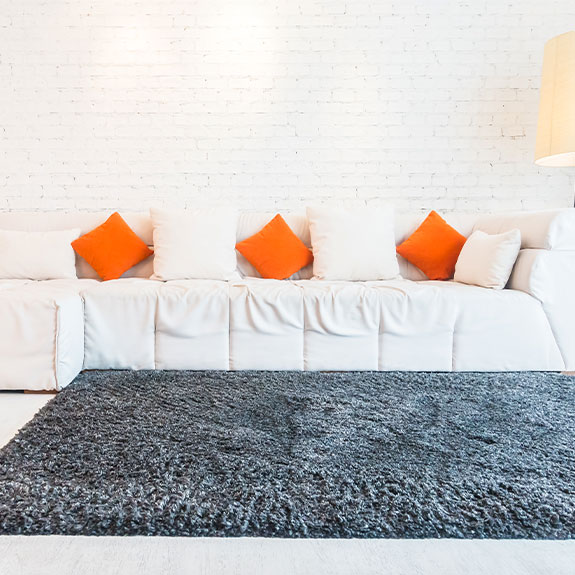
In addition, the choice of upholstered furniture is a key consideration when seeking to reduce echo in empty rooms. Upholstered furniture, such as sofas and armchairs, has soft, porous surfaces that effectively absorb and disperse sound waves, thereby minimizing the effects of echo.
Adding strategically placed upholstered furniture can significantly alter the acoustic landscape of a room, creating a more balanced and comfortable listening experience for occupants.
Choose upholstered furniture
The choice of upholstered furniture, including sofas and padded chairs, is a key factor in mitigating echo in empty rooms. This type of furniture is made from materials that are expert at absorbing and dispersing sound waves, thus effectively minimizing reverberation and the persistence of echo in a room.
By carefully incorporating a variety of upholstered furniture into the design of the space, it is possible to achieve a more welcoming and acoustically favorable environment for the occupants.
Upholstered sofas and chairs
Along with the addition of upholstered furniture, the addition of carefully selected shelving and decorative elements can have a significant impact on the acoustic dynamics of empty rooms.
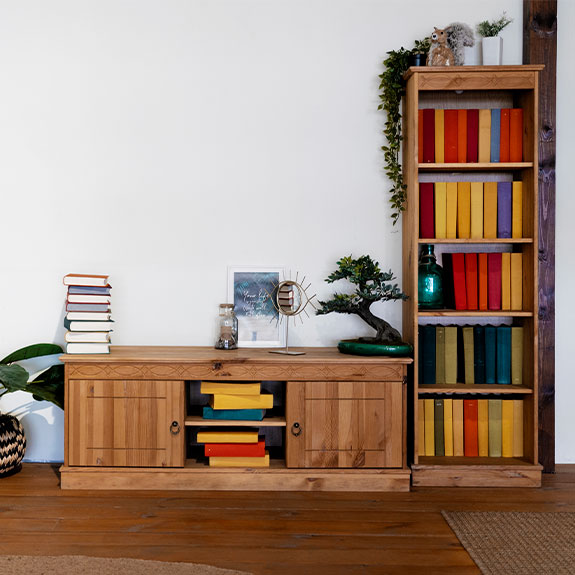
Shelves, especially those filled with books and other porous objects, serve to interrupt and absorb the reflective properties of walls, thereby reducing the echo effect.
In addition, strategically placed decorative objects such as paintings and sculptures can further disrupt the continuity of sound waves and contribute to a more controlled and visually appealing acoustic environment.
Add shelves and decorations
Furthermore, incorporating indoor plants not only improves the visual appeal of a space, but also helps combat echoes in empty rooms. Strategically placing indoor plants throughout a space can contribute to sound absorption and diffusion.
The porous and natural nature of the leaves of many plants allows sound waves to be mitigated, thereby reducing the intensity of echoes and creating a quieter and more acoustically balanced atmosphere in the room.
Incorporate indoor plants
For a more comprehensive and lasting solution, installing acoustic panels on walls and ceilings can greatly improve the acoustic quality of a room. Acoustic panels are meticulously designed to absorb sound waves and reduce echo, thereby significantly improving the overall listening experience in a space.
These specially designed panels can be seamlessly integrated into the room’s design, offering both functional advantages and aesthetic appeal by blending in with the decor and adding a touch of modern sophistication.
Install acoustic panels
Wall and ceiling panels are an effective way to optimize the acoustic conditions of a room by minimizing the impact of echo. These panels are made from a variety of sound-absorbing materials and can be adapted to specific acoustic requirements, making them a versatile and customizable solution.
By strategically placing these panels in areas with excessive echo or in response to the unique acoustic profile of the room, it is possible to achieve a significant reduction in reverberation and promote a more serene and acoustically pleasant environment.
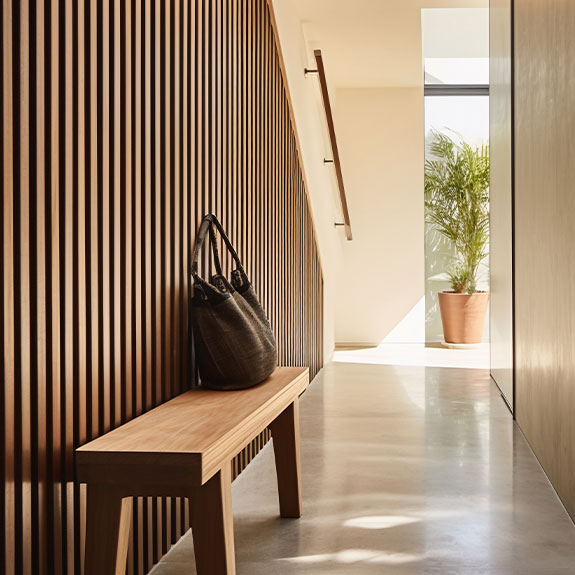
As an added bonus, certain acoustic panels serve a dual purpose, acting as both sound absorbers and design elements. These panels are available in a range of colors, patterns, and textures, allowing for creative and seamless integration into existing décor while effectively addressing the room’s acoustic challenges.
Whether installed as a single element or in a coordinated arrangement, these panels offer a powerful combination of form and function, enhancing the acoustic performance and visual appeal of empty rooms.
Wall and ceiling panels
By adopting a comprehensive approach that combines the strategic placement of sound-absorbing materials, the inclusion of acoustically favorable furniture, and the targeted installation of specialized panels, it is entirely possible to mitigate and potentially eradicate the disruptive effects of echo in empty rooms.
The interaction of these elements can be leveraged to create environments that are not only visually appealing and aesthetically pleasing, but also conducive to relaxation, communication, and an overall better quality of life.
Through the thoughtful application of these techniques and the integration of customized acoustic solutions, the resonant quality of echo in empty rooms can be significantly reduced, paving the way for a more harmonious and acoustically refined living or working space.
Conclusion
In conclusion, incorporating sound-absorbing materials and strategically placing furniture and décor, such as rugs, curtains, upholstered furniture, plants, and acoustic panels, can effectively reduce or eliminate echo in empty rooms.
This not only improves the acoustic quality of the space, but also creates a more comfortable and pleasant environment. By implementing these simple solutions, you can easily reduce the negative effects of echo in empty rooms.
Why does an echo occur in an empty room?
Echoes occur when sound waves bounce off hard surfaces without any materials to absorb them, such as walls, ceilings, or bare floors.
What materials help eliminate echo?
Thick carpets, heavy curtains, upholstered furniture, and acoustic panels absorb sound and reduce reverberation.
How to arrange furniture to reduce echo?
Distribute sofas, chairs, and bookshelves evenly to disrupt sound waves and prevent them from reflecting off empty walls.
Can plants be used to improve acoustics?
Yes, indoor plants help diffuse and absorb sound thanks to the porous texture of their leaves, reducing echo.
What are acoustic panels and what are they used for?
These are coatings that absorb sound waves. Installing them on walls or ceilings significantly improves acoustics and eliminates echoes.