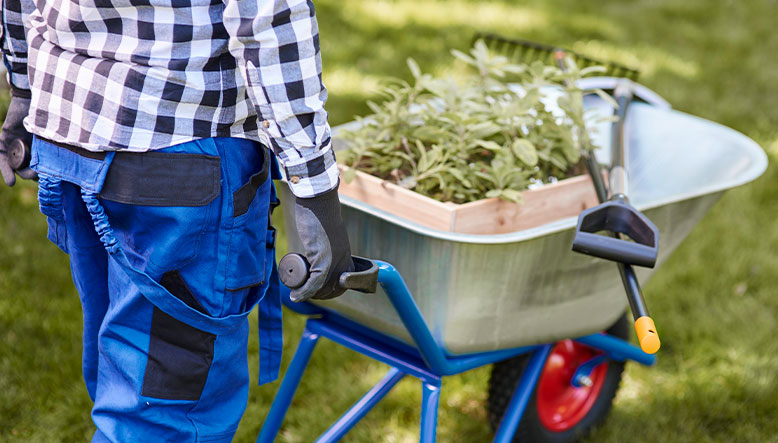
Maintaining your garden in the fall is crucial to ensuring it looks healthy and vibrant in the spring. In this article, we give you essential tips for keeping your garden in good condition during the fall.

Clean and prepare the soil
As summer plants begin to fade, it is important to start your fall gardening tasks by cleaning up the garden and preparing the soil for the coming season. This involves removing all dead foliage, fallen leaves, and any debris that has accumulated in the garden. Clearing the area of these materials not only gives it a tidier appearance, but also helps prevent mold buildup and protects plants from potential pests.
After cleaning, it is the perfect time to remove the soil and add compost to enrich it for the coming months. This crucial step lays a solid foundation for the next planting and ensures that the soil is in optimal condition to nourish the plants as the season progresses.
Another essential task is to remove weeds that have proliferated during the summer. Since the soil has been turned over to make compost, it is easier to pull out stubborn weeds. Taking the time to thoroughly remove these unwanted intruders prepares the ground for new plants to flourish without competing for nutrients and space in the soil.
By removing weeds and debris, the garden is not only clean and tidy, but also better prepared to promote healthy plant growth for the rest of the season.
Preparing the ground for new plantings or transplants is an important part of this phase. Whether you are reviving existing beds or creating space for new additions, the soil must be in optimal condition. This may involve tasks such as tilling the soil, adding organic matter, or adjusting pH levels as needed.
With the garden area cleared and the soil prepared, it’s a perfect opportunity to take stock of upcoming planting needs and ensure that the foundations are in place for a successful and bountiful fall garden.
Proper pruning
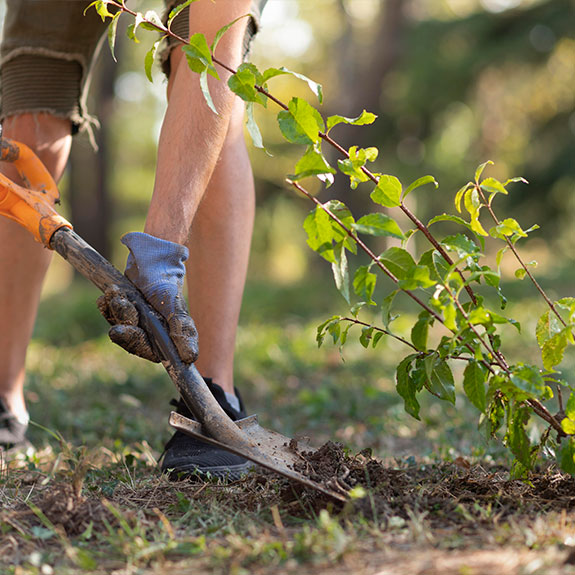
Pruning in autumn is a vital maintenance task for the garden. By removing dead or damaged branches from plants, you not only improve their overall appearance, but also help to keep them healthy. This is the ideal time to carry out this essential pruning, as it allows plants to conserve their energy and focus on healing and preparing for the coming winter.
In addition, pruning helps shape plants and control their size, which is especially important for preventing damage from wind and winter snow. Properly pruned plants will be better prepared to grow vigorously and bloom profusely when spring arrives.
It is also important to prune overgrown shrubs or hedges to maintain an attractive, well-defined structure. This not only improves the aesthetics of the garden, but also contributes to the overall health and vigor of the plants.
By following the proper pruning techniques for each type of plant, you can ensure that they are set up for a thriving and flourishing season as the year progresses. Overall, a well-executed fall pruning regimen is essential for the long-term vitality and beauty of the garden.
Fertilize and add compost
As the gardening year moves into fall, it is crucial to provide plants with essential nutrients in preparation for the coming months. Applying a layer of compost around the base of plants is an effective way to enrich the soil and provide a boost of nutrients.
This organic matter not only helps retain moisture and improve the overall structure of the soil, but also provides a slow release of vital elements that promote plant health and growth.
In addition to compost, a well-balanced fertilizer can be applied to ensure that plants have the necessary resources to maintain their development and strengthen their root systems as winter approaches.
With enriched soil and plants receiving a much-needed dietary supplement, they will be better equipped to withstand the potential stressors of the colder months. The added nutrients and organic matter from compost and fertilizer will continue to nourish plants and promote their overall well-being, setting the stage for a thriving and robust display of foliage and blooms in the coming seasons.
If you stick to a well-planned fertilizing and composting regimen in the fall, you will be actively investing in the long-term health and vitality of your garden.
Control pests and diseases
Although fall can alleviate some of the summer pests, it is still important to remain vigilant for any signs of infestation or plant disease. Mild temperatures and occasional heat waves in early fall can continue to favor the persistence of certain pests, so it is essential to take proactive measures to control their populations.
By regularly inspecting your plants and foliage, you can quickly detect and address any emerging problems before they turn into a full-blown infestation.
Using organic or horticultural treatments for pest control, such as insecticidal soaps or natural predatory insects, can be very effective in managing and mitigating pest problems in a safe and environmentally friendly way.
Similarly, taking steps to improve air circulation and remove any decaying plant matter can help prevent disease outbreaks. By staying proactive and implementing specific pest and disease management strategies, you will ensure that your plants are well protected and able to continue their robust growth and development throughout the fall and beyond.
Protect yourself against frost
With the arrival of fall, it is important to consider the possibility of the first frosts of the season, as they can pose a risk to many plants in the garden.
To protect your most delicate plants from the adverse effects of frost, it is advisable to have a selection of protective materials on hand, such as frost blankets, horticultural fleece, or even lightweight blankets. Covering vulnerable plants at night, especially during periods of expected cold weather, can provide a crucial layer of protection and insulation, helping to shield them from the damaging impact of frost.
In the case of potted plants, moving them to a more sheltered location, such as a porch or patio, can help minimize their exposure to the outdoors and reduce their susceptibility to frost. In the event of extreme cold, it is best to take preventive measures by bringing potted plants indoors or placing them in a sheltered area.
By staying proactive and responding to changing weather conditions, you can effectively protect your garden from the dangers of frost and ensure that your plants remain healthy and in optimal condition as temperatures begin to drop.
Take care of the lawn
Taking care of your lawn is an integral part of preparing your outdoor space for fall.
One of the main tasks is to continue mowing regularly, adjusting the cutting height as the grass grows more slowly in colder temperatures. It is also important to keep the lawn clear of fallen leaves and debris, as these can suffocate the grass and create favorable conditions for the development of diseases.
Using a mulching mower to chop up and scatter leaves can serve as a natural form of fertilization, contributing to the overall health and sustainability of your lawn.

Late fall is the perfect time to aerate the soil and reseed your lawn to promote rejuvenation and vigor for the following year. Aerating the soil allows for better penetration of air, water, and nutrients, while reseeding helps fill in patches and increase the overall density of the lawn.
In addition, applying an autumn fertilization treatment provides essential nutrients for the grass to maintain its growth and health, even in the colder months. By following a consistent and comprehensive fall lawn care regimen, you can ensure that your lawn remains lush, vigorous, and ready to withstand the challenges of the winter season and emerge revitalized in the spring.
Perennial plants
Fall is an unbeatable opportunity to enrich your garden by planting perennial flowers and ornamental shrubs. With the soil still warm and cooler temperatures facilitating root system establishment, fall is ideal for successfully transplanting and planting these hardy varieties.
Selecting and introducing a wide range of perennials, such as astilbes, peonies, lilies, and sedum, can infuse your garden with a variety of colors, textures, and fragrances that will adorn the space in the coming seasons.
By incorporating perennials into your garden at this time of year, you can maximize their dormancy period and allow them to acclimatize and establish themselves before winter. This strategic approach results in stronger, more resilient plants that are well prepared to bloom and thrive in spring and summer.
In addition, planting perennials in the fall is a cost-effective and long-lasting solution for beautifying your garden, as these hardy plants will continue to adorn the space with their presence year after year. Taking advantage of the fall to introduce a variety of perennials is a rewarding and impactful task in the quest for a vibrant and thriving garden.
Check the irrigation systems
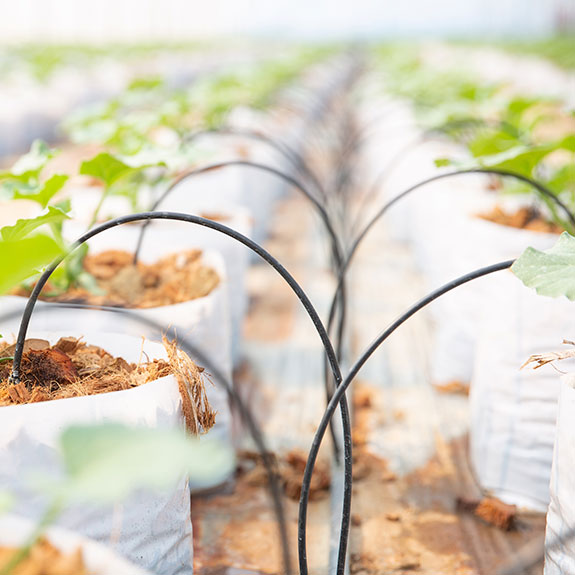
Before the colder months arrive, it is essential to thoroughly check your garden’s irrigation systems to ensure they are working optimally and are ready for the winter season. This involves inspecting and testing the various components, such as hoses, sprinklers, and irrigation controllers, to identify any necessary repairs or adjustments.
It is essential to empty and prepare all items that contain water, such as hoses and sprinklers, for winter to prevent them from freezing and becoming damaged during cold winter temperatures.
For regions where winter irrigation is essential, it is important to adjust irrigation controllers and watering schedules to accommodate the reduced water needs of dormant landscapes. By repairing and winterizing your irrigation systems, you will protect them from the potential rigors of the winter season and ensure that they will function perfectly and efficiently when the garden resumes active growth in the spring.
In addition, taking the time to inspect and address any maintenance or repair tasks that your irrigation systems may need is a proactive measure that contributes to the overall health and sustainability of your garden, setting the stage for continued success in the seasons ahead.
Get ready for winter
As the fall gardening fever begins to subside, it is an opportune time to prepare for the impending winter months and the following spring.
Taking the time to thoroughly clean and store gardening tools, containers, and any other equipment is an important ritual to ensure their longevity and readiness for next season’s tasks.
In addition, it is advisable to evaluate and replenish any gardening supplies, such as fertilizers, seeds, and planting materials, so that you have them on hand when it is time for spring preparations and planting.
Embracing the winter transition also involves reevaluating and refining the layout and design of the garden for any potential changes or improvements in the spring. Whether it’s planning new plantings, structural adjustments, or design modifications, the fall preparation phase provides a timely opportunity to envision and plan for the next season of growth and renewal.
If you approach fall with an eye toward the winter and spring that follow, you can establish a seamless chain of care and planning that nurtures the ongoing vitality and beauty of your cherished outdoor space. With the necessary preparations and proactive measures in place, your garden is ready to face winter and reemerge in all its glory as the seasons change.
Conclusion
Fall is a crucial season for maintaining your garden, as it prepares plants for winter and ensures vibrant blooms the following spring.
With these essential tips, you can keep your garden in good condition during this season, ensuring its health and vitality for the months ahead. From cleaning and preparing the soil to planting perennials and checking irrigation systems, these tips will help you care for your garden and ensure its beauty throughout the year.