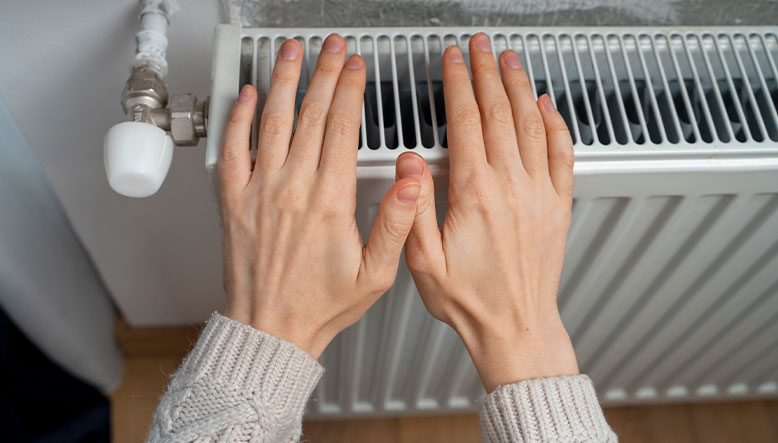
Electric heating is a popular option for keeping our homes warm during the winter. However, there are several myths surrounding their efficiency and operation that can lead to misunderstandings.
In this article, we will debunk some of the most common myths about electric heating and shed light on the truth behind them.

Turning it off saves energy.
One of the most persistent myths surrounding electric heating is the belief that turning off the system when not in use saves more energy than keeping it running at a lower temperature.
Many people assume that the process of heating a cold space from low temperatures to a comfortable level requires more energy than maintaining a constant, lower temperature. However, this is not the case.
In reality, allowing the space to cool down and then reheating it can result in a substantial waste of energy. This is because the energy required to reheat the space, especially in a well-insulated home, is often less than the energy saved by maintaining a lower constant temperature.
This is especially true in the case of electric heating, as the system can respond quickly to temperature changes and, in many cases, is designed to be very efficient in this process. Therefore, the notion that turning off the heating to save energy is advantageous is a misconception.
In fact, for most electric heating systems, it is more efficient to maintain a constant and comfortable temperature, even when the house is unoccupied or during the night.
In addition, the type of electric heating system, such as heat accumulators, can further influence the decision between continuous operation and intermittent use.
Heat accumulators, for example, are designed to be used in conjunction with off-peak electricity rates, charging at night and discharging throughout the day, which justifies off-peak operation rather than constant heat maintenance.
Understanding the specific heating system used in a home and how it works best is crucial to making informed decisions about heating management.
They are not efficient.
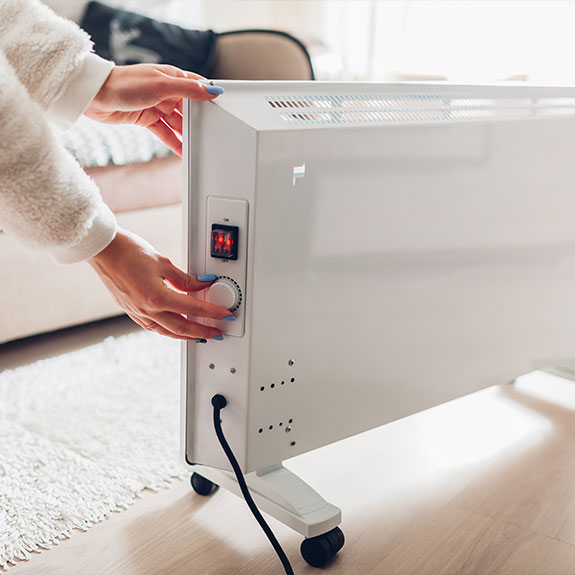
Another common myth is the perception that electric heating systems, such as electric radiators or convectors, are inherently inefficient and expensive to run. This misconception often leads to a bias in favor of alternative heating methods, such as gas or heat pumps.
However, this overly simplistic view fails to recognize the significant advances in electric heating technology, particularly in the area of energy efficiency. For example, modern electric heating systems, including infrared panel radiators and energy-efficient convectors, are designed to provide targeted and efficient heat, ensuring minimal energy loss and optimal performance.
This contrasts with the outdated notion that electric heating is a “wasteful” or “expensive” option. In reality, when used correctly, electric heating can be a very efficient and cost-effective method of maintaining comfortable temperatures in the home, while offering specific advantages in terms of control and zoning.
In addition, the stated cost of operating an electric heating system is influenced by various factors, such as the local energy price structure, the overall insulation and energy efficiency of the home, and the specific heating needs and preferences of the household.
Therefore, in order to make an objective assessment of the cost and efficiency of electric heating in relation to other systems, it is essential to conduct a thorough analysis of these influential variables, which will enable well-informed decisions to be made.
Dry the air
There are frequent concerns about the ability of electric heating systems to dehumidify and dry indoor air. It is often believed that the continuous operation of electric heaters causes excessive dryness, which can negatively impact respiratory comfort and overall indoor air quality.
Although it is true that certain types of heaters, such as direct electric heaters without ventilation, tend to reduce indoor humidity levels, this effect is not universal for all electric heating systems.
In fact, there are effective solutions and operating techniques to mitigate and counteract the potential drying impact of electric heating on the air. For example, the use of humidifiers in conjunction with electric heating can serve to maintain and increase humidity levels in a room, effectively counteracting the drying effects.
In addition, strategically placing water containers or indoor plants near electric radiators can contribute to natural regulation and increased humidity, promoting a balanced and healthy indoor environment.
It is important to note that, in situations where indoor air dryness is a widespread problem, these preventive and corrective measures can be extremely useful in maintaining optimal humidity levels and, consequently, the overall comfort and well-being of occupants.
By dispelling the myth that electric heating is uniformly detrimental to indoor air humidity, and highlighting the strategies available to address and manage this concern, a more nuanced and informed approach to the impact of electric heating on indoor air quality can be adopted.
Radiators are dangerous.
Concerns about the safety of electric heating systems, especially with regard to fire risk, are widespread and often based on misconceptions and outdated information.
It is a common misconception that electric radiators, especially portable ones, are inherently prone to frequent breakdowns and pose a significant fire hazard. However, modern electric heating technology, which includes a number of design features and safety mechanisms, has greatly improved the safety profile of electric heaters, effectively mitigating the historical safety concerns associated with their use.
For example, many modern electric radiators are equipped with advanced overheating protection, anti-tip switches, and fire-retardant casings, which work together to minimize the risk of fire and ensure safe and secure operation.
In addition, compliance with the manufacturer’s guidelines and prudent regular maintenance and inspection practices contribute to maintaining the safety and integrity of electric heating appliances.
By dispelling the widespread myth that electric heaters are inherently dangerous and emphasizing the robustness of the safety measures built into modern electric heating technology, a more accurate and reassuring perspective on the safety of electric heating systems can be promoted.
As a result, individuals can make informed decisions about the adoption and use of electric heating in their living and working spaces, based on an informed understanding of the associated safety considerations.

Too expensive
The cost-effectiveness of electric heating compared to other heating options, especially in the context of ongoing energy costs, is a frequently debated topic, often marred by misconceptions and incomplete assessments.
Many people believe that electric heating is inherently more expensive to operate than alternative systems, such as natural gas or heat pumps, due to the perceived higher cost of electricity compared to other fuel sources.
However, it is essential to recognize that the overall cost of heating a space is not only determined by the unit cost of the energy source, but is significantly influenced by energy efficiency and, ultimately, by the heat output of the heating system in question.
In this regard, it is crucial to dispel the myth that electric heating is uniformly more expensive than other heating options, given advances in energy-efficient electric heating technologies such as electric heat pumps and infrared heating systems.
These systems are designed to provide substantial heating output while consuming a minimal amount of electrical energy, thereby potentially offsetting the perceived higher cost of electricity.
In addition, the possibility of integrating electric heating systems with renewable energy sources, such as solar, can further mitigate long-term operating costs and improve the sustainability of electric heating.
As a result, by promoting a nuanced understanding of the intricate interplay between energy source costs, heating system efficiency, and the potential for integration with renewable energy, individuals can make well-informed, individualized assessments of the cost-effectiveness of electric heating to meet their specific heating needs and preferences.
Preferable to heat pumps
A widespread misconception is the underestimation of the potential and versatility of electric heating systems, particularly the attribution of exclusive cost and performance advantages to heat pump heating systems.
Although heat pumps, especially in milder climates, are widely recognized for their efficiency and ability to provide cost-effective heating, it is essential to note that this does not inherently diminish the value and efficiency of electric heating systems, including electric resistance and direct electric systems.
In fact, in specific geographic and climatic contexts, the localized efficiency and distinctive operational attributes of electric heating systems, especially when it comes to providing targeted and responsive heating, can offer compelling advantages.
For example, in regions with high ambient temperatures during winter, the operating efficiency and cost-effectiveness of air source heat pumps may be less pronounced, highlighting the potential advantages of well-designed electric heating systems in such climates.
In addition, the control and zoning capabilities of certain electric heating solutions, such as smart electric radiators and dynamic electric heating panels, enable precise and individualized temperature management in different areas of a building, which can be adjusted to specific heating preferences and optimizes energy use.
This level of personalized control and flexible zoning is a distinctive feature that can contribute to improved comfort and energy efficiency in a wide range of residential and commercial heating applications.
Therefore, by challenging the widespread assumption that heat pump systems are universally superior to electric heating in all contexts and recognizing the nuanced, context-dependent performance and advantages of different electric heating solutions, a more comprehensive and balanced understanding of the potential and value of electric heating in various heating scenarios can be cultivated.
Humidifiers to Counteract
The perception that electric heating leads to uniformly dry indoor air, presenting challenges for respiratory comfort and indoor air quality, is a common concern that has driven the exploration of effective countermeasures.
A widely adopted and well-established approach to mitigating the potential drying effects of electric heating on the air is the strategic integration of humidification solutions into the heating system.
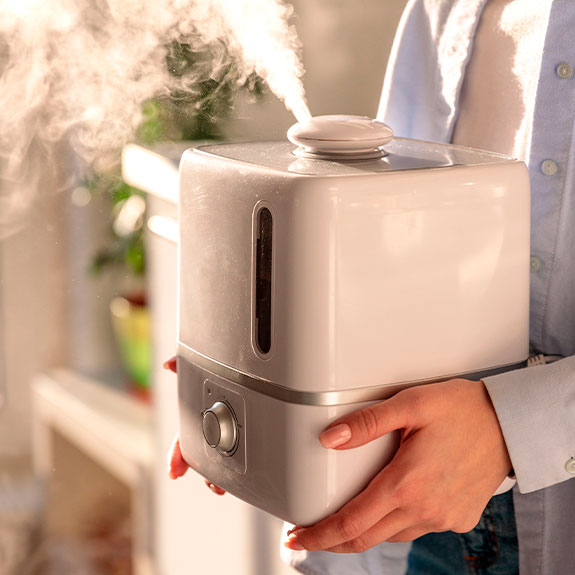
The use of stand-alone or integrated humidifiers in conjunction with electric heating is a practical and effective means of restoring and maintaining optimal humidity levels in indoor environments, thereby addressing the problem of dry air. In addition, placing water containers or incorporating steam humidifiers near electric radiators can contribute to the natural regulation and increase of indoor air humidity, promoting a calm and healing indoor microclimate.
By promoting awareness and accessibility to these specific humidification strategies, the widespread myth that electric heating invariably causes excessively dry air can be dispelled, paving the way for more favorable and personalized indoor air quality management, especially in environments where the impact of dry air on occupant comfort and health is an important consideration.
This approach to dispelling the myth and providing practical, effective solutions to address concerns about the potential drying effect of electric heating will enable people to reap the benefits of electric heating in a way that meets their specific air quality and comfort requirements.
The devices incorporate safety features.
Concerns about the safety of electric heating systems, particularly in the context of fire hazards and the potential for thermal incidents, are an important consideration that has led to widespread skepticism and caution among users. However, it is essential to dispel the widespread myth that electric heaters, especially portable and direct-heat heaters, inherently lack robust safety features and measures.
Contemporary electric heating technology incorporates a multitude of innovations and design elements to mitigate fire risks and ensure safe and reliable operation. For example, many modern electric heaters are equipped with sophisticated overheating protections, tip-over switches, and fire-retardant enclosures, which work collectively to minimize the likelihood of thermal incidents and maintain strict safety standards.
In addition, compliance with rigorous certification and safety conformity processes further reinforces the reliability and safety of electric heating appliances, promoting user confidence and assurance in their use.
It is essential to emphasize that the effective and responsible use of electric heating systems, in accordance with the manufacturer’s guidelines and conscientious periodic inspection and maintenance practices, ensures the safety and integrity of these appliances.
By dispelling the widespread misconception that electric heaters are inherently unsafe and emphasizing the comprehensive safety features and compliance standards that characterize modern electric heating technology, we can move toward a more accurate and reassuring discourse on the safety of electric heating systems.
In turn, this informed perspective enables individuals to make sound decisions about the adoption and operation of electric heating in their domestic and workplace environments, informed by a genuine understanding of the safety considerations incorporated and conscientious operating practices that ensure the safeguarding of users and the environment.
Efficiency offsets the cost
Assessing the cost efficiency of electric heating in relation to its operating expenses generates ongoing debate and often leads to misconceptions about the financial implications of electric heating compared to alternative systems.
Many people believe that the potentially higher cost of electricity as a fuel source makes electric heating uniformly less cost-effective than other heating options, such as natural gas or heat pumps.
However, it is essential to unravel this simplistic and generalizable stance by taking into account the overall interaction of the factors that underpin the cost-performance evaluation of electric heating.
At the heart of this discourse is the recognition that the overall cost of heating a space depends not only on the unit cost of the energy source, but is also profoundly influenced by the operational efficiency and heat output of the heating system.
In the case of advanced electric heating technologies, such as electric heat pumps and infrared panel radiators, the pronounced energy efficiency and specific advantages of controllability and zoning in heat delivery can offset the perceived higher cost of electricity, making total operating costs very competitive compared to fossil fuel alternatives.
Furthermore, the potential for integration with renewable energy sources, such as solar photovoltaic systems, further reinforces the long-term cost-performance viability of electric heating, especially in locations with favorable solar irradiation.
If the myth of the universal cost advantage of non-electric heating options over electric systems is dispelled, a more nuanced and personalized assessment of the cost efficiency of electric heating can be made, in line with individual geographic, economic, and energy infrastructure contexts, fostering a more insightful and proactive approach to heating management and energy expenditure optimization.
Conclusion
In conclusion, there are many myths surrounding electric heating systems, but they are often based on false information.
In fact, these systems are efficient, safe, and can be cost-effective when used correctly. With the right measures, such as adjusting the temperature and using humidifiers, electric heating can be a practical and energy-saving option for keeping our homes warm during the winter months. It is important to research and know the facts before making assumptions about electric heating.
Electric heating is a practical and energy-saving option for keeping our homes warm during the winter months.
Does turning off electric heating really save energy?
Not always. In many cases, maintaining a constant temperature is more efficient than turning it off completely and reheating the space afterwards.
Is electric heating less efficient than other systems?
No. Modern technologies, such as low-consumption radiators and infrared panels, offer high energy efficiency and thermal control.
Are electric radiators dangerous?
No. Current models include overheating protection, anti-tip switches, and fire-retardant materials to ensure safety.
Does electric heating dry out the air?
It can reduce humidity, but this is easily remedied with humidifiers or natural elements such as plants or containers of water.
Is electric heating more expensive than gas?
It depends. Although electricity may be more expensive per unit, efficient electrical systems and the use of renewable energy reduce overall costs.