

Keeping your home warm during the cold months without relying on heating can be an effective strategy for saving energy.
Here are some practical tips to help you keep your home warm without turning on the heating.

Insulate doors and windows
Keeping your home warm and cozy during the winter months is a priority for many, and it’s important to find effective ways to do so without relying heavily on your heating system. Insulating your doors and windows is a crucial step in preventing heat loss and keeping your home at a comfortable temperature.
By sealing gaps and cracks around doors and windows, you can create a protective barrier against the cold, allowing you to keep your home warm in a more energy-efficient and cost-effective way.
One of the simplest and most cost-effective ways to insulate doors and windows is to use weatherstripping. Applying insulating tape to the edges of doors and window frames can help create an airtight seal that prevents cold air from entering and warm air from escaping.
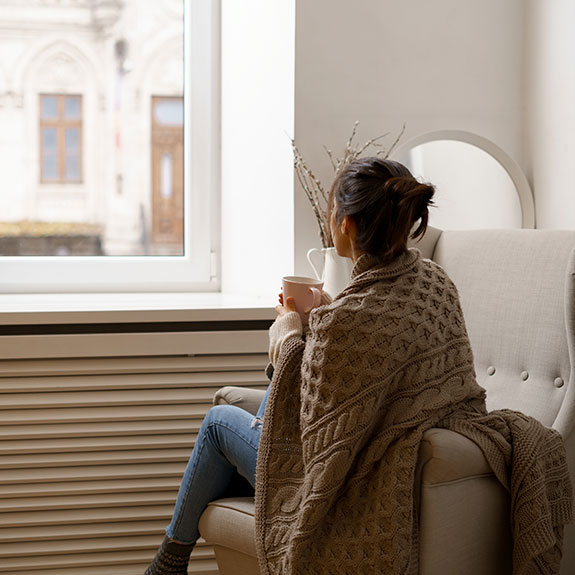
In addition, using thermal curtains or blinds can provide an extra layer of insulation, especially at night when temperatures tend to drop. These simple but impactful changes can make a noticeable difference to the warmth and comfort of your home, while reducing your energy consumption and costs.
Another innovative solution for insulating doors and windows is the use of window films. Applying insulating window films to your windows can help trap heat inside, creating an effective barrier against the cold outside.
This inexpensive and easy DIY project can significantly increase the insulation of your home’s windows, preventing heat loss and reducing the load on your heating system. By taking these proactive steps to insulate your doors and windows, you can create a more efficient and comfortable living environment while reducing your overall energy consumption.
Use rugs and textiles
When it comes to maintaining a warm and cozy atmosphere in your home, the role of rugs and textiles is often overlooked. However, these elements can have a significant impact on the overall insulation and comfort of your living space.
In particular, the use of rugs and carpets can help insulate the floor, which is a major source of heat loss in the home. By strategically placing rugs in high-traffic areas or under furniture, you can create an additional layer of insulation that prevents heat from escaping through the floor.
In addition, incorporating textiles such as blankets and heavy bedspreads into your home can provide an extra source of warmth and comfort. These can be easily draped over furniture or used to add an extra layer of warmth to the bed, making them a practical and versatile solution for maintaining a cozy atmosphere.
Investing in high-quality textiles made from materials such as wool or fleece can provide optimal insulation and create a cozy atmosphere that makes your home feel warm and comfortable, especially during the cold winter months.
Take advantage of the heat from the kitchen
Although many people don’t realize it, the kitchen is a valuable source of natural heat in the home, especially when cooking. The heat and steam produced when preparing meals can significantly contribute to raising the ambient temperature in your kitchen and even in surrounding areas.
To make the most of this natural heat source, consider using the residual heat from the oven by leaving the door slightly open after use, allowing the heat to spread throughout the kitchen and the rest of the house.
In addition, preparing hot meals such as soups, stews, and casseroles not only provides warmth to your home, but also helps to create a cozy and comforting atmosphere, making your living space more welcoming and comfortable.
The combination of culinary warmth and the delicious aromas of home cooking can create a cozy atmosphere that makes your home feel warm and inviting, all without relying heavily on traditional heating systems.
Close the doors to unused rooms.
In striving to maintain a warm and comfortable home, it is important to focus on optimizing the use of available heat and avoiding unnecessary heat loss. A practical tip for achieving this is to close the doors of rooms that are not in use.
This simple maneuver can help contain heat within the occupied areas of your home, preventing it from dispersing into unused spaces. By keeping the doors to the least-used rooms closed, you will ensure that heat is concentrated in the areas where it is most needed, allowing you to maintain a constant and comfortable temperature throughout your home more efficiently and effectively.
In addition to closing doors, consider using weatherstripping or door sweeps at the bottom of doors to further minimize warm air leakage.
These inexpensive and easy-to-install solutions can be essential for preventing drafts and heat loss, providing an additional layer of insulation to keep heat where it is most needed. By adopting these simple but impactful measures, you can improve the overall efficiency of your home heating and create a more welcoming and comfortable living environment for you and your family.

Use candles and lamps
While it is important to prioritize energy-efficient heating methods, incorporating alternative sources of heat and ambiance can further contribute to creating a cozy home environment.
Candles and lamps are timeless elements that not only provide lighting, but also emit a gentle warmth, contributing to the overall atmosphere of your home. Strategically placing candles in different rooms and using decorative lamps can create a warm and cozy atmosphere, while reducing the need for traditional heating.
It is essential to use candles with caution, ensuring that they are placed in safe locations and never left unattended. However, when used responsibly, candles can provide pleasant and comforting warmth, especially in small, enclosed spaces.
Similarly, energy-efficient LED lamps, with their minimal heat emission, can be used as a supplementary source of light and heating, providing a cozy glow and a touch of warmth to your home, especially during the colder months.
Dress appropriately.
Amid efforts to create a warm and comfortable living environment, it is crucial to consider the role of appropriate clothing in maintaining personal comfort.
Adapting your outfit to the fluctuating temperatures of the seasons is a practical and effective way to ensure your comfort, both indoors and outdoors. Layer your clothes with thermal or wool garments to trap body heat and create a feeling of warmth, even in the cold outside.
By dressing in layers and opting for warm socks, sweaters, and other insulating garments, you can increase your personal comfort and reduce the need to maintain excessively high indoor temperatures.
This, in turn, can lead to energy savings and a more sustainable approach to maintaining a comfortable living environment. Wearing the right clothing for the season is a simple but impactful way to contribute to the overall warmth and comfort of your home, while prioritizing your personal comfort and well-being.
Take advantage of natural sunlight
Taking advantage of the free and abundant source of heat and light during the winter months, the sun, is a very effective and sustainable strategy for keeping a home warm and cozy.
By taking advantage of natural sunlight, you can significantly reduce your dependence on artificial heating and create a bright and welcoming atmosphere in your living spaces. During the day, make the most of this natural resource by opening the curtains and letting sunlight flood into your home, warming the air and surfaces and creating a pleasant and welcoming environment.
It is important to consider the time of day and the position of the sun to optimize the benefits of natural light. Although it is crucial to let sunlight in during the day, it is equally important to close the curtains or blinds as night approaches to prevent heat loss and maintain the warmth generated during the day.
If you are strategic and aware of the influence of sunlight, you can create a comfortable, well-lit home while minimizing your energy consumption and costs, simply by making the most of this abundant and natural source of heat.

Seal cracks and drafts
Preventing cold air from entering and warm air from escaping through cracks and drafts is essential for maintaining a constant, comfortable temperature in your home. Conduct a thorough inspection of your home, paying special attention to areas such as baseboards, window frames, and door edges, and repair any visible cracks or gaps to seal them effectively.
The use of putty or sealant can be essential for filling these gaps and creating an airtight seal, minimizing the chances of heat loss and ensuring more efficient and effective heating in your home.
In addition, insulate and seal any visible ducts or pipe penetrations, as these are common areas where heat can easily escape or cold air can enter, causing an imbalance in the temperature of your home.
If you take the trouble to seal these cracks and drafts, you can significantly improve the insulation and overall efficiency of your home, allowing you to maintain your desired indoor temperature more comfortably and economically, even in cold outdoor conditions.
Keep radiators and vents clean
Ensuring unobstructed heat flow in your home is essential for maintaining a constant, comfortable temperature in every room. A practical and often overlooked tip for achieving this is to keep the area around radiators and vents clear and unobstructed.
Furniture, rugs, and other objects placed too close to these heat sources can prevent proper circulation of warm air, reducing heating efficiency and potentially creating uneven temperature distribution in your home.
By reorganizing and clearing the areas around your radiators and vents, you can promote uninterrupted heat flow and optimize the overall performance of your home’s heating system. Also, consider using a soft cloth to regularly clean and dust these heat sources to ensure unobstructed and efficient heat release.
These simple but impactful measures can go a long way toward increasing the overall efficiency of your home’s heating system and creating a consistently warm and comfortable living environment for you and your family, while minimizing the need for excessive heating and reducing energy costs.
Conclusion
In conclusion, there are several effective and simple ways to keep your home warm without relying on heating systems.
By insulating doors and windows, using rugs and textiles, taking advantage of heat from the kitchen, and following other tips, you can save energy and reduce costs while maintaining a cozy and comfortable environment at home. Remember to dress appropriately and make use of natural sunlight to further increase the warmth in your home. With these tips, you can stay warm and save money during the cold months.
How can you keep your home warm without turning on the heating?
You can keep your home warm by sealing doors and windows, using rugs and thermal curtains, taking advantage of sunlight, and closing rooms you don’t use.
Which textiles help make a home warmer?
Carpets, wool blankets, thick bedspreads, and thermal curtains provide insulation and retain heat in interior spaces.
Is it useful to take advantage of the heat from the kitchen in winter?
Yes, cooking hot dishes and leaving the oven door slightly open after use helps to increase the temperature in the kitchen and surrounding areas.
What should you do with rooms that are not in use to save heat?
It is best to close the doors and place weatherstripping at the bottom to prevent hot air from escaping and concentrate the heat in the inhabited areas.
How can you use natural light to heat your home?
Open curtains and blinds during the day to let in the sun and close them at dusk to retain the accumulated heat.



1 thought on “Tips for keeping your home warm without using heating”