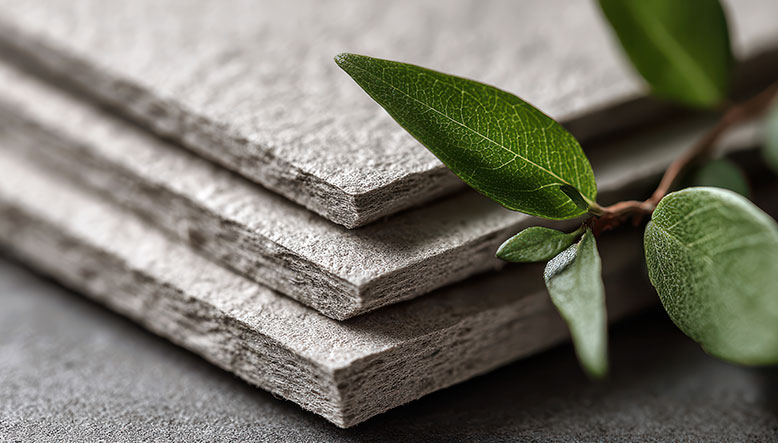
Creating a fresh and pleasant indoor environment in your home not only enhances its appearance but also contributes to your overall well-being.
Choosing the right materials plays a key role in creating comfortable and healthy spaces.
Wood, bamboo, natural fibers, cork, and ceramics are excellent choices for adding warmth, durability, breathability, insulation, color, and texture to your interior.
By using these natural materials and choosing sustainable options, you can improve ventilation, reduce toxins, and create a cozy yet refreshing atmosphere in your home that connects you with nature.

Wood adds warmth and natural beauty
When it comes to interior design, incorporating wood into a space can really make a difference in creating a fresh and inviting atmosphere in your home.
The natural, timeless appeal of wood adds warmth and character to any room, making it an ideal choice for a wide variety of interior styles.
Whether in the form of hardwood floors, exposed wooden beams, or custom-made wooden furniture, the presence of this material instantly brings a touch of the outdoors indoors, evoking a sense of nature and tranquility.
The rich and versatile nature of wood offers countless design possibilities, allowing you to create a space that is both comfortable and elegant.
From sleek, modern designs to rustic and traditional settings, wood can effortlessly complement and enhance the overall aesthetic of your interior.
In addition, the use of wood in interior design not only enhances the visual appeal of a space but also plays an important role in improving the overall atmosphere and comfort.
Its natural insulating properties help regulate the temperature, making the indoor environment more comfortable and pleasant, especially during the warmer months.
Wood’s ability to create a pleasant and well-maintained indoor environment is a valuable feature for any home, as it fosters a sense of relaxation and well-being among its residents.
By incorporating wooden elements into your interior—such as elegant wooden furniture, decorative panels, or striking wooden accents—you can enhance the look and feel of your space while enjoying the practical benefits it offers.
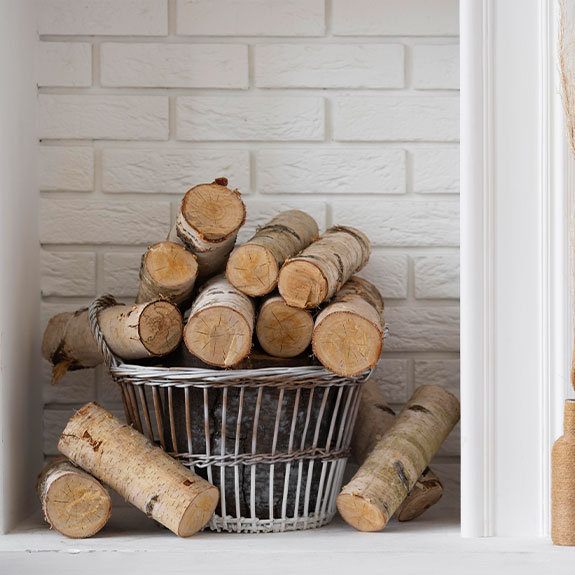
Bamboo offers durability and is environmentally friendly
Another exceptional natural material for interior spaces is bamboo, known for its durability and eco-friendly properties.
As one of the most sustainable and fastest-growing plants on the planet, bamboo is an ideal choice for those looking to minimize their environmental impact while creating a modern, stylish living space.
Its distinctive aesthetic, showcased in a variety of applications such as flooring, furniture, and decorative elements, adds a touch of contemporary elegance to the interior.
Bamboo’s unique characteristics—such as its durability, low-maintenance nature, and moisture resistance—make it a practical and attractive choice for high-traffic areas of the home, as it combines functionality with impeccable design.
Furthermore, incorporating bamboo into interior design not only adds a contemporary and natural element to a space, but also contributes to a more sustainable and healthy living environment.
Its composition and structure lend themselves to a wide variety of design styles, offering a remarkable blend of form and function.
By incorporating bamboo into your interior design—whether by installing bamboo flooring, using bamboo-inspired furniture, or adding decorative bamboo accents—you can create a visually appealing and eco-friendly space that reflects a commitment to style, functionality, and sustainability.
Natural fibers keep textiles breathable and comfortable
When choosing textiles for your interior, opting for natural fibers can significantly impact the overall comfort and aesthetic of the space.
Fibers such as linen, cotton, and jute are not only prized for their timeless, luxurious appeal, but also for their ability to regulate temperature and humidity, creating a cool and comfortable indoor environment.
These materials are known for their exceptional breathability, moisture-wicking properties, and durability, making them an excellent choice for a wide range of indoor applications, such as upholstery, curtains, and rugs.
The inherent texture and appearance of natural-fiber fabrics lend a sense of lightness and relaxation to a space, evoking a classic, effortless charm that is ideal for creating a cozy yet refreshing atmosphere in your home.
By incorporating fabrics made from natural fibers into your interior design, you can not only enhance the visual and tactile appeal of the space, but also contribute to a healthier and more comfortable indoor environment.
These materials contain no harmful chemicals or synthetic additives, so they help improve indoor air quality and ensure a safe and pleasant living environment for you and your family.
The versatility of natural fiber fabrics allows them to blend seamlessly with a variety of design styles, enabling you to personalize and enhance the ambiance of any room while enjoying the inherent comfort and elegance they provide.
Cork insulates and absorbs sound
When striving to create a fresh and inviting interior, incorporating cork as a design element can have a profound impact on both the aesthetic and functional aspects of a space.
Cork, with its unique composition and natural insulating properties, stands out as a valuable material for enhancing comfort and tranquility in indoor spaces.
Whether used for wall paneling, flooring, or decorative accents, cork offers a warm, earthy appeal that instantly adds a touch of natural beauty to any space.
Its distinctive texture and appearance, characterized by the visual and tactile richness of its cellular structure, contribute to a sophisticated yet welcoming atmosphere, making it a highly sought-after material for those seeking to create a harmonious and refreshing interior.
Furthermore, the use of cork in interior design goes beyond its visual and tactile appeal, as it also plays a vital role in creating a calm and well-balanced indoor atmosphere.
Known for its exceptional thermal and acoustic insulation, cork helps maintain a comfortable temperature and minimize background noise, creating a serene and peaceful living environment.
This makes it an ideal choice for spaces where relaxation and comfort are paramount, such as bedrooms, home offices, and cozy living rooms.
By incorporating cork into your interior design, you’re not only adding an elegant and eco-friendly design element, but you’re also investing in the long-term quality and comfort of your home, fostering a sense of well-being and serenity for you and your family.
Ceramics add color and texture
Incorporating ceramic elements into your interior design can infuse the space with a wealth of color, texture, and visual interest, creating a lively and dynamic atmosphere in your home.
Whether in the form of decorative tiles, unique kitchenware, or eye-catching accessories, ceramics offer a versatile and timeless design solution that complements a wide range of interior styles.
Its rich and diverse range of colors, patterns, and textures offers endless creative possibilities, allowing you to personalize and enliven your living spaces with distinctive and striking design elements.
From traditional and handcrafted ceramic pieces to contemporary and minimalist designs, the versatility of ceramics ensures that they can blend seamlessly into your interior while adding a touch of personality and charm.
Ceramic tiles not only enhance the visual appeal of your interior but also offer practicality and functionality, making them ideal for a variety of uses around the home.
Their durability, ease of maintenance, and resistance to heat and moisture make them a reliable choice for both decorative and functional purposes, such as accent walls, countertops, and kitchen and bathroom fixtures.
By incorporating ceramics into your interior design, you can create a space that is both aesthetically pleasing and practical, reflecting your unique style and taste, while also enjoying the timeless beauty and versatility that ceramics offer.
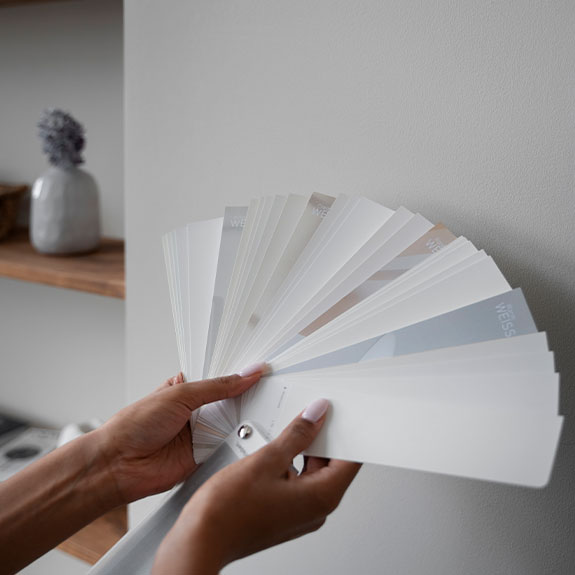
Make sustainable choices for a healthier home
When it comes to creating a fresh and inviting interior, the choice of materials and design elements plays a key role in fostering a sustainable, eco-friendly, and healthier living environment.
By choosing natural and sustainably sourced materials, such as wood, bamboo, cork, and natural fibers, you not only help protect the environment, but you also create a home that is in harmony with nature, fostering a sense of well-being and tranquility.
In addition, the use of organic and non-toxic materials, along with an emphasis on natural light and ventilation, further enhances the quality and sustainability of your interior, ensuring that it is a safe, comfortable, and enriching space for you and your family.
Incorporating sustainable and eco-friendly choices into your interior design not only reflects a commitment to environmental stewardship but also promotes a healthier and more balanced lifestyle.
By investing in materials and design elements free of harmful chemicals, heavy metals, and synthetic additives, you can create an indoor environment that promotes better air quality, greater well-being, and overall comfort.
The thoughtful and sustainable selection of materials and design elements is a powerful way to positively influence both the visual and functional aspects of your interior, while contributing to a more sustainable and harmonious living environment.
Improves ventilation and minimizes toxins
Creating a fresh and invigorating interior goes hand in hand with prioritizing proper ventilation and minimizing the presence of toxins and harmful substances in the living environment.
By strategically incorporating natural elements—such as houseplants, natural light, and well-placed windows—you can improve the flow of fresh air and natural light, creating a vibrant, healthy, and stimulating atmosphere in your home.
Indoor plants, in particular, not only add a touch of greenery and natural beauty to a space, but also help improve air quality by absorbing carbon dioxide and releasing oxygen, thereby creating a fresher and more revitalizing indoor environment.
In addition, bringing in plenty of natural light through well-designed windows and skylights not only illuminates the space but also has a positive impact on mood, energy levels, and overall well-being, fostering a sense of vitality and connection with the outdoors.
In addition to promoting the natural flow of air and light, it is essential to consider the materials and products used in your home to minimize the presence of toxins and harmful pollutants.
Choosing paints, finishes, and cleaning products with low VOC (volatile organic compound) content, as well as incorporating non-toxic and environmentally friendly furniture and decor, can significantly contribute to a healthier and more refreshing indoor environment, free from the negative impact of harmful chemicals and pollutants.
If you prioritize improving ventilation and minimizing toxins indoors, you can create a space that is not only visually appealing and inviting, but also conducive to a healthy, balanced, and sustainable lifestyle.
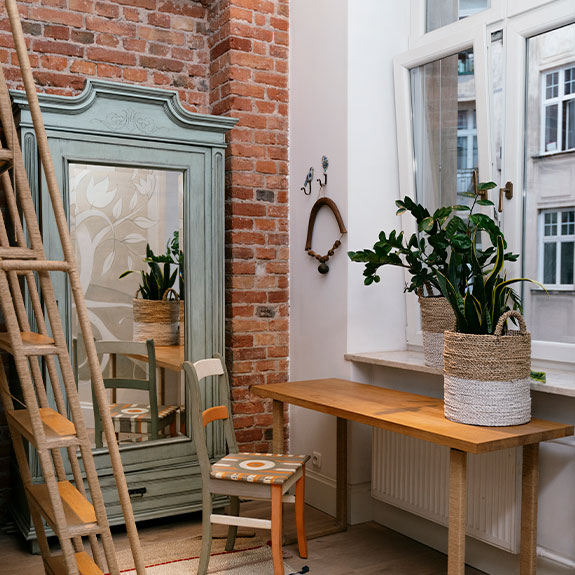
Create a cozy yet refreshing atmosphere
Creating a fresh and inviting interior isn’t just about choosing materials and design elements; it’s also about carefully crafting a welcoming yet refreshing atmosphere that exudes comfort, style, and well-being.
By combining the timeless appeal of natural materials like wood, bamboo, and cork with the breathable and sustainable qualities of natural-fiber textiles and the visual and tactile appeal of ceramics, you can create a harmonious and inviting interior that reflects your unique style and personality.
The deliberate and thoughtful integration of these materials and design elements not only enhances the visual and sensory appeal of the space, but also contributes to a refreshing, healthy, and sustainable living environment that reflects a deep appreciation for both style and well-being.
Embracing the natural beauty and functional properties of materials such as wood, bamboo, cork, and ceramics, and incorporating them into your interior design, not only helps create a fresh and welcoming atmosphere but also fosters a sustainable, eco-friendly, and harmonious living environment.
By consciously selecting and incorporating a diverse range of materials that offer both visual impact and practical benefits, you can transform your home into a cohesive and personalized reflection of your style, values, and commitment to a balanced and refreshing lifestyle.
Embrace Nature in Your Interior Design
Ultimately, creating a fresh and inviting interior that blends seamlessly with the surrounding natural environment reflects a deep appreciation for the beauty, tranquility, and sustainable qualities that nature offers.
By incorporating natural materials, sustainable design principles, and the inherent vitality of the outdoors, you can create a living space that is in harmony with its natural surroundings, fostering a sense of peace, balance, and well-being.
The strategic use of wood, bamboo, cork, ceramics, and natural fiber textiles, combined with an emphasis on sustainability, ventilation, and minimizing toxins, allows you to weave the natural beauty and serenity of the outdoors into the fabric of your interior design, resulting in a space that is not only visually captivating but also nourishing, refreshing, and deeply connected to the natural world.
Whether through the rich, warm tones of natural wood, the elegant and sustainable appeal of bamboo, the earthy and acoustic charm of cork, the vibrant and versatile appeal of ceramic, or the timelessness and breathability of natural fiber fabrics, each material plays an important role in shaping the visual, tactile, and emotional experience of an interior.
By embracing the beauty and functionality of these materials and design principles, you can create a fresh, welcoming, and sustainable interior that not only reflects your unique style and values but also pays tribute to nature’s timeless and rejuvenating influence on every aspect of your living environment.
Conclusion
Creating a fresh and inviting interior in your home not only enhances its appearance but also contributes to your overall well-being.
The choice of materials is crucial to creating a comfortable and healthy environment. From wood to bamboo, natural fibers to cork, incorporating sustainable materials can create a warm and refreshing atmosphere in your home.
By making conscious choices, you’re not only promoting a more eco-friendly lifestyle, but also creating a space that’s environmentally friendly and pleasant to be in.
So why not incorporate nature into your interior design and create a more comfortable and cozy home?
What materials help keep a house cooler?
Natural materials such as wood, bamboo, cork, and natural fibers help maintain a more comfortable indoor temperature thanks to their insulating and breathable properties. They also enhance comfort and reduce the feeling of heat in the home.
Why is wood a good choice for interiors?
Wood adds warmth, natural beauty, and thermal comfort. It also helps regulate indoor temperatures and creates cozy, elegant spaces, blending seamlessly with both modern and rustic styles.
What are the benefits of using bamboo in interior design?
Bamboo is a sustainable, strong, and highly durable material. Its modern yet natural look makes it an excellent choice for flooring, furniture, and wall coverings, and it is also environmentally friendly.
How do natural fibers enhance home comfort?
Natural fibers such as linen, cotton, and jute are breathable and absorb moisture, helping to create cooler, more comfortable environments. In addition, they contain no harsh chemicals and contribute to better indoor air quality.
What are the benefits of using cork in interior design?
Cork provides thermal and acoustic insulation, helping to maintain temperature and reduce noise. It also adds texture, comfort, and a warm, natural style to walls, floors, and decorative elements.