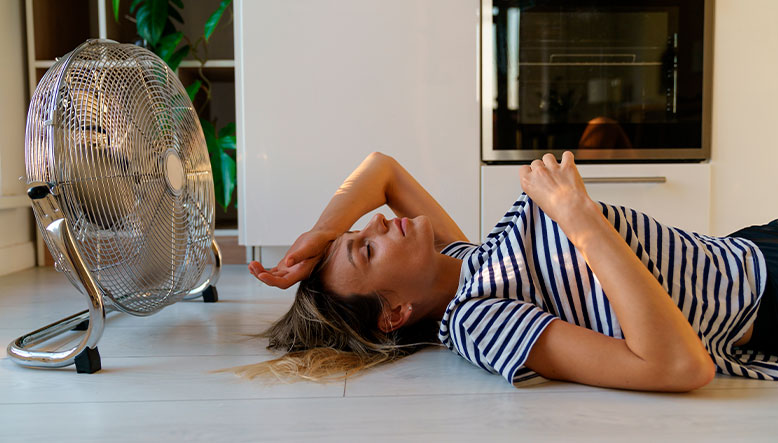
During the hottest months, homes tend to trap heat, which can make them uncomfortable and increase energy consumption. Identifying and correcting certain issues can help keep your home cooler and more comfortable.
In this article, we’ll discuss the most common mistakes that can make a house feel hotter and offer practical tips to help readers easily improve the temperature in their homes.

Not closing the windows and curtains properly
One of the most common—and often overlooked—mistakes many people make when trying to keep their homes cool is failing to close the windows and draw the curtains properly during the scorching heat of the day.
When outdoor temperatures soar, leaving the windows wide open may seem like a good way to let in a “cool breeze,” but in reality, it allows hot air to seep inside, raising the indoor temperature.
In addition, keeping the curtains open during daylight hours allows the sun’s radiant heat to warm the interior spaces.
It is advisable to keep the windows closed and the curtains or blinds drawn during the hottest part of the day to create a cooler and more comfortable indoor environment.
By taking these simple steps, you can prevent unnecessary heat from entering your home and make a significant contribution to maintaining a comfortable and pleasant temperature inside.
Many people also overlook the importance of strategically managing windows and curtains to control the indoor climate.
It is recommended to keep south- and west-facing windows tightly closed and to use reflective or light-colored window treatments to minimize heat exchange.
This helps limit the sun’s heating effect and maintain a more consistent and comfortable temperature throughout the house.
Making a conscious effort to implement these measures can make all the difference in combating excessive heat gain and significantly improve the comfort and livability of your home, especially during the sweltering summer months.
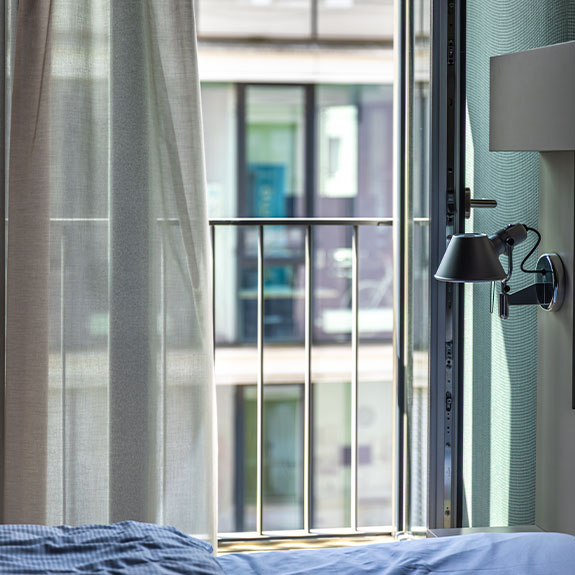
Another common—yet critical—mistake in home temperature management is relying too heavily on artificial cooling systems without taking into account the role of proper window and curtain management.
Many people tend to underestimate the impact of a well-planned window and curtain system on supporting and optimizing the performance of cooling systems. By strategically closing or opening windows and adjusting curtains or blinds, homeowners can significantly reduce the workload on their air conditioners, resulting in energy savings and more efficient cooling.
This level of conscious and deliberate temperature control not only contributes to a more pleasant and comfortable living environment, but also promotes energy conservation and cost-effective home cooling.
It’s easy to overlook the importance of maintaining your windows and curtains when trying to keep your home comfortably cool, but if you take proactive steps in this area, you can make a significant difference in creating a more comfortable and inviting living space.
With simple yet deliberate actions, such as keeping windows and curtains tightly closed during the hottest hours of the day, you have the power not only to improve the comfort of your home but also to reduce the energy demands associated with excessive heat gain and the resulting need for cooling.
Putting these practices into action can be as simple as establishing a daily routine for opening and closing windows and curtains, taking into account fluctuations in outdoor temperatures and the best times to promote natural ventilation and heat mitigation.
Over time, these small adjustments can yield significant benefits in terms of indoor climate control and overall energy efficiency, making a noticeable difference in the comfort and livability of your home, while contributing to a more sustainable and responsible approach to household energy consumption.
Using appliances that generate heat
The use of heat-generating appliances in the home is a common—and often overlooked—factor that contributes to rising indoor temperatures, especially during the hot summer months. Many people are unaware of the significant impact that everyday appliances can have on the overall thermal dynamics of their living spaces.
Appliances such as ovens, stoves, hair dryers, and even some lighting fixtures can significantly raise the temperature inside your home, making the indoor environment more uncomfortable and stuffy.
When outdoor temperatures rise, it is advisable to minimize the use of these heat-emitting appliances, especially during the hottest parts of the day.
Cooking with an oven, for example, can significantly raise the temperature in the kitchen and surrounding areas, creating a domino effect of rising heat throughout the house. To mitigate this, it is recommended to consider alternative cooking methods such as outdoor grilling, slow cookers, or microwave ovens, which generate only a fraction of the heat produced by conventional ovens.
By making these conscious choices, homeowners can effectively reduce the thermal load on their living spaces and help create a more moderate and comfortable indoor climate.
Furthermore, the impact of heat-generating appliances extends beyond the cooking elements themselves, as some lighting fixtures—particularly incandescent bulbs—also contribute to the internal heat load.
Choosing energy-efficient lighting options, such as LED bulbs, can significantly reduce the amount of heat emitted into the environment, in addition to the energy savings they provide.

By making these small but meaningful changes, people can create a more balanced and comfortable living environment, while also enjoying the benefits of lower energy consumption and reduced utility bills.
It is essential to recognize the cumulative effect of these heat-generating appliances and their contribution to the overall thermal load of the home.
By becoming aware of the impact of these devices and taking proactive steps to minimize their use—especially during the hottest hours of the day—people can have a positive influence on indoor climate and create a more comfortable and temperate living space for themselves and their families.
This deliberate approach to managing household appliances not only helps maintain a more pleasant home environment but also supports the mindful and sustainable use of energy resources.
Adopting a conscious and deliberate approach to reducing reliance on heat-emitting appliances is a proactive and effective strategy for combating excessive heat gain and maintaining a more comfortable and livable indoor environment.
By making informed decisions about the use of household appliances and exploring alternative options that minimize heat generation, homeowners can take significant steps toward creating a more comfortable and sustainable living space, while also reaping the benefits of lower energy consumption and greater control over indoor climate.
Lack of cross-ventilation
A lack of adequate cross-ventilation in a home can significantly contribute to heat buildup and create an uncomfortably warm indoor environment, especially during the pleasant summer months.
Proper cross-ventilation—which involves moving air through the house by opening windows or vents on opposite sides—plays a crucial role in promoting air circulation and expelling hot air, ultimately contributing to a more comfortable and pleasant living space.
When homes are designed or maintained in a way that obstructs or prevents cross-ventilation, hot air often becomes trapped and refreshing breezes are absent, leading to a stuffy and oppressive indoor climate.
It is essential to recognize the value of cross-ventilation and take proactive steps to ensure the unobstructed flow of air through the various rooms and spaces in the home.
This may involve strategically placing windows, using fans to increase air circulation, and removing any obstructions that hinder the natural flow of air, thereby creating a more conducive and comfortable indoor environment.
By prioritizing and implementing measures to improve cross-ventilation, homeowners can harness the natural cooling effect of outdoor breezes and promote the circulation of fresh air throughout the home, ultimately creating a more pleasant and comfortable living environment.
This approach not only helps improve indoor climate control but also reduces reliance on mechanical cooling systems, leading to potential energy savings and a more sustainable and environmentally responsible way to maintain a comfortable home.
It is important to keep in mind that creating a well-ventilated home that takes advantage of natural cross-ventilation does not have to be a complex or difficult task.
Simple steps such as opening windows on opposite sides of the house during the coolest hours of the day, using strategically placed openings, and installing ceiling or exhaust fans can all help create a more airy and pleasant indoor environment.
By embracing and prioritizing the principles of cross-ventilation, people can take concrete steps toward creating a more comfortable and sustainable home, while promoting good indoor air quality and a generally pleasant living environment for themselves and their families.
Furthermore, the use of cross-ventilation is not only beneficial for mitigating the effects of excessive heat, but also represents a holistic approach to promoting a healthy and refreshing indoor environment.
By actively promoting natural air circulation and expelling stagnant, warm air, homeowners can help improve overall indoor air quality and comfort, creating a more welcoming and pleasant living space for themselves and their loved ones.
This seamless integration of cross-ventilation into the home’s design and operational system represents a proactive and effective strategy for enhancing the livability and long-term sustainability of the home environment.
Keep the lights on
Many people underestimate the impact of lighting on the temperature inside their homes, making a common but easily corrected mistake that contributes to heat buildup and creates an uncomfortably warm indoor environment.
In particular, incandescent and halogen bulbs emit a significant amount of heat in addition to visible light, which causes the ambient temperature in the spaces they illuminate to rise.
This, in turn, can lead to greater reliance on cooling systems and a consequent increase in energy consumption and costs.
During the hot summer months, it is advisable to minimize the use of lighting fixtures that tend to generate excessive heat and to consider alternative options that offer both energy efficiency and a lower thermal impact.
Choosing LED or compact fluorescent (CFL) bulbs is a practical and effective way to reduce the heat generated by traditional lighting options, while also enjoying the benefits of lower energy consumption and longer bulb life.
The transition to cooler, more energy-efficient lighting solutions not only contributes to a more moderate and comfortable indoor climate, but also supports the conscious and sustainable use of energy resources.
The strategic use of natural light—such as maximizing daylight and making use of skylights and light tubes—can further help reduce reliance on artificial lighting and the associated thermal load.

By designing the use of natural light to minimize the need for additional lighting during daylight hours, homeowners can create a more thermally balanced and energy-efficient indoor environment, while promoting a harmonious and healthy integration of light into living spaces.
In addition to choosing energy-efficient lighting options, it is also beneficial to develop the habit of using lighting in the home in a conscious and deliberate manner.
This may involve practices such as turning off lights in unoccupied rooms, using task lighting for specific activities, and making the most of natural light, thereby reducing reliance on artificial lighting and its associated thermal impact.
By adopting a conscious and deliberate approach to lighting management, people can help create a more comfortable and pleasant indoor environment, while fostering a culture of sustainability and responsible energy consumption within the home.
It is essential to recognize the important role that lighting plays in both the visual and thermal dynamics of the home environment, and to take proactive steps to optimize its use in order to create a comfortable, energy-efficient, and sustainable living space.
By strategically integrating energy-efficient lighting solutions, making the most of natural light, and fostering habits of mindful lighting use, homeowners can effectively mitigate the thermal impact of lighting and create a more comfortable, pleasant, and sustainable living environment for themselves and their families.
Improper use of the air conditioner
Improper or inefficient use of air conditioning systems is a common mistake that can exacerbate heat and humidity levels inside a home, resulting in a suboptimal indoor climate and a larger energy footprint.
Many people are unaware of the significant impact that proper management and use of air conditioning systems can have on both the comfort of their living spaces and the associated energy consumption.
A common mistake is running the air conditioner with the windows open or in a poorly sealed environment.
This not only reduces the efficiency of the cooling system, but also causes cold air to be blown out unnecessarily while warm, humid air from outside flows in at the same time.
To remedy this situation, it is essential to ensure that windows, doors, and any ventilation ducts are properly sealed in order to create a more controlled and efficient cooling environment.
This simple yet effective step can help significantly reduce the workload on the air conditioning unit and its subsequent energy consumption, offering a more sustainable and cost-effective approach to maintaining a comfortable indoor climate.
In addition, setting the air conditioner to excessively low temperatures in an attempt to cool the room quickly is a common mistake that can overload the system, increase energy consumption, and create an uncomfortable indoor environment.
It is advisable to set the air conditioner to a moderate and comfortable temperature that aligns with energy-saving practices, typically around 78 degrees Fahrenheit (25–26 degrees Celsius) when the house is occupied.
This not only contributes to a more comfortable and pleasant indoor environment, but also minimizes the energy demands on the cooling system, leading to potential cost savings and a more sustainable use of energy resources.
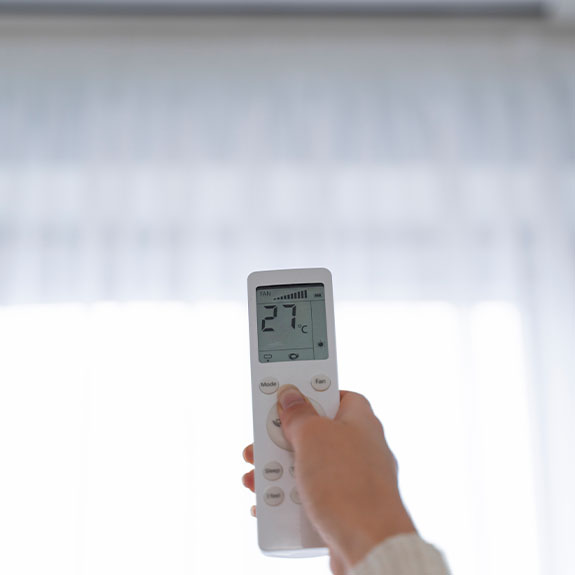
On the other hand, failing to maintain your air conditioning system on a regular and timely basis is a common oversight that can compromise its overall efficiency and performance.
Clogged air filters, blocked condensing units, and dirty coils not only prevent the system from effectively cooling and dehumidifying the indoor air, but also contribute to higher energy consumption, as the system has to work harder to compensate for reduced airflow and heat exchange.
By staying on top of routine maintenance tasks—such as changing filters, cleaning coils, and performing general system maintenance—homeowners can improve the efficiency and lifespan of their air conditioning system, resulting in better indoor climate control and lower energy consumption.
It is important to recognize that the proper and efficient use of air conditioning is a key component of overall thermal management and comfort in the home.
By addressing common issues such as operating the system with windows open, excessive cooling settings, and a lack of proactive system maintenance, homeowners can create a more sustainable, energy-efficient, and comfortable indoor environment, while fostering a responsible and mindful approach to household energy consumption and environmental impact.
Poor choice of materials
The choice of materials used in the construction and decoration of a home plays a key role in determining its thermal properties and the overall comfort of its interior living spaces, particularly when it comes to managing heat during the hot summer months.
One of the factors that commonly contributes to an excessively hot and uncomfortable indoor climate is the use of materials with high thermal conductivity, which facilitates the rapid transfer of heat into interior spaces, leading to a higher and more oppressive indoor temperature.
Materials such as certain types of metal roofing, brick and concrete walls, and even some floor coverings tend to conduct and retain heat, creating an uncomfortable and less-than-ideal indoor climate during the sweltering summer months.
It is advisable to consider and incorporate materials with lower thermal conductivity, insulating properties, or reflective characteristics to mitigate heat buildup and promote a more temperate and comfortable indoor environment.
This may involve the use of materials such as insulated roof panels, energy-efficient windows, reflective or light-colored exterior surfaces, and thermal barrier coatings to create a more thermally balanced and comfortable living space.
In addition, a home’s interior decor and furnishings also play an important role in its thermal dynamics, as materials such as heavy curtains, certain types of upholstery, and even wall paint can contribute to raising the indoor temperature and making it uncomfortable.
Choosing lighter, more reflective interior finishes, incorporating natural and insulating materials into the furniture, and utilizing window treatments with heat-reducing properties can collectively help create a more thermally balanced and comfortable indoor environment.
Why does my house get so hot in the summer?
This may be due to poor ventilation, improperly maintained windows, the use of heat-generating appliances, materials with poor insulation, or improper use of the air conditioner.
Is it better to open or close the windows when it’s hot?
During the hottest part of the day, it’s best to keep windows and curtains closed. It’s better to air out the room early in the morning or at night.
Which appliances increase the temperature inside the house?
Ovens, stovetops, hair dryers, incandescent light bulbs, and some appliances generate heat and raise the indoor temperature.
How does cross-ventilation help cool a house?
Cross-ventilation allows air to circulate between windows on opposite sides of a room, expelling hot air and creating a more comfortable temperature.
What materials help keep a house cool?
Insulation materials, light colors, energy-efficient windows, reflective surfaces, and cladding with low thermal conductivity help reduce heat.