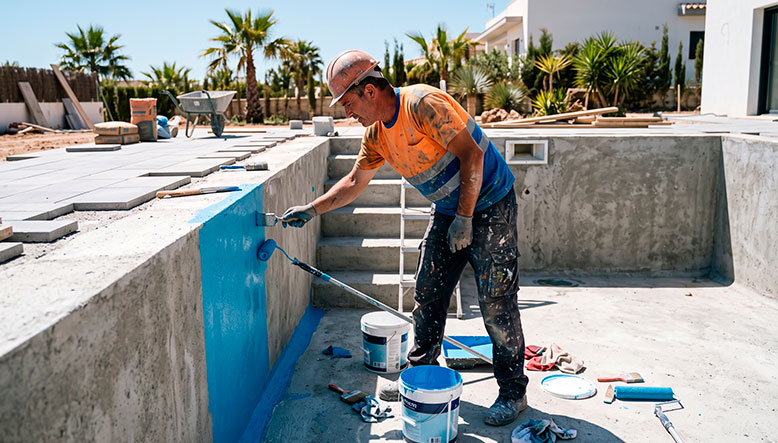
Do you want to improve the appearance of your concrete pool? Painting it not only improves its appearance, but also protects the structure and extends its lifespan.
In this comprehensive guide to painting a concrete pool, we’ll cover everything you need to know to successfully complete this DIY project.
From preparing and selecting the right paint to applying it and providing post-painting maintenance, we’ve got it all covered.
Be sure to follow our warnings in bold regarding the importance of prep and drying times.
Get ready to turn your pool into a backyard oasis with these advanced DIY tips.

Preparing the Pool
Painting a concrete pool not only improves its appearance but also protects the structure and extends its lifespan.
The first—and crucial—step in this process is to properly prepare the pool. This involves draining the pool and ensuring that all surfaces are completely clean and free of any impurities that could affect the paint’s adhesion.
Once the pool has been drained, it is essential to let it dry completely, creating an environment conducive to subsequent cleaning and repair work.
Using a pool-specific cleaner along with a stiff-bristled brush, scrub the entire surface to remove dirt, grease, and any existing residue.
This meticulous cleaning process is essential for creating the perfect surface for the new paint to adhere to, resulting in a professional finish.
If the concrete surfaces of the pool have cracks or stains, it is essential to fix these problems before applying any paint.
By carefully repairing these imperfections with a suitable concrete filler, you can create a smooth, even surface that is not only visually appealing but also durable.
The next step is to sand the surfaces to open the pores, which significantly improves the paint’s adhesion.
This thorough preparation sets the stage for a successful and long-lasting paint job, ensuring that the pool will not only look great but will also stand the test of time.
Draining and Drying the Pool
Before you begin any painting work on your concrete pool, it is essential to completely drain the water and let the entire structure dry naturally.
This crucial step is non-negotiable and provides the ideal conditions for effectively carrying out the subsequent cleaning and repair processes.
By letting the pool dry completely, you allow the surfaces to “breathe” and ensure that trapped moisture is thoroughly expelled, preventing any adverse effects on the freshly applied paint.
In addition, this natural drying process ensures that the pool is in optimal condition for painting, setting the stage for a professional and flawless final result.
Once the pool has been drained, take your time to perform a thorough cleaning, making sure to cover every nook and cranny of the surfaces.
The use of specialized pool cleaning solutions, along with a vigorous scrubbing tool, is essential for dislodging and removing any stubborn contaminants, thereby creating a pristine and spotless surface for applying the paint.
By diligently carrying out this cleaning phase, you effectively lay the essential foundation for a successful and long-lasting paint job, ensuring that the pool exudes beauty and durability.
Thorough cleaning
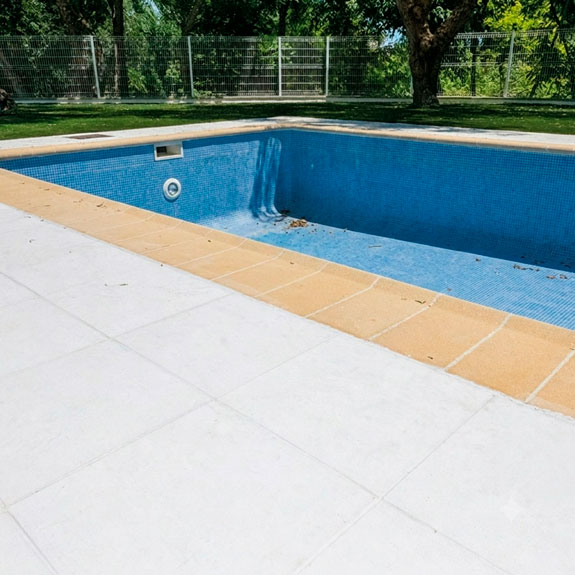
With the pool drained and dry, the next crucial step is to begin a thorough and meticulous cleaning process.
This involves using a specialized pool cleaning solution in combination with a sturdy brush to thoroughly scrub the entire surface of the pool, removing all traces of dirt, debris, and any stubborn contaminants.
This thorough cleaning not only prepares the surface for excellent paint adhesion, but also ensures that the pool will look pristine and spotless, enhancing its visual appeal and overall hygiene.
By using a specialized pool cleaning product and scrubbing the surfaces thoroughly, you effectively remove all debris and impurities from the pool, thereby creating an optimal base for the next coat of paint.
This meticulous cleaning process is similar to priming a canvas, ensuring that the paint will adhere smoothly and evenly, resulting in a flawless, professional finish that not only enhances the pool’s appearance but also reinforces its structural integrity.
Repairing Cracks and Imperfections
Addressing any cracks or imperfections in the concrete pool is a key part of the preparation phase.
If you carefully fill these defects with a high-quality concrete patching compound, you can create a smooth, even surface that is not only visually appealing but also structurally sound.
This proactive approach to repairing and correcting any imperfections not only enhances the pool’s overall appearance but also strengthens its ability to withstand the rigors of time and use, ensuring that it remains a captivating and long-lasting part of your outdoor oasis.
Using a specialized concrete repair product and following the manufacturer’s instructions, carefully and thoroughly fill all cracks, making sure the surface is even and free of imperfections.
This attention to detail in the repair process is a testament to your commitment to excellence and sets the stage for a long-lasting result with a flawless finish.
If you take the time to carefully address these issues, you’ll not only be investing in the pool’s visual appeal, but also in its long-term structural integrity, safeguarding your investment for years to come.
Sanding of Polished Surfaces
A crucial but often overlooked step in preparing to paint a concrete pool is sanding the polished surfaces.
Using fine-grit sandpaper or a sanding pad, gently sand the polished areas to create a subtly rough texture.
This process effectively opens the pores of the concrete and promotes superior adhesion for the next coat of paint.
Meticulous sanding of polished surfaces is a labor-intensive but essential process that significantly contributes to the success and longevity of the paint job, ensuring a flawless, professional finish that enhances both the aesthetic and functional aspects of the pool.
By carefully sanding the polished areas, you essentially prepare the surface to optimally accept and adhere to the paint, creating an ideal foundation for a flawless and long-lasting finish.
This preparatory step is a hallmark of a professional approach to pool maintenance and painting, demonstrating your commitment to achieving the highest standards of quality and craftsmanship.
By paying such meticulous attention to detail, you can be sure that your newly painted pool will not only captivate with its fresh, attractive look, but will also stand the test of time, maintaining its beauty and integrity for years to come.
Choosing the Right Paint
Once the pool surfaces have been thoroughly prepared, the next crucial step in the painting process is selecting the most suitable, high-quality paint.
The success and longevity of a paint job are intrinsically linked to the type of paint chosen, making this decision a crucial aspect of the entire process.
Choosing a high-quality water-based acrylic pool paint is highly recommended due to its exceptional durability, ease of application, and resistance to chemicals and UV damage.
Acrylic paints for swimming pools are specifically formulated to withstand the harsh conditions of pool environments, offering excellent adhesion, resistance to fading, and a durable, vibrant finish that is both visually appealing and highly functional.
When selecting paint, it is essential to consider the specific needs of your concrete pool, taking into account factors such as the pool’s exposure to sunlight, frequency of use, and the desired visual result.
In addition, consulting with reputable paint suppliers or industry professionals can provide you with valuable insights and guidance in choosing the best paint for your pool, ensuring that the paint you select perfectly meets your aesthetic and durability requirements while also matching any previous paint coatings that may be present on the pool.

Choosing water-based acrylic paint
Given the unique demands and challenges of painting a concrete pool, choosing a water-based acrylic paint offers many advantages.
These paints contain no solvents or strong odors, creating a more pleasant and safer work environment, and they are also extremely easy to apply and clean up.
With their exceptional adhesion and resistance to fading and yellowing, water-based acrylic paints are the top choice for DIY enthusiasts and professional painters alike, as they offer a winning combination of performance, ease of use, and a stunning, long-lasting finish that’s built to last.
In addition, the advanced formulation of water-based acrylic paints for swimming pools is specifically designed to withstand the rigors of pool environments, offering superior resistance to mold and damage caused by pool chemicals.
By choosing a water-based acrylic paint, you not only ensure an efficient and hassle-free application process, but you also invest in a long-term solution that will keep your concrete pool looking pristine and attractive for years to come, with minimal maintenance and upkeep.
Check compatibility
Before finalizing your selection of acrylic paint for swimming pools, it is essential to verify that the chosen product is compatible with the previous coat of paint, if applicable.
If the pool has been painted before, conducting a small test on an inconspicuous area will help determine the compatibility and adhesion of the new paint to the existing coating.
This precautionary measure is crucial for identifying any potential issues with paint adhesion or compatibility, enabling quick and effective solutions, and ultimately ensuring a flawless and trouble-free paint application process.
In addition, consulting the manufacturer’s guidelines and recommendations regarding compatibility and surface preparation for the selected paint will provide essential information and instructions, ensuring that the product you choose is perfectly suited to the specific conditions and requirements of your concrete pool.
If you take the time to check for compatibility and follow the recommended preparation steps, you’ll lay a solid foundation for a successful and long-lasting paint job, protecting your investment and ensuring a visually stunning, long-lasting result that will exceed your expectations.
Applying the Paint
With the pool surfaces meticulously prepared and the right high-quality paint selected, it’s time to actually apply the paint.
This crucial step in the painting process is where the vision for transforming the pool comes to life, and the utmost attention to detail and precision are essential for a professional and long-lasting finish.
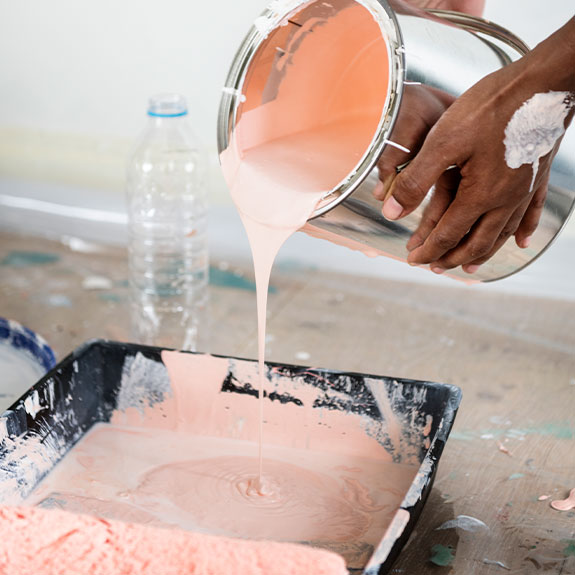
Before you begin applying the paint, it is essential to stir it thoroughly to create a homogeneous mixture, ensuring that all components are evenly distributed for a consistent and flawless finish.
Once the paint has been thoroughly stirred, it should be diluted with the recommended amount of water, which typically ranges from 10% to 20%, depending on the specific product and the porosity of the pool surfaces.
Thinning the paint not only makes the application process easier, but also ensures optimal adhesion and coverage, resulting in a professional, flawless finish.
Using high-quality application tools, such as rollers or brushes, the paint should be carefully applied to the pool surfaces, starting with the hardest-to-reach areas and gradually moving toward the more accessible ones.
This systematic approach ensures thorough and professional application, leaving no room for drips, uneven coverage, or missed spots.
Dissolve and mix
Before you begin applying the paint, it is advisable to carefully dilute the acrylic pool paint with the recommended amount of water, as specified by the manufacturer.
This crucial step is essential for achieving the ideal consistency and fluidity of the paint, allowing for smooth, effortless application that ensures a professional and flawless finish.
By following the precise dilution instructions and ensuring a uniform and thorough mixing process, you set the stage for a smooth and effective paint application, ensuring that every centimeter of the pool is meticulously and evenly coated, creating a stunning and long-lasting aesthetic.
By following the recommended guidelines for dilution and mixing, you will not only improve the application process but also optimize the paint’s performance and longevity, ensuring that it adheres smoothly and evenly to the pool surfaces while providing exceptional durability and protection.
This attention to detail and commitment to excellence during the preparation and construction phases are a testament to your dedication to achieving professional-quality results and creating a visually captivating and durable concrete pool.
Apply with a roller or brush
Acrylic paint for swimming pools should be applied using high-quality tools, such as rollers and brushes, that are specifically designed to achieve a smooth, flawless finish.
Start the application process by painting the corners and edges with a brush to ensure precision and a clean finish, before moving on to the larger areas using a roller.
This systematic approach ensures professional and uniform application, leaving no room for drips, streaks, or stains, and ultimately guarantees a stunning, long-lasting result that transforms your pool into an attractive and durable feature of your outdoor space.
In addition, it is essential to work methodically and strategically, painting one section at a time and making sure that each brushstroke is applied carefully and evenly.
This meticulous approach is the hallmark of a professional and long-lasting paint job, ensuring that the entire surface of the pool is flawlessly coated and protected, resulting in a visually striking and durable finish that blends beauty with functionality, enhancing the overall appeal and value of your outdoor oasis.
Thin coats and drying between coats
When applying acrylic paint for swimming pools, it is essential to follow the golden rule of using multiple thin coats rather than a single thick coat.
This approach not only ensures a uniform, professional finish, but also allows for optimal curing and drying between each coat, ultimately improving the paint’s durability and longevity.
By allowing each thin coat to dry thoroughly and completely before applying the next one, you effectively maximize the paint’s adhesive properties and protective qualities, ensuring a flawless, long-lasting finish that stands the test of time.
Typically, the recommended drying time between coats is 4 to 6 hours, which allows the paint to cure thoroughly and ensures an even, crack-free finish.
This patient and meticulous approach—applying several thin coats and allowing sufficient time for each coat to dry—is the hallmark of a professional, high-quality paint job, ensuring that the concrete pool will not only exude visual charm and elegance but also provide long-term protection and durability that will enhance its overall value and appeal.
After applying the final coat, it is essential to let the paint cure and dry completely before filling the pool with water, thereby ensuring that the paint achieves its maximum strength and adhesion.
The recommended curing time for acrylic pool paint is typically between 7 and 15 days, depending on the specific product and environmental conditions.
This crucial phase is essential for the paint to form a strong, waterproof barrier, protecting the pool from any premature exposure to water and ensuring a flawless, durable, and professional finish that withstands the rigors of time and use.
Post-Painting Maintenance
Once the painting has been successfully completed, and the pool has a pristine and impressive finish, it is essential to implement a post-painting maintenance regimen to preserve and prolong the visual appeal and protective qualities of the newly painted concrete pool.
This involves a comprehensive approach that includes regular cleaning, monitoring chemical levels, and periodically inspecting for any signs of damage, wear, or deterioration.
By following a consistent and thorough maintenance routine, you not only ensure that your pool remains beautiful and hygienic, but you also safeguard the integrity and longevity of the paint, maximizing its protective and aesthetic benefits.
In addition, it is recommended to perform a thorough and comprehensive cleaning of the pool on a regular basis, using gentle, non-abrasive cleaning tools and solutions to remove any residue, organic matter, or mineral deposits that may accumulate.
In addition, monitoring and adjusting the pH, alkalinity, and chlorine levels in the pool water is crucial for creating a balanced and conducive environment that protects the paint and the structural integrity of the pool.
By diligently following these maintenance practices, you will effectively extend the lifespan and luster of your newly painted concrete pool, ensuring that it remains a captivating and attractive feature of your outdoor space for years to come.
What is the first step before painting a concrete pool?
The key step is to empty it completely and let it dry naturally. This allows trapped moisture to escape and prepares the surface for a thorough cleaning and repair.
What type of paint is best suited for this job?
The best option is water-based acrylic paint. It is easy to apply, does not emit strong odors, and offers excellent durability against chemicals in water and UV rays.
How should paint be applied correctly?
The golden rule is to apply multiple thin coats rather than one thick coat. Start by painting the corners and edges with a brush, and then use a roller to cover the larger, smoother areas.
How long should you let the paint dry between coats?
To ensure perfect adhesion and a professional finish, allow each coat to dry for 4 to 6 hours before applying the next one.
How many days should I wait before filling the pool after painting it?
It is crucial to allow the paint to fully cure before exposing it to water; this usually takes between 7 and 15 days, depending on the specific product and weather conditions.