
During hot weather, keeping your living room cool is essential for maintaining a comfortable environment. In this article, we’ll discuss practical and effective ways to reduce the heat in your living room.
From proper ventilation and sun protection to choosing the right fabrics and incorporating natural elements, these tips will help you create a cooler, more pleasant space.
Dive in and discover how you can make your home more comfortable during the hot summer days.

Proper ventilation
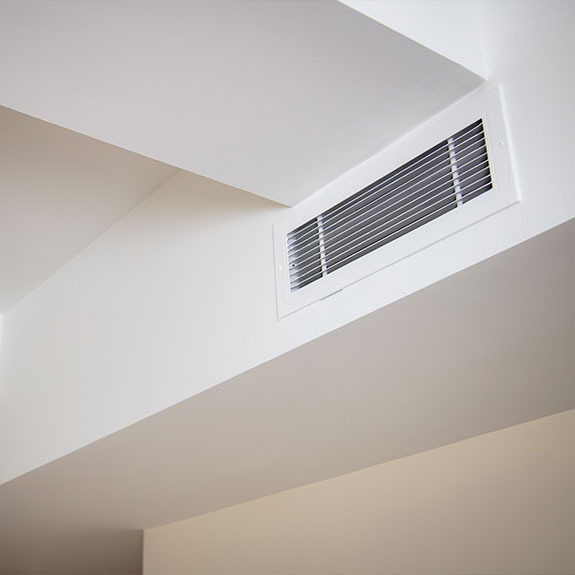
Ensuring proper ventilation in your living room is essential for creating a comfortable environment, especially during the hot summer months.
Ensuring proper ventilation in your living room is essential for creating a comfortable environment, especially during the hot summer months.
This can help dissipate the heat that has built up inside. It’s important to keep in mind, however, that when the outside temperature rises, it’s best to close these openings to prevent hot air from entering the living room.
In addition, using fans can greatly improve air circulation and create a more pleasant and cooler atmosphere.
Placing a fan near an open window can help bring in fresh air, while a standing fan can be used to push hot air out of the room, thereby lowering the overall temperature.
Another useful strategy is to take advantage of the natural airflow in the house. This can be achieved by creating a cross-breeze, which involves opening windows on opposite sides of the room to allow a continuous flow of fresh air.
In addition, installing exhaust fans in specific areas such as the kitchen and bathroom can help remove hot air and maintain a comfortable indoor climate.
Sun protection
Protecting your living room from direct, intense sunlight is crucial for minimizing heat buildup. Strategic use of window coverings, such as curtains, blinds, or shades, can effectively block heat from entering the room.
Choosing light-colored, reflective window coverings can further enhance their ability to deflect solar heat, keeping your living room cooler. In addition to traditional window coverings, applying solar film to glass surfaces can significantly reduce the amount of heat that enters through the windows.
During peak sunlight hours, it is advisable to keep these shutters closed to create a barrier against the heat.
While it’s important to balance this with the need for natural light, implementing these sun protection measures can make a significant difference in preventing excessive heat from building up in your living room.
Suitable fabrics
The choice of fabrics and materials in your living room can significantly affect the overall temperature and comfort of the space.
Choosing lightweight, breathable materials, such as cotton, linen, or natural fibers, can promote better airflow and prevent heat buildup. These fabrics are known for their ability to wick away moisture, creating a cooling effect in the room.
When it comes to upholstery and curtains, choosing light colors and loose-weave fabrics can help make the space feel cooler and more comfortable.
In addition, choosing carpets made from natural fibers, such as jute or sisal, can help create a cooler and more pleasant environment, since they do not trap heat like traditional synthetic carpets.
If you pay attention to the fabrics used in the living room, you can create a more inviting and cozy space, especially during the warm summer months.
Efficient Use of Household Appliances
Using appliances efficiently and mindfully can have a significant impact on the overall temperature of the living room.
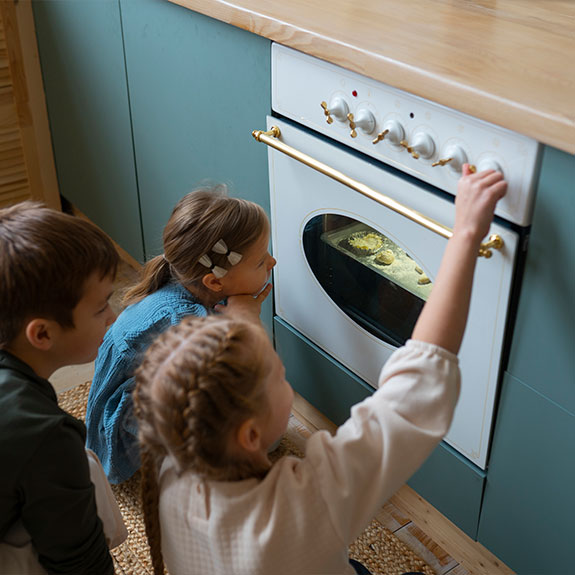
Many common household appliances, such as refrigerators, ovens, and washing machines, generate heat when in use.
On hot days, it is advisable to minimize the use of these appliances to reduce the additional heat they add to the indoor environment.
In addition, unplugging appliances that aren’t in use—since they can continue to generate heat in standby mode—can help keep your living space even cooler.
An important factor in reducing heat is the use of lighting. Replacing traditional incandescent bulbs with energy-efficient LED lighting not only helps reduce energy consumption but also the heat generated in the room.
LED bulbs emit significantly less heat than incandescent bulbs, which helps keep the living room cooler and more comfortable, especially on hot days.
If you pay attention to the appliances you use and replace them with more energy-efficient models, you can effectively minimize the heat buildup in your living room.
Incorporate natural elements
Incorporating natural elements into your living room can have a significant impact on the overall temperature and comfort levels.
Strategically placing indoor plants can help lower the room temperature through a process known as transpiration.
When plants release moisture into the air through their leaves, they can create a cooling effect, helping to make the living environment more pleasant.
In addition, using natural, breathable materials in the decor and furnishings can further enhance the room’s cooling effect.
This can include rattan furniture, wicker baskets, or decorative items made from natural fibers, which help create a fresher and more comfortable living space, especially during the warmer months.
In addition, adding plants and trees around your living space can provide natural shade and reduce the amount of heat entering the room, creating a more comfortable and pleasant indoor environment.
By incorporating these natural elements, you can take advantage of their cooling properties and create a more welcoming and comfortable living room, even on the hottest days.
Thermal insulation
A key long-term strategy for reducing heat in the living room is to improve the room’s thermal insulation.
The use of double-pane insulated windows can effectively minimize heat transfer between the interior and exterior, helping to maintain a more consistent and comfortable indoor temperature.
In addition, installing insulation in the walls and ceiling can further reduce heat transfer, creating a more energy-efficient living room.
Another effective measure is the use of thermal or blackout curtains, which not only help maintain the desired temperature but also contribute to energy savings by reducing reliance on air conditioning.
These types of window treatments create a barrier against heat, preventing it from entering the living room and keeping the interior cooler and more comfortable.
By improving the thermal insulation in your living room, you can create a more comfortable and cozy space, while also enjoying lower energy consumption and greater environmental sustainability.
Use fans
Fans are a simple yet effective way to beat the heat and improve the overall comfort of your living room.
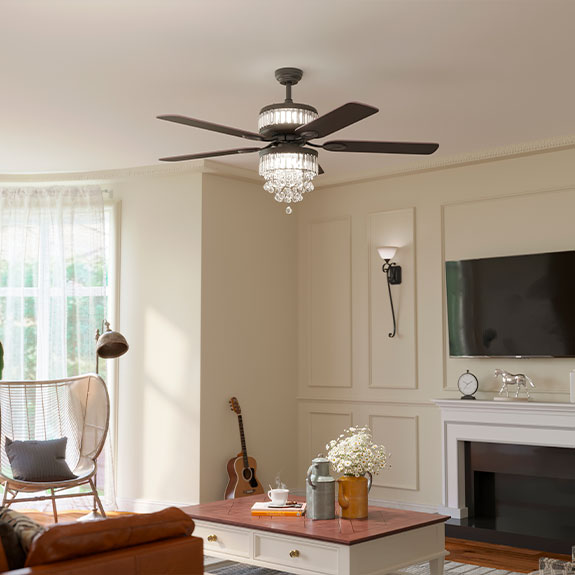
Strategically placing ceiling fans, oscillating fans, or portable fans can help circulate air and create a cooling breeze, helping to mitigate the effects of high temperatures.
During the hottest hours of the day, running fans can create a wind chill effect, making the air feel cooler and helping to create a more comfortable indoor environment.
It is beneficial to have fans running in a direction that promotes the flow of cool air—which is typically counterclockwise in the Northern Hemisphere—to lower the perceived temperature in the living room.
Using fans in combination with other heat-reduction strategies, such as proper ventilation and window curtains, can have a significant impact on the overall temperature and comfort of the living room, creating a more welcoming and pleasant space for relaxation and rest.
Block direct sunlight
One of the most effective ways to reduce heat in the living room is to minimize the impact of direct sunlight.
The strategic use of outdoor shade, such as awnings, pergolas, or strategically placed trees, can help block the intense sunlight that shines directly into the living room.
This, in turn, reduces the amount of heat entering the room, creating a more comfortable and moderate environment, especially during peak sunlight hours.
In addition to exterior shades, the use of interior curtains and blinds further helps block and diffuse direct sunlight, reducing the overall heat load in the living room.
By taking proactive steps to block out direct sunlight and take advantage of the environment’s natural cooling properties, you can significantly influence the temperature and comfort levels in your living room, creating a more pleasant and inviting space for you and your family to spend time in—especially during the hottest days of the year.
Keep the windows open at night
During the cooler evening hours, taking advantage of the drop in outdoor temperatures by keeping the windows open in the living room can help cool the room naturally and create a more comfortable indoor environment.
This practice, known as cross-ventilation, allows fresh air to enter at night, helping to lower the overall temperature inside the home.
Using fans in addition to this can further enhance the cooling effect, as they can help circulate and distribute cool air more effectively throughout the space.
It is important to keep in mind the safety considerations involved in leaving windows open at night, ensuring that the living room remains a safe space while you enjoy the natural cooling effects of the night air.
By strategically using the cool night air, you can create a comfortable and refreshing atmosphere in the living room, reducing your reliance on artificial cooling systems and maximizing the benefits of natural climate control.
Conclusion
In conclusion, reducing the heat in the living room is essential for a comfortable environment on hot days.
By following these simple strategies—such as ventilation, sun protection, the use of appropriate natural fabrics and materials, the efficient use of appliances, and thermal insulation—you can lower the temperature in your living room and improve your well-being.
With these practical and easy-to-follow tips, you can easily transform your home into a fresh and inviting space.
How can you keep your living room cool in the summer without air conditioning?
You can keep the living room cool by using cross-ventilation, closing the blinds during the hottest part of the day, and using fans to improve air circulation. Lightweight fabrics and thermal insulation also help.
What kind of curtains help reduce heat?
The best options are thermal curtains, blackout curtains, or light-colored curtains. These fabrics block solar radiation and reduce the amount of heat entering the living room.
Do plants help lower the temperature in the living room?
Yes. Some plant species help cool the air through natural transpiration. They also add humidity and improve the indoor climate.
Which appliances generate the most heat at home?
Appliances such as ovens, washing machines, refrigerators, and traditional light bulbs generate extra heat. Reducing their use during the hottest parts of the day helps keep the living room cooler.
What is the best insulation for keeping out the heat in the summer?
Double-pane windows, insulation in walls and ceilings, and thermal curtains are some of the most effective ways to reduce heat gain and improve a home’s energy efficiency.