In this article, we will explore some effective strategies for protecting a home from the sun, ensuring a comfortable and energy-efficient living environment.
From light-colored surfaces to outdoor shade screens, there are a variety of easy and affordable techniques that can be used to minimize the amount of solar heat entering a space.
If you follow these tips, you can keep your home cooler and more comfortable during the warmer months while reducing your energy consumption.

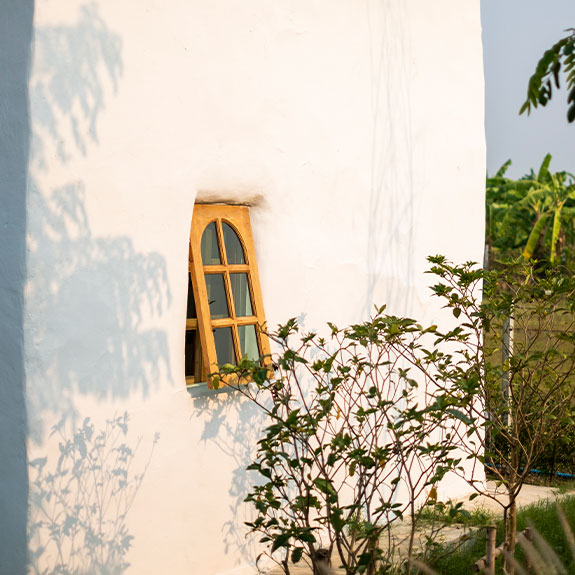
Light-colored surfaces to reflect heat
When it comes to protecting your home from the sun, one of the simplest and most effective strategies is to use light-colored surfaces.
Painting the exterior and interior of your home in light colors such as white, cream, or ochre can significantly affect heat absorption.
These colors are known for their ability to reflect the sun’s rays, lowering the overall temperature in and around your home.
This technique is not only cost-effective, but it also enhances the aesthetic appeal of your property while helping to create a cooler, more comfortable indoor environment.
By applying this simple approach, you can make a significant difference in how your home interacts with the sun’s heat.
The cool, refreshing atmosphere created by using light-colored surfaces can have a positive effect on your home’s overall livability and energy efficiency, especially during the sweltering summer months.
This practical and simple solution is an excellent starting point for anyone who wants to make a significant difference in protecting their home from the sun’s heat.
Whether you’re building a new home or thinking about renovating your current living space, incorporating light-colored surfaces is a valuable and timeless tip that can benefit a wide range of homeowners.
Its timeless appeal and practicality make it an essential choice for actively protecting your home from excessive heat and creating a more pleasant and welcoming living environment.
Window Shading Systems
Installing effective shading systems for your windows is another crucial step in protecting your home from the sun’s intense heat.
Installing window shading solutions, such as awnings, blinds, or shutters, provides a practical way to block direct sunlight from entering your home.
These physical barriers act as a shield, preventing the sun’s heat from overheating the interior of your home and helping to create a cooler, more comfortable environment.
Blinds and shutters, in particular, offer a versatile and customizable way to control the amount of sunlight and heat that enters your home.
By strategically placing these shading devices, you can effectively control the indoor temperature and create a relaxing, cool environment, even during the summer.
In addition, certain types of blinds are designed with heat-reflective properties, which enhance their ability to minimize the heat and glare caused by direct sunlight.
This level of control and flexibility makes window shading systems an indispensable asset in the ongoing effort to keep the home comfortably cool and cozy.
Awning and Blind Options
When considering solutions for shading windows, homeowners have a range of options to choose from, each with its own advantages.
Awnings, for example, are an excellent choice for the areas outside your windows, as they provide immediate shade and reduce the impact of the sun’s heat both outside and inside your home.
In addition, blinds and shutters offer a practical and versatile solution for both indoor and outdoor use, allowing homeowners to precisely and easily control the amount of sunlight and heat entering their homes.
By exploring the wide range of awnings and blinds available, you can find a solution that meets your practical needs and complements the style of your home.
Whether you choose the classic elegance of outdoor awnings or the modern functionality of outdoor or indoor roller shades, installing these shading options can have a transformative effect on the comfort and energy efficiency of your home.
The strategic use of awnings and blinds offers a proactive and dynamic approach to creating a more comfortable and energy-efficient living space, effectively mitigating the impact of the sun’s heat inside your home.
Heat-reflective designs
Another important consideration when selecting window shading solutions is the inclusion of heat-reflective designs.
Certain types of blinds are specifically designed to reflect the sun’s heat away from your home, minimizing the amount of heat that enters the interior.
These heat-reflective designs are essential for creating a cooler indoor environment, especially during peak hours of direct sunlight.
By investing in window shading solutions with heat-reflective properties, homeowners can further improve their ability to regulate indoor temperatures and reduce their reliance on cooling systems.
This not only promotes a more sustainable and energy-efficient approach to home cooling, but also helps reduce energy bills in the long run.
The dual benefit of enhancing comfort and reducing energy consumption makes the incorporation of heat-reflective designs a strategic and forward-thinking choice for homeowners seeking to protect their homes from the sun’s heat.
Outdoor shade nets
In addition to window shading options, installing outdoor shade screens is a practical and effective way to extend sun protection to outdoor areas such as patios, balconies, and gardens.
Outdoor shade nets are designed to provide a versatile and durable solution for creating instant shade and reducing the impact of direct sunlight on your home’s outdoor spaces.
This, in turn, helps create a more comfortable and pleasant outdoor environment, allowing you to make the most of your outdoor living spaces, even on the hottest days.
One of the main advantages of outdoor shade screens is their ability to allow air to circulate while effectively blocking a significant percentage of the sun’s harmful UV rays.
This dual functionality not only creates a cooler, more pleasant outdoor space, but also helps protect the furniture and decor in these areas from the harmful effects of ultraviolet radiation.
The ease of installation and maintenance, combined with significant benefits in terms of sun protection and temperature regulation, make outdoor shade netting an essential addition to any home’s outdoor living spaces.
Block UV rays
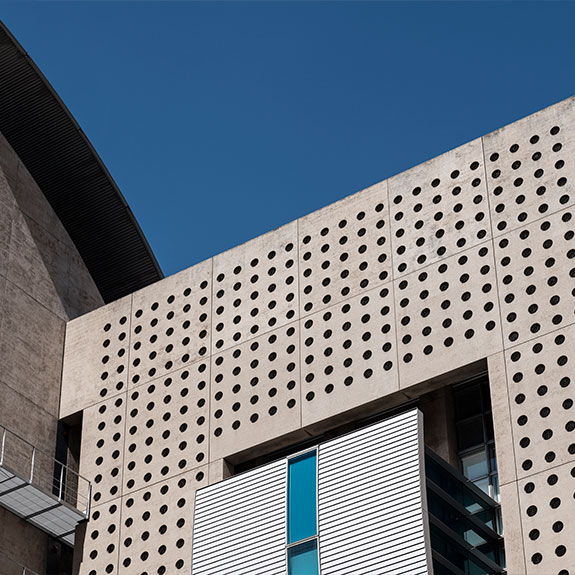
When it comes to protecting your outdoor spaces from the harmful effects of UV radiation, outdoor shade netting is a great and reliable solution.
These specialized mesh fabrics are designed to block a significant percentage of harmful UV rays, providing a protective barrier that helps reduce potential skin damage and the risk of heat-related discomfort.
By taking advantage of the benefits of outdoor shade netting, homeowners can create outdoor environments that prioritize not only comfort and enjoyment, but also the health and well-being of the people who use these spaces.
In addition, the ability of outdoor shade netting to effectively block UV rays also helps preserve outdoor furniture, decor, and landscaping by reducing the risk of fading, overheating, or damage caused by prolonged exposure to intense sunlight.
This gives outdoor living spaces a sense of durability and lasting appeal, allowing homeowners to maintain the aesthetic and quality of their outdoor spaces over time.
Thanks to its ability to provide vital protection against UV rays and help extend the life of outdoor investments, outdoor shade netting has emerged as a key, high-impact solution in a holistic approach to sun protection for your home.
Cooling patios and balconies
Outdoor areas, such as patios and balconies, can be particularly vulnerable to direct, intense sunlight, especially during the hottest part of the day.
However, installing outdoor shade screens is a proactive and effective way to create a cooler, more comfortable environment in these outdoor spaces.
By providing reliable protection from the scorching heat of direct sunlight, outdoor shade netting makes it easy to create comfortable, inviting outdoor spaces that are perfect for relaxation and leisure, regardless of the weather conditions.
In addition, the temperature-regulating effect of outdoor shade netting can reduce reliance on cooling systems and conserve energy, aligning with a more sustainable and resource-efficient approach to home cooling.In addition, the temperature-regulating effect of outdoor shade netting can reduce reliance on cooling systems and conserve energy, aligning with a more sustainable and resource-efficient approach to home cooling.
The ability to maintain a pleasant and comfortable outdoor environment, even on scorching days, underscores the importance of outdoor shade screens in a comprehensive strategy to protect your home from the sun’s heat and create outdoor living spaces that provide ongoing enjoyment and comfort.
Consider the orientation of the house
When looking to insulate your home against the sun’s heat, it is essential to consider the impact of your home’s orientation and the strategic measures you can take to mitigate the effects of solar radiation.
The orientation of your home plays a key role in determining the sun’s natural path and, consequently, the amount of direct sunlight that different areas of the house receive.
If you have a nuanced understanding of your home’s orientation and implement specific sun-shading measures, you can create a harmonious and well-balanced living environment that is in tune with the natural rhythms of light and shadow.
In west-facing homes, the late-afternoon sun can have a particularly strong and heating effect on indoor spaces.
In these cases, strategically installing exterior shading elements, such as awnings or pergolas, on west-facing windows can be an effective way to reduce solar heat gain and moderate indoor temperatures during the afternoon hours.
By providing protection from the intense, direct afternoon sun, homeowners can mitigate the heat and create a more comfortable indoor environment, promoting the well-being and relaxation of the residents.
In addition, the use of strategically placed exterior shading devices not only protects the interior from direct sunlight, but also helps create inviting and well-protected outdoor living spaces.
By optimizing the outdoor areas of your home to provide ample shade and relief from the afternoon sun, you can create an inviting outdoor living space that’s perfect for leisure activities and relaxation, thereby expanding your usable living space and improving your overall quality of life.

West-facing houses
For homes that face predominantly west, it is crucial to take a proactive and customized approach to sun protection.
Implementing specific measures, such as installing awnings or pergolas on west-facing windows, can help shield against the intense afternoon sun, effectively reducing heat gain inside and creating a more comfortable and temperate living environment.
By adapting the exterior of your home to the specific challenges posed by a west-facing orientation, you can create an outdoor living space that harmonizes with the sun’s natural movement and prioritizes the creation of a cool, inviting sanctuary.
In addition, creating well-protected, shaded outdoor spaces along the west-facing facade of the house not only helps mitigate solar heat gain but also provides a setting for enjoying leisure and relaxation outdoors, free from the burden of extreme heat.
By optimizing the use of your outdoor spaces and integrating them with measures to protect against the western sun, you can embrace a lifestyle that allows you to enjoy the beauty of the outdoors while remaining comfortably sheltered from the potential discomfort of intense sunlight.
This personalized and customized approach to sun protection gives homeowners the means to enjoy their outdoor living spaces with ease and pleasure, regardless of the weather conditions.
Use pergolas and awnings
The strategic use of pergolas and awnings is a versatile and effective way to improve sun protection for your home, especially in specific areas that are vulnerable to direct sunlight.
Pergolas, often adorned with natural foliage or fabric canopies, offer a sophisticated and versatile way to create shaded outdoor areas that are well protected from the sun’s heat.
Their customizable design and ability to control sunlight allow homeowners to create outdoor living spaces tailored to their preferences and protected from excessive heat, glare, or UV exposure.
In addition, awnings offer a practical and functional solution for providing immediate shade and reducing solar heat gain around the house.
These extended decks, available in a wide variety of styles and configurations, allow homeowners to optimize their outdoor living areas and indoor spaces, making it easier to create a balanced and well-protected living environment.
Whether used on windows, doors, or patios, awnings play a crucial role in enhancing both the architectural and functional aspects of sun protection, helping to maintain a cool and inviting atmosphere in and around your home, even in the face of the relentless summer heat.
Ensure proper ventilation
In the quest to create a home environment that is impervious to the scorching heat of the sun, it is essential to emphasize the importance of ensuring adequate ventilation as a fundamental aspect of holistic indoor climate control.
Proper ventilation is essential for promoting air circulation, dissipating trapped heat, and facilitating the exchange of fresh air inside your home.
By maintaining an effective and continuous ventilation system, homeowners can enhance the livability and overall comfort of their living spaces, creating an environment conducive to relaxation, well-being, and rejuvenation.
Strategic, purposeful ventilation—especially during the cooler parts of the day, such as early morning and late afternoon—facilitates the rapid dissipation of heat and promotes a pleasant, refreshing indoor environment.
This practice is particularly relevant in hot and humid climates, where the early morning and late afternoon hours offer a natural respite from the stifling heat, providing an opportunity to bring fresh, invigorating air into the home.
By taking advantage of these natural cycles of temperature and airflow, homeowners can establish a dynamic and responsive climate control system that is in tune with the external environment, fostering a sense of harmony and balance in the indoor living space.
Open the windows when it’s cool
It is essential to exercise good judgment and make strategic decisions regarding the timing and approach to ventilation, especially when it comes to maintaining a cool and comfortable indoor environment.
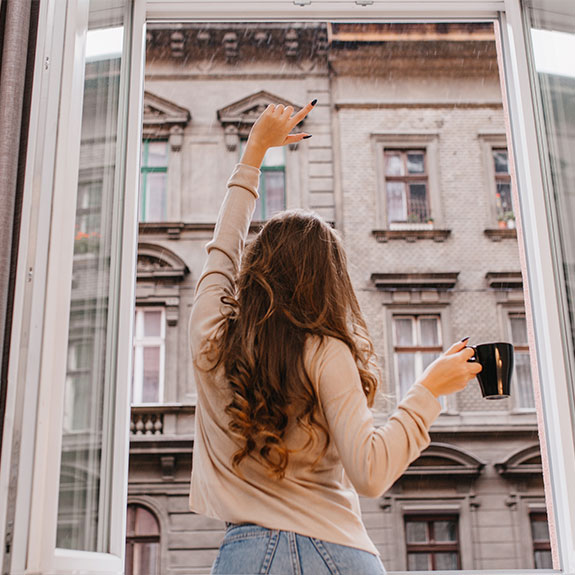
During the cooler hours of the day, opening the windows to let in fresh air from outside can help quickly and effectively reduce indoor heat, creating a comfortable and inviting living environment.
This simple yet powerful measure highlights the symbiotic relationship between the external environment and indoor living spaces, harnessing the cool outdoor air to counteract lingering heat and create a natural, refreshing airflow.
However, it is advisable to exercise caution and avoid opening windows when the outside temperature is higher than the temperature inside.
This thoughtful approach to ventilation ensures that the interior of the home is shielded from the intensifying effects of the outside heat, maintaining a consistent and refreshing indoor environment that promotes rest, relaxation, and rejuvenation.
By practicing mindfulness and strategic foresight in managing the flow of indoor and outdoor air, homeowners can create an adaptive and responsive ventilation system that aligns with the dynamic and fluctuating nature of outdoor weather conditions, shielding indoor living spaces from the potentially stifling heat of the outdoor environment.
How can I keep my house from getting too hot in the summer?
To prevent your home from getting too hot in the summer, it’s a good idea to use light colors on the exterior walls, install awnings or blinds, improve ventilation, and add outdoor shading systems such as pergolas or shade screens.
What colors help reduce heat in a home?
Light colors such as white, beige, cream, or light gray reflect sunlight better and reduce heat absorption. This helps keep the interior of the home cooler and more comfortable.
Which window shading systems are most effective?
The most effective systems are:
-Exterior awnings
-Thermal blinds
-Shutters
-Reflective shades
These elements block direct sunlight and improve a home’s energy efficiency.
Do pergolas help protect the house from the sun?
Yes. Pergolas provide shade for patios, courtyards, and windows, reducing direct heat gain. They also improve outdoor comfort and help lower the temperature inside the home.
When is the best time to ventilate the house in the summer?
Ideally, you should open the windows during the coolest parts of the day, such as early in the morning and in the evening. This helps circulate fresh air without raising the indoor temperature.