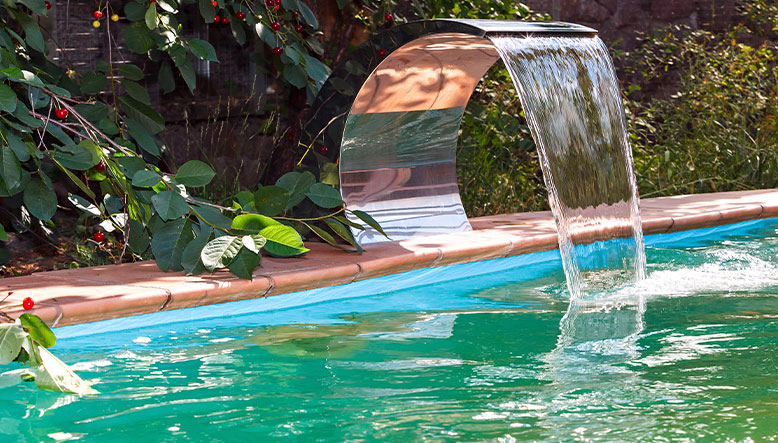
Summer can bring high temperatures that can make your pool water uncomfortably hot.
Fortunately, there are several strategies you can use to cool the water and ensure a pleasant swimming experience.
One effective method is to increase water circulation by installing fountains or waterfalls, which expose the water to the air and promote evaporation.
You can also consider using pool chillers or cooling systems specifically designed to lower the water temperature.
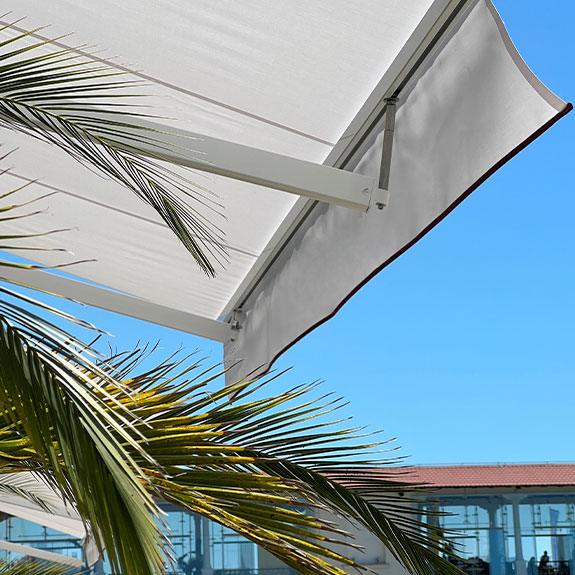
Another option is to provide shade around the pool using awnings or strategically placed trees.
In addition, using solar covers at night can help regulate the water temperature.
Avoid ineffective methods, such as adding large amounts of ice, and instead opt for circulation and shading techniques, as well as efficient systems like heat pumps.
Keep reading to learn more about these methods for keeping your pool water cool during the summer.

Increases water circulation
When it comes to cooling down overheated pool water, one of the most effective strategies is to increase water circulation.
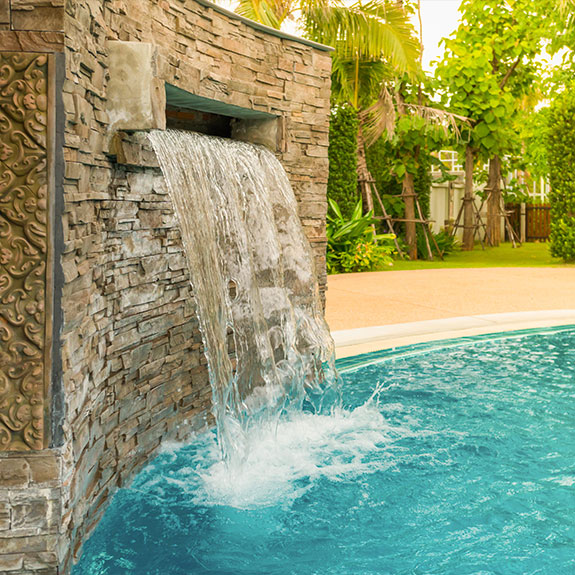
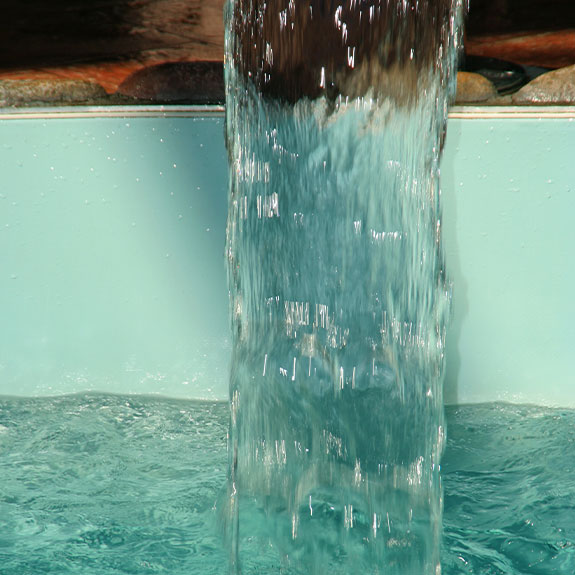
This can be achieved by using various techniques that promote water movement, such as installing water features like fountains or waterfalls.
These features not only enhance the pool’s visual appeal, but also contribute to a natural cooling process by promoting evaporation and facilitating the dissipation of heat from the water.
By agitating the water and exposing its surface to the air, heat can be gradually released, causing a noticeable drop in the overall temperature of the pool water.
Another way to improve water circulation is by using aeration techniques, which can be particularly effective during the cooler hours of the day.
The strategic placement of aerators, jet streams, or even simple aquatic features such as misters can create constant water movement, resulting in a more uniform temperature distribution and a gentle cooling effect.
This approach is particularly beneficial at night, when the air temperature is naturally lower and the potential for heat exchange is greatest.
It should be noted that, in addition to the immediate cooling effect, increased water circulation also plays a crucial role in maintaining the overall quality of the pool water.
By promoting an even distribution of chemicals and preventing them from stagnating, proper circulation helps create a more balanced and hygienic aquatic environment.
Use pool chillers
To cool pool water in a more targeted and precise manner, using pool chillers or heat pumps designed for cooling can be a very effective solution.
These advanced systems are specifically designed to extract heat from the pool water—even when outdoor temperatures are high—and release it into the cooler ambient air.
This heat exchange process, which is a fundamental operating principle of these cooling systems, enables the continuous circulation and cooling of water, ultimately leading to a significant and sustained reduction in water temperature.
Reversible heat pumps, in particular, offer the advantage of not only cooling the water but also heating it when necessary, providing a year-round temperature control solution for the pool.
By setting the pump to operate in cooling mode, the system can actively lower the water temperature to the desired level, ensuring a consistently pleasant bathing experience, even during the hottest months.
In addition, the energy-efficient operation of these heat pumps, compared to traditional cooling methods, makes them an attractive, practical, and cost-effective option for keeping pool water at the perfect temperature.
It is important to note that the installation of pool chillers or heat pumps requires professional guidance and installation to ensure optimal performance and integration with the existing pool system.
Consulting with pool experts or specialized technicians can provide valuable insights and assistance in selecting the most suitable and efficient cooling system for your specific pool.
Provides shade
Providing adequate shade around the pool area is a natural and proactive way to prevent the pool water from overheating.
By strategically placing structures such as pergolas, awnings, and large umbrellas—or even incorporating natural elements like lush vegetation—you can minimize the pool’s direct exposure to the sun’s intense rays.
This not only helps create a more comfortable and welcoming environment for pool users, but also helps maintain a lower and more stable water temperature, especially during midday hours, when the sun’s rays are strongest.
The use of retractable or adjustable shading solutions also allows for greater flexibility and control when adjusting the amount of sunlight that reaches the pool area, catering to users’ different preferences and comfort levels.
Using a combination of fixed and movable shade elements can create the perfect balance, providing a relaxing and cool atmosphere while still allowing you to sunbathe whenever you want.
Use awnings and pergolas
Incorporating elements such as awnings and pergolas not only adds a touch of elegance and charm to the outdoor space, but also serves a practical purpose in regulating the temperature.
By providing shade and protection from direct sunlight, these structures help create a more comfortable and pleasant environment for relaxation and poolside activities.
In addition, the shaded, controlled areas they create help prevent localized overheating of the pool water, resulting in a more uniform and balanced temperature throughout the pool area.
Flexible and adjustable awnings and pergolas further enhance the adaptability of shaded spaces, allowing them to be customized and optimized based on the sun’s position and specific heat mitigation requirements.
With a combination of open and covered sections, these structures allow pool owners to design their outdoor space to maximize comfort and minimize the potential for heat buildup, creating a pleasant and enjoyable poolside experience.
Plant trees strategically
Strategically planting trees around the pool area is a timeless and sustainable way to take advantage of their natural cooling effect and create a harmonious and inviting outdoor space.
By thoughtfully placing trees to provide dappled shade and wind protection, you can significantly reduce the direct and relentless impact of the sun’s rays on the pool and its surroundings, resulting in a more stable and moderate water temperature.
In addition, the presence of trees not only helps cool the immediate surroundings but also contributes to improving overall air quality and creating a serene and lush environment for leisure and enjoyment by the pool.
Choosing fast-growing tree varieties that are strategically placed and have broad, cooling canopies can provide immediate and substantial benefits in terms of reducing heat and providing shade.
In addition, the smart use of evergreen trees can provide shelter and protection year-round, creating a pleasant and temperate atmosphere around the pool regardless of the season, and serving as a natural and eco-friendly solution for maintaining a cool and inviting pool environment.
Use Solar Covers
Using solar pool covers at night is a proactive and effective way to keep the pool water at a cool, comfortable temperature.
The insulating properties of solar covers help minimize heat absorption at night, which can help maintain the desired water temperature and reduce the overall heating effect caused by the environment.
In addition, the use of these covers helps reduce water evaporation, which further underscores their importance in maintaining the quality and temperature of the pool water.
By effectively acting as a barrier between the pool water and the cooler nighttime air, solar covers help minimize heat loss caused by evaporation and radiation, ultimately preserving the water’s thermal balance and coolness.
This not only improves the bathing experience—especially in the early morning and evening hours—but also helps save energy by reducing the need for additional heating or cooling.
Avoid adding ice
Although the idea of adding ice to the pool water may seem like a practical and immediate solution for cooling it down, it is, in fact, an ineffective and impractical method.
Not only does the need for ice on a large scale make this method impractical and costly, but introducing a substantial amount of ice is detrimental to the environmental and natural balance of the water.
In addition, the melting of ice and its subsequent addition to the pool’s water volume can cause an imbalance in the water’s chemical composition, potentially leading to adverse effects on water quality and the effectiveness of the pool’s sanitation and treatment systems.
A more sustainable and efficient approach to cooling pool water is to adopt the natural, technological, and practical methods mentioned above, which contribute to a controlled, gradual, and effective reduction in water temperature, ensuring a consistently pleasant and refreshing swimming experience for everyone.
By incorporating a combination of features—such as increased water circulation, water features, strategic shading, and advanced cooling systems—while prioritizing environmental and operational considerations, pool owners can create a harmonious and inviting aquatic environment, perfect for the hottest days.
Effective Methods for Keeping Water Fresh
Maintaining a consistently cool and inviting temperature for your pool water is essential for a pleasant and revitalizing swimming experience, and there are several effective methods for achieving this.
Increasing water circulation—whether through the use of pumps or water features—plays a crucial role in creating a cooling effect, especially when combined with the strategic use of aeration and shading elements.
In addition to these natural and environmental approaches, the use of advanced cooling systems, such as pool chillers and heat pumps, provides a precise and targeted method of controlling water temperature, ensuring a consistently refreshing and pleasant swimming environment, regardless of outdoor weather conditions.
In addition, careful management of environmental factors—such as the strategic placement of shade and the use of solar covers—helps preserve and maintain the desired water temperature, in line with the principles of sustainability and long-term efficiency.
By adopting a holistic and comprehensive approach to water temperature control, pool owners can create a harmonious and consistently pleasant aquatic environment tailored to their comfort and enjoyment, while minimizing the environmental impact and operating costs associated with temperature regulation.
In short, the combination of practical, natural, and technological methods provides a versatile and adaptable framework for maintaining the water at an ideal, comfortable temperature, ensuring a truly refreshing and enjoyable bathing experience, regardless of the heat or prevailing environmental conditions.
Install fountains or waterfalls
The installation of visually appealing features, such as fountains or waterfalls, offers the dual benefit of enhancing aesthetics and providing practical water cooling.
Taking advantage of the natural, energizing effect of moving water, these features not only add a touch of luxury and charm to the pool area, but also help increase water circulation and cooling.
The dynamic, misty movement of the water creates a charming and refreshing atmosphere, offering an oasis of coolness during hot summer days, while helping to maintain a pleasantly cool water temperature, enhancing the overall poolside experience for everyone seeking relaxation and rejuvenation in this enchanting aquatic setting.
In addition, installing these visually striking elements provides an opportunity for personalized and artistic expression, allowing for the creation of a diverse and captivating aquatic landscape that blends seamlessly with the natural surroundings.
Whether it’s a simple, elegant cascading fountain or a more dramatic, sculptural water feature, the addition of these elements not only serves to cool the water but also creates a captivating, immersive environment that resonates with the essence of a tropical-inspired luxury retreat, providing a haven of freshness, tranquility, and visual splendor.
Conclusion
In conclusion, there are several effective ways to cool down hot pool water.
Increasing circulation by using fountains or waterfalls, installing pool coolers, providing shade, and using solar covers at night can help regulate the temperature.
It is important to avoid ineffective methods, such as adding large amounts of ice, and to opt instead for more environmentally friendly solutions.
The use of nighttime aeration through fountains or waterfalls, as well as reversible heat pumps, can also significantly lower the pool water temperature.
With these techniques, you can enjoy a comfortable and refreshing pool experience even on the hottest days.
Why is it helpful to install fountains or waterfalls to cool the pool?
These elements increase circulation and expose the moving water to the air, which promotes evaporation and helps dissipate accumulated heat naturally and effectively.
How do reversible heat pumps or chillers work?
These systems are specifically designed to extract heat from the pool water and release it into the ambient air. They allow you to actively and precisely lower the temperature, even on the hottest days.
How does installing shades help?
Strategically placing pergolas, awnings, or planting trees blocks direct exposure to the sun’s rays during the hours of greatest intensity, thereby preventing the water from overheating.
Does it make sense to use a sunshade at night?
Yes, using a solar cover at night acts as an insulating barrier that helps minimize the absorption of ambient heat and reduces evaporation, keeping the water cool for the next day.
Why is it a bad idea to put ice in the pool to cool it down?
It is an expensive and completely ineffective method because of the enormous amount that would be needed. Furthermore, as it melts, it alters the volume and chemical balance of the water, impairing filtration and sanitation systems.