If you’ve ever needed to restore a surface, clean facades or prepare something for a new coat of paint, you’ve probably considered using sandblasting. This technique, also known as shot blasting, is decisive in certain tasks because of its ability to prepare the surfaces to which you want to apply a subsequent treatment. However, not just any sand can be used to carry out this process. In this post of ParaTuReforma we explain the requirements that sandblasting sand must meet and how to apply it to achieve quality results.

What is sandblasting sand
This sand is a special type of abrasive made up of very fine, dry quartz grains. This material is hard and durable, making it ideal for sandblasting. It is typically used to clean surfaces covered with rust or paint, such as walls with graffiti or those that are to be repainted and require the removal of old paint. It is also used to restore facades made of stone, brick, and other building materials that have been damaged for any reason.
What is shot blasting?
Sandblasting is a technique in which silica sand is propelled at high speed. This is done using specialized equipment, such as a blasting gun connected to a compressor. The pressure at which the sand is expelled, combined with its high hardness and size, causes the surface layers to detach from the material to which they are attached, leaving the metal or stone free of any residue. Once the work is complete, the surface is ready for a finish, such as varnish or paint, or simply to be left as is, if that is the goal.
This technique is aggressive and fast. Therefore, it must be done with care. Protective gloves and goggles must be worn to prevent the sandblasting sand from causing any damage. This technique is also common for maintenance work in hard-to-reach areas, such as recesses and corners where dirt accumulates and where it is difficult to reach by conventional methods.
Types of blasting sand
There are several types of sand for blasting, each with different characteristics. The most commonly used is silica sand, since it is hard enough to remove dirt, paint or rust, among other compounds, and soft enough to maintain the integrity of the surface to be cleaned.
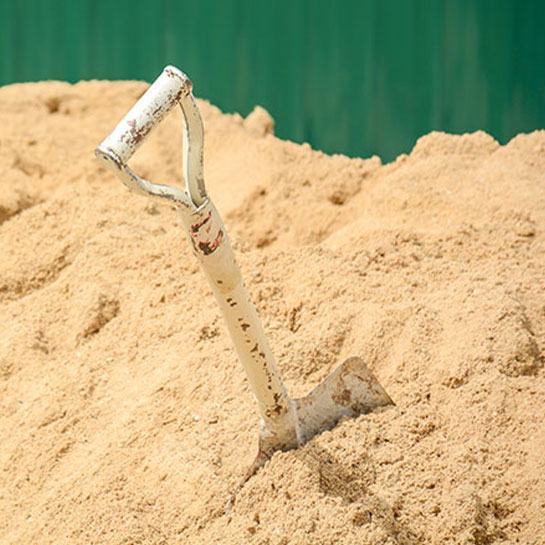
Sand blasting sand requirements and characteristics
For the blasting process to be effective and safe, it is imperative that you choose an appropriate blasting sand. To do this, it must meet several basic requirements. Let’s take a look at the most important ones.
Sand blasting sand grain size
Depending on the type of surface and the work you want to do, the grit can be finer or coarser. The finer sand is ideal for delicate tasks and sensitive surfaces, while the coarser sand is indicated to dispense with more resistant materials. From ParaTuReforma we recommend that you select the sandblasting sand with the appropriate thickness for the type of cleaning you want to do.
Grit size also influences the surface texture after blasting. A finer grit provides a smoother finish, ideal for applications where aesthetics are important, such as metal doors that you are repainting. Coarser grits create a slightly rougher surface, suitable for cases where you claim a stronger adhesion from coatings or paints.
Material purity
The blasting media should be as free as possible from contaminants. If it contains a lot of dust, clay or other materials, its effectiveness is reduced and it generates a lot of particles in suspension during the blasting process. This is not only annoying, but also dangerous. Use the purest sand possible for effective and safe cleaning.
Hardness and durability
Choosing the right grit size allows you to remove debris effectively without worrying that it will wear out too quickly. It’s also important for the grit to have a long service life to reduce costs associated with unnecessary maintenance.
Safety and regulation
The use of sandblasting sand must comply with health and safety regulations in order to inhibit hazards such as silicosis, a lung disease caused by the recurrent inhalation of silica particles. You must also use the appropriate protective equipment so as not to compromise your safety in the blasting process.
Advantages of sand blasting
Compared to other methods, the use of sandblasting has several benefits in the cleaning and preparation of surfaces. One of the most outstanding is its efficiency and speed, since you can clean large areas in a short period of time and with consistent results. You will get a thorough cleaning that will enhance the adhesion of newly applied paints or new coatings.
At the same time, it is a versatile method, because you can use it on a multitude of materials, from natural stone and brick to metal parts with paint or varnish coatings. And because it is a very effective system, it is more economical in the long run, which is always interesting. The blasting process can be adjusted to suit your specific needs. Simply control variables such as pressure or grit thickness to achieve quality results on every job.
Choose a quality product
If you want to clean and prepare surfaces with optimum results, follow the tips we have provided here and choose blasting sand of the highest purity. By putting this information into practice, you will be able to choose the right type for your specific needs. In our store you will discover different thicknesses of blasting sand at the best price and with fast delivery. Take a look at our online catalog and get what you need to carry out your projects with maximum efficiency.
What is blasting grit, and what is it used for?
Blasting sand is an abrasive used in the shot blasting process to clean, strip, or prepare surfaces. It is used to remove rust, paint, graffiti, or dirt from materials such as metal, stone, or brick before applying a new coating.
What is the best grain size for blasting sand?
It depends on the job at hand.
-Fine grit: ideal for delicate surfaces and aesthetic finishes.
-Coarse grit: recommended for removing rust or stubborn paint and achieving better adhesion.
Choosing the right grit ensures effective results and prevents damage to the surface.
Why is the purity of blasting sand important?
High-purity blasting media improves process efficiency and reduces the generation of airborne dust. The presence of clay or impurities reduces performance and can pose health and safety risks in the workplace.
Is silica sand dangerous for shot blasting?
It can be if safety measures are not followed. Prolonged inhalation of silica particles can cause silicosis. That is why it is essential to comply with current regulations and use appropriate protective equipment, such as masks, goggles, and gloves.
What are the advantages of sandblasting compared to other methods?
Sandblasting is known for its speed, effectiveness, and versatility. It allows for the cleaning of large surfaces in a short amount of time, improves the adhesion of paints and coatings, and can be adapted to different materials and levels of abrasion, making it cost-effective in the long run.