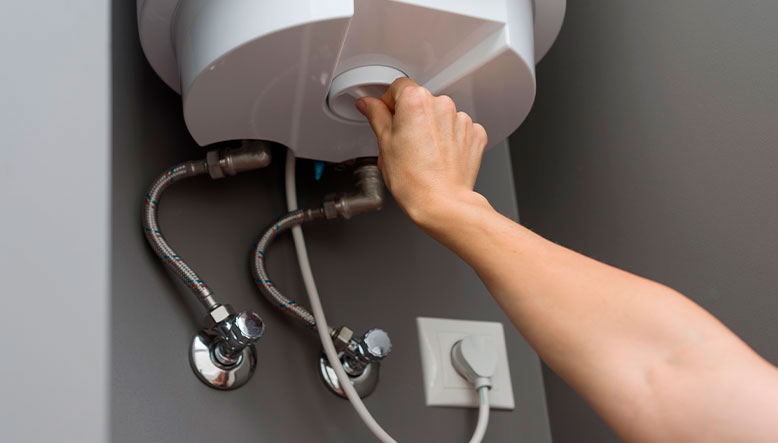
When planning a vacation, it’s important to consider ways to save energy and reduce costs while you’re away from home.
One question that may come up is whether you should turn off your electric water heater while you’re on vacation. The answer depends on how long you’ll be away and the type of water heater you have.
Let’s look at the options for short and long vacations. For extended periods of absence, it is recommended that you turn off the water heater.
This can save you up to 10 euros a month on your electricity bill. However, for short absences—such as a weekend or a few days—turning off the water heater may not be the most effective option.
In this case, using a timer or investing in a smart water heater might be a better solution.
If you consider your energy usage and the type of absence, you’ll be able to make a more informed decision about whether to turn off your electric water heater while you’re on vacation.

Length of absence and type of heater
When considering whether to turn off your electric water heater while you’re on vacation as a way to save energy, it’s important to take into account the length of your absence and the type of electric water heater you have.
These factors will play a crucial role in determining the most efficient and practical approach to managing the water heater and avoiding unnecessary energy consumption and additional costs on the electricity bill.
Every household is different, and the decision should be tailored to individual circumstances, such as the duration of the trip, the specific features of the electric water heater, and the potential savings on energy costs.
For long absences—lasting several weeks or months—the situation is different than for short trips. When the absence is prolonged, it’s generally better to turn off the electric water heater.
This is because leaving it on for a long period of time without using it can result in significant energy costs, with an estimated expense of between 7 and 10 euros per month, depending on the size and energy efficiency of the water heater.
In addition, when the water returns, the process of reheating it to the desired temperature can consume a considerable amount of energy and time, as it may take several hours to reach the required temperature.
Taking all these factors into account, turning off the electric water heater during a prolonged absence is usually the best course of action.
Extended periods
When you plan to be away for an extended period—such as several weeks—it is advisable to turn off the electric water heater to avoid unnecessary energy consumption.
Keeping the water heater running during this time can result in a considerable and avoidable expense on your electricity bill, since it can cost between 7 and 10 euros a month to maintain the water at the set temperature.
In addition, it is important to keep in mind that the process of reheating the water after turning the water heater back on can take a long time and consume a lot of energy.
If you turn off your electric water heater during a long absence, you can optimize energy use and avoid the associated costs.
It’s worth noting that when you return, you’ll need to factor in the time it takes to bring the water to the desired temperature.
This delay can be inconvenient and may result in a temporary lack of hot water in the home.
However, the potential energy and cost savings from turning off the electric water heater during a prolonged absence usually outweigh the temporary inconvenience of having to wait for the water to heat up again.
Short Absences
On the other hand, the decision regarding short-term absences—such as a weekend getaway or a few days away—differs in terms of efficiency and cost savings.
In these cases, it may be best to keep the electric water heater running rather than turning it off.
This is because the process of heating water from a cold state to the required temperature typically requires an amount of energy similar to, if not greater than, that needed to maintain the water at a constant, warm temperature.
Therefore, the potential energy and cost savings from turning off the electric water heater during brief periods of absence might be minimal compared to the energy required to heat the water from a complete shutdown.
In these situations, it may be more beneficial to use a timer or another alternative method to manage the water heater’s heating cycles, keeping it operational during brief absences.
Weekends or a few days
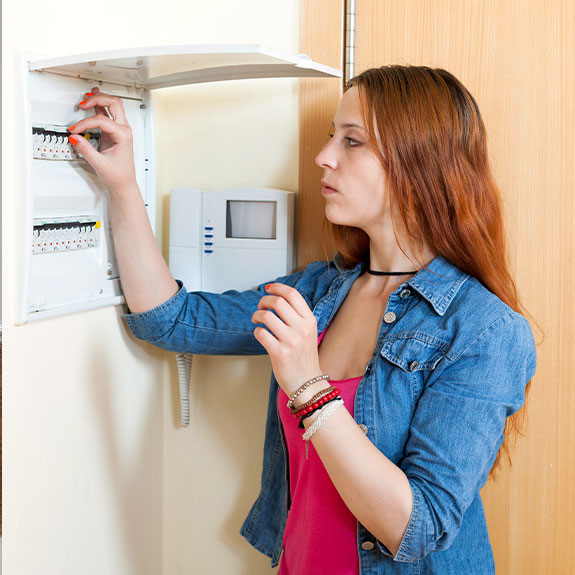
For short absences, such as weekends or a few days, using a timer to regulate the heating cycles of an electric water heater can be an effective and efficient approach.
By setting the timer to coincide with the times when hot water is typically used in the home—such as in the morning and at night—you can have the water heater run only during those specific times.
This not only ensures that hot water is available when needed, but also minimizes energy waste by avoiding continuous heating throughout the day.
In addition, implementing this controlled operation using a timer can help optimize energy use and potentially reduce electricity costs in the long term.
Energy Use
One of the key factors to consider when deciding whether or not to turn off the electric water heater while on vacation should be an assessment of energy usage and the associated costs.
It is essential to recognize that the process of heating water—whether starting from a completely cold state or maintaining a constant, warm temperature—requires a substantial amount of energy.
This accounts for a significant portion of a household’s electricity consumption, which can have a notable impact on monthly utility bills.
Therefore, understanding the energy consumption implications associated with operating or temporarily turning off an electric water heater is essential to making an informed decision that takes practical and economic factors into account.
Heating Water from Scratch
If you turn off the electric water heater and then turn it back on to heat the water from a completely cold state, it is important to realize that this process can consume a lot of energy.
The initial energy required to raise the water’s temperature from ambient to the set level may be comparable to or even greater than the energy needed to maintain the water at a constant, warm temperature.
Consequently, the decision to turn off the electric water heater and then turn it back on should be carefully evaluated in light of the potential impact on energy consumption and costs.
These considerations highlight the importance of analyzing specific energy usage patterns and costs to determine the most efficient and cost-effective approach to managing the electric water heater in line with the household’s needs.
Use a timer
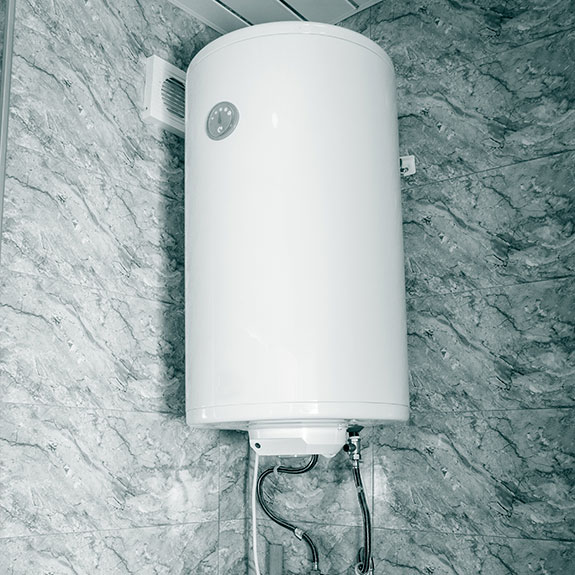
As an alternative to manually controlling an electric water heater, using a timer to manage heating cycles offers an opportunity to optimize energy use and minimize unnecessary consumption.
By setting the timer so that the water heater operates only during specific periods that align with the household’s hot water usage, energy waste can be significantly reduced.
This controlled approach to operating an electric water heater through the strategic use of a timer not only promotes efficient energy use but also ensures that hot water is available when needed, providing a balanced and practical solution for managing the energy consumption associated with the water heating process.
Smart Technology
The rapid advancement of smart technology in household appliances has also extended to electric water heaters, leading to the emergence of programmable and smart models that offer greater control and energy-saving capabilities.
These modern devices allow you to set precise schedules for turning the water heating function on and off, aligning its operation with occupancy patterns and the specific needs of the household.
In addition, some advanced models even offer remote control via mobile apps, giving users the convenience of managing the water heater’s settings and operation from virtually anywhere.
The integration of smart technology into electric water heaters allows users to exercise a greater degree of control over energy consumption and, ultimately, to manage their home’s hot water system more efficiently and cost-effectively.
By incorporating these advanced features, smart electric water heaters not only optimize energy use based on real-time assessments of a household’s hot water demand, but also contribute to overall energy conservation, aligning with environmentally conscious and economically sound practices.
The smooth and flexible control enabled by smart technology in electric water heaters not only represents a proactive approach to energy conservation but also underscores the dynamic evolution of household appliances toward a more sustainable and resource-efficient future.
Conclusion
In conclusion, the decision of whether or not to turn off your electric water heater while you’re on vacation to save energy depends on the length of your absence and the type of water heater you have.
For extended trips lasting several weeks or longer, it is recommended that you turn off the heater to avoid unnecessary energy consumption and costs.
However, for short absences, such as weekends or a few days, it may be more efficient to leave the heater on or use a timer.
Ultimately, investing in a smart or programmable water heater can provide the best and most convenient solution for managing energy consumption while on vacation.
Should I turn off the electric water heater if I’m going away for the weekend?
It is not recommended for short absences, such as a weekend or a few days. The energy required to heat the entire water tank from scratch when you return is greater than the energy used to keep it hot.
When is it cost-effective to turn off the water heater completely?
It’s a good idea to turn it off during extended absences lasting several weeks or months. Taking this step can result in estimated savings of between 7 and 10 euros per month on your electricity bill.
What are the drawbacks of turning off the heater during long vacations?
The main drawback is the temporary inconvenience upon your return, since the system will need several hours to reheat the water from room temperature to the desired temperature.
How can I save energy without turning off the water heater during short absences?
The most efficient solution is to use a timer. By setting it to run only during the hours when you typically need hot water, you avoid continuous use throughout the day.
What are the benefits of smart electric kettles?
These advanced models allow you to set precise usage schedules and, in many cases, offer remote control via a mobile app, making it easier to manage energy consumption in an optimal and personalized way.