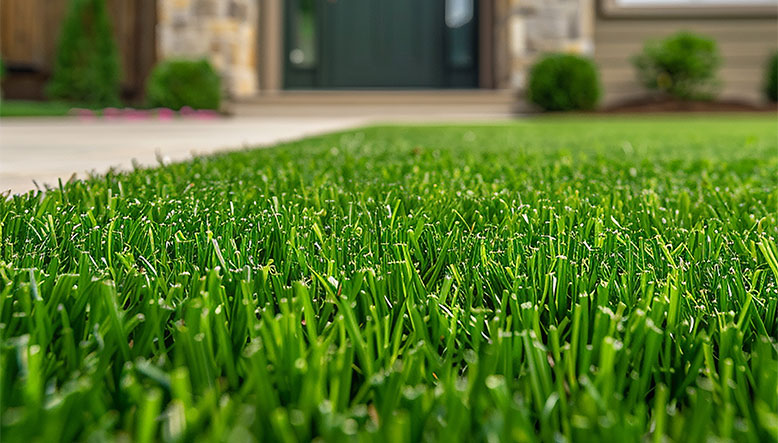
In the summer, artificial turf can get very hot, which can affect its durability and comfort.
However, by following a few simple yet effective strategies, you can protect and maintain your artificial turf during extreme heat.
Regular watering and the use of silica sand are two key measures for keeping it cool, in addition to selecting high-quality materials and avoiding direct heat sources.

Water regularly
When it comes to protecting your artificial turf from extreme heat, regular watering is a crucial part of your maintenance routine.
By watering your artificial grass regularly, you can help keep it cool and prevent excessive heat buildup.
In particularly hot and dry climates, it is even more essential to establish a regular watering schedule to prevent the lawn from overheating.
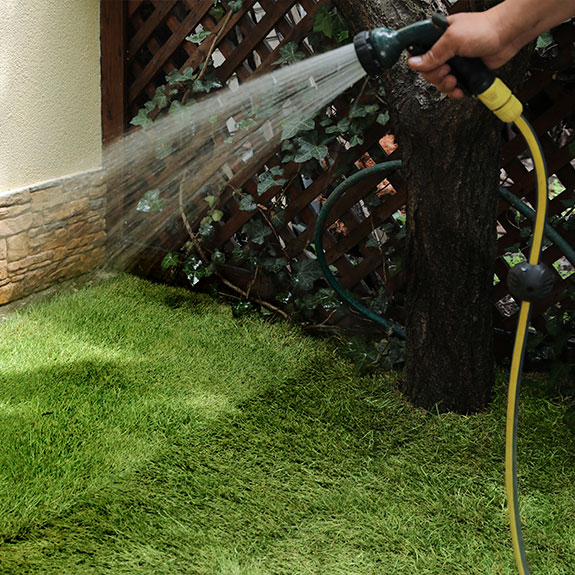
A simple and effective way to do this is to use a hose to gently spray the surface of the lawn, ensuring that the water is distributed evenly.
This not only helps lower the temperature of the artificial turf, but also extends its lifespan and keeps it looking fresh and green.
In addition to the above, it is important to note that watering artificial turf is particularly beneficial before and during periods of intense heat, as it can create a cooling effect.
This practice is especially useful when direct sunlight hits the lawn. During the hot months, a consistent and well-planned watering schedule can make a significant difference in keeping the temperature of the artificial turf at a more comfortable level, ultimately improving its usability and comfort for outdoor activities.
In addition, using a high-quality irrigation system can make the regular watering process more efficient and effective.
Consider installing a suitable irrigation system that is compatible with your artificial turf and the size of your space.
This will not only help conserve water, but it will also ensure that the lawn receives the right amount of moisture, contributing to its overall maintenance and protecting it from extreme heat.
Install Hats
Another important strategy for protecting your artificial turf from extreme heat is to install shade structures.
If you strategically place items such as umbrellas, pergolas, or shade sails over areas of artificial turf that are directly exposed to the sun, you can reduce the intensity of the sunlight reaching the turf.
This, in turn, can help keep the lawn at a more moderate temperature and prevent it from overheating.
In addition, using shade cloth designed to reflect and block the sun’s UV rays can further help minimize the impact of direct sunlight on artificial turf.
It is worth noting that, in addition to the above, incorporating landscape elements such as trees or tall plants with broad canopies can also contribute to the overall shade provided by the artificial turf, especially if they are positioned to provide natural shade.
By creating a shaded area for your artificial grass, you not only help keep the temperature cooler, but you also add a visually appealing element to your outdoor space, making it more comfortable and inviting, especially during the hot summer months.
Use Silica Sand
Applying a layer of silica sand to the surface of your artificial turf can serve as an effective insulating material, helping to prevent heat buildup and maintain lower, more stable temperatures.
Silica sand also has the added benefit of retaining moisture from watering or rain, which can further help lower the temperature of the lawn.
When implementing this strategy, it is important to ensure an even distribution of silica sand, creating a consistent and uniform layer on the artificial turf.
In addition, using high-quality materials that are suitable for maintaining artificial turf is crucial.
In this case, silica sand not only acts as a cooling agent, but also helps maintain the overall health of the lawn, extending its lifespan and improving its resistance to the effects of extreme heat.
When choosing silica sand for your artificial turf, opt for products specifically designed for this purpose and known for their durability and performance in outdoor applications.
Avoid sources of heat
It is essential to be aware of potential sources of direct, intense heat that can negatively affect the condition of your artificial turf.
Items such as barbecues, bonfires, and even certain types of outdoor heaters can generate significant heat, which, when in close proximity to artificial turf, can cause damage.
The extreme heat from these sources can cause the fibers to melt or warp, ultimately compromising the quality and appearance of the lawn.
By strategically placing your artificial turf and ensuring a safe distance between it and any source of intense heat, you can effectively minimize the risk of heat-related damage.
This simple precaution is especially important for outdoor areas where heat-generating devices are commonly used.
In addition, taking into account the potential impact of reflective surfaces—such as certain types of outdoor furniture—can also help create a more heat-conscious environment for your artificial grass, helping to preserve its condition and extend its lifespan.
Choose high-quality grass
Choosing high-quality artificial turf that is specifically designed for heavy-duty outdoor use and features UV-resistant properties is a key step in ensuring its ability to withstand and endure extreme temperatures.
Premium-quality artificial turf is manufactured using advanced materials and processes that enhance its durability, strength, and ability to withstand the adverse effects of prolonged exposure to high temperatures.
When choosing artificial turf, look for options that are known for their exceptional heat resistance and overall performance in various weather conditions.
In addition, the inclusion of a robust and effective UV-protective treatment in the manufacturing of artificial turf is a key feature that contributes to its ability to withstand and maintain its quality under intense sunlight and high temperatures.
This specialized treatment helps prevent the grass from losing its color, becoming brittle, or suffering any significant damage as a result of exposure to UV rays.
By investing in artificial turf specifically designed to withstand extreme heat and related weather conditions, you can ensure that it not only maintains its optimal performance but also provides a comfortable and visually appealing outdoor space.
Choose light colors
When choosing artificial turf, color selection plays an important role in its ability to manage and minimize heat absorption.
Choosing artificial turf with light-colored or neutral-colored fibers can help reflect more sunlight, thereby reducing the turf’s overall heat retention.
This simple yet effective strategy can make a noticeable difference in the temperature of artificial turf, especially in sunny, warm outdoor environments, helping to make the space more comfortable and enjoyable to use.
In addition to their heat-reflective properties, light or natural-looking colors for artificial turf can also enhance the overall aesthetic appeal of the outdoor area.
These color options create a fresh, vibrant look that resembles traditional natural grass, enhancing the visual appeal of the space while also serving a practical purpose in regulating temperature.
If you choose the color of your artificial grass carefully, you can effectively combine style with functionality, creating an outdoor space that is both comfortable and visually appealing.
Follow a maintenance schedule
Implementing and following a regular and comprehensive maintenance program is essential for extending the lifespan and maintaining the optimal condition of your artificial turf, especially when it is exposed to extreme heat.
This program should cover various aspects, such as routine cleaning, brushing, and inspections, to proactively address any potential problems.
By maintaining a consistent schedule for these maintenance activities, you can effectively protect your lawn from the adverse effects of high temperatures and preserve its overall quality and performance.
In addition, incorporating professional cleaning and maintenance services, when necessary, can contribute to a more comprehensive and specialized approach to artificial turf care.
These services have the expertise and specialized tools needed to address specific maintenance requirements, such as waste removal, deep cleaning, and the revitalization of turf fibers and infill.
By supplementing your regular maintenance efforts with professional services, you can ensure that your artificial turf receives the level of care and attention it needs to withstand and recover from the effects of extreme heat, ultimately extending its lifespan and preserving its visual and functional appeal.
Brush the fibers
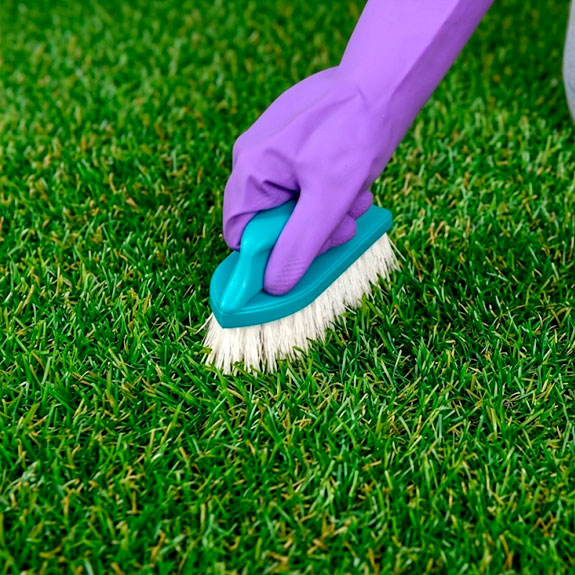
Brushing the fibers of artificial turf is a simple yet effective maintenance task that can help keep the fibers upright and improve overall airflow within the turf.
By regularly using a stiff-bristled broom or a specialized lawn brush to gently brush the fibers, you can prevent them from becoming flattened and ensure that they retain their natural appearance and texture.
This not only enhances the visual appeal of artificial turf but also helps maintain a more moderate temperature, as the improved airflow helps dissipate any accumulated heat, especially in hot climates.
In addition, brushing the grass blades helps remove any debris or dirt that may have settled on the surface, preventing the buildup of organic matter that could contribute to heat retention.
By incorporating fiber brushing into your regular maintenance routine, you not only help preserve the overall condition and appearance of your artificial turf, but you also create a more favorable environment for regulating its temperature, making it a more comfortable and sustainable option for outdoor use, especially in hot and sunny climates.
Mow the lawn
Keeping artificial turf clean is a key part of its overall maintenance, especially in extremely hot weather.
Regular and thorough cleaning helps prevent the buildup of debris, organic matter, and general waste that can contribute to heat retention and affect the appearance and hygiene of the lawn.
By using a specialized tool for cleaning artificial turf or a simple vacuum cleaner to remove loose debris, followed by a rinse with water to dislodge embedded particles, you can keep the turf clean and free of elements that might interfere with its temperature regulation and overall maintenance.
In addition to the above, promptly cleaning up any stains, spills, or pet waste is essential to maintaining the cleanliness and appearance of artificial turf.
Using mild, eco-friendly cleaning products specifically formulated for artificial turf can help effectively remove any organic or inorganic residue without damaging the turf fibers or their heat-resistant properties.
If you maintain a consistent cleaning routine and address any maintenance needs promptly, you’ll help ensure the long-term protection and optimal performance of your artificial turf, even in the face of high temperatures and heavy outdoor use.
Conclusion
The Importance of Caring for Your Lawn During the Hot Season.
In conclusion, protecting artificial turf from extreme heat is crucial to maintaining its durability and appearance.
Regular watering, installing umbrellas, and using silica sand are simple and effective ways to keep your lawn looking fresh.
It is also important to choose high-quality materials and to regularly maintain and clean the lawn to prevent damage from heat sources and extend its lifespan.
Taking these steps during the summer will ensure that your artificial turf remains in top condition for years to come.
Is it a good idea to water artificial grass in the summer?
Yes, lightly spraying the surface with a hose helps cool it down, prevents overheating, and extends the life of the fibers during the hottest months.
What are the benefits of using silica sand on artificial turf?
Silica sand acts as an effective thermal insulator. It prevents excessive heat buildup and retains moisture from irrigation or rain, helping to lower and stabilize the temperature.
How do barbecues or other sources of direct heat affect the lawn?
The extreme heat generated by barbecues, bonfires, or outdoor heaters can melt or permanently warp the fibers. It is vital to always maintain a safe distance.
Why is it important to brush the fibers of artificial grass in the summer?
Brushing the fibers with a stiff-bristled broom keeps them upright and improves airflow. This helps dissipate accumulated heat and removes organic debris that traps heat.
Does the color of the grass affect how much heat it absorbs?
Yes, choosing artificial turf with lighter or neutral-colored fibers helps reflect more sunlight, significantly reducing the overall heat retention in the area.