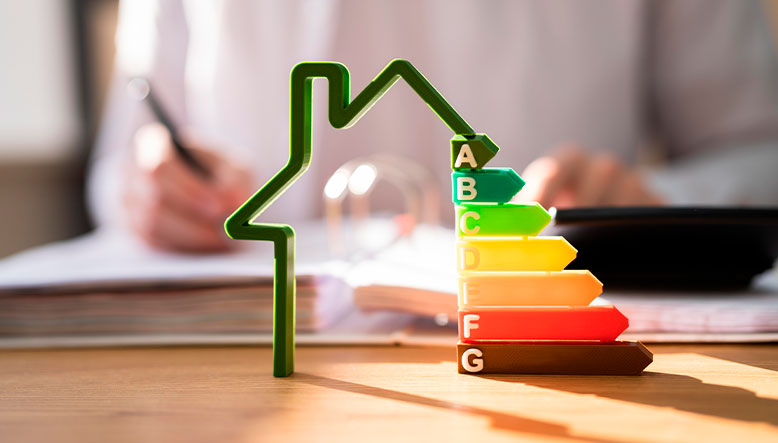
In this article, we’ll discuss some practical strategies for reducing the discomfort and high energy consumption caused by excessive sun exposure in your home.
From using blinds and insulation to incorporating natural ventilation and creating shading structures, we’ll provide you with clear and helpful tips to make your home more comfortable and energy-efficient.
Follow these tips to improve your living space and beat the heat.

How much energy does your air conditioner use?
Dealing with excessive sunlight in your home can be a challenge, especially during the hot summer months.
Rising temperatures and the intensity of direct sunlight can make a home uncomfortable and even pose health risks.
To address these issues, a common and effective solution is the use of air conditioning. However, it’s important to know how much energy this system consumes so you can manage your energy costs and its environmental impact.
Although the exact amount of energy your air conditioner uses can vary depending on factors such as its efficiency, the size of your home, and the climate, on average it can account for a significant portion of your energy bill.
In the United States, for example, the Department of Energy has reported that air conditioning can account for between 6% and 11% of total residential energy consumption during the hottest months.
If you are aware of this and take steps to optimize your air conditioner’s performance—for example, through regular maintenance and the use of energy-saving settings—you can effectively reduce its energy consumption and the associated costs.
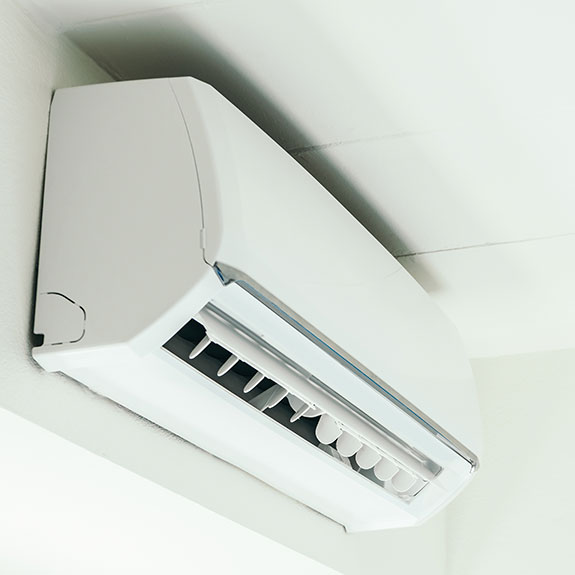
How much electricity does your radiator use?
Along with your air conditioner, your radiator plays a crucial role in regulating the temperature in your home.
This device, which can be programmed to automatically control your heating and cooling systems, has a direct impact on the energy consumption of these climate control systems.
The energy consumed by the thermostat itself is usually minimal compared to the appliances it controls.
However, it’s important to keep in mind that the type of thermostat you have—such as a programmable or smart thermostat—can affect its energy consumption.
Smart thermostats, in particular, are designed to optimize temperature settings based on your occupancy patterns, resulting in significant energy savings.
By investing in an energy-efficient thermostat and using it to intelligently manage the temperature in your home, you can improve overall energy efficiency and reduce the electricity consumption of your heating and cooling systems.
How much electricity does your heater use?
Space heaters provide a targeted way to heat specific areas of your home and are especially useful in regions with milder winters.
Although they can be an energy-efficient alternative to whole-house heating systems, it is essential to take their electricity consumption into account.
The amount of electricity used by portable heaters can vary depending on their type, size, and how long they are in use.
For example, electric heaters tend to use more electricity than other types of heaters, such as those powered by natural gas or propane.
On average, space heaters can account for a significant portion of residential energy consumption, especially during the colder months.
By using them wisely, choosing heaters with energy-saving features, and effectively insulating the areas where you use them, you can manage and potentially reduce the electricity consumption associated with heating your home.
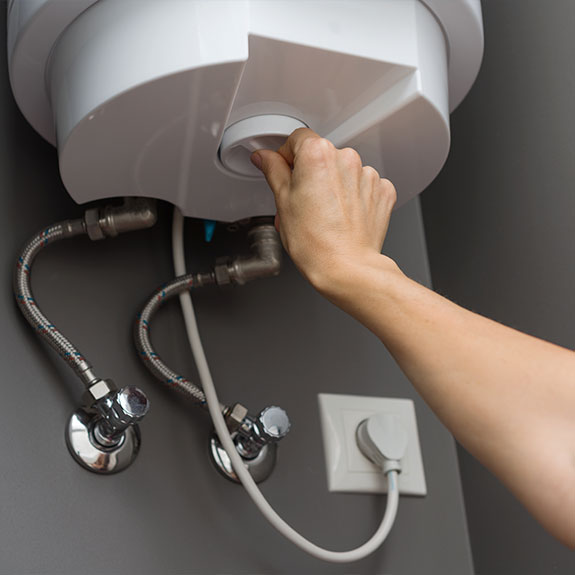
How much energy does an electric water heater use?
For many households, water heating is a major source of energy consumption, and the type of water heater you use—whether it’s a storage tank, a heat pump, or an instantaneous water heater—can have a significant impact on energy consumption.
Electric water heaters are typically among the biggest energy consumers in the home and account for a significant portion of total energy consumption.
The appliance’s energy efficiency, temperature settings, and usage habits all affect total energy consumption.
For example, while heat pump water heaters are usually more expensive to purchase, they are highly energy-efficient and consume significantly less energy than conventional electric water heaters.
In addition, proper maintenance—such as ensuring that the heating elements are in good condition and that the water heater is properly insulated—can further improve its efficiency and reduce energy consumption.
If you understand how your electric water heater uses energy and implement energy-saving strategies, you can make a significant difference in your home’s energy efficiency and costs.
How much electricity does your air conditioner use?
Understanding your air conditioner’s electricity consumption is crucial for managing your energy costs and your environmental impact.
Air conditioning accounts for a significant portion of residential energy consumption, and its electricity usage can vary depending on factors such as the unit’s efficiency, the size of your home, and the outdoor temperature.
On average, it is estimated that air conditioners can account for up to 12% of a household’s total energy consumption, especially in warmer regions where cooling needs are more pronounced.
If you take this electricity consumption into account and take steps to optimize your air conditioner—such as performing regular maintenance, using energy-saving settings, and strategically utilizing fans and natural ventilation—you can effectively reduce your cooling system’s energy demands and mitigate its impact on your energy bills and the environment.
How much electricity does your space heater use?
For many households, especially those in regions with milder winters, space heaters are a practical and targeted way to heat specific areas.
However, the electricity consumption of space heaters is an important factor in a household’s overall energy consumption.
The type of heater, its power rating, and how long it is used all have a significant impact on its electricity consumption.
For example, while some heaters are designed to be highly efficient, converting most of their energy consumption into heat, others may use electricity less efficiently.
It is also important to keep in mind that the cumulative use of electric heaters in a home can affect overall electricity consumption.
If you understand your heater’s specific energy requirements, optimize its use by taking advantage of its efficiency settings or combining it with insulation, and keep your overall heating strategy in mind, you’ll be able to effectively manage and reduce the electricity consumption associated with heating your home.
How much energy does an electric water heater use?
Electric water heaters are essential for providing hot water in many homes, but they can also be a significant source of energy consumption.
The amount of energy used by an electric water heater is influenced by factors such as the heater’s capacity, insulation, temperature setting, and the efficiency of its heating elements.
In many households, water heating can account for a significant portion of total energy consumption, and taking the energy use of these appliances into account can lead to considerable savings.
If you consider options such as energy-efficient heat pump water heaters, ensure that your water heater and the associated hot water pipes are properly insulated, and pay attention to temperature settings and maintenance, you can reduce the energy consumption of your electric water heater.
In addition, adopting habits such as minimizing hot water use during peak hours and using cold water settings whenever possible can further contribute to energy savings.
Understanding and managing the energy consumption of your electric water heater is a proactive step toward improving your home’s energy efficiency and reducing its overall energy use.
Understanding and optimizing the energy consumption of your home’s heating and cooling systems
Managing the energy consumption of your home’s heating and cooling systems—including the air conditioner, thermostat, furnace, and electric water heater—is essential for reducing energy use and minimizing your environmental impact.
By combining strategic decision-making, regular maintenance, and the adoption of energy-saving technologies and practices, you can significantly improve the efficiency of these systems and reduce their energy consumption.
If you stay informed about the energy consumption of these appliances, understand their impact on your overall energy use, and take proactive steps to optimize their performance, you can make a significant difference in your home’s energy efficiency.
This not only helps reduce energy costs, but also promotes a more sustainable and environmentally friendly approach to energy use in the home.
Whether through the use of energy-efficient systems, strategic management of temperature settings, or the adoption of alternative technologies for water heating and space heating, any effort to optimize the energy use of these systems is a positive step toward a more energy-efficient and sustainable home.
Conclusion
In conclusion, there are several effective strategies for reducing excessive sun exposure in your home during the day, such as using blinds and curtains, improving insulation and ventilation, and installing awnings or pergolas.
If you implement these measures, you’ll not only increase your comfort and avoid higher energy bills, but you’ll also improve your home’s overall efficiency and livability.
Why does my house use so much energy?
A home can consume a lot of energy for several reasons: poor insulation, excessive use of air conditioning or heating, old appliances, inefficient windows, or poor ventilation. Identifying the source of the energy consumption is key to lowering your electricity bill.
How can I reduce my air conditioning usage?
To save energy when using your air conditioner, we recommend:
Keeping the filters clean.
Setting the temperature between 24 and 26 °C.
Improving the insulation of windows and doors.
Using blinds and curtains to block out the sun’s heat.
Taking advantage of natural ventilation at night.
Which appliances use the most electricity at home?
The appliances that typically consume the most energy are:
Air conditioner
Electric water heater
Electric space heaters
Refrigerator
Clothes dryer
Electric oven
Using energy-efficient models and optimizing their use helps reduce energy consumption.
How can you improve a home’s energy efficiency?
You can improve your home’s energy efficiency by:
Insulating walls and ceilings.
Installing double-pane windows.
Using smart thermostats.
Switching to LED lighting.
Installing natural ventilation systems.
Using energy-efficient appliances.
Is it worth installing a smart thermostat?
Yes. A smart thermostat automatically adjusts the temperature based on your habits and schedule, reducing energy consumption and improving comfort. It also helps optimize the use of heating and air conditioning.