
 English







Bathroom tiles
Frequently asked questions
Within the chromatic range of yellows, as a primary colour, there is a vast spectrum of shades very close to yellow.
Some of them include:
French yellowish, Cadmium yellow, Canary yellow, Chrome yellow, Cyber yellow, Safety yellow, Titanium yellow, School bus yellow, Golden yellow, Electric yellow, Fluorescent yellow, Indian yellow, Lemon yellow, Mandarin yellow, Munsell yellow, NCS yellow, Dark yellow, Pantone yellow, Banana yellow, Process yellow, RYB yellow, Selective yellow, Earth yellow, Mikado yellow, Yellow-green, Amber, SAE-ECE amber, Sand, Saffron, Deep saffron, Buff, Light buff, Camel, Brownish flesh, Chartreuse, Traditional chartreuse, Citron, Citrine, Desert, Dandelion, Solar flare, Gamboge, Goldenrod, Ginger, Jonquil, Curry lemon, Daffodil, Ochre, Peridot, Yellow rose, Burnt sienna, Sunglow, Sunray, Sandstorm, Wheat, Urobilin.
Yes, some types of tiles can offer better performance or greater durability than others. For example, porcelain tiles are well known for being highly durable and moisture-resistant, which makes them ideal for use in bathrooms. There are also ceramic tiles that can be very strong and long-lasting, depending on their quality and thickness.
Another factor to consider is the tile finish. Matte or satin finishes tend to be more resistant to scratches than glossy ones, as scratches are less visible on matte surfaces. In addition, tiles with a high-quality glaze are less likely to fade or wear over time.
In general, it is recommended to use porcelain or stoneware tiles in a bathroom due to their durability and resistance to water and humidity. Porcelain ceramic is particularly strong and long-lasting, making it ideal for use in high-traffic bathrooms.
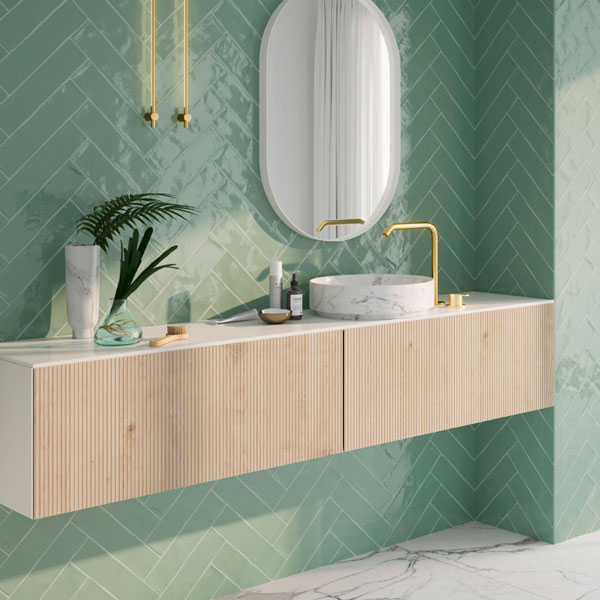
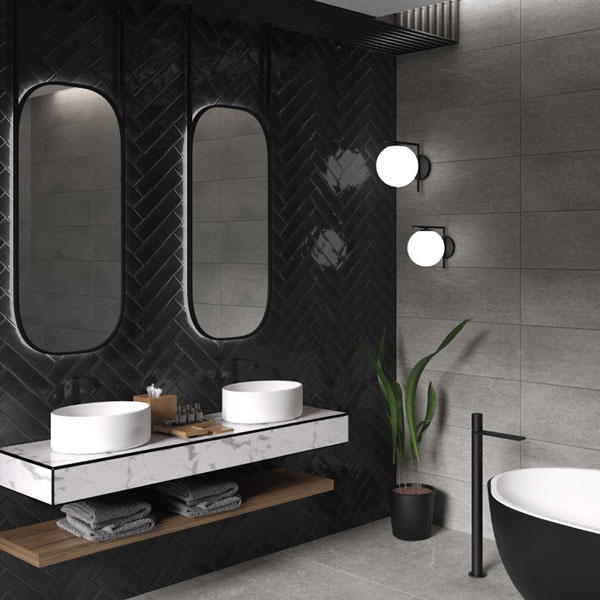
Additionally, this type of ceramic is easy to clean and maintain, which can be an important consideration for buyers looking for a low-maintenance option. As for colours, neutral tones such as white, beige and grey remain popular choices for bathrooms, but there are also bolder options like green, blue and black that can add a touch of personality and style to the space.
The most recommended type of tile for bathrooms is porcelain, as it is resistant to moisture and water, making it ideal for use in wet areas such as the bathroom.
Furthermore, porcelain tiles come in a wide range of designs and finishes, allowing them to suit any decorative style. Other types of tiles commonly used in bathrooms include ceramic and glass tiles, which are also water-resistant and available in a wide variety of designs.
Small bathrooms can be challenging in terms of design and functionality, but with the right tiles, they can look much larger and more attractive. When choosing tiles for a small bathroom, it is important to consider several factors, such as tile size, colour, and pattern.
Firstly, the most recommended tiles for small bathrooms are small or medium-sized tiles, such as mosaic tiles or 10x10 cm or 15x15 cm tiles. These tiles can create a visual effect of continuity and spaciousness, helping the space appear larger than it actually is.
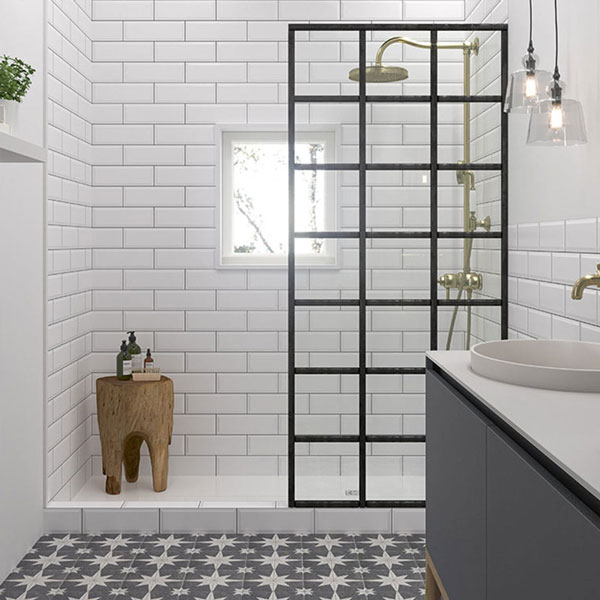
In terms of colour, white tiles are an excellent choice for small bathrooms, as they reflect light and create a sense of space. However, you can also opt for light and bright colours, such as light blue or mint green, which can also give a sense of openness and freshness to the bathroom.
Regarding patterns, it is better to choose tiles with subtle and continuous patterns, rather than large and bold patterns that may overwhelm the space. Textured tiles can also be a good option to add visual interest and a touch of style to the bathroom.
In conclusion, tiles for small bathrooms should be small or medium in size, light in colour, and have subtle and continuous patterns. With these tips, you can create a small bathroom that is both elegant and functional. So, if you are looking to renovate your small bathroom, be sure to choose the right tiles to achieve the best possible result.
When it comes to keeping a bathroom clean, tiles are one of the most important areas to consider. With so many types and styles of tiles available, it can be difficult to know which ones are the easiest to clean.
We recommend ceramic and porcelain tiles, which are the most popular for bathrooms due to their durability and water resistance. These types of tiles are easy to clean and require minimal maintenance. In addition, they are highly resistant to stains and bacteria, making them ideal for bathrooms.