


Select a Finder
Enjoy discounts of up to 30% only during the long weekend.

Non-slip flooring for outdoor use

Extraordinary resistance, enduring reliability .

Outdoor floor and wall tiles are unique ideas, suitable for all kinds of outdoor solutions. Discover outdoor flooring with the latest manufacturing technologies.

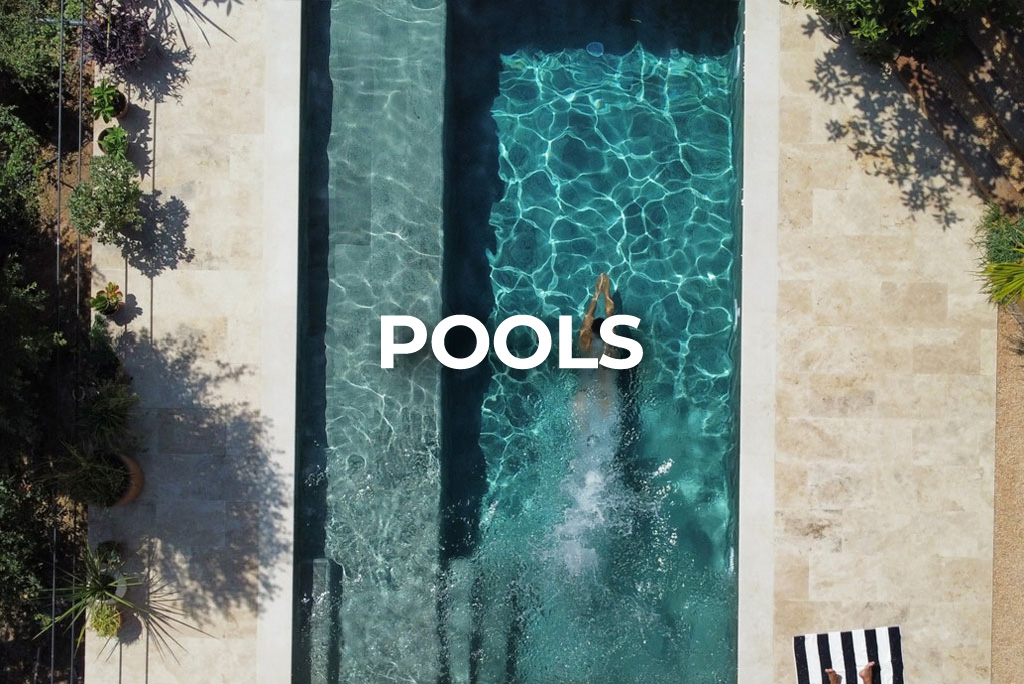
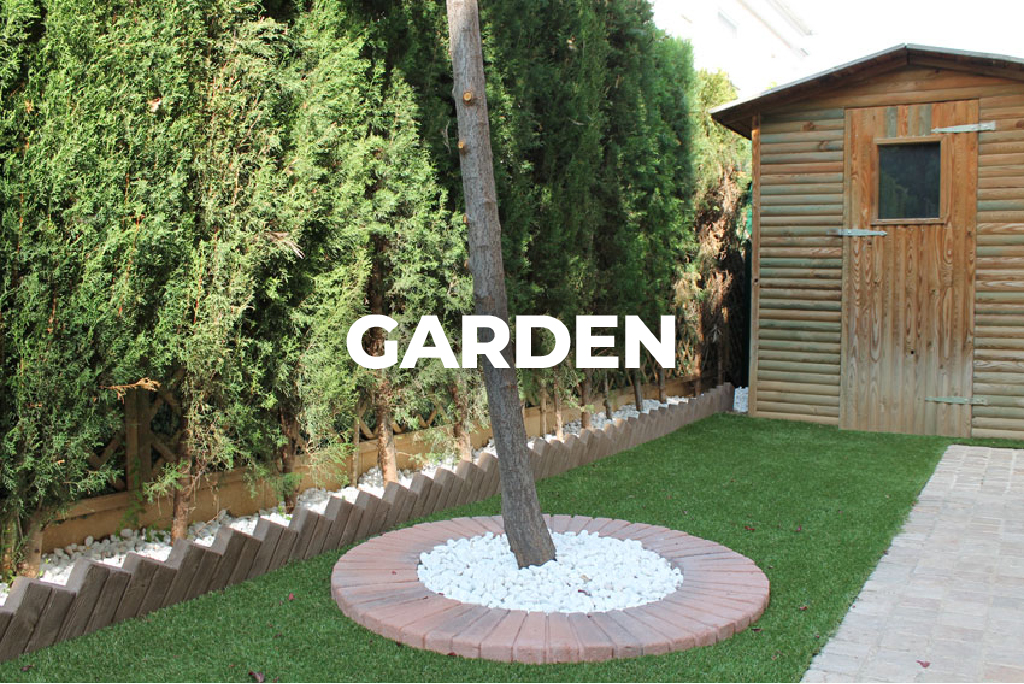
Non-slip porcelain flooring for outdoors, perfect for terraces, patios, gardens, areas near the pool, around the spas.

Outdoor floors suitable for inclement weather, anti-freeze.

Non-slip flooring with wood design, ideal for outdoors. It combines natural style, safety and resistance on terraces, patios and pools.

Discover non-slip flooring that imitates natural stone. Elegance, resistance and safety to enhance any outdoor space.

Non-slip flooring with cement finish, ideal for modern outdoor spaces. It combines industrial style, safety and high resistance.

Non-slip marble imitation flooring, elegant and safe. Ideal for indoors and outdoors, it combines style and resistance.

Transform your exteriors with non-slip rustic style flooring. Design with character, safety and resistance for a cozy atmosphere.

Non-slip flooring with wood design, ideal for outdoors.

Non-slip flooring with cement finish, ideal for modern outdoor spaces.

Discover non-slip flooring that imitates natural stone.

Non-slip marble imitation flooring, elegant and safe.

Transform your exteriors with non-slip rustic style flooring. Design with character

What are non-slip outdoor flooring?

An important feature is the safety of the outdoors against landslides, especially when water is present, either due to rain or in areas near the pool.

This type of flooring must be resistant to slipping, temperature changes, shocks... that is, they must be very resistant to all the inclemencies that occur outside.

Non-slip outdoor flooring is made for all these inclemencies, designed to resist and protect us against slipping.

Important characteristics of outdoor flooring

WATER ABSORPTION

The first and main one is water absorption. It is, together with the colour of the raw material, the quality that gives ceramic tiles their name. In addition, properties such as frost resistance directly depend on it as well.

They are known by the following names:

Porcelain Stoneware
  • Ab < 0.5
  • Suitable for interior and exterior walls and floors
Thick stoneware
  • 0.5 ≥ Ab > 3
  • Suitable for interior and exterior walls and floors
Glazed stoneware
  • 3 ≥ Ab > 6
  • Suitable for interior walls and floors. Not suitable for outdoor use.
Baked clay
  • 6 ≥ Ab > 15
  • Interior and exterior walls and floors. It does not resist frost.
TILES
  • Ab ≥ 10
  • For interior walls. Not suitable for outdoor use.

Frost

It is essential to know whether or not the tile to be laid will be frost resistant. This property is necessary for outdoor installation.

To determine this characteristic, the ISO 10545-12 anti-icing standard is followed and consists of subjecting a sample 100 times to temperature changes between -5ºC to +5ºC, previously immersed in water. If they do not show damage, it is assumed as 'anti-freeze'.

Slip resistance

This is an exclusive feature for flooring and responds to the ability of ceramic tiles to resist slipping or slipping.

There are 4 classes of Slip Resistance (Rd) that determine the standards:

  • Rd ≤ 15 Class 0
  • 15 < Rd ≤ 35 Class 1
  • 35 < Rd ≤ 45 Class 2
  • Rd > 45 Class 3

See the minimum classes required for soils according to their location:

Dry inland areas

  • Surfaces with a slope of less than 6% – CLASS 1
  • Surfaces with a slope equal to or greater than 6% and stairs – CLASS 2

Humid indoor areas

  • Entrances to buildings, covered terraces, changing rooms, showers or kitchens with a slope of less than 6% - CLASS 2
  • Entrances to buildings, covered terraces, changing rooms, showers or kitchens with a slope equal to or greater than 6% and stairs – CLASS 3

Industrial Indoor Wet Areas

  • Where in addition to water there may be agents such as greases and lubricants (industrial kitchens, slaughterhouses,...) – CLASS 3

Outdoor areas

  • Patios, and exteriors not exposed to continuous water – CLASS 2
  • Swimming pools and showers (areas provided for barefoot users and at the bottom of pools when the depth is not more than 1.5m) – CLASS 3

Frequently asked questions

In Europe, the slip resistance of ceramic tiles is identified using a classification scale known as the R9 to R13 scale. This scale ranges from R9, indicating a low level of slip resistance, to R13, indicating a high level of slip resistance.

Slip resistance is measured through a wet pendulum test, which determines the tile surface’s ability to prevent slipping when wet. The test result is expressed as a classification on the R scale.

It is important to note that the R classification is not a uniform standard across Europe, but varies by country.

The R9 to R13 scale measures the slip resistance of ceramic tiles and is a way to express the result of a wet pendulum test. The difference between each R classification is the level of slip resistance of the tile surface.

  • R9: Indicates a low level of slip resistance. Tiles rated R9 are considered more slippery when wet.

  • R10: Indicates a moderate level of slip resistance. R10 tiles are less slippery than R9, but still somewhat slippery when wet.

  • R11: Indicates a moderate-high level of slip resistance. R11 tiles are less slippery than R10, but not yet completely slip-resistant.

  • R12: Indicates a high level of slip resistance. R12 tiles are very slip-resistant and provide greater safety when wet.

  • R13: Indicates the highest level of slip resistance. R13 tiles are highly slip-resistant and provide maximum safety when wet.

It is important to note that the R scale may vary slightly depending on the country and local regulations.

The R-type slip resistance classification (R9 to R13) and the 0, 1, 2, or 3 classification are two different systems for measuring slip resistance in flooring.

The R-type system is mainly used in Europe and measures the slip resistance of ceramic tiles through a wet pendulum test. The classification ranges from R9 (low slip resistance) to R13 (high slip resistance).

The C0, C1, C2, or C3 classification system is used in Spain for accessibility in construction. This standard requires interior and exterior floors to be slip-resistant to prevent slips and falls. The classification ranges from class 0 (low slip resistance) to class 3 (high slip resistance).

  • CLASS 0: These floors have the lowest level of slip resistance, meaning they are the most slippery, and are generally not used in areas requiring safety conditions.

  • CLASS 1: C1 slip-resistant floors start to be more commonly used, perfect for certain areas like kitchens and bathrooms. They protect against falls and risks but are not the most suitable according to the classification.

  • CLASS 2: Class 2 slip-resistant floors have a strong impact in the flooring sector, as they begin to be used in other areas such as shower floors, outdoor areas, pool decks, and beaches.

  • CLASS 3: Under the slip-resistant flooring standard, class 3 floors have a resistance higher than 45, meaning they offer high protection against falls, slips, and accidents in more hazardous areas.