
 English











Kitchen tiles


Frequently asked questions
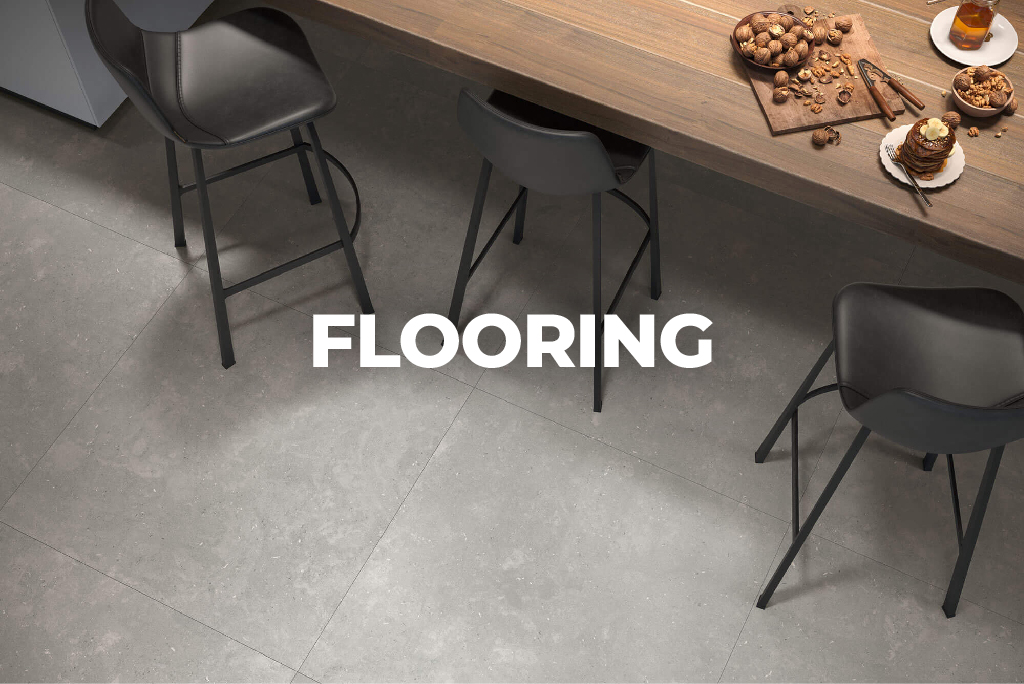
The size and shape of the tiles you choose can significantly affect the sense of space and the overall look of your kitchen. Here are a few tips to help you make the right decision:
Consider the size of your kitchen
The size of your kitchen plays a key role. If you have a small kitchen, large tiles might make the space feel more cramped. On the other hand, in a larger kitchen, large tiles can enhance the feeling of openness and space.
Think about the shape of your kitchen
The shape of your kitchen is also important. If your kitchen is square, square tiles can be a good choice. If it’s more rectangular, rectangular tiles can help emphasise the length of the room and create a more cohesive flow.
Choose the right proportions
Proportion is crucial. Tiles that are too small or too large for the room can look unbalanced. Choosing tiles that are well-proportioned to the space will help achieve a more harmonious and visually appealing result.
To install tiles in your kitchen, follow these steps:
- Preparation: First, prepare the surface. Make sure it’s clean, completely dry, and free of dust so that the adhesive sticks properly.
- Mixing the adhesive: Prepare the adhesive according to the manufacturer's instructions, as each brand may have specific mixing requirements.
- Applying the adhesive: Apply a small amount at a time and spread it evenly using a notched trowel to ensure a uniform layer.
- Cutting the tiles: Before placing any tiles, take accurate measurements to ensure all pieces fit properly. Poor cutting can lead to future issues, so precision at this stage is essential.
- Laying the tiles: Always use tile spacers to keep the joints even and prevent shifting over time. Apply a thin layer of adhesive to the back of each tile for better grip, press it gently into place, and lightly tap it with a rubber mallet to secure it without damage.
- Grouting: Once the adhesive has dried for the time recommended by the manufacturer, apply grout between the tiles to seal the joints and prevent dirt build-up.
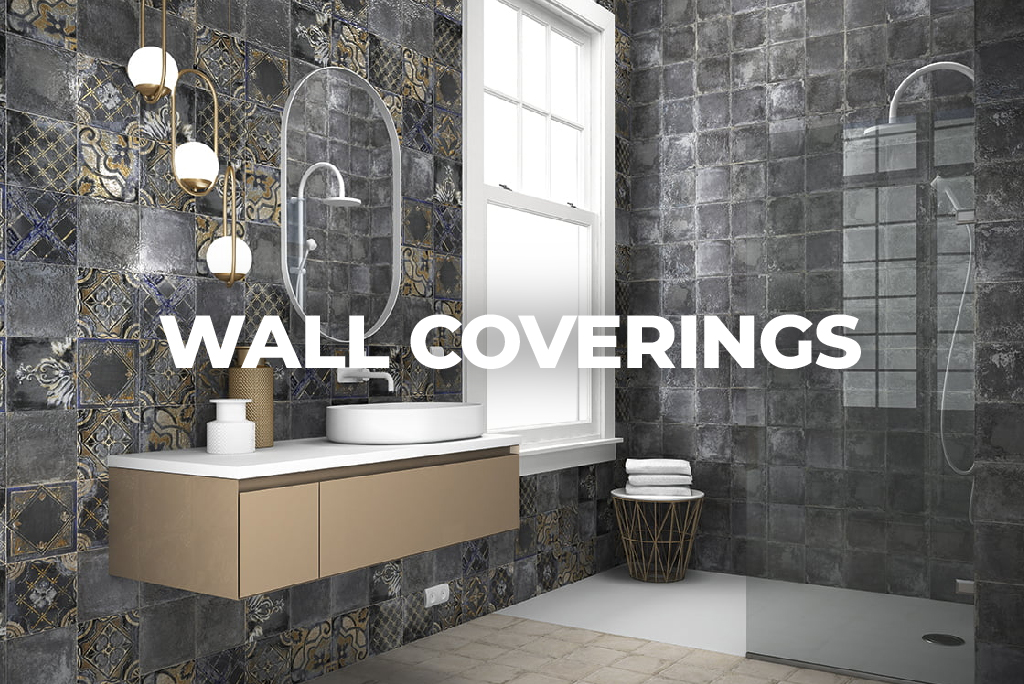
When choosing the right colours for kitchen tiles, it’s important to consider several factors, such as the décor style, the amount of natural light, and the size and layout of the space. Light tones are recommended for small kitchens or those with limited natural light, while darker or bolder colours can be used in larger, brighter spaces.
It’s also important to coordinate the tile colours with the kitchen furniture and accessories to ensure a balanced and harmonious overall look.
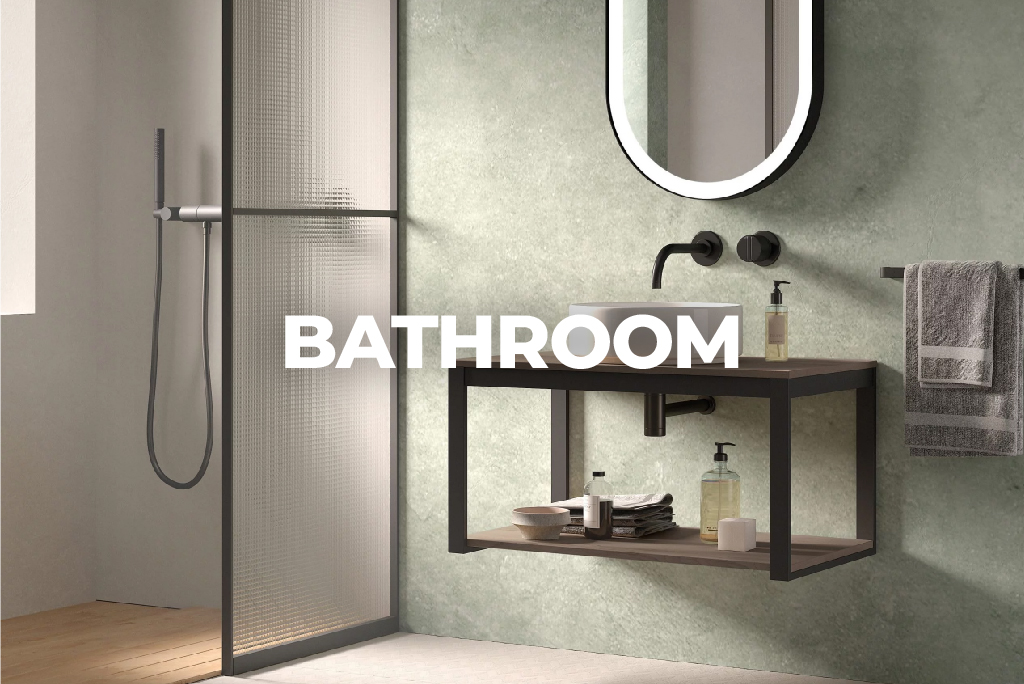
The most suitable tile colours for a minimalist kitchen décor are usually light tones such as white, light grey, or beige. These colours help create a sense of space and brightness, which are key elements of minimalist design.
Darker or glossier tones can also be used to introduce a subtle contrast and add a touch of sophistication to the minimalist aesthetic.