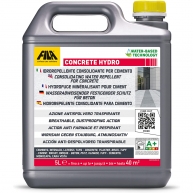
Cleaner Pro - Universal Neutral Detergent
€8.84
10,70 € VAT incl. 21%
English
Ceramic floor tiles are undoubtedly one of the most popular finishing products, for many reasons. In addition to ceramic tiles, there are other types of flooring, such as vinyl flooring that are becoming more and more popular and are perfect for many cases, especially for renovating a kitchen or bathroom practically without work, which saves a lot on installation costs.
The variety in ceramic tiles is immense, we invite you to browse through each of the subfamilies that we indicate here to get ideas and find a design that you like and suits your budget.
Vinyl flooring is durable, water-resistant and easy-to-maintain PVC floor covering, with varied designs that imitate natural materials.
Durable and water resistant. They imitate natural materials.
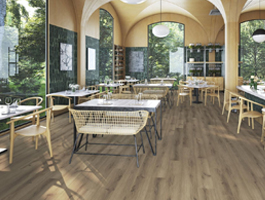
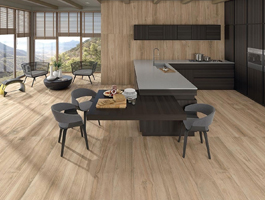
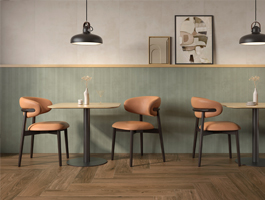
Imitation wood flooring is floor coverings that replicate the appearance of natural wood, but made with ceramic materials.
Durable and water resistant. They imitate natural materials.
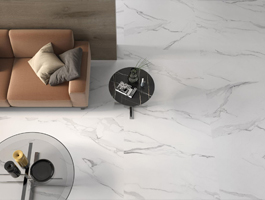
Marble-effect flooring is a floor covering that replicates the appearance of natural marble, using materials such as ceramics.
Ceramic flooring with designs imitating marble.
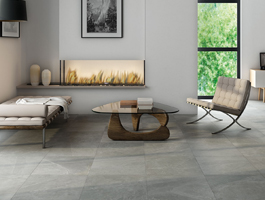
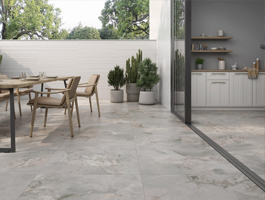
Imitation stone flooring is a floor covering material that replicates the appearance and texture of natural stone.
With a natural appearance and durable, high-quality materials.
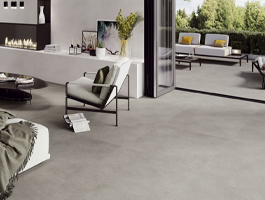
Imitation cement flooring is a coating that replicates the appearance of cement, offering an industrial and modern aesthetic without the disadvantages of maintenance and coldness
Industrial aesthetics, with low maintenance, without coldness.
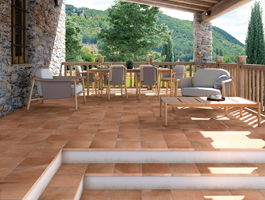
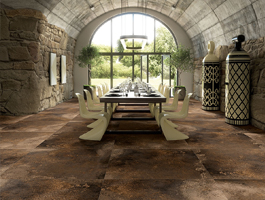
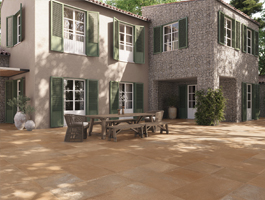
Rustic indoor and outdoor flooring are surfaces that mimic natural and traditional aesthetics, usually with textured finishes and earthy colours
They mimic natural aesthetics, textures, and earthy colors.
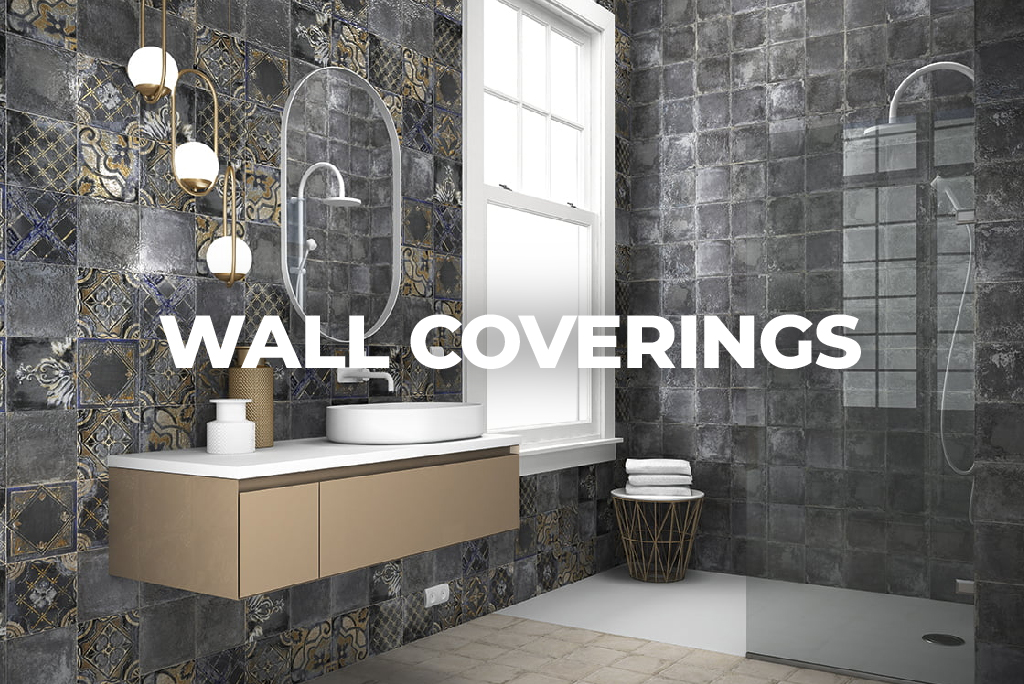
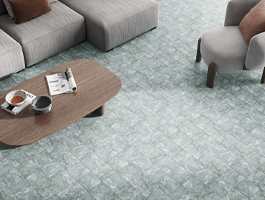
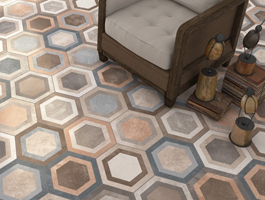
Imitation hydraulic flooring is ceramic wall tiles that replicate the appearance of old hydraulic floors
They imitate old hydraulic floors with an authentic look.
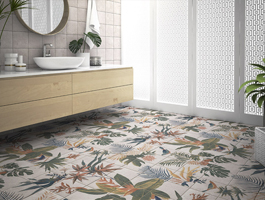
Decorated ceramic flooring is flooring made with ceramic tiles that include aesthetic designs, patterns, colours and textures.
Tiles with aesthetic designs, patterns, colors and textures.
Hydraulic imitation pavements are ceramic coverings that replicate the appearance of old hydraulic floors.
They imitate metal visually; Made of ceramic or porcelain, not metal.
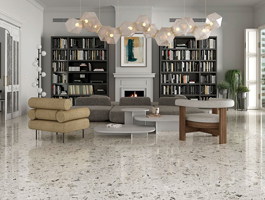
Terrazzo-effect flooring is a type of covering that mimics the appearance of traditional terrazzo
They mimic natural aesthetics, textures, and earthy colors.
Monochrome paving is a single-color surface, without additional patterns or designs, used in areas such as streets, sidewalks, or interiors to create a uniform, minimalist appearance.
Unicolor, without patterns, on streets, sidewalks, interiors. Minimalist uniformity.
Non-rectangular pavement refers to any type of pavement that does not have a regular geometric shape, such as squares or rectangles.
Type without regular geometric shapes on surface.
Clay tile paving is a flooring made of baked clay, traditionally used in construction for its durability and rustic appearance.
Rustic and durable baked clay floors.
20mm raised flooring is a versatile and durable flooring system, specially designed for exterior and interior applications.
Technical flooring for outdoor terraces and systems. of raised pavement.
Proper cleaning and maintenance of flooring is essential to extend its lifespan, retain its original appearance and ensure a hygienic environment. Specific guidelines for cleaning and maintenance will vary depending on the type of flooring, but there are a few general principles that apply to everyone:
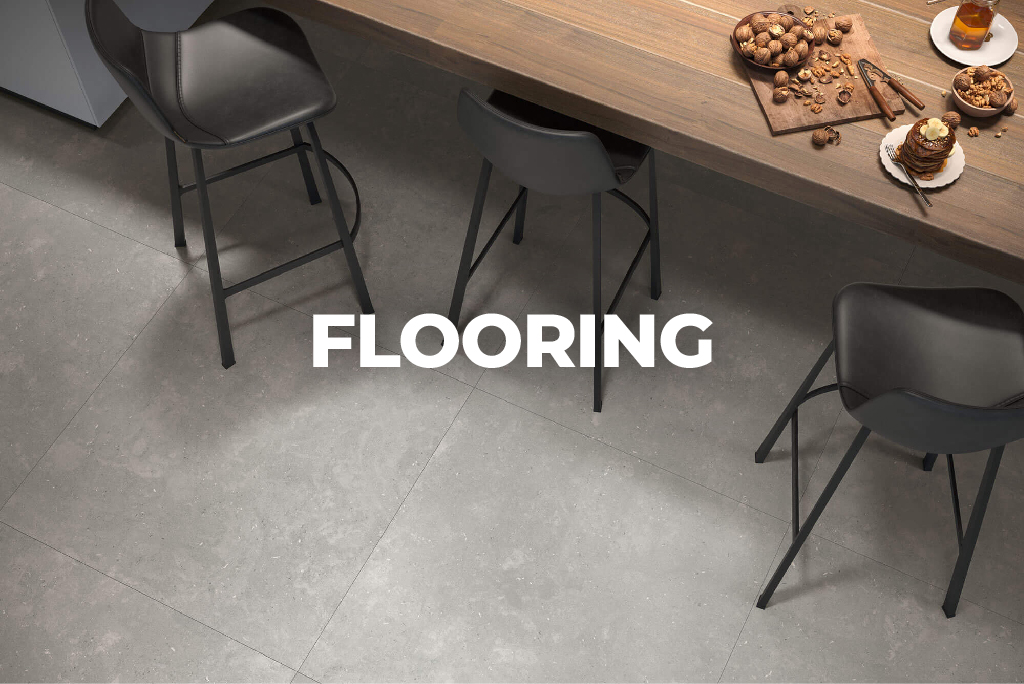
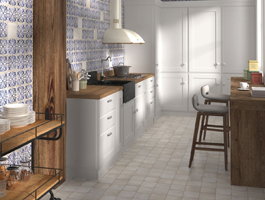
Functional and durable kitchen flooring, designed to withstand moisture, stains, and high traffic without losing style.
Selection of stain and moisture resistant flooring.
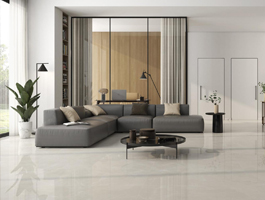
Elegant and resistant flooring ideal for living rooms, combining style, comfort and durability for all types of environments.
Selection of stylish and comfortable floors for everyday use.
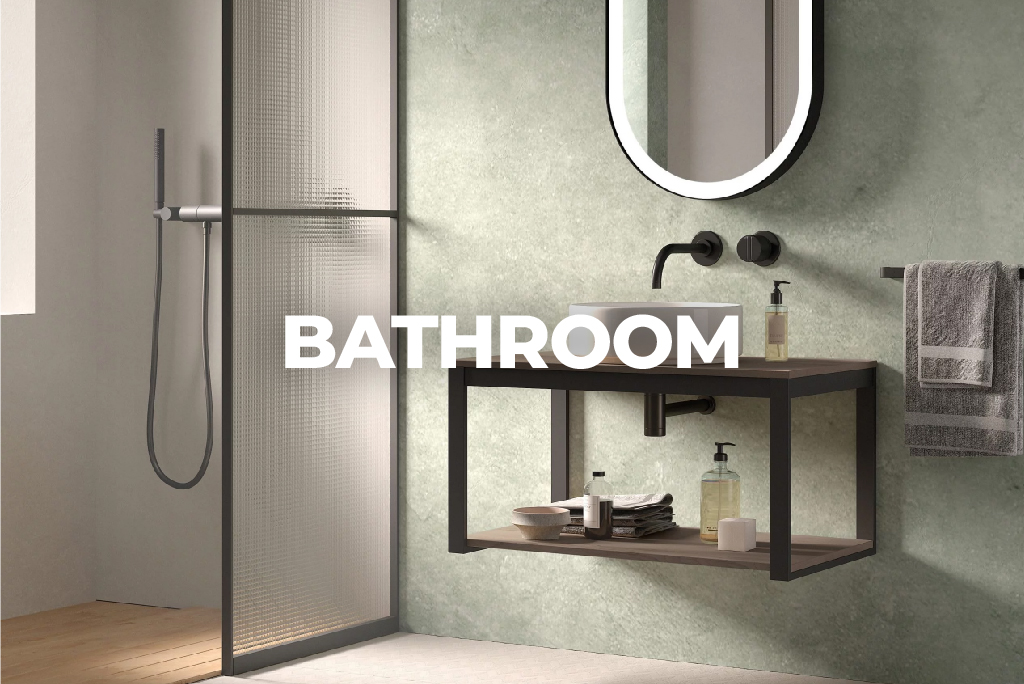
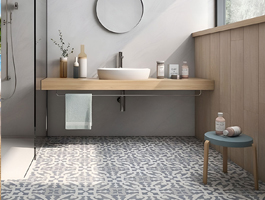
Non-slip and moisture-resistant flooring, perfect for safe, modern, and easy-to-maintain bathrooms.
Floor with a small non-slip property, safe and durable.
High-performance flooring designed to withstand intensive use with style, safety and easy maintenance.
Floors that are easy to maintain and resistant to high traffic.
Ideal for indoor and outdoor use, they combine a uniform aesthetic with resistance to weather conditions and high traffic.
Uniform, versatile and resistant In&Out flooring.
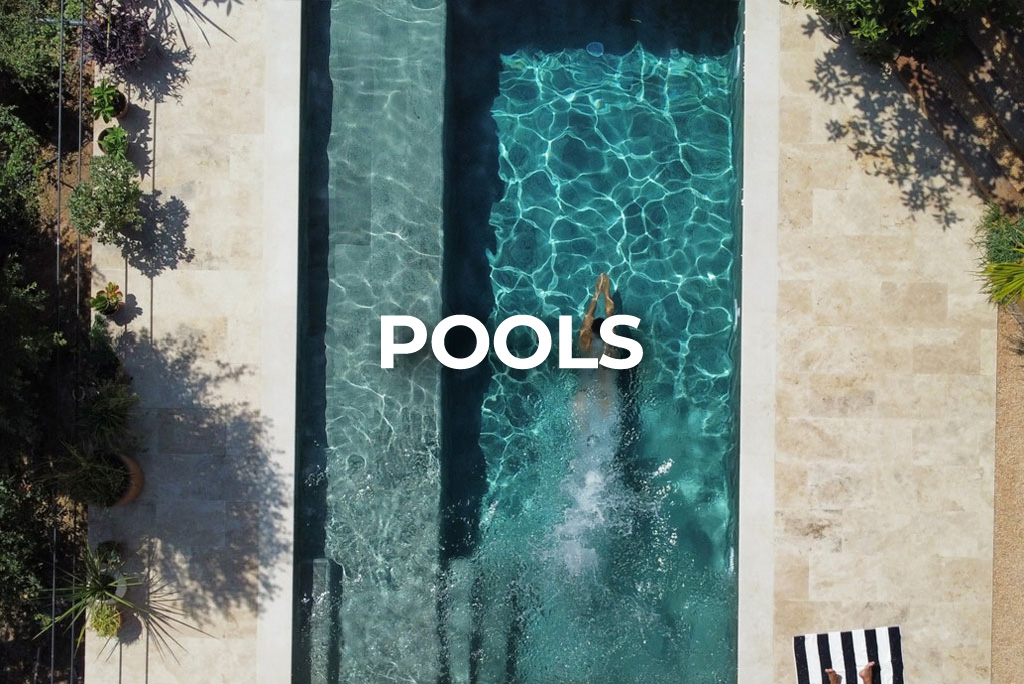
Resistant and non-slip outdoor flooring, designed to withstand the elements with durability and style.
Non-slip outdoor flooring with great hardness and grip.
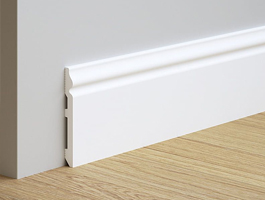
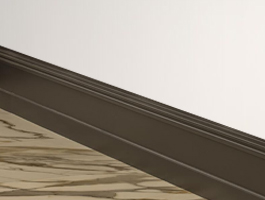
Ceramic skirting boards for decoration and technical solutions.
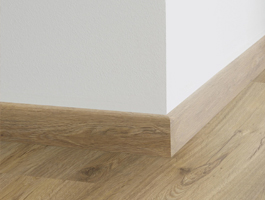
Skirting boards made with laminated melamine for decoration.
Polymer skirting boards made by extrusion based on polystyrene.
At ParaTuReforma we offer you the possibility of making customised and custom-made steps and skirting boards from the same material with which you have paved your home. In the case of the steps, the first thing is to have the ceramic bases to find the torelo that is closest in color tones to the base piece. Logically, you must already have this initial piece, or add it previously to the cart so that we can use it in the manufacture of the step.
Within the range of ceramic tiles, there is a wide variety of styles, formats and types of manufacture that determine the final appearance and technical qualities of the tiles.
Depending on the manufacturing method and raw material, different types of ceramic tiles are known:
Within the family of porcelain tiles you have all the possible finishes, with a cement finish, hydraulic tiles imitating old tiles, porcelain tiles imitating wood and marble, or with a rustic style and with stone finishes.
The fact that a tile is porcelain does not mean that it can be put outdoors as flooring, it is true that they are suitable for outdoor use and that they are not affected by ice in cold seasons, but you also have to look at the degree of non-slip they have so that they are not dangerous when there is contact with water.
Floor tiles made of red paste and white plaster are not suitable for outdoors, as water can be easily introduced into their structure, and when temperatures drop, they could break into ice. Therefore, this type of ceramic flooring is recommended for interiors, in kitchen floors, bathrooms, living room floors, etc...
Extruded floor tiles also have a large number of finishes and due to their way of manufacture, they are usually suitable for outdoor use. Extruded ceramic tiles are usually rustic tiles, and they are perfect for outdoor floors, such as terraces, gardens, patios.
Another type of flooring that is usually installed in small bathroom and kitchen renovations are vinyl flooring (many customers refer to it as PVC flooring), which have more and more finishes. The most outstanding feature of this product is that you can install it yourself, the installation is quick, it does not require any renovation and it does not deteriorate in contact with water, among many other features.
The most requested are usually wooden vinyl flooring, whose installation is carried out by means of the typical clicks that come with floating flooring.

It is estimated that at least 90% of complaints and claims occur during the first days or even months after starting to use the pavement and are due to incorrect or non-existent final cleaning of the work.
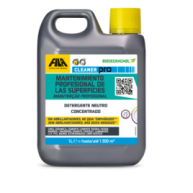
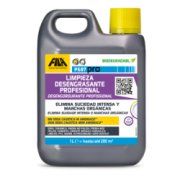
In ceramics, porcelain, clay, extruded and unpolished stones, it is recommended to use detergents with a slightly acidic action, with a high percentage of surfactants and at the same time "buffered" so that they do not give off toxic gases and whose action is not carried out by "shock" but rather by softening the rest of the work that we must eliminate.
The final cleaning of the work is normally carried out only once in the life of the pavement and for this reason it is important to do it correctly, with the right product and using the most appropriate tools. To do this, it is important to dilute the product in water according to the nivel of dirt present on the surface. It is recommended to initially clean with diluted product and once the most superficial residues have been removed, perform a second wash with more concentrated product in the areas with more embedded dirt.
Once the product has been left to act for a few minutes, it will be rubbed with a brush, scouring pad or a rotary machine equipped with a green disc (ideal on smooth surfaces) or a brush disc (ideal on surfaces with reliefs). Then remove all the dirt residues and construction debris that the product has managed to soften, to prevent them from adhering again.
To this end, the use of a liquid vacuum cleaner is very practical and effective , which allows a quick removal of the residues and facilitates the next final rinsing.
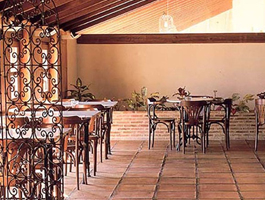
Thanks to their anti-acid, anti-humidity and anti-stain properties, resinous joints (epoxy, etc.) are increasingly used and it is estimated that they already represent 7% of all applied joints in Europe. Composed of resins and hardeners (two-component), epoxy joints withstand special conditions that cement-based mortars do not tolerate and are ideal in slaughterhouses, dairies, industrial kitchens, swimming pools, spas, showers, as well as other areas where high-pressure chemical or mechanical loads are present.
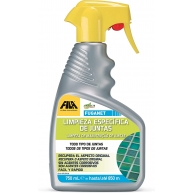
But it should be noted that they are more complicated to apply and clean since any residue, fence or stain adhered to the surface is difficult to remove. In this case, it is advisable to use a suitable and high-quality detergent that does not give off toxic vapours and that respects the material, the gasket and the aluminium and stainless steel elements. It is also recommended to use detergents with high viscosity to be able to operate successfully also on vertical surfaces.
A suitable detergent has to be effective both to remove simple tarnishes and/or "fresh" residues (cleaning after grouting and to remove stains, fences and hardened, old and consistent residues).
This cleaning serves as a starting point for:
With the new UNE 138002:2017 standard for quality ceramic installation, guidelines are also established on the importance of a correct final cleaning of the work (chapter 10.1): the installer, once the installation and grouting have been completed, must deliver the coating completely clean. And cladding is understood to be the entire surface that includes not only ceramic tiles but also joints (installation and movement) and other complementary materials and systems.
According to this regulation, the cleaning process is considered valid when the following conditions are met:
To satisfy these two conditions and considering the complexity and diversity of the materials used in both flooring and wall tiles in today's decoration, it is recommended that this important cleaning step be carried out with suitable and studied detergents so that they clean thoroughly, without damaging the material on which it is acting. without damaging or cracking the joints, without being harmful to the person who uses it and without damaging other elements of the decoration as a whole (chrome, accessories, knobs, profiles, taps, etc.).
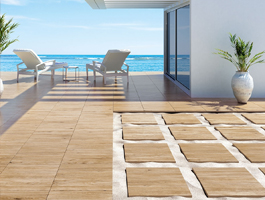
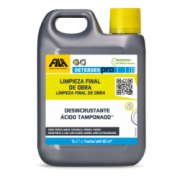
With a correct final cleaning of the work , it is possible to facilitate the maintenance of the material as well as improve its finish and presentation.