

















Free Shipping
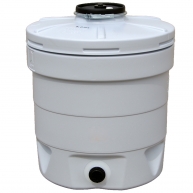
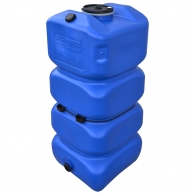
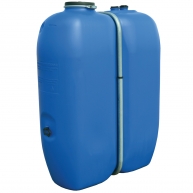
Aquatonne 350l circular water tank
Receive it between 25 and June 29.
€165.87
200,70 € VAT incl. 21%
 English




Frequently asked questions
To ensure the quality and potability of water stored in a tank, the following safety measures should be implemented:
Regular cleaning: Carry out periodic cleaning of the tank to remove any accumulation of sediments, bacteria, or other contaminants. This involves completely emptying the tank and cleaning the internal surfaces with suitable disinfectants.
Hermetic sealing: Ensure the tank is hermetically sealed to prevent the entry of external contaminants such as insects, rodents, or chemicals.
Protection from sunlight: Avoid direct exposure of the tank to sunlight, as this can promote the growth of algae and bacteria. Opaque materials or protective covers can be used to block light.
Filtration and purification: Consider using filtration and purification systems to remove impurities, microorganisms, and unwanted chemicals. This may include the installation of filters or disinfection systems such as chlorination or ultraviolet radiation.
Maintenance of the surroundings: Keep the area around the tank clean and free from potential contaminants, such as chemical residues, oils, cleaning agents, or other materials that could spill into the stored water.
Access control: Limit access to the tank to authorised and trained personnel who handle potable water, preventing accidental or intentional contamination.
Regular monitoring: Conduct periodic water testing to verify its quality and potability. This can include laboratory tests to detect the presence of bacteria, chemical compounds, and other contamination indicators.
These safety measures should comply with local regulations and consider the specific characteristics of each tank. It is important to consult experts and follow official guidelines to ensure the stored water remains safe and potable.
The lifespan of potable water tanks varies depending on the material used and the maintenance performed. Steel tanks can last between 20 and 30 years, but require regular maintenance to prevent corrosion. In contrast, fibreglass and plastic tanks are much more resistant to corrosion and can have a longer lifespan, reaching 25 years or more if properly maintained.
It is important to follow the manufacturer’s recommendations for maintenance and to schedule regular inspections to identify any signs of wear or deterioration. Some indicators that replacement or maintenance may be necessary include:
Changes in the taste or odour of the water
Reduction in storage capacity
Need for more frequent refilling
To ensure the quality of stored water, measures should be taken to keep it in a suitable environment. This includes placing the tank in a cool, shaded area, avoiding direct exposure to sunlight, which can encourage the growth of microorganisms and affect water quality. It is also important to perform regular cleaning of the tank to remove sediments and maintain a hygienic environment.
Choosing the right location for a water tank is very important. Several factors should be considered. At ParaTuReforma, we recommend the following:
Access and proximity: The tank should be placed in a location that is easily accessible for installation, maintenance, and repairs if needed.
Stable ground: The area must be stable and capable of supporting the full weight of the tank.
Protection from sunlight: Exposure to sunlight can encourage the growth of microorganisms inside the tank, as solar energy heats the water. It is therefore recommended to install the tank in a shaded or protected area.
Distance from contamination sources: Keep the tank away from potential contamination areas such as industrial zones, drains, or high-traffic areas to ensure high water quality.
Climatic conditions: Depending on the local climate, consider protecting the tank from extreme temperatures, frost, or strong winds that could damage it.
Regulatory requirements: It is essential to comply with local regulations regarding the installation of potable water tanks. Check the specific requirements in your area before selecting the location.
For any questions, you can contact us directly.
Using a potable water tank offers several significant benefits. The main advantages include:
Constant water supply: A tank ensures water is available at all times, which is particularly useful in areas with intermittent or unreliable supply.
Water reserve for emergencies: It serves as a strategic water reserve during outages, natural disasters, or supply interruptions, providing water for drinking, cooking, personal hygiene, and other essential needs.
Autonomy and self-sufficiency: Having a tank allows for reduced dependence on external sources, such as municipal systems or wells, giving greater control over water supply management.
Long-term cost savings: Storing and using potable water can reduce reliance on external sources, which may lower long-term costs associated with water bills and system maintenance.
Use in specific applications: Tanks can be used for garden irrigation, pool filling, heating or cooling systems, and other situations where high-quality water is needed.
Control over water quality: Storing potable water allows for better control of water quality, using filtration, disinfection, and monitoring systems to ensure potability standards are met.
Contribution to sustainability: Using a water tank promotes efficient water use and the conservation of water resources, contributing to environmental sustainability and protection.